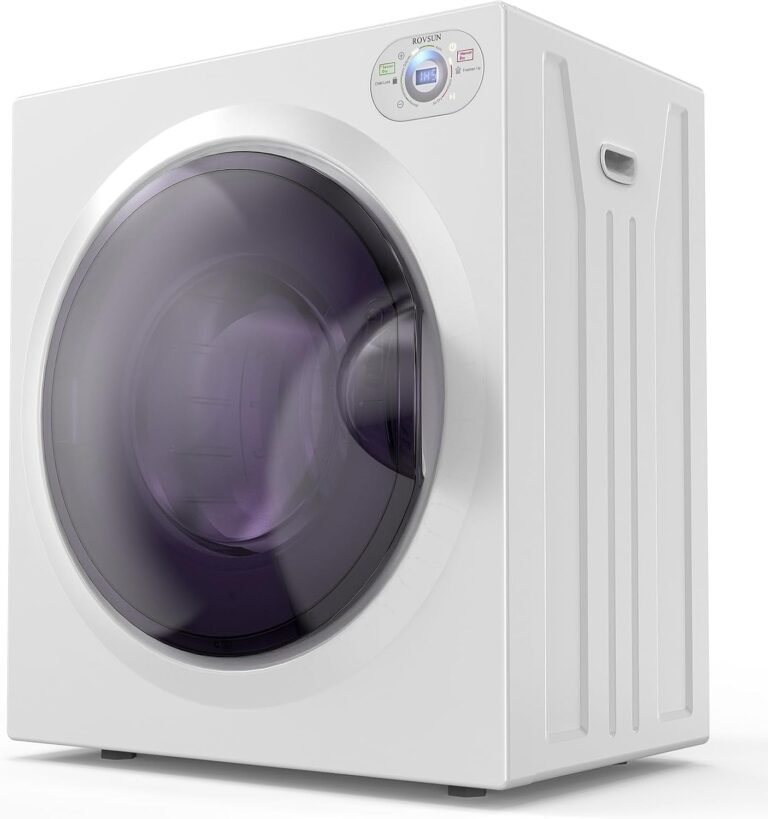
Clothes Dryer kWh Usage: Real Numbers & Costs
A typical electric clothes dryer uses about 1.8 to 5.0 kWh per load, depending on the model and cycle settings. Most standard dryers average around 3.0 kWh per load. That means a single drying session costs you roughly 40 to 75 cents, based on the average US electricity rate.
If you dry five loads a week, that adds up to about 780 kWh per year. We found that your dryer is often one of the top three energy hogs in your home, right behind the water heater and the HVAC system. The exact number varies with heat settings, moisture sensors, and whether your machine is a heat pump or traditional vented model.
- Standard electric dryer: Uses 1.8 to 5.0 kWh per load.
- Average cost per load: 40 to 75 cents in the US.
- Heat pump dryers: Use about 50% less energy than traditional models.
- Gas dryers: Use far less electricity (only for the drum motor), but burn natural gas.
- Biggest factor: The high-heat setting can nearly double your energy use.
Below, we break down exactly how many kWh your dryer uses, what affects the number, and simple ways to shrink your energy bill without sacrificing dry clothes.
What Impacts Your Dryer’s Energy Consumption the Most?
We found that the single biggest factor is the heat setting you choose. Crank the dial to “high” and you can nearly double your electricity use compared to a low-heat cycle.
The second big influence is your dryer type. Old-school vented dryers blow hot air out of a hose. Heat pump dryers recycle that warm air. That difference alone can cut your energy use in half.
Traditional Vented Dryers vs. Heat Pump Dryers
Most US homes have a traditional vented dryer. It pulls in room air, heats it, and pushes the damp air outside. Simple, but hungry for power.
Heat pump dryers are the new kids on the block. They act like a dehumidifier with a closed loop. The warm air never leaves the drum. It gets reused. Many experts say this design can use 50% less energy per load.
So Which One Should You Care About?
If you are buying a new dryer tomorrow, a heat pump model will save you cash every single month. If you already own a vented dryer, do not panic. You can still cut your usage with a few simple habits we will share below.
The Role of Moisture Sensors
Old dryers run on a timer. You set 60 minutes and hope for the best. The machine keeps heating even when your clothes are already dry.
Newer dryers use moisture sensors that detect when your load is done. They shut off automatically. We found that this feature alone can save you about 20% of the energy you would otherwise waste on a fixed timer cycle.
Breaking Down the Kilowatt-Hours by Dryer Type
Let’s get specific. Your appliance manual might not tell you the exact kWh number. But we found that typical ranges are pretty consistent across brands.
The table below shows the average energy use for a standard mixed load of towels or jeans.
| Dryer Type | kWh per Load | Cost per Load | Yearly Cost (5 loads/week) |
|---|---|---|---|
| Vented Electric (standard) | 2.5 – 5.0 kWh | $0.40 – $0.75 | $104 – $195 |
| Heat Pump Electric | 1.2 – 2.5 kWh | $0.20 – $0.40 | $52 – $104 |
| Gas Dryer (electric for motor only) | 0.3 – 0.5 kWh | $0.05 – $0.10 | $13 – $26 |
That gas dryer row surprises a lot of people. The electricity you pay for only runs the drum motor and the control panel. The actual heat comes from burning natural gas, which is billed separately on your utility bill.
Why Your Cost Per Load Might Be Higher
Your local electricity rate plays a huge role. The US average is about 16 cents per kWh. But folks in Hawaii pay closer to 40 cents. People in Louisiana might pay just 12 cents.
We found that a dryer using 3.0 kWh per load at 16 cents costs about 48 cents. At 30 cents, the same load costs almost a dollar. Your zip code matters more than your dryer brand sometimes.
How Cycle Settings Change Your kWh Usage
Not all loads are created equal. A delicate cycle with low heat uses far less energy than a heavy-duty cycle with high heat.
High Heat vs. Low Heat
High heat forces the heating element to stay on longer and work harder. Low heat cycles take a bit more time in the drum, but they use significantly less power overall.
Try this: use the “low” or “medium” setting for synthetic materials. Save high heat for towels and thick denim. Your energy meter will thank you.
The “Auto Dry” Setting Is Your Friend
Auto dry uses the moisture sensor we mentioned earlier. It stops the cycle the second your clothes are dry. Timed dry, on the other hand, runs exactly as long as you set it.
Many experts say you should avoid timed dry unless you have a specific reason to use it. Auto dry is almost always the smarter, cheaper choice.
Small Habits That Cut Your Dryer’s kWh Use
You do not need a new machine to lower your bill. These simple habits can cut your dryer’s energy use by 25% or more.
Clean the Lint Filter Every Single Time
We found that a clogged lint filter can increase drying time by up to 30 minutes per load. That is pure wasted electricity.
Make it a rule. Pull the filter out, scrape off the lint, and pop it back in. Do it before you even load the machine.
Shake Out Your Clothes Before Loading
Wet clothes that are bunched up hold more water. Water takes a lot of energy to evaporate. Shaking each item out before you toss it in lets the air circulate better.
This tiny step can reduce drying time by 10-15% on a full load. We know it feels like an extra chore, but your dryer works less because of it.
Don’t Overload the Drum
Stuffing your dryer to the brim blocks airflow. The hot air cannot reach the center of the load, so the cycle runs longer.
Your drum should be roughly half to two-thirds full for best results. If you can spin a coin inside the drum without touching clothes, you are in the sweet spot.
How to Calculate Your Own Dryer’s kWh
Curious about your exact machine? You can figure it out in three quick steps without any fancy equipment.
Find the Wattage on Your Dryer’s Label
Look at the silver sticker on the back or inside the door frame. It lists the wattage, usually between 4,000 and 6,000 watts. That number tells you how much power the machine draws when it is running.
Multiply Watts by Drying Time
Here is the simple math: watts divided by 1,000 gives you kilowatts. Then multiply that by the number of hours your dryer runs.
Example: a 5,000-watt dryer running for 0.75 hours (45 minutes) uses 3.75 kWh. That matches the national average of about 3.0 kWh pretty closely.
Check Your Electricity Bill for the Rate
Your bill shows your price per kWh in cents. Multiply your kWh per load by that rate, and you have your cost per load.
Remember: that number is your actual cost per load, not a guess. You can now see exactly why that weekly laundry habit adds up.
Is a Gas Dryer Worth Switching To?
If you are building a new house or replacing your dryer anyway, gas is worth considering. Natural gas prices are often lower per unit of heat compared to electricity.
We found that gas dryers typically cost about half as much to run per load as electric vented dryers. But they require a gas line in your laundry room, which not every home has.
If you only have an electric hookup, do not stress. An electric heat pump dryer gives you similar savings without the gas line installation cost.
Seasonal Changes That Affect Your Dryer’s Energy Use
You might notice your dryer works harder in winter. Cold air entering your home cools down the dryer’s intake air. That means more electricity is needed to heat it back up.
In summer, your dryer pushes hot, humid air into your living space. That makes your AC work harder to cool the house back down. You are paying twice: once for the dryer, once for the extra cooling.
Many experts say you can run your dryer during off-peak hours in summer. At night, your AC has less work to do, and your electricity rate might be lower if you are on a time-of-use plan.
Quick Checklist to Slash Your Dryer’s kWh Right Now
We put together a simple list you can scan in under a minute. Run through these before your next load and you will see the difference on your next bill.
- Clean the lint filter before every single load — even if it looks clear.
- Shake out each item before loading to release trapped water.
- Use the auto-dry mode instead of a fixed timer whenever possible.
- Drop the heat setting one notch for most everyday laundry.
- Run fuller loads but never pack the drum more than two-thirds full.
- Check the vent hose for kinks or lint buildup every few months.
The Real Financial Picture: Monthly and Yearly Costs
Let’s say you have a standard electric dryer using 3.0 kWh per load. You dry five loads a week. That is 15 kWh per week, or roughly 780 kWh per year.
At the US average rate of 16 cents per kWh, that is about $125 per year. It might not sound like a fortune, but it is more than your refrigerator uses in the same year.
Switch to a heat pump dryer and those same 780 kWh drop to around 390 kWh. Your annual cost falls to about $62. That is a $63 difference every single year, just from one appliance choice.
Should You Replace Your Old Dryer for Energy Savings?
If your current dryer is more than 10 years old, there is a good chance it uses 20-30% more energy than a new Energy Star model. The heating elements become less efficient over time.
Many experts recommend replacing a dryer that is over 10 years old if you dry several loads per week. The payback period on a new heat pump dryer is often 3 to 5 years from energy savings alone.
But if your dryer is only a few years old, stick with it. Just apply the habits from our checklist and you will still shrink your energy use. And if you have any doubts about your exact setup, your local utility company often offers free energy audits to point out the biggest savings opportunities in your home.
Conclusion
Your clothes dryer is a workhorse, but it does not have to drain your wallet. We found that a typical electric model uses about 3.0 kWh per load, which costs you roughly 50 cents each time. That adds up fast, especially if you dry several loads every week.
The good news is you have real control here. Simple habits like cleaning the lint filter, shaking out wet clothes, and choosing the auto-dry cycle can shrink your energy use by 25% or more. If you are in the market for a new machine, a heat pump dryer is the smartest long-term investment you can make.
Start with the checklist we shared above. Pick one habit and apply it to your very next load. Your energy bill will thank you, and your clothes will come out just as dry.
Frequently Asked Questions
How many kWh does a dryer use per hour?
A standard electric dryer pulls about 4,000 to 6,000 watts while running. That works out to roughly 4 to 6 kWh for one full hour of drying. Heat pump dryers are much lighter on power, using closer to 2 kWh per hour.
Does a dryer use more electricity than a washing machine?
Yes, your dryer uses significantly more power than your washer. A typical washing machine uses about 0.5 to 1.5 kWh per load. Your dryer can use three to four times that amount, which is why it is the bigger energy hog in the laundry room.
Is it cheaper to run a dryer at night?
That depends on your electricity plan. If you are on a time-of-use rate, off-peak hours are cheaper and can save you 10 to 30% on each load. Check your utility bill to see if your provider offers lower nighttime rates.
How much does it cost to run a dryer for one hour?
At the US average rate of 16 cents per kWh, a standard electric dryer costs between 64 and 96 cents per hour of use. Heat pump dryers are roughly half that, costing about 30 to 40 cents for the same amount of time.
Can a clogged vent make my dryer use more electricity?
Absolutely. A blocked vent hose traps hot, damp air inside and forces your dryer to run much longer. We found that cleaning your vent line can cut drying time by 20 to 30 minutes per load, which saves you real money on every single cycle.