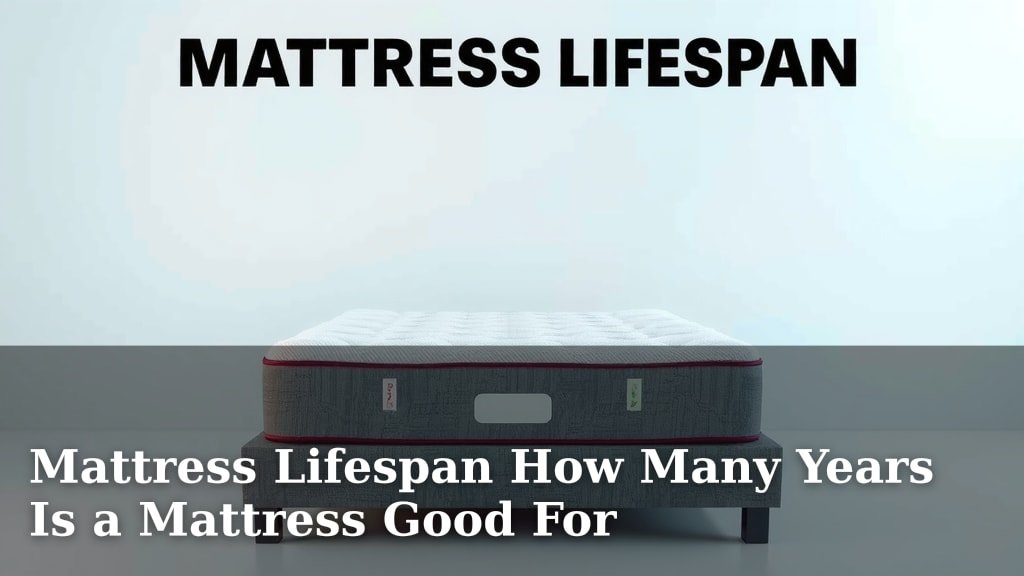
Mattress Lifespan How Many Years Is a Mattress Good For
You’re probably wondering, “How many years is a mattress good for?” Most mattresses last between 7 to 10 years. This lifespan can vary based on the type of mattress and how well you care for it.
A good mattress is an investment in your sleep and overall well-being. Knowing its expected lifespan helps you plan for replacements. We found that factors like mattress material and sleeping habits play a big role.
TL;DR:
- Mattresses typically last 7-10 years.
- Quality and materials affect how long it holds up.
- Proper care can extend its life.
- Consider replacing if you have pain or poor sleep.
Ready to figure out if your current mattress is still doing its job? Let’s dive into the details to help you decide.
Understanding Your Mattress’s Lifespan
So, how long can you actually expect your mattress to hold up? Generally, most mattresses are designed to last between 7 to 10 years. This is a good baseline to keep in mind as you think about sleep quality and comfort. Of course, this number can shift quite a bit depending on several factors we’ll cover.
Think of your mattress like a trusty old pair of shoes. They serve you well for a time, but eventually, they start to show wear and tear. Your mattress is no different! We’ve found that understanding its expected life helps you plan for replacements and ensure you’re always getting the best rest possible. It’s an important investment in your health.
Factors Influencing Mattress Durability
Your mattress’s longevity isn’t just about time passing. Many things contribute to how well it ages. From the materials it’s made from to how you use it, everything plays a role. We’ve looked into what makes one mattress last longer than another.
Material Matters: What’s Inside Your Mattress?
The type of material used in your mattress significantly impacts its lifespan. Different foams, springs, and fibers age and degrade at different rates. Knowing your mattress’s core components can give you clues about its expected performance.
- Innerspring mattresses: These often have a lifespan of around 6-8 years. The coils can sag or break over time, leading to less support.
- Memory foam mattresses: High-density memory foam can last 8-10 years or even longer. Lower-density foams may degrade faster.
- Latex mattresses: Natural and synthetic latex are known for their durability, often lasting 10-15 years. They tend to hold their shape well.
- Hybrid mattresses: These combine coils and foam layers. Their lifespan is typically between 7-10 years, blending the durability of springs with the comfort of foam.
Your Sleep Habits and Usage
How you and your partner sleep can also affect your mattress. Are you a heavy sleeper? Do you tend to move around a lot? Do you often sit on the edge of the bed? These habits can create pressure points that wear down the mattress faster.
For example, if you regularly sit on the edge of your mattress, the perimeter can become compressed. This might lead to a feeling of the mattress sagging sooner than expected. We found that even small changes in how you use your bed can make a difference over time.
Body Weight and Sleeping Position
Body weight is another factor experts often point to. Heavier individuals might experience more pressure on the mattress, potentially causing wear and tear to happen a bit quicker. Similarly, certain sleeping positions can concentrate pressure on specific areas of the mattress.
We’ve seen that sleeping on your side, for instance, can put more pressure on the hips and shoulders. Over years, this can lead to indentations if the mattress doesn’t have adequate support. Research suggests mattress firmness and material can help mitigate these effects for different body types and sleeping styles (Cleveland Clinic).
Signs Your Mattress Needs Replacing
Beyond the calendar, your body often tells you when it’s time for a new mattress. If you’re experiencing discomfort, it’s a strong signal. Don’t wait for it to become a chronic issue!
Changes in Your Sleep Quality
Are you waking up more often? Is it harder to fall asleep or stay asleep? A mattress that’s past its prime often fails to provide the support and comfort you need. We found that a dip in sleep quality is one of the most common indicators.
You might feel like you’re not getting restful sleep anymore. Perhaps you toss and turn more than usual. These subtle changes can add up, impacting your energy levels throughout the day. It’s your body’s way of telling you something isn’t right.
Physical Aches and Pains
Waking up with a sore back, stiff neck, or achy joints? This is a classic sign that your mattress is no longer supporting your body properly. The spine needs to maintain its natural alignment during sleep, and a worn-out mattress can prevent this (NIH).
Your mattress should cushion pressure points, not create them. If you notice pain that disappears once you get out of bed, your mattress might be the culprit. Many experts agree that consistent pain upon waking is a clear call for a mattress replacement.
Visible Signs of Wear and Tear
Sometimes, the signs are right there for you to see. Does your mattress have noticeable lumps or bumps? Are there visible sags or dips, especially in the center? These are clear indicators that the internal support system is failing.
You might also see torn fabric, frayed edges, or stains that won’t come out. These aren’t just cosmetic issues; they often signal that the mattress is no longer structurally sound. Look for areas where the mattress feels softer or less supportive than it used to.
Allergies or Respiratory Issues
Over time, mattresses can accumulate dust mites, allergens, and dead skin cells. This can be a problem for allergy sufferers or those with respiratory conditions. If you’ve noticed an increase in sneezing, coughing, or congestion, especially in the morning, your mattress might be contributing.
We found that some mattress materials are naturally more resistant to allergens. If you’re prone to allergies, choosing a hypoallergenic mattress and maintaining it well can help. Replacing an old mattress can sometimes lead to a noticeable improvement in allergy symptoms (CDC).
Extending Your Mattress’s Life
The good news is you can often get more life out of your mattress with a little bit of care. Simple steps can help maintain its support and comfort for longer.
Using a Mattress Protector
A waterproof mattress protector is a game-changer. It shields your mattress from spills, sweat, and body oils, which can degrade materials over time and attract allergens. Think of it as a barrier that keeps your mattress cleaner and fresher.
We highly recommend using one from day one. It’s an inexpensive way to protect your investment. Plus, they’re much easier to wash than a whole mattress!
Regular Cleaning and Maintenance
Beyond the protector, giving your mattress a good clean now and then can help. Vacuuming it regularly removes dust and debris. For deeper cleaning, spot-treat stains promptly according to the manufacturer’s instructions.
You can also air out your mattress occasionally. Simply removing your bedding and letting it breathe can help dissipate moisture. This is especially helpful in humid climates.
Rotating and Flipping (When Applicable)
Many modern mattresses are designed to be used on one side only. However, if you have a flippable mattress or one that can be rotated, doing so regularly can help distribute wear evenly. Check your mattress’s manual for specific recommendations.
We found that rotating your mattress head-to-toe every 3-6 months can prevent certain areas from bearing too much weight. This simple act can make a noticeable difference in how long your mattress retains its shape and support.
Ensuring Proper Support
Your mattress needs a solid foundation. Whether it’s a box spring, a slatted base, or an adjustable frame, make sure it’s providing adequate support. An old or broken foundation can cause your mattress to sag prematurely.
We’ve seen that using the wrong type of base can void your mattress warranty. Always check the manufacturer’s guidelines to ensure your bed frame is suitable. A good foundation is key to supporting your mattress and, by extension, your body.
By understanding these factors and taking good care of your mattress, you can ensure you’re getting the most out of your sleep investment for years to come. But when the time comes, knowing the signs will help you make a healthy choice for your well-being.
Conclusion
You now know that your mattress likely has a lifespan of 7 to 10 years. We’ve seen that factors like material type, your sleep habits, and how you care for it all play a role in its durability. Pay attention to your body for signs like aches, pains, or disrupted sleep – these are your mattress’s way of telling you it’s time for a change. By using a protector, cleaning regularly, and rotating your mattress, you can extend its life and ensure better sleep. When you notice those telltale signs, don’t delay in finding a new mattress that will support your well-being for years to come.
Frequently Asked Questions
How often should I rotate my mattress?
You should aim to rotate your mattress head-to-toe every 3 to 6 months. This helps distribute wear evenly across the surface. Check your manufacturer’s guide, as some mattresses are not designed to be rotated.
Can a mattress protector really extend my mattress’s life?
Yes, a good mattress protector is essential. It shields your mattress from spills, sweat, and body oils that can degrade materials and attract allergens. This simple step can significantly prolong its comfort and hygiene.
What’s the difference in lifespan between foam and spring mattresses?
Generally, high-density memory foam and latex mattresses tend to last longer, often 8-15 years. Traditional innerspring mattresses typically have a shorter lifespan of about 6-8 years due to coil wear.
If my mattress is still comfortable, do I really need to replace it?
Even if a mattress still feels comfortable, it might not be providing proper spinal alignment. Worn-out support can lead to aches and pains over time. It’s wise to replace it if you notice declining sleep quality or new physical discomfort.
Are expensive mattresses always more durable?
Not necessarily. While higher-quality materials often contribute to durability, price isn’t the only factor. A well-made mattress from a reputable brand, regardless of price point, can offer good longevity if cared for properly.

![7 Best Mattress For Your Buck [2026]](https://homeunderstandable.com/wp-content/uploads/2026/06/7-best-mattress-for-your-buck-2026-featured-768x432.jpg)
![What Is The Best Twin Mattress for Kids [In 2026]](https://homeunderstandable.com/wp-content/uploads/2025/08/Best-Mattress-for-Side-Sleepers-with-Shoulder-and-Hip-Pain-1.jpg)