
Air Purifier Coverage: How Many Square Feet
The area an air purifier can cover depends mostly on its CADR rating. This rating tells you how quickly it cleans the air in a specific room size. You’ll often see coverage listed in square feet, usually ranging from under 200 to over 1,000 sq ft.
Choosing the right size is important for cleaner air. A purifier that’s too small won’t do much. One that’s too big might be overkill and waste energy. We found that matching the purifier’s power to your room’s square footage is key for best results.
- Air purifier coverage is measured in square feet.
- CADR (Clean Air Delivery Rate) is the main factor.
- Match the purifier size to your room size.
- A good fit means cleaner air efficiently.
Let’s walk through exactly how to figure out the right size for your space so you can breathe easier.
You’ve got the basics from our intro: air purifier coverage is measured in square feet, and the CADR rating is your main clue. But how do you translate that number into the perfect fit for your home? Let’s break down how to make sure your air purifier works its hardest for you.
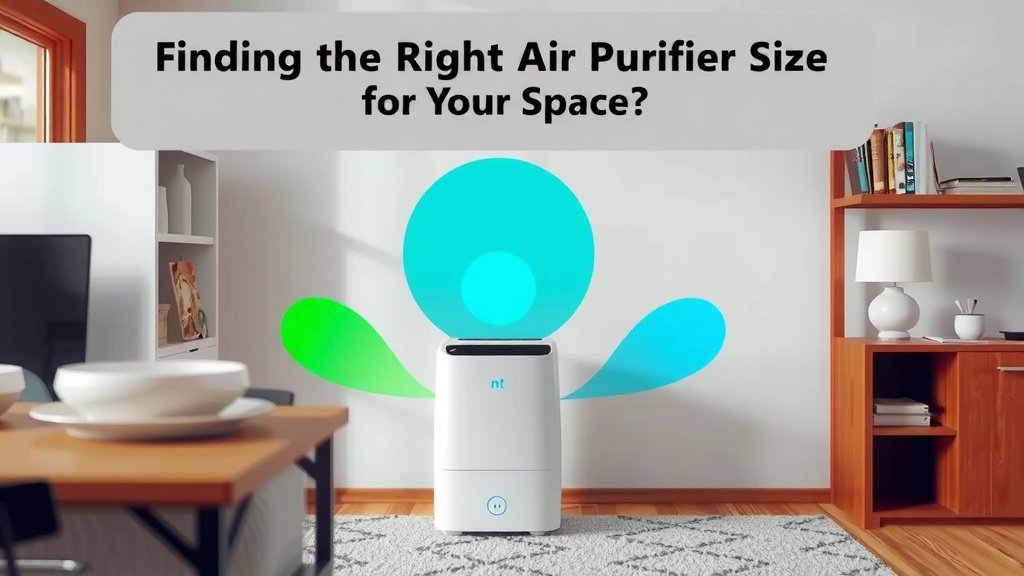
Finding the Right Air Purifier Size for Your Space
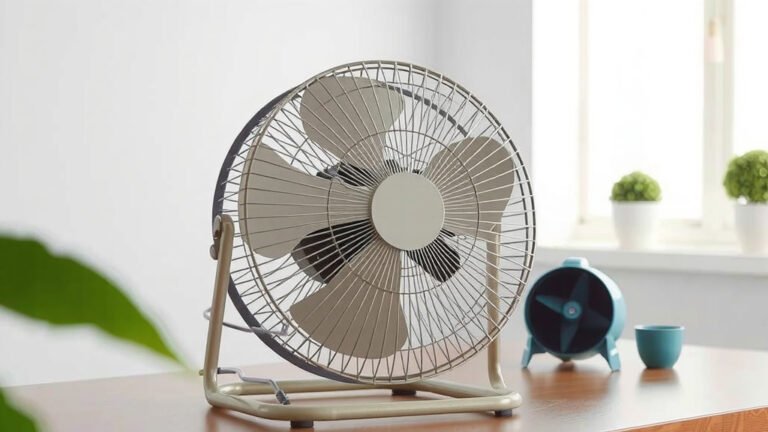
Think of an air purifier like a fan for your air. It has to work hard enough to cycle all the air in a room. If it’s too small, it’s like trying to cool a whole house with a tiny desk fan. It’s just not going to happen efficiently.
We found that most manufacturers aim for a certain number of air changes per hour (ACH). This means how many times the purifier can clean all the air in a room within an hour. For general use, aiming for 4 to 5 ACH is often recommended by experts (Association of Home Appliance Manufacturers).
Understanding CADR: Your Key Measurement
CADR stands for Clean Air Delivery Rate. It’s a standardized way to measure how effectively an air purifier removes particles like smoke, dust, and pollen from the air. You’ll usually see three CADR ratings for an air purifier: smoke, dust, and pollen. The higher the number, the faster it cleans.
But how does this connect to room size? Generally, a higher CADR means the purifier can handle a larger room or clean a smaller room more quickly. Many air purifiers will state a recommended room size based on their CADR ratings.
How Room Size Affects Air Purifier Performance
So, you’re looking at a purifier that says it covers 500 square feet. Does that mean it’s perfect for your 500-square-foot bedroom? Mostly, yes. But there are a few things that can affect this.
Consider the layout of your room. An open-concept living area might need a bit more power than a similarly sized bedroom with walls. High ceilings also mean more air volume. If your room is unusually shaped or has many partitions, you might need to size up.
We also found that the placement of the purifier matters. Putting it in a corner might restrict airflow. Ideally, you want to place it where air can circulate freely around it.
Calculating Your Room’s Square Footage
This is the easy part! To calculate the square footage of a rectangular room, you just need two measurements: its length and its width. Multiply the length by the width.
For example, if your room is 10 feet wide and 15 feet long, its area is 10 x 15 = 150 square feet. If you have an irregularly shaped room, break it down into smaller rectangular or square sections, calculate the area of each, and then add them together.
| Room Description | Length (ft) | Width (ft) | Area (sq ft) |
|---|---|---|---|
| Bedroom | 12 | 15 | 180 |
| Living Room | 20 | 18 | 360 |
| Home Office | 10 | 12 | 120 |
Matching Purifier Coverage to Your Needs
Once you know your room’s square footage, you can start matching it to air purifier specifications. Most manufacturers provide a coverage area or a “room size” recommendation on their packaging or product pages. This is usually based on achieving a certain ACH, often 2 ACH for whole-house coverage or 4-5 ACH for bedrooms and primary living spaces.
Many sources recommend choosing a purifier with a coverage area that is at least as large as your room, and often slightly larger. For instance, if your room is 300 square feet, looking for a purifier rated for 300-500 square feet is a good starting point.
Why a Little Extra Power Can Help
You might wonder, “Should I just get the biggest one I can find?” Not necessarily, but a little buffer is often a good idea. If a purifier is rated for 400 sq ft and your room is 350 sq ft, it will work fine. But if your room is 380 sq ft, it might struggle a bit more.
Choosing a purifier that’s rated for a slightly larger space means it won’t have to run at its maximum speed all the time. This can lead to quieter operation and potentially a longer lifespan for the unit. It also gives you some wiggle room if air quality concerns are higher some days than others.
Considering ACH for Optimal Air Cleaning
We touched on ACH earlier, but it’s worth diving into a bit more. The effectiveness of an air purifier is also about how *often* it cleans the air. An air purifier that covers a large area but only exchanges the air once an hour might not be as effective as a smaller one that exchanges the air five times an hour in a smaller space.
For critical areas like bedrooms or spaces where people spend a lot of time, aiming for 4-5 ACH is often recommended. For less critical areas, 2-3 ACH might be sufficient. Always check the specifications for ACH if it’s listed, or infer it from the CADR and recommended room size. Many guidelines suggest 5 air changes per hour for optimal pollutant removal (EPA).
What if You Have Multiple Rooms to Cover?
This is a common question. Can one big air purifier handle your entire floor? In most cases, no. Air purifiers are designed for localized room purification. While some claim “whole-house” coverage, this usually means they are powerful enough to handle a very large open space or can be effective when placed in a central area with good airflow to adjacent rooms. However, they won’t purify air in closed-off rooms effectively.
For true whole-home coverage, you often need multiple units. You can strategically place them in the rooms where you spend the most time, like bedrooms, living rooms, and home offices. Some advanced systems integrate with HVAC to filter air throughout the entire house, but these are typically much more expensive and complex.
Key Factors to Remember for Purifier Size
When you’re sizing up an air purifier, keep these points in mind. They’ll help you make the best choice for your home and your budget.
- Know your square footage: Measure your room accurately.
- Check the CADR: Look for the Clean Air Delivery Rate.
- Match to recommended room size: Ensure it aligns with your space.
- Consider ACH: Aim for 4-5 ACH for best results in bedrooms.
- Don’t be afraid of a little extra: Slightly larger coverage can be beneficial.
- Think about multiple rooms: You might need more than one unit.
By paying attention to these details, you’ll be well on your way to selecting an air purifier that delivers clean air exactly where you need it. It’s all about finding that sweet spot between power, efficiency, and your specific home environment.
Conclusion
You’ve learned that finding the right air purifier coverage for your space is all about understanding your room’s square footage and its CADR rating. Remember, a purifier that’s too small will struggle to keep up, while one that’s too large might be inefficient. Aiming for a purifier rated for your room size, or even slightly larger, can ensure quieter operation and better air cleaning. Check the ACH rating too, especially for bedrooms, aiming for 4-5 changes per hour for optimal results. Now, take those measurements and start looking for a purifier that will truly make your air cleaner.
Frequently Asked Questions
Can one air purifier cover multiple rooms?
Generally, air purifiers are designed for single-room use. While a powerful unit in an open-concept space can help circulate air to adjacent areas, it won’t effectively purify air in closed-off rooms. For true whole-home coverage, you’ll likely need multiple units placed strategically.
What’s the difference between CADR and room size rating?
CADR (Clean Air Delivery Rate) is the scientific measurement of how quickly a purifier cleans smoke, dust, and pollen. The room size rating you see advertised is a manufacturer’s recommendation based on that CADR, often calculated to achieve a certain number of air changes per hour (ACH) in a typical room.
How do high ceilings affect air purifier coverage?
Rooms with high ceilings have a larger volume of air. This means an air purifier might need to work harder or a higher-rated unit might be necessary to achieve the recommended air changes per hour compared to a room with standard ceilings of the same square footage.
Is it better to get an air purifier rated for a larger room than I need?
Yes, often it is. Choosing a purifier with a coverage area slightly larger than your room ensures it doesn’t have to run at maximum speed constantly. This can lead to quieter operation, a longer lifespan for the unit, and more effective air cleaning, especially during times of high pollution.
How often should an air purifier change the air in a room?
For general use, 2-3 air changes per hour (ACH) is often sufficient. However, experts recommend aiming for 4-5 ACH in bedrooms and living spaces where you spend the most time. This ensures pollutants are removed more frequently for better air quality.
![5 Best Air Purifier for HVAC System [In 2026]](https://homeunderstandable.com/wp-content/uploads/2025/06/best-air-purifier-for-hvac-system-enhance-indoor-air-quality-effortlessly-768x768.jpg)