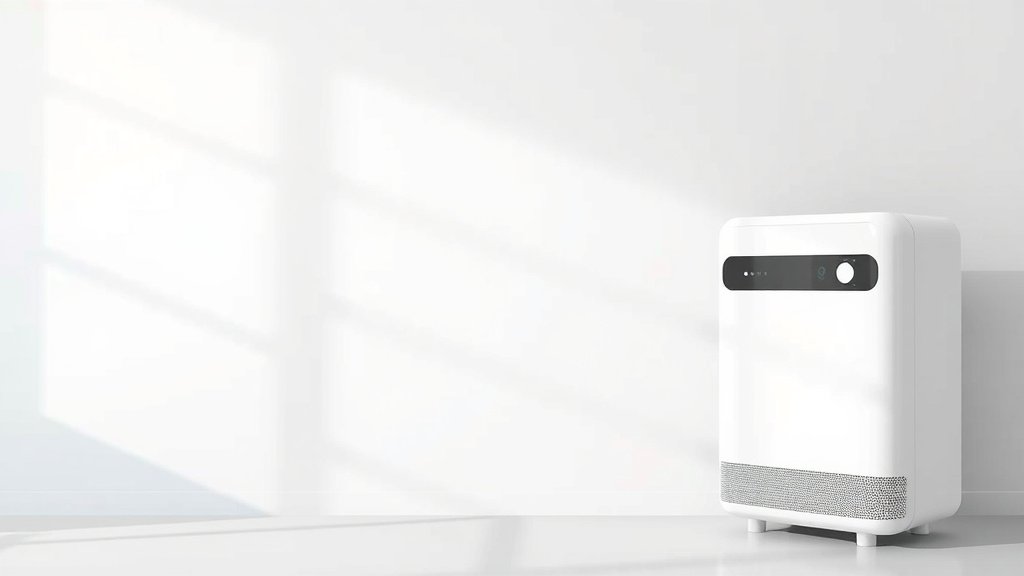
How Much Dust Do Air Purifiers Actually Remove
Air purifiers can remove a significant amount of dust from your home. They work by trapping airborne particles, including dust, pollen, and pet dander, in their filters. Properly functioning air purifiers are very effective at reducing dust levels, especially in rooms where they are placed.
The effectiveness of an air purifier depends on several factors. This includes its CADR rating (Clean Air Delivery Rate) and the type of filter it uses. A higher CADR means it cleans the air faster. HEPA filters are widely considered the best for capturing fine dust particles.
- Air purifiers actively capture dust and other small particles.
- Their dust removal capability depends on filter type and fan speed.
- HEPA filters are excellent for trapping very fine dust.
- Regular filter maintenance is key to sustained dust removal.
Let’s walk through exactly how much dust you can expect your air purifier to tackle and what affects its performance.
How Much Dust Can Air Purifiers Actually Capture?
You’re probably wondering just how effective an air purifier is when it comes to tackling the dust bunnies in your home. The good news is, they can make a real difference. Think of an air purifier as a diligent housekeeper for your air. It actively pulls in air, traps particles, and releases cleaner air back into your room. This process directly removes dust from circulation, meaning less dust settling on your furniture and floors.
The amount of dust an air purifier removes depends on several key factors. It’s not just a matter of “plug it in and forget it.” We need to consider the machine’s power and the quality of its filters. A powerful unit with top-notch filters will naturally do a better job. We’ll break down what these factors mean for you and your home’s dust levels.
Understanding Air Purifier Performance Metrics
When you’re looking at air purifiers, you’ll see terms like CADR. This stands for Clean Air Delivery Rate. It’s a standardized way to measure how quickly an air purifier can clean the air in a room. Essentially, it tells you how much clean air the unit produces per minute for specific pollutants like dust, pollen, and smoke.
The Importance of CADR for Dust Removal
For dust removal, you’ll want to pay attention to the dust CADR rating. A higher dust CADR means the purifier is more efficient at capturing larger dust particles. For example, a CADR of 200 means the purifier can deliver 200 cubic feet of clean air per minute. This is a good indicator of its overall power and ability to process a lot of air.
The Association of Home Appliance Manufacturers (AHAM) provides CADR ratings. They test purifiers to give you a benchmark. It helps you compare different models. We found that a purifier with a CADR that matches or exceeds the square footage of your room is a good starting point. For instance, if you have a 300 sq ft living room, look for a CADR of at least 300.
Filter Types: The Heart of Dust Capture
The type of filter inside your air purifier is absolutely critical. Not all filters are created equal when it comes to trapping dust. The most talked-about and generally most effective filter type for capturing fine particles, including dust, is the HEPA filter.
True HEPA Filters: The Gold Standard
A True HEPA filter is designed to capture at least 99.97% of airborne particles that are 0.3 microns in size. Why is this important for dust? Dust itself is made up of various particles, and many of these fall within or are even smaller than the 0.3-micron range. This includes fine dust, pollen, pet dander, and mold spores.
We found that filters that aren’t “True HEPA” might claim to capture a high percentage of particles but don’t meet the stringent 0.3-micron standard. Always look for the “True HEPA” label. This ensures you’re getting a filter that can capture the tiny dust components you can’t even see.
Other Filter Technologies for Dust
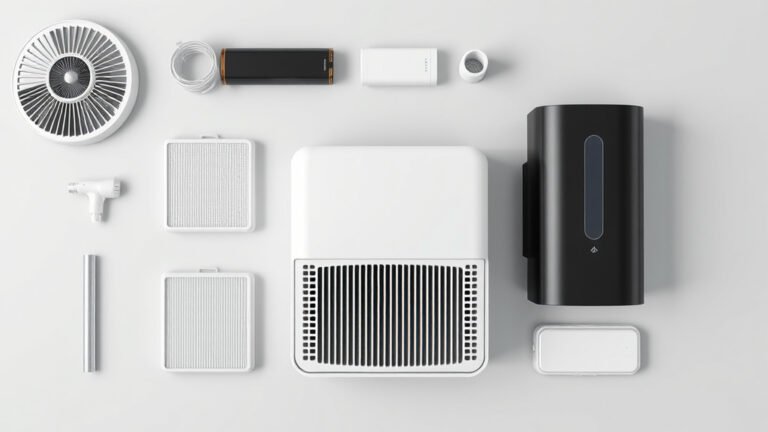
Beyond HEPA, some purifiers use pre-filters. These are typically washable and capture larger particles like visible dust, hair, and lint. This protects the main HEPA filter, extending its life. Activated carbon filters are also common. They are great for odors and VOCs, but they don’t do much for dust particles themselves. They work best in conjunction with a HEPA filter.
How Much Dust Can You Realistically Expect to See Removed?
So, what does this all mean for the amount of dust removed? An air purifier, especially one with a good CADR and a True HEPA filter, can dramatically reduce the amount of airborne dust in your living space. Instead of dust constantly circulating and settling, it gets captured by the filter.
Imagine a room where dust is always visible, even after you’ve cleaned. With an air purifier running consistently, you’ll likely notice less dust settling on surfaces between cleanings. This doesn’t mean all dust disappears instantly, but the overall dust load in the air is significantly lessened.
Factors Influencing Dust Removal Rates
Several things affect how much dust your air purifier can capture:
- Room Size: An air purifier works best when it’s sized appropriately for the room. A small unit in a large room will struggle to keep up.
- Run Time: For optimal dust reduction, the purifier needs to run for extended periods. Continuous operation is key to catching dust before it settles.
- Filter Condition: A clogged filter can’t capture dust effectively. Dirty filters restrict airflow and reduce performance.
- Airflow and Ventilation: Keeping windows closed while the purifier is on helps it work more efficiently. Open windows let in new dust.
We found that many users report a noticeable decrease in visible dust within a few days of using a properly sized air purifier. This is especially true in bedrooms where they often spend a lot of time. It’s about managing the problem, not necessarily eliminating every single dust mote forever.
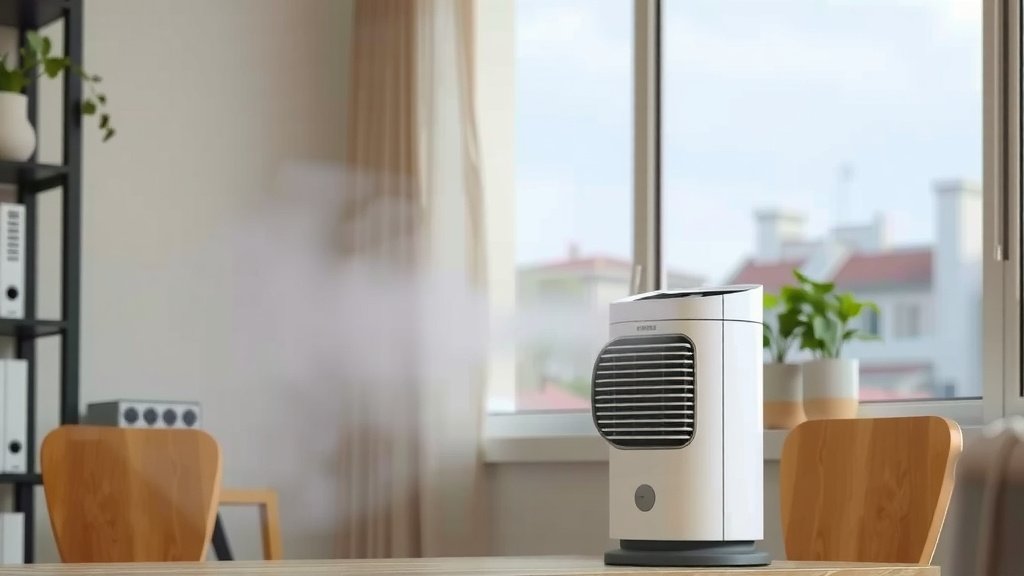
Maintaining Your Air Purifier for Peak Dust Capture
To ensure your air purifier continues to remove dust effectively, maintenance is key. Neglecting this step is like giving your housekeeper a mop but never letting them rinse it out – not very useful!
The Role of Filter Replacement and Cleaning
HEPA filters are not permanent. They need to be replaced periodically. How often depends on the manufacturer’s recommendations and the air quality in your home. If you have pets or live in a dusty area, you might need to replace them more frequently. Pre-filters, if your unit has them, are often washable. Regular cleaning of the pre-filter can extend the life of your main HEPA filter.
When it’s time to replace your HEPA filter, don’t delay. A saturated filter can no longer trap new dust and can even start to release trapped particles back into the air. This defeats the purpose of having the purifier in the first place. Check your air purifier’s manual for specific guidance on filter replacement schedules (Mayo Clinic).
Cleaning the Unit Itself
Beyond the filters, the exterior of the air purifier can also accumulate dust. Gently wipe down the casing and intake grills with a soft, dry cloth. This prevents dust from building up and potentially being drawn into the unit and re-circulated.
Keeping your air purifier clean and its filters up-to-date is the best way to ensure it’s working hard to remove dust from your air. It’s a simple routine that pays off with cleaner, fresher air.
Here’s a quick checklist to keep your air purifier performing its best:
- Check your manual for filter replacement frequency.
- Replace HEPA filters as recommended, typically every 6-12 months.
- Wash pre-filters regularly if your unit has them.
- Wipe down the exterior of the unit with a dry cloth.
- Ensure the purifier is placed in a room size it’s designed for.
Conclusion
You’ve learned that air purifiers can significantly reduce dust in your home. By understanding metrics like CADR and prioritizing True HEPA filters, you can choose a unit that effectively tackles airborne dust. Remember that regular maintenance, including filter replacement and cleaning, is key to keeping your air purifier working at its best. Consistent use and proper sizing for your room will ensure you enjoy cleaner air and notice less dust settling around your home. Take the step today to invest in cleaner air by selecting the right purifier for your needs.
Frequently Asked Questions
Will an air purifier get rid of all the dust in my house?
An air purifier will greatly reduce the amount of airborne dust. It captures dust particles that are actively circulating in the air. However, it won’t remove dust that has already settled on surfaces. Regular dusting and cleaning are still important.
How often should I run my air purifier for dust removal?
For the best dust removal results, you should aim to run your air purifier continuously, especially in rooms where you spend the most time. This ensures dust is captured before it has a chance to settle heavily on surfaces.
Can an air purifier help with allergies caused by dust?
Yes, absolutely. By capturing fine dust particles, an air purifier can help alleviate allergy symptoms triggered by dust, pollen, and pet dander. A True HEPA filter is particularly effective for this purpose.
Does the size of the room really matter for dust capture?
Yes, room size is very important. An air purifier works best when its CADR rating is matched to the square footage of the room. Using a unit that’s too small for a large room means it won’t capture dust effectively.
What happens if I don’t replace the air purifier filter?
If you don’t replace the filter, it will become clogged with dust. A full filter reduces airflow and can no longer capture new particles efficiently. In some cases, it might even release trapped dust back into the air.