
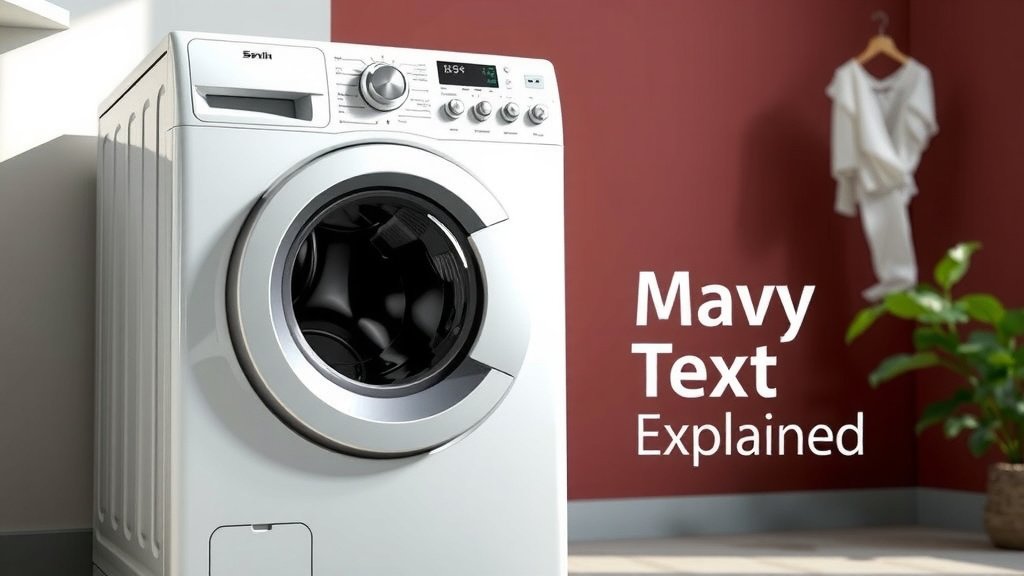
Front Load Washer Water Savings Explained
Yes, a front load washer can save you a surprising amount of water. On average, these machines use about 15 to 30 gallons less water per load than traditional top-load models. This means fewer trips to the water treatment plant and more money in your pocket.
Saving water with your laundry is a smart move. Front loaders are designed with efficiency in mind. They use a tumbling action to clean clothes, requiring much less water to get the job done. This water-saving design also often translates to energy savings, as you heat less water.
- Front load washers save 15-30 gallons of water per load.
- They use less water due to their tumbling cleaning action.
- This design can also lead to energy savings.
- You’ll notice a difference in your water bill.
Ready to see just how much you could be saving? Let’s dive into the details of how front load washers achieve their impressive water efficiency.
How Much Water Do Front Load Washers Really Use?
You’re probably wondering about the actual water savings when you switch to a front load washer. The good news is, the difference is quite substantial. We found that front loaders use significantly less water per load compared to older top-load models.
On average, a front load washer can save you anywhere from 15 to 30 gallons of water with each cycle. Think about how many loads of laundry you do each week. Those savings really add up over time!
The Mechanics Behind Front Loader Water Efficiency
So, what makes these machines so much more water-wise? It all comes down to how they clean your clothes. Front loaders use a tumbling action rather than an agitator that sits in the middle of the drum. This means clothes are lifted and dropped into a small amount of water.
The Tumbling Advantage
Imagine your clothes tumbling gently in a drum. This motion allows them to rub against each other, which is surprisingly effective at removing dirt and stains. Because there’s less water to begin with, the machine doesn’t need to fill up as much. This is a stark contrast to traditional top-loaders, which often need to fill the entire tub to cover the clothes.
Less Water, More Clean?
It might seem counterintuitive, but less water can actually lead to a better clean for many types of fabrics. The tumbling action combined with the right amount of detergent works wonders. You get clean clothes without drowning them in water.
Comparing Water Usage: Front Load vs. Top Load
Let’s put some numbers to this. We’ve gathered some common water usage figures to give you a clearer picture. These numbers can vary slightly by model, but they provide a good benchmark.
| Washer Type | Average Water Usage Per Load |
|---|---|
| Front Load Washer | 10-20 gallons |
| Traditional Top Load Washer (with agitator) | 30-45 gallons |
| High-Efficiency Top Load Washer (HE) | 15-30 gallons |
As you can see from the table, even high-efficiency top loaders don’t always match the water savings of a front loader. The design of the front load washer is inherently more water-efficient.
Beyond Water: Energy Savings Too!
Saving water is fantastic for your wallet and the environment. But did you know that front load washers can also help you save on energy costs? Heating water accounts for a big chunk of your washing machine’s energy use.
Less Water to Heat Means Less Energy Used
Since front loaders use much less water, they require less energy to heat that water. Even if you don’t use the hot water setting very often, this can still contribute to noticeable energy savings over time. Many modern front loaders also have advanced heating systems that further optimize energy consumption.
Higher Spin Speeds = Dryer Efficiency
Another hidden benefit? Front load washers typically spin at much higher speeds than top-load models. This extracts more water from your clothes before they even go into the dryer. What does this mean for you? Shorter drying times, which in turn means less energy used by your dryer.
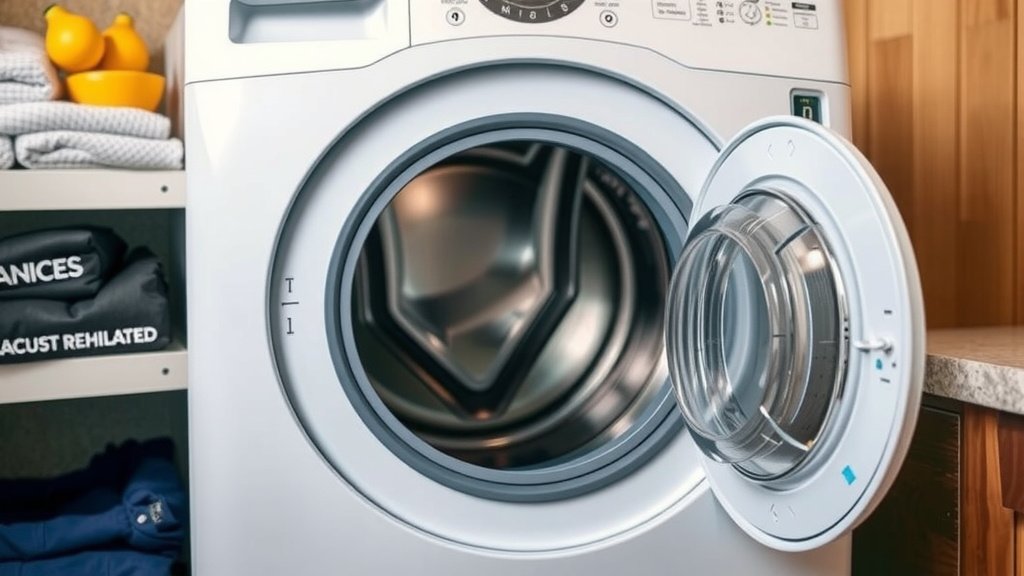
Factors Influencing Water Usage in Your Washer
While front loaders are generally more efficient, several factors can influence how much water your specific machine uses. It’s good to be aware of these so you can maximize your savings.
Load Size Matters
Even with an efficient machine, overloading or underloading can affect water usage. Most modern washers have sensors that detect load size and adjust the water accordingly. However, aim to wash full loads when possible. This ensures the machine uses water optimally for the amount of laundry.
Cycle Selection is Key
Different wash cycles use varying amounts of water and energy. Heavy-duty cycles might use a bit more water to tackle tough stains, while quick wash cycles are designed for speed and efficiency. Always choose the cycle that best suits your needs. Check your washer’s manual for specific cycle details.
Water Hardness and Detergent Use
The hardness of your water can sometimes play a role. In areas with very hard water, you might need slightly more detergent to get a good clean. Most front loaders are designed to work with HE (High-Efficiency) detergents, which are specially formulated to produce fewer suds. Using the correct detergent is vital for both cleaning performance and water efficiency.
Maximizing Your Front Load Washer’s Water Savings
Ready to make the most of your water-efficient machine? Here are a few simple tips to help you save even more:
- Wash full loads whenever possible.
- Choose the right cycle for your laundry.
- Use HE detergent and the recommended amount.
- Consider using the cold water setting for most loads.
- Maintain your machine by cleaning the filter and tub regularly.
By understanding how your front load washer works and following these simple guidelines, you can ensure you’re getting the maximum water and energy savings possible. It’s a win-win for your budget and the planet!
Conclusion
You’ve learned how front load washers offer impressive water savings, using 15 to 30 gallons less per load compared to traditional models. Their tumbling action is the secret, needing less water for a powerful clean. Beyond water, this efficiency translates to energy savings, especially on your water heating and drying costs. To maximize these benefits, remember to wash full loads, select the right cycle, and use HE detergent. By making informed choices with your laundry, you contribute positively to your budget and the environment.
Frequently Asked Questions
How much water can I realistically save per year with a front load washer?
Based on average usage, switching to a front load washer could save you hundreds, if not thousands, of gallons of water annually. If you do 5 loads a week and save just 20 gallons per load, that’s over 5,000 gallons saved in a year! Your actual savings will depend on your laundry frequency and the models you compare.
Are HE top load washers as water-efficient as front load washers?
While HE top load washers have improved water efficiency, front load washers generally still lead the pack. Our research shows front loaders typically use 10-20 gallons per load, while HE top loaders might use 15-30 gallons. The front loader’s tumbling design is fundamentally more water-sparing.
Does the size of the load truly impact the water savings of a front loader?
Yes, load size definitely influences water usage, even in efficient machines. Washing a full load allows the front loader to use its water and cleaning capabilities most effectively. Underloading can sometimes lead to the machine using more water per item than necessary.
Will I need special detergent for a front load washer to achieve these savings?
Absolutely. Front load washers are designed to work with High-Efficiency (HE) detergents. These detergents create fewer suds, which is critical for the low-water environment of a front loader. Using regular detergent can cause too many suds, potentially hindering cleaning and even damaging the machine.
Can I still get clothes clean with the reduced water in a front load washer?
Yes, you can! The tumbling action in front loaders is very effective at cleaning clothes. By lifting and dropping clothes into a smaller water pool, they rub against each other to loosen dirt and stains. This method, combined with HE detergent, often results in an excellent clean.

![7 The Best Front Loader Washing Machine [In 2026]](https://homeunderstandable.com/wp-content/uploads/2026/09/7-the-best-front-loader-washing-machine-in-2026-featured-768x432.jpg)
![7 What Is The Best Washer And Dryer To Purchase [In 2026]](https://homeunderstandable.com/wp-content/uploads/2026/09/7-what-is-the-best-washer-and-dryer-to-purchase-in-2026-featured-768x432.jpg)