How Often to Clean Your Air Purifier for Best Results
Ready to breathe easier in 2026? Keeping your air purifier in top shape is crucial, and that means a regular maintenance schedule. Aim to give that pre-filter a good clean at least monthly, and take a peek at your HEPA filter while you’re at it. For the main event, most brands recommend swapping it out every 6 to 12 months, factoring in how much you use it and your local air quality. Don’t let dust win – neglecting these simple steps can seriously tank your purifier’s performance.
Keeping your air purifier in top shape isn’t just about breathing easier. It’s about ensuring you’re getting the most bang for your buck and that the device is actually trapping pollutants, not just recirculating them. We’ve found that consistent, simple maintenance makes a huge difference in performance.
- Clean your pre-filter monthly.
- Check main filters around the same time.
- Replace HEPA filters every 6-12 months.
- Listen for changes in fan noise.
- Dust the exterior often.
Let’s break down exactly what you need to do to keep your air purifier running smoothly.
Your Air Purifier’s Cleaning Schedule Explained
Keeping your air purifier running efficiently means knowing when and how to clean its different parts. We found that a consistent maintenance routine is key. This schedule will help you get the best performance from your device.
Understanding Your Air Purifier’s Components and Their Needs
Your air purifier has several parts that need attention. The pre-filter and the main filters are the most important for air quality. Knowing their roles helps you understand why they need regular cleaning or replacement.
The Humble Pre-Filter: Your First Line of Defense
Think of the pre-filter like a welcome mat for your air purifier. It’s the first layer that catches the big stuff. This includes larger particles like pet hair, lint, and dust bunnies. Because it catches these bigger items, it gets dirty relatively fast. If you skip cleaning it, these particles can clog up your main filters. This makes them work harder and less effectively.
We found that cleaning the pre-filter is usually a quick and easy task. Most pre-filters are washable. You can often just rinse them under cool water or gently vacuum them. Some might even be safe for a washing machine cycle, but always check your manual first. Doing this monthly prevents bigger problems down the line.
The Main Filters: The Heart of the Operation
This is where the real magic happens. Your air purifier likely has one or more main filters. These are often HEPA filters, which are designed to capture very fine particles. We’re talking about things like pollen, mold spores, and even some bacteria. The effectiveness of these filters depends heavily on keeping them clean and replacing them on schedule.
HEPA Filters: What You Need to Know
HEPA stands for High-Efficiency Particulate Air. For a filter to be certified as HEPA, it must remove at least 99.97% of airborne particles 0.3 microns in size. This is incredibly small! Many experts say that regular cleaning of the pre-filter helps preserve the life of your HEPA filter (Mayo Clinic).
However, HEPA filters themselves are usually not washable. Trying to wash them can damage the delicate fibers. Instead, they need to be replaced. The frequency of replacement varies. Many manufacturers suggest a replacement every 6 to 12 months. This timeframe can change based on how much you use your purifier and the air quality in your home. If you live in a dusty area or have pets, you might need to replace them sooner.
Activated Carbon Filters: Absorbing Odors and Gases
Many air purifiers also include activated carbon filters. These filters work by adsorption, which is a process where gases and odors stick to the surface of the carbon. This is great for removing smells from cooking, smoke, or pets. Unlike HEPA filters, activated carbon filters cannot be cleaned effectively. Their ability to trap odors diminishes over time. Therefore, they also need to be replaced, often at the same time as your HEPA filter.
Establishing Your Air Purifier Maintenance Routine
Creating a routine makes air purifier maintenance feel less like a chore. It helps ensure your device is always working its best. Let’s break down the key tasks and their recommended frequencies.
Monthly Check-Ups: The Essential Tasks
Once a month, you should perform a few quick checks. The most important is cleaning the pre-filter. As we discussed, this prevents larger debris from reaching your more sensitive filters. You should also take a moment to inspect your main filters. Look for any visible dust buildup or discoloration on the HEPA filter. This gives you an idea of how much work your purifier is doing.
Mid-Year Replacements: Keeping Filters Effective
Around the 6-month mark, you should be thinking about replacing your filters. This is a good general guideline, but it’s not a hard rule. We found that some manufacturers recommend replacements every 3 months, while others suggest up to 12 months. Always consult your air purifier’s manual for the most accurate information.
When it’s time to replace, make sure you use the correct filter model for your specific air purifier. Using the wrong filter can reduce performance or even damage your unit. Purchasing genuine replacement filters from the manufacturer is often recommended to ensure compatibility and effectiveness.
The Exterior Matters Too!
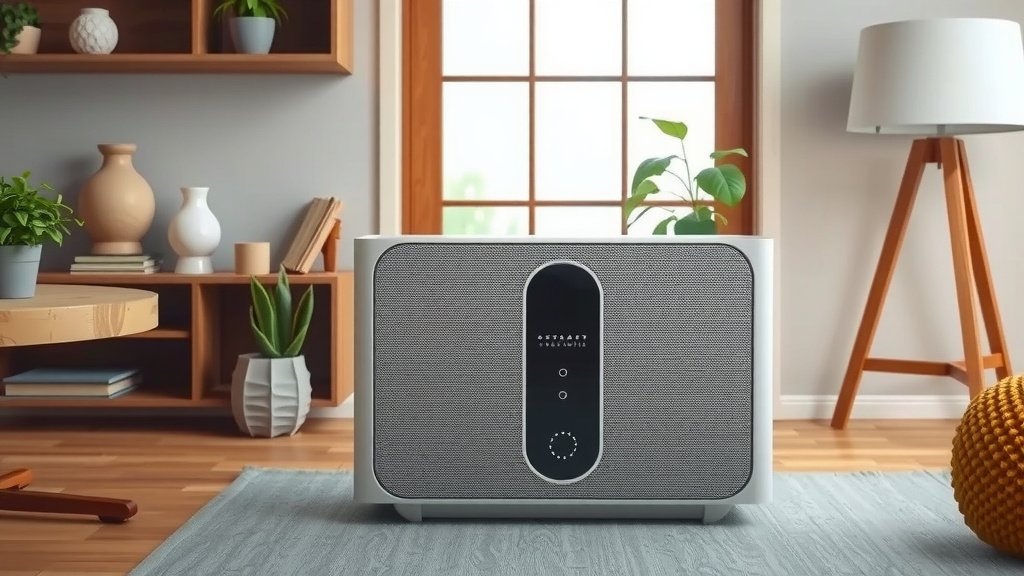
Don’t forget the outside of your air purifier. Dust can settle on the exterior and the vents. This can block airflow, making your purifier less efficient. A quick wipe-down with a dry or slightly damp cloth should be sufficient. We recommend doing this whenever you’re doing your monthly filter check. It takes only a minute or two.
Signs Your Air Purifier Needs Attention
Sometimes, your air purifier will give you hints that it needs cleaning or a filter change. Paying attention to these signs can save you from dealing with a poorly performing unit.
Listening to Your Air Purifier
Has your air purifier started making more noise than usual? A sudden increase in fan noise or a change in the sound it makes can indicate a problem. This is often because the fan has to work harder to pull air through clogged filters. It’s like trying to breathe through a blocked nose; it takes more effort! If you notice this, it’s a good sign it’s time for a filter check or replacement.
Visible Performance Changes
Another clue is a decrease in the air quality you experience. Are you noticing more dust settling around your home? Are odors lingering longer? These could be signs that your air purifier isn’t working as effectively as it should. This usually points to a clogged or old filter. Think of it like a sponge that’s full – it can’t soak up any more water.
Here’s a quick checklist to keep you on track:
- Clean the pre-filter: Monthly
- Vacuum or wipe down the exterior: Monthly
- Inspect main filters for dirt: Monthly
- Check filter indicator lights (if applicable): As they appear
- Replace HEPA and carbon filters: Every 6-12 months (or as per manual)
- Listen for unusual noises: Immediately investigate
Conclusion
You’ve learned that keeping your air purifier effective is simple with a consistent routine. Cleaning the pre-filter monthly and replacing main filters every 6-12 months are key steps. Don’t forget to wipe down the exterior too! Paying attention to unusual noises or performance changes will alert you when it’s time for maintenance.
Make cleaning your air purifier a habit, just like other home chores. Your effort ensures you’re always breathing cleaner, healthier air. Take a moment today to check your purifier’s manual and schedule your first monthly cleaning!
Frequently Asked Questions
How often should I wash my air purifier’s pre-filter?
You should aim to clean your air purifier’s pre-filter at least once a month. This washable layer catches large particles like pet hair and lint. Regular cleaning prevents these from clogging your main filters, keeping your unit efficient.
Can I clean my HEPA filter, or do I need to replace it?
HEPA filters are designed for high-efficiency particle capture and are generally not washable. Trying to clean them can damage the delicate fibers. You will need to replace your HEPA filter, typically every 6 to 12 months, depending on usage and air quality.
My air purifier is making a loud noise. What does that mean?
An increase in noise often means your fan is working harder. This usually happens when the filters are clogged with dust and debris. It’s a clear sign that you should check and likely clean or replace your air purifier’s filters.
How do I know when it’s time to replace the activated carbon filter?
Activated carbon filters trap odors and gases. Their effectiveness decreases over time as they become saturated. If you notice lingering smells or that your purifier isn’t removing odors as well, it’s likely time to replace the carbon filter, usually along with your HEPA filter.
Should I clean the outside of my air purifier?
Yes, you should clean the exterior of your air purifier regularly. Dust can settle on the unit and block the vents, reducing airflow and efficiency. A quick wipe-down monthly, perhaps when you clean the pre-filter, is usually sufficient.
![5 Best Air Purifier for Outdoor Adventures [In 2026]](https://homeunderstandable.com/wp-content/uploads/2025/05/best-air-purifier-for-outdoor-adventures-ultimate-odor-eliminator-guide-768x432.jpg)