How Often Should You Run Your Air Purifier for Best Results
In 2026, with our homes becoming even smarter and our awareness of indoor air quality at an all-time high, the question of how often to run your air purifier is crucial. While the old advice often leaned towards continuous operation for peak performance, we’re diving deep into what truly delivers the best results for *your* environment. We’ll explore how consistent filtration tackles everything from pet dander to urban smog, ensuring your living space remains a breath of fresh air, no matter your circumstances.
While running it all the time is generally recommended, there are times you might adjust the settings. Think about when you need it most, like when cooking or when pollen counts are high. Some purifiers also have smart modes that can help you save energy. We found that understanding your specific needs can guide how you use it.
- Run it 24/7 for optimal air cleaning.
- Consider adjusting settings based on your needs.
- Smart modes can help save energy.
- Continuous use is best for allergies and pets.
Below, we’ll break down exactly how often you should run your air purifier, considering different scenarios to help you breathe easier.
You’ve got your shiny new air purifier. Now you’re wondering, “How often should this thing actually be running?” It’s a great question, and the simple answer is: **as often as possible**. Many experts and manufacturers suggest continuous operation for the best results. Think of it like your refrigerator; you wouldn’t turn it off and on throughout the day, right? It needs to run constantly to keep things fresh and safe. Your air purifier works similarly to keep your indoor air clean and healthy.
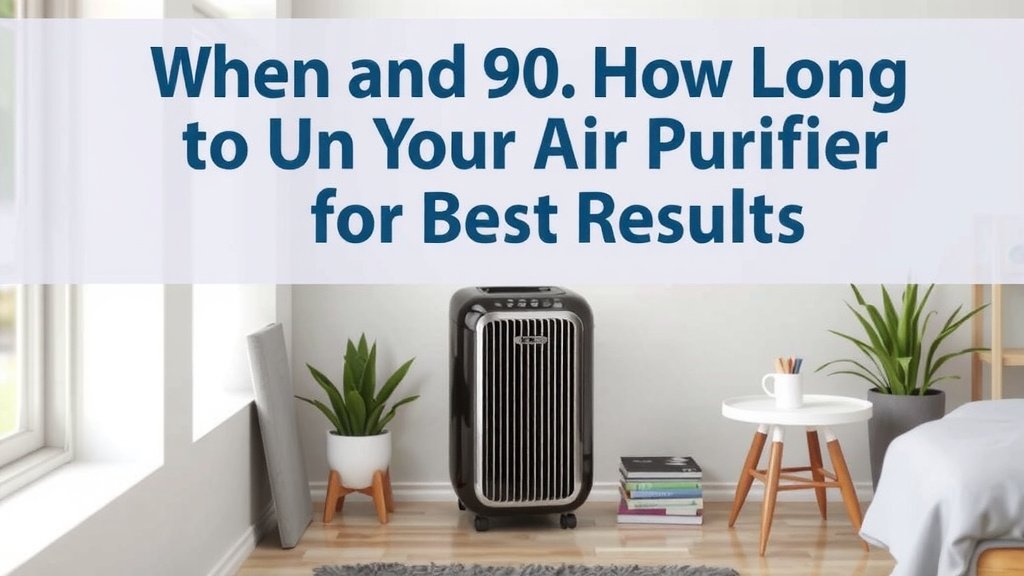
When and How Long to Run Your Air Purifier
Running your air purifier 24/7 is generally the most effective approach. This consistent operation ensures that pollutants are removed from your air without interruption. It’s like having a silent guardian for your home’s air quality.
Continuous Operation for Optimal Air Quality
So, why all the fuss about running it constantly? Well, indoor air can become polluted very quickly. Dust, pet dander, cooking fumes, and even outdoor pollution can enter your home. A purifier running non-stop catches these particles as they circulate. This is especially important if you or someone in your household suffers from allergies or asthma. We found that consistent use helps to minimize allergen exposure.
Understanding Different Usage Scenarios
While 24/7 is ideal, we know life happens. Sometimes you might want to adjust your purifier’s schedule or settings. Let’s look at some common situations:
Daily Use vs. Intermittent Operation
For most homes, especially those with pets or where cooking is frequent, daily use is a must. Think about it: your dog or cat is shedding all day. You’re cooking meals every evening. These activities introduce particles into the air. Continuous operation means these are dealt with immediately. Intermittent use might be okay in very low-pollen environments with no pets and minimal cooking odors. However, we found that daily, continuous use offers the most benefits.
When Specific Air Quality Events Occur
Certain events warrant extra attention from your air purifier. We found that using your purifier more intensively during these times can make a big difference:
- High Pollen Days: When pollen counts are high, you’ll want your purifier running on high. This helps capture those pesky allergens before they bother you.
- Cooking Smells and Smoke: After cooking, especially strong-smelling or smoky meals, run your purifier to clear the air. Some models have a specific “smoke” setting for this.
- After Guests Leave: If you’ve had a house full of people, running the purifier can help clear out airborne particles they may have introduced.
- During Cold and Flu Season: To help reduce the spread of airborne viruses, keeping your purifier running consistently is a good idea. Many guidelines suggest good ventilation and air cleaning for respiratory health (CDC).
Using Timers and Smart Modes
Many modern air purifiers come with helpful features like timers and smart modes. These can allow you to customize operation without sacrificing air quality entirely. A timer can be set to run the purifier for certain hours of the day. Smart modes often use sensors to detect air quality and adjust fan speed automatically. This means it runs on high when needed and quieter, lower settings when the air is clean. We found that these modes are great for balancing air purification with energy savings.
Factors Influencing Your Air Purifier’s Run Time
Several factors can help you decide how often to run your air purifier. Your specific living situation plays a big role. Let’s break them down.
Your Home Environment and Occupants
Do you have pets? Pets are a major source of dander and odors. Running your purifier 24/7 is almost essential if you want to keep these allergens under control. What about family members? If anyone in your home has allergies, asthma, or other respiratory issues, continuous operation is highly recommended. Cleaner air can mean fewer symptoms and better overall health. We found that people with respiratory conditions benefit greatly from consistent air filtration.
Outdoor Air Quality
Where you live matters, too. If you’re in an area prone to wildfires, heavy pollution, or dust storms, your indoor air can be compromised. In these situations, running your air purifier continuously is crucial. Even with windows closed, pollutants can seep in. The purifier acts as a second line of defense. Many health organizations recommend air filtration when outdoor air quality is poor (EPA). You can check local air quality reports to guide your decision.
Energy Consumption and Costs
We all want clean air, but nobody wants a sky-high energy bill. Newer air purifiers are designed to be more energy-efficient. Running a purifier 24/7 does use electricity, but the cost is often less than you might expect. Many models use as much energy as a small light bulb. If energy efficiency is a major concern, utilize the timer and smart modes. You can also choose a unit with a low wattage rating. We found that the energy cost for continuous operation is often a small price to pay for healthier air.
Here’s a quick guide to help you decide:
| Situation | Recommendation | Notes |
|---|---|---|
| Allergies/Asthma | Run 24/7 | Continuous cleaning is key for symptom relief. |
| Pets in Home | Run 24/7 | Removes dander and odors constantly. |
| Frequent Cooking/Odors | Run 24/7 or use during/after cooking | Clears smells and smoke effectively. |
| Poor Outdoor Air Quality | Run 24/7 | Filters out pollutants that enter the home. |
| General Use/Peace of Mind | Run 8-12 hours daily or 24/7 | Choose based on preference and energy goals. |
| Energy Saving Focus | Use Timers/Smart Modes | Operate when needed most, e.g., overnight. |
Filter Maintenance and Replacement
Don’t forget about your filters! An air purifier is only as good as its filters. Clogged or old filters can’t capture pollutants effectively and can even reduce airflow. Most manufacturers recommend checking or replacing filters every 6 to 12 months, depending on usage and the type of filter. Some purifiers have indicator lights to let you know when it’s time. We found that regular filter maintenance is just as important as how often you run the unit.
Your Personal Comfort Level
Ultimately, you should run your air purifier in a way that makes you feel comfortable and confident about your air quality. If you have a highly sensitive individual in your home or are particularly concerned about airborne particles, running it 24/7 is your best bet. If you’re more relaxed about it, using timers or smart modes might be sufficient. We found that the most important thing is to find a rhythm that works for your lifestyle and provides you with peace of mind.
To help you get started, here’s a simple checklist:
- Assess your needs: Do you have allergies, pets, or live in a polluted area?
- Consider your environment: What is your typical indoor and outdoor air quality like?
- Check manufacturer recommendations: Always consult your purifier’s manual.
- Set a schedule: Decide if continuous or timed operation is best.
- Maintain filters: Schedule regular filter checks and replacements.
- Listen to your air: Adjust settings based on how your air feels and smells.
Conclusion
So, how often should you run your air purifier? For the cleanest air possible, running it 24/7 is your best bet. This consistent filtration helps manage allergens, pet dander, and pollutants day in and day out. We found that this continuous operation is particularly beneficial for those with allergies or respiratory conditions. Remember to consider your unique needs, like cooking habits or outdoor air quality, and utilize smart modes or timers if energy savings are a priority. Your next step? Check your air purifier’s manual for specific recommendations and set a reminder to maintain those filters for optimal performance.
Frequently Asked Questions
Will running my air purifier all the time increase my electricity bill a lot?
While running your air purifier 24/7 does use electricity, many modern units are quite energy-efficient. We found that the cost is often comparable to running a small light bulb. If you’re still concerned about energy usage, utilize smart modes or timers to optimize operation without sacrificing air quality.
Can I just run my air purifier when I’m home?
You can run your air purifier only when you’re home, especially if energy savings are a priority. However, we discovered that pollutants can accumulate even when you’re out. For optimal results, especially with pets or allergies, continuous operation is recommended, but intermittent use can still offer benefits.
Is it better to run my air purifier on high all the time?
Running your air purifier on high consistently provides the fastest air cleaning but can be noisy and use more energy. Many experts suggest using a medium or auto setting for 24/7 operation, switching to high only during specific events like cooking or high pollen days. Smart modes can manage this automatically for you.
How often should I clean or replace my air purifier filters?
Filter maintenance is key! Most manufacturers recommend checking or replacing filters every 6 to 12 months, depending on your usage and the type of filter. Some units have indicator lights to remind you. We found that clogged filters significantly reduce your purifier’s effectiveness.
Should I run my air purifier in every room?
Ideally, you’d want an air purifier in each room where you spend the most time, like bedrooms and living areas. If you only have one unit, place it in the room where air quality concerns are highest or where most people spend their time. For 24/7 operation, moving a single unit between rooms isn’t practical, so consider your main living space.