How Often Should I Change My Bed Mattress? A Complete Guide to Getting Better Sleep
Let me ask you something: when was the last time you actually thought about your mattress? I mean really thought about it? Most of us spend nearly a third of our lives sleeping, yet we hardly give our mattresses the consideration they deserve. Your bed is basically your personal sleep sanctuary, and if it’s not doing its job properly, well, everything else suffers.
The truth is, knowing when to replace your mattress can be a game-changer for your sleep quality, your health, and even your wallet in the long run. In this guide, I’m going to walk you through everything you need to know about mattress replacement, the signs that tell you it’s time for an upgrade, and some practical tips to extend your mattress’s lifespan.
The General Timeline: When Should You Replace Your Mattress?
So here’s the straightforward answer: most sleep experts recommend replacing your mattress every seven to ten years. But before you think this is a one-size-fits-all rule, hold on. This timeline can vary quite a bit depending on several factors like the mattress quality, how often you use it, your body weight, and how well you maintain it.
Think of your mattress like a car. A luxury vehicle with proper maintenance might last longer than a budget model that gets neglected. The same principle applies to your bed. A high-quality mattress that receives good care might easily last ten to twelve years, while a cheaper option might start falling apart after five or six years.
Why Seven to Ten Years?
This timeframe exists for a reason. After about seven years, most mattresses begin to lose their structural integrity. The foam breaks down, springs lose their bounce, and the overall support system starts to deteriorate. It’s not that your mattress suddenly becomes unusable on day 2,555, but rather it gradually loses its ability to provide the proper support your spine needs.
Signs That Your Mattress Needs Replacing Right Now
Sometimes you won’t need to wait seven years. Your mattress might be sending you obvious signals that it’s time to go. Let me break down the most common warning signs you should never ignore.
You’re Waking Up With Aches and Pains
This is probably the most telling sign. If you’re consistently waking up with back pain, neck stiffness, or joint soreness, your mattress might be the culprit. A supportive mattress should cradle your body and keep your spine aligned throughout the night. When it fails to do this, your muscles work overtime to compensate, leaving you sore and exhausted.
Here’s the interesting part: sometimes you don’t even realize how bad your mattress is until you sleep somewhere else. Have you ever noticed how good you feel after sleeping on a hotel mattress? That’s often because quality mattresses provide superior support.
Visible Sagging and Indentations
Take a look at your mattress in daylight. Do you see permanent body impressions? Can you spot sagging in certain areas, particularly where you sleep most? This is a dead giveaway that the internal materials have compressed unevenly and lost their ability to provide consistent support.
A slight body impression is normal and actually expected. But when you can clearly see where you’ve been sleeping, or when the mattress doesn’t bounce back properly, you’ve got a problem on your hands.
You’re Experiencing Increased Allergies or Respiratory Issues
Over time, mattresses accumulate dust mites, dead skin cells, and other allergens. Even with regular cleaning, an old mattress becomes a breeding ground for these irritants. If you’ve noticed your allergies worsening at night or your asthma flaring up, your mattress might be the reason why.
- Dust mites thrive in older mattresses
- Dead skin cells accumulate over years
- Mold and mildew can develop in mattresses with moisture exposure
- These allergens can trigger respiratory problems
The Mattress Makes Noise When You Move
Do you hear creaking, squeaking, or popping sounds every time you shift positions? This usually indicates that the internal coils or springs have deteriorated or lost their tension. Metal components breaking down mean your mattress isn’t providing proper support anymore.
You’re Not Sleeping Well Anymore
Sometimes the problem is subtler. You might not have specific pain, but you’re tossing and turning all night. You wake up frequently. You just don’t feel rested in the morning. A worn-out mattress can absolutely cause sleep disruption, even if you can’t pinpoint exactly why.
Factors That Affect Mattress Lifespan
Not every mattress degrades at the same rate. Several variables influence how long yours will actually last.
Quality of the Mattress
This is obvious but important. A premium memory foam mattress from a reputable brand will outlast a bargain basement option every single time. Higher quality materials simply hold up better under regular use. When you invest in a better mattress upfront, you’re often buying yourself extra years of good sleep.
Your Body Weight
I’m not here to judge anyone, but physics is physics. Heavier individuals place more stress on mattress materials, which causes faster breakdown. A mattress that lasts ten years for a lighter person might only last seven years for someone heavier. If you’re on the heavier side, you might want to look for mattresses specifically designed with reinforced support.
How Often the Bed Is Used
A guest room mattress that gets used a few times a year will last much longer than a master bedroom mattress that supports two people every single night. The more use your mattress gets, the faster it will wear out. It’s that simple.
Environmental Factors
Where you live matters. High humidity environments accelerate mattress deterioration because moisture promotes mold growth and material breakdown. Temperature fluctuations can also affect foam and coil integrity. Additionally, if your bedroom isn’t well-ventilated, your mattress will absorb more moisture from sweat and humidity.
Maintenance and Care
How you treat your mattress directly impacts its lifespan. Regular vacuuming, using a mattress protector, rotating the mattress, and keeping it dry all contribute to extended longevity. Neglecting these simple steps can shave years off your mattress’s life.
Different Mattress Types and Their Lifespans
Not all mattresses are created equal. Different materials have different durability profiles.
Innerspring Mattresses
Traditional coil mattresses typically last about five to seven years. The springs gradually lose their tension, and the padding breaks down. These are usually the most affordable option but also tend to have the shortest lifespan. Budget-friendly doesn’t always mean cost-effective when you’re replacing it sooner.
Memory Foam Mattresses
Memory foam beds generally last between eight and ten years. Quality memory foam is quite durable and maintains its shape well. However, cheaper memory foam can compress prematurely. The investment in a better brand often pays dividends in longevity.
Latex Mattresses
If you want longevity, latex is your friend. Natural latex mattresses can last twelve to fifteen years or even longer. They’re resistant to sagging, dust mites, and degradation. The trade-off is that they’re more expensive upfront, but when you calculate the cost per year of use, they often come out ahead.
Hybrid Mattresses
Hybrid mattresses combine coils with foam layers. They typically last between eight and ten years, similar to quality memory foam options. They often provide a nice balance between comfort and durability.
Adjustable Air Mattresses
These specialty mattresses tend to last around eight to ten years for the bed frame and structure, though the air chamber itself might need replacement sooner. They’re great for people who like customizable firmness levels.
How to Extend Your Mattress’s Lifespan
Want to get more years out of your current mattress? Here are practical steps you can take starting today.
Use a Mattress Protector
This is the single best investment you can make. A quality mattress protector shields your bed from spills, stains, sweat, dust mites, and allergens. It’s like giving your mattress a suit of armor. Most decent protectors cost thirty to fifty dollars, which is a tiny fraction of what you’ll spend on a new mattress.
Rotate Your Mattress Regularly
Every three months, rotate your mattress 180 degrees. Some people also flip it, though this depends on your mattress type. Rotation promotes even wear and prevents the development of permanent body impressions in the same spots. It’s a simple step that can add years to your mattress’s life.
Keep Your Mattress Clean
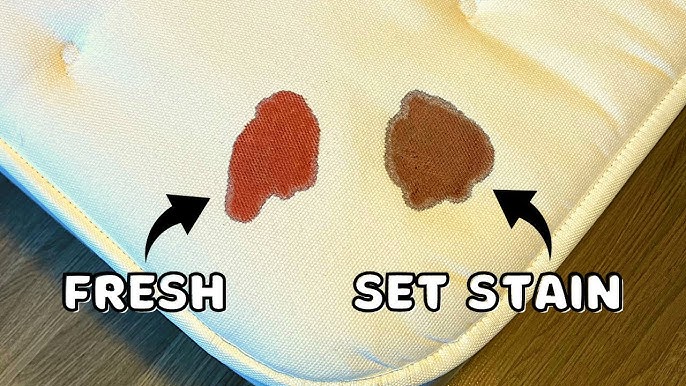
Vacuum your mattress monthly with an upholstery attachment. If you spot spills, blot them immediately and allow the mattress to air dry. For stubborn odors, baking soda left overnight before vacuuming works wonders. Keeping your mattress clean also reduces allergens and extends its lifespan.
Ensure Proper Ventilation
Make sure your bedroom gets adequate airflow. Open windows when weather permits. Use a ceiling fan or space heater to improve circulation. Good ventilation reduces moisture accumulation and prevents the growth of mold and mildew in your mattress.
Support Your Mattress Properly
Your mattress needs a solid foundation to perform well. An old, sagging bed frame or box spring can accelerate mattress deterioration. Ensure your mattress sits on a sturdy, appropriately designed base. A cheap frame isn’t actually economical if it ruins your mattress.
Control Your Sleeping Environment
Keep your bedroom temperature moderate and humidity levels balanced. Excessive heat and moisture accelerate material breakdown. A cool, dry bedroom isn’t just more comfortable for sleeping; it’s also better for your mattress longevity.
Budget Considerations: When to Replace vs. When to Repair
Sometimes a mattress has minor issues that can be fixed. Other times, replacement is the only option. Let’s talk about when you should consider each.
Small Issues You Can Live With or Fix
If your mattress has a few minor indentations but otherwise feels supportive, you might be fine continuing to use it. A new mattress protector and a mattress topper can add comfort and extend usability. Small squeaks from the frame can often be fixed with tightening hardware or adding lubricant.
When Replacement Makes Financial Sense
If your mattress is approaching or past the eight-year mark and showing multiple signs of wear, replacement is usually smarter than repair. A new mattress is a long-term investment in your health and sleep quality. Poor sleep costs you money in reduced productivity, potential health issues, and lower quality of life.
Choosing Your Next Mattress
When replacement time comes, don’t just grab whatever’s on sale. This decision will affect you for the next eight to ten years, so it deserves some thought.
Consider Your Sleep Style
Are you a side sleeper, back sleeper, or stomach sleeper? Do you sleep hot or cold? Do you share your bed? Your sleeping habits should guide your mattress selection. Side sleepers typically need more cushioning, while back sleepers benefit from firmer support.
Test Before Buying
Spend at least fifteen to twenty minutes testing mattresses in the store. Some retailers offer trial periods, which is excellent because it lets you sleep on it for thirty to one hundred nights before committing.
Invest in Quality
A better mattress costs more upfront, but when you calculate the cost per night over its lifespan, it often equals out to less than a poor quality option you’ll replace sooner. Quality also typically comes with better warranties and durability.
Common Mattress Myths Debunked
Before we wrap up, let me clear up some misconceptions about mattress replacement.
Myth: Flipping Your Mattress Doubles Its Lifespan
This isn’t really true. Flipping can help with even wear if you have a two-sided mattress, but most modern mattresses are one-sided. Rotation is far more beneficial than flipping. Check your manufacturer’s recommendations.
Myth: A Firmer Mattress Is Always Better
Not everyone needs the same firmness. What matters is proper support for your particular spine alignment. A mattress that’s too firm can be just as problematic as one that’s too soft.
Myth: You Can Make an Old Mattress Feel New With a Topper
A good topper can add comfort, but it can’t restore lost support. If your mattress lacks proper structural integrity, a topper is a temporary band-aid, not a solution.
The Health Impact of Sleeping on an Old Mattress
This is worth emphasizing: an old, worn-out mattress directly affects your health. Poor sleep quality contributes to weight gain, weakened immune function, increased stress and anxiety, and higher risk of chronic diseases. When you think about it this way, investing in a new mattress isn’t an expense; it’s an investment in your health.
Conclusion
So, how often should you change your bed mattress? In most cases, you’re looking at every seven to ten years, but this can vary based on mattress quality, your lifestyle, and how well you maintain it. The key is to pay attention to the warning signs your mattress sends you. Waking up sore, spotting visible sagging, experiencing increased allergies, or simply sleeping poorly are all legitimate reasons to start shopping for a replacement.
Don’t wait until your mattress is completely useless. The sweet spot for replacement is usually right when you start noticing consistent issues but before your sleep quality has suffered for months. Taking care of your current mattress with proper rotation, protection, and cleaning can extend its life, but nothing lasts forever.
Remember, you spend roughly one-third of your life sleeping. That’s a huge portion of your existence. Your mattress plays a crucial role in whether that time is spent resting and recovering or tossing and turning uncomfortably. When the time comes for a replacement, treat it as the important purchase it truly is. Your body will thank you, and your overall quality of life will improve.
Frequently Asked Questions
How do I know if my mattress is too old to keep using?
The most reliable signs are consistent morning pain or stiffness, visible sagging, audible creaking or squeaking, and worsening sleep quality. If your mattress is past eight years and showing any of these symptoms, it’s time to shop for a replacement. Additionally, if you’re experiencing increased allergies despite cleaning, the mattress has likely accumulated too many irritants.
Can I restore my mattress’s firmness without replacing it?
To some extent, yes. A high-quality mattress topper can add firmness and comfort temporarily. However, this is only a solution if your mattress still has good structural integrity. If the base mattress has lost its support due to foam breakdown or

![What Is The Best Mattress For Heavy People On A Budget [In 2026]](https://homeunderstandable.com/wp-content/uploads/2025/12/Best-Mattress-For-Heavy-People-On-A-Budget.jpg)
![7 Best Mattress Protector For Pee [2026]](https://homeunderstandable.com/wp-content/uploads/2026/07/7-best-mattress-protector-for-pee-2026-featured-768x432.jpg)
![What Is The Best Box Spring for Foam Mattress [In 2026]](https://homeunderstandable.com/wp-content/uploads/2025/06/best-box-spring-for-foam-mattress.jpg)