Honeywell Air Purifier Filter Change Frequency
You should change your Honeywell air purifier filters every 6 to 12 months, depending on the filter type and your home’s air quality. For HEPA filters, a good rule of thumb is about once a year. Activated carbon pre-filters often need replacing more frequently, sometimes every 3 to 6 months, to maintain peak purification performance.
Not changing your filters on time can lead to a noticeable drop in air quality. Dirty filters struggle to capture pollutants effectively. This can also put a strain on your air purifier’s motor, potentially shortening its lifespan. Regular filter changes are key to keeping your air fresh and your unit running smoothly.
- HEPA filters: Change roughly every 12 months.
- Activated carbon filters: Replace every 3-6 months.
- Check your specific model’s recommendations.
- Watch for indicator lights on your purifier.
- Consider pet dander and allergy seasons.
We know keeping track of filter changes can be tricky. Let’s dive into the specifics for your Honeywell air purifier so you can breathe easier, knowing you’re doing the best for your home’s air.
When to Replace Your Honeywell Air Purifier Filters
So, you’re wondering about your Honeywell air purifier’s filters. That’s a smart question! Keeping your filters fresh is key to breathing truly clean air. Most Honeywell filters need a change between six and twelve months. But this is just a general guideline. Several factors can speed up or slow down this timeline.
Think of your air purifier like a helpful housemate. It’s constantly working to keep your home’s air fresh. But even the best housemate needs a break and a refresh now and then. Its filters are like its lungs, capturing all sorts of tiny particles. When those lungs get clogged, they can’t do their job effectively.
Understanding Your Filter Types and Timelines
Honeywell air purifiers typically use a few different types of filters. Each type has its own lifespan. Knowing which filter is in your unit helps you predict when it’s time for a change.
The Mighty HEPA Filter
Your Honeywell likely has a HEPA filter. This is the superstar for capturing microscopic particles. We’re talking about dust mites, pollen, pet dander, and even some bacteria and viruses. These filters are designed to capture 99.97% of particles that are 0.3 microns in size. Because they work so hard, they generally last around 12 months with regular use.
However, if you live in a dusty area or have severe allergies, you might find your HEPA filter needs replacing sooner. Some guidelines suggest checking it every 6 months, even if you don’t replace it then. This helps you spot early signs of wear.
The Odor-Fighting Activated Carbon Filter
Many Honeywell models also feature an activated carbon or pre-filter. This filter is your first line of defense against odors and gases. It traps smoke, cooking smells, pet odors, and volatile organic compounds (VOCs). These filters can get saturated with odors and gasses faster than HEPA filters capture particles.
Because of this, activated carbon filters typically need replacing more often. We found that a good timeframe is usually every 3 to 6 months. If your home often smells like last night’s dinner or your furry friend, you might need to replace this filter even sooner.
Pre-Filters: The First Line of Defense
Some units have a washable pre-filter. This one catches the larger particles like hair and lint. It helps extend the life of your HEPA and carbon filters. Since it’s washable, you don’t replace it. You just need to clean it regularly. Many experts recommend rinsing or vacuuming your pre-filter at least once a month.
Factors That Influence Filter Lifespan
The general timelines are helpful, but your specific home environment plays a big role. Think about it: if you lived in a pristine, sterile environment, your filters would last much longer. Since that’s not reality for most of us, let’s look at what impacts filter life.
Your Home’s Air Quality
How clean is your air to begin with? Homes with more airborne pollutants will wear out filters faster. Things like living in a busy city, having an older home with potential drafts, or dealing with frequent dust can all contribute. If you notice increased dust settling on surfaces even after cleaning, your filters might be working overtime and need more frequent attention.
Pets and Allergies
Do you have furry friends? Pets are wonderful, but they also shed dander and can contribute to odors. If you have multiple pets, or pets that shed a lot, your filters will get clogged with dander and hair more quickly. Similarly, if anyone in your household suffers from allergies or asthma, you’ll want to maintain optimal filter performance. This means you might lean towards the shorter end of the recommended replacement schedule.
Household Habits and Activities
What goes on in your home? Cooking frequently, especially fried foods, can release particles and odors. Burning candles or incense, or even smoking indoors (which we strongly advise against for air quality!), will put a heavy load on your filters. High-traffic areas in your home might also generate more dust. All these activities can shorten the effective life of your filters.
Signs Your Honeywell Air Purifier Filters Need Changing
Your Honeywell air purifier is pretty smart, but sometimes you need to be its eyes and ears. Pay attention to these signs:
- Reduced Airflow: If you notice less air coming from the unit than usual, the filters are likely clogged.
- Unpleasant Odors: If the air purifier starts to smell musty or can’t seem to get rid of odors, the carbon filter is probably saturated.
- Visible Dirt/Discoloration: Take a peek at your filters. If they look visibly dirty, dusty, or discolored (especially the carbon filter turning gray/brown), it’s time for a change.
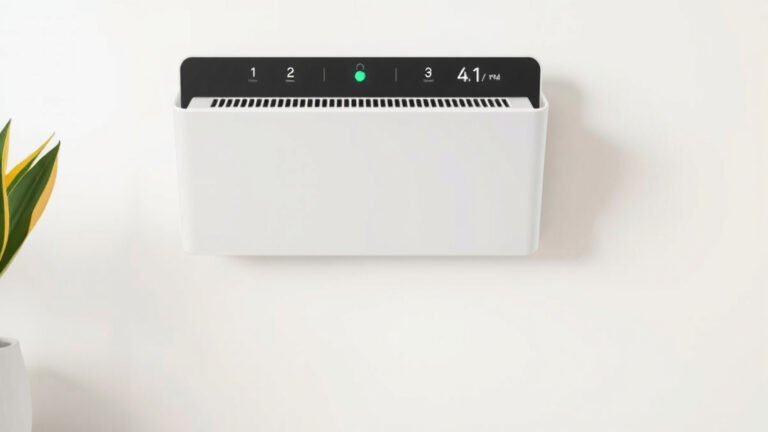
- Indicator Lights: Many Honeywell models have a filter change indicator light. Don’t ignore it! This is the most direct cue your purifier is giving you.
Making Filter Changes Easier
We know remembering is tough! Here’s a simple way to stay on top of it:
- Set a recurring reminder on your phone or calendar.
- Note the date of your last filter change on the purifier itself (with a marker on the back or side).
- Consider buying replacement filters in advance so you have them ready.
- Establish a routine, perhaps coinciding with spring cleaning or seasonal allergy shifts.
A Quick Comparison of Filter Lifespans
To make it super clear, here’s a handy table. Keep in mind these are estimates!
| Filter Type | Typical Lifespan | Factors Affecting Lifespan |
|---|---|---|
| HEPA Filter | ~12 months | Dust, pollen, pet dander, allergies, general air quality |
| Activated Carbon Filter | ~3-6 months | Cooking odors, smoke, pet smells, VOCs, household activities |
| Washable Pre-Filter | Monthly cleaning | Hair, large dust particles, lint |
Using your air purifier consistently means its filters are always working. This is great for your air quality! But it also means they’ll need replacing according to their usage. Clean air shouldn’t be a mystery, and knowing your filter schedule is a big step towards achieving that.
Conclusion
You’ve learned that changing your Honeywell air purifier filters regularly is essential for your home’s air quality. While HEPA filters generally last about a year, activated carbon filters often need attention every 3 to 6 months. Factors like pets, allergies, and your home’s general air quality will influence these timelines. Pay attention to your purifier’s signals, like reduced airflow or lingering odors, and use the handy comparison table to keep track.
Your next step is simple: check your current filter status. Set a reminder on your phone or mark your calendar today to ensure you’re always breathing the cleanest air possible. Your lungs will thank you!
Frequently Asked Questions
How often should I replace the HEPA filter in my Honeywell air purifier?
For most Honeywell air purifiers, you should plan to replace the HEPA filter roughly every 12 months. This timeline assumes typical household use. If you live in a particularly dusty environment or have severe allergies, you might consider checking it more frequently, perhaps every 6 months.
When do I need to change the activated carbon pre-filter?
Activated carbon pre-filters typically need replacing more often than HEPA filters, usually every 3 to 6 months. These filters work hard to tackle odors and gases. If your home frequently experiences cooking smells, pet odors, or smoke, you might need to replace this filter on the shorter end of that range.
Are there any signs my Honeywell air purifier filters are dirty, besides the indicator light?
Yes, absolutely! You might notice reduced airflow coming from your unit, meaning less air is being drawn through. Also, if you start smelling unpleasant or musty odors again, it’s a strong sign the carbon filter is saturated. Visibly dirty or discolored filters are also a clear indicator.
What if I run my Honeywell air purifier 24/7? Does that change the filter replacement schedule?
Running your air purifier continuously means the filters are always working hard. This can lead to them becoming saturated and less effective sooner. While the general guidelines are a good starting point, you might find you need to replace your filters on the shorter end of the recommended schedule if you use it non-stop.
Can I wash my Honeywell air purifier filters instead of replacing them?
Honeywell air purifiers often include a washable pre-filter designed to catch larger particles like hair and lint. This type of filter should be cleaned regularly, often monthly. However, HEPA and activated carbon filters are typically not washable and require replacement to maintain their effectiveness.