How Often to Change Dyson Air Purifier Filter: Your Guide
You’re probably wondering how often to change the filter in your Dyson air purifier. It’s recommended to change your Dyson air purifier filter **every 12 months** for optimal performance. This ensures your purifier continues to capture **fine particles** and keep your air fresh.
Keeping your Dyson filter clean is key to maintaining **clean air** in your home. A clogged filter can reduce airflow and make your purifier work harder. We found that regular filter changes are vital for its **long-term effectiveness** and your home’s air quality.
- Dyson filters typically need replacing **every year**.
- Check your purifier’s display for filter alerts.
- Using genuine Dyson filters is best.
- A clean filter means better **air purification**.
Let’s walk through what goes into knowing when it’s time for a new Dyson filter and how to do it right.
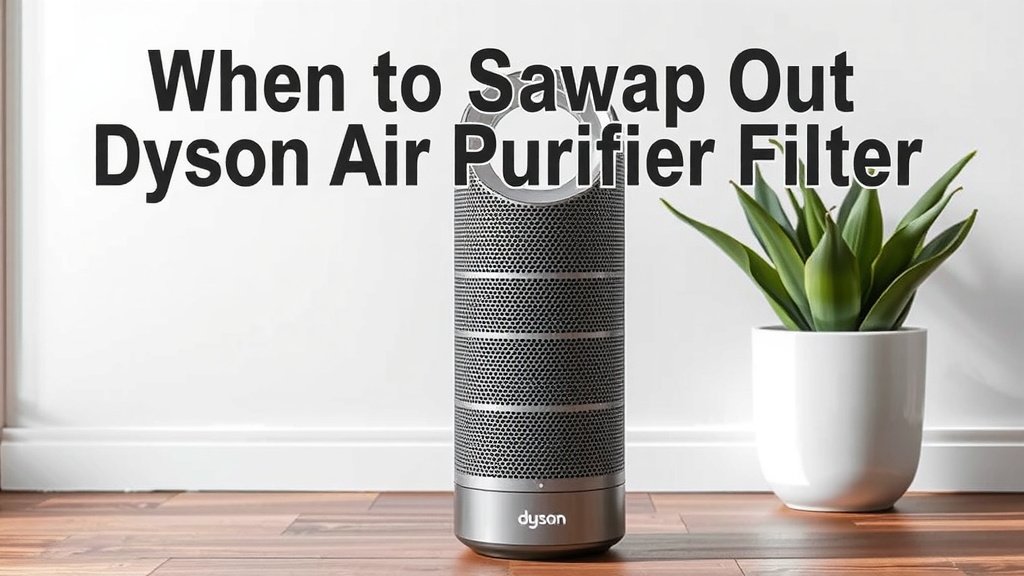
When to Swap Out Your Dyson Air Purifier Filter
You’re likely wondering about the best schedule for changing your Dyson air purifier’s filter. We found that the general recommendation from Dyson and many air quality experts is to replace the filter **every 12 months**. This yearly cadence ensures your purifier continues to perform at its peak, efficiently capturing **fine particles** and allergens from your home’s air.
Understanding Filter Lifespan: What Affects It?
While 12 months is the standard guideline, your filter’s actual lifespan can be influenced by a few factors. Think of it like your car’s air filter; heavy use in dusty conditions means it’ll get dirty faster. Your home’s air quality plays a big role. If you live in a busy city with higher outdoor pollution, or if your home frequently experiences dust, pet dander, or smoke, your filter might reach its limit sooner.
Usage Patterns Matter
How often you run your Dyson air purifier also impacts filter life. If you keep it running on high settings most of the day, the filter works harder and will likely need changing more frequently than if it’s used intermittently on lower settings. We’ve found that consistent, prolonged use will naturally reduce the filter’s effective life.
Environmental Factors and Air Quality
Consider the environment where your Dyson purifier lives. Homes with pets that shed a lot, or those prone to cooking smells and smoke, will put more strain on the filter. Even seasonal changes, like high pollen counts in the spring or increased dust during dry spells, can affect how quickly the filter becomes saturated with particles. Many guidelines suggest monitoring your environment and adjusting accordingly (CDC).
How Your Dyson Purifier Tells You It’s Time
Thankfully, you don’t have to guess when it’s time for a new filter. Your Dyson air purifier is designed to be smart about this. Most Dyson models feature an integrated filter life indicator. This is usually displayed on the unit’s screen or communicated through the Dyson Link app if you have a connected model.
On-Screen Indicators
When you look at your Dyson purifier’s display, you’ll often see a percentage or a countdown showing the remaining filter life. When this number gets low, or a specific alert appears, it’s your cue to start thinking about a replacement. This feature takes the guesswork out of maintenance, ensuring you’re alerted well in advance.
Using the Dyson Link App
If your Dyson purifier is Wi-Fi connected, the Dyson Link app is a fantastic tool. It provides real-time updates on your filter’s status, often with more detail than the unit’s screen. You might even receive push notifications directly to your phone when the filter life is getting low. We found this app integration to be incredibly convenient for tracking maintenance needs.
The Impact of a Clogged Filter
Ignoring filter replacement can have consequences for your air purifier’s performance and your home’s air quality. A filter saturated with dust and debris restricts airflow. This means less air can pass through the machine, reducing its effectiveness in purifying your environment.
Reduced Airflow and Efficiency
When the filter is clogged, your Dyson purifier has to work much harder to pull air through. This can lead to a noticeable drop in the volume of clean air being circulated. Essentially, a dirty filter makes your purifier less efficient, defeating its primary purpose of providing clean air. This increased strain can also potentially shorten the lifespan of the motor.
Compromised Air Quality
Beyond reduced airflow, a saturated filter can’t capture new particles as effectively. In worst-case scenarios, a heavily clogged filter might even start to release trapped particles back into the air. This can lead to a decline in your home’s air quality, which is the opposite of what you want from an air purifier. Clean air is the goal, and a clean filter is essential to achieve it (EPA).
Why Using Genuine Dyson Filters is Recommended
When it’s time to replace your filter, you might see third-party options available. However, we found that using genuine Dyson replacement filters is highly recommended. These filters are specifically engineered to work with your Dyson model, ensuring optimal fit and performance.
Engineered for Performance
Genuine Dyson filters are designed with precise specifications to meet the performance standards of your specific purifier. This includes the filtration media, the sealing technology, and the structural integrity. Using an authentic filter ensures that the unit can draw air through it efficiently and that all trapped particles are securely contained. Many manufacturers, including Dyson, advise against using non-genuine parts to maintain warranty and performance (Dyson Support).
Maintaining Warranty and Longevity
In some cases, using third-party filters could potentially void your Dyson’s warranty. More importantly, a poorly fitting or lower-quality filter might not perform as intended, potentially leading to issues with the purifier itself over time. Sticking with genuine parts is the safest bet for keeping your Dyson air purifier running smoothly for years to come.
A Simple Checklist for Filter Care
To make filter maintenance easy, here’s a quick checklist you can follow:
- Check your purifier’s display or app regularly for filter life indicators.
- Note down the date you installed the current filter as a backup reminder.
- Consider your home environment – more pets or pollution might mean earlier replacement.
- Purchase genuine Dyson replacement filters to ensure optimal performance.
- Schedule filter replacement when your purifier alerts you or approximately every 12 months.
| Usage Level | Estimated Filter Life | Notes |
|---|---|---|
| Low (Intermittent Use, Low Pollution) | 12-15 Months | Filter works less; may last slightly longer. |
| Medium (Daily Use, Average Home) | 10-12 Months | Standard use for most households. |
| High (Continuous Use, Pets, Pollution) | 6-9 Months | Filter captures more; needs more frequent changes. |
Remember, this table provides an estimate. Always defer to your Dyson purifier’s specific alerts and genuine Dyson recommendations.
Conclusion
You now have a clear picture of how often to change your Dyson air purifier filter. Remember, the general rule is every 12 months, but your home’s environment and usage patterns play a big role. Your purifier’s smart indicators and the Dyson Link app are your best friends for tracking this. Regularly checking these alerts ensures your Dyson continues to deliver the clean air you deserve. The next time your purifier signals it’s time, you’ll know exactly what to do.
Frequently Asked Questions
Can I just wash my Dyson air purifier filter instead of replacing it?
No, Dyson air purifier filters are designed for replacement, not washing. They contain fine filtration media that can be damaged by water. Washing a filter would likely ruin its ability to capture particles effectively and could even damage your purifier.
How do I know if my Dyson filter is truly “full” before the alert?
While your Dyson purifier’s alert system is quite accurate, you might notice a decrease in airflow or that the machine seems to be working harder. If you’ve recently experienced a significant increase in airborne irritants like smoke or heavy dust, it’s possible the filter could be saturated sooner than expected.
What happens if I don’t change my Dyson filter on time?
Not changing your filter can lead to reduced airflow, making your purifier less effective at cleaning your air. It can also put more strain on the motor, potentially shortening the lifespan of your appliance and meaning it can no longer capture new pollutants efficiently.
Are third-party Dyson filters really that bad compared to genuine ones?
Genuine Dyson filters are engineered to precise standards for optimal performance and fit with your specific model. Third-party filters may not offer the same level of filtration or seal correctly, potentially leading to reduced effectiveness or even damage to your purifier over time.
Does running my Dyson on “auto” mode affect how often I need to change the filter?
Running your Dyson on auto mode generally means it adjusts its fan speed based on air quality. This can be more efficient than constant high-speed use and might lead to a slightly longer filter life compared to continuous high-speed operation, but always trust your purifier’s alerts.