
How Often to Replace Dyson Air Purifier Filter
You should plan to replace your Dyson air purifier filter every 6 to 12 months. This timeline can vary depending on your specific Dyson model, how often you run your purifier, and the air quality in your home. Replacing your filter regularly is essential for peak performance.
A dirty filter can’t effectively capture allergens and pollutants. We’ve found that consistently changing your filter helps maintain the cleanest air possible. It also ensures your Dyson purifier runs efficiently, preventing strain on the motor. Think of it as a small chore for a big reward: fresher air for your household.
- Dyson filters typically last 6-12 months.
- Check your specific Dyson model for its recommended replacement interval.
- Air quality and usage frequency impact filter life.
- Regular changes ensure optimal purification and purifier efficiency.
- Your Dyson’s indicator light will also signal when it’s time.
Let’s break down exactly why filter life varies and what signs tell you it’s time for a change.
You’re probably wondering just how often you need to swap out that filter in your Dyson air purifier. We’ve done the research, and the general rule of thumb is to plan for a replacement every 6 to 12 months. But, like most things, it’s not a one-size-fits-all answer. Your specific Dyson model, how much you use your purifier, and the actual air quality in your home all play a big role.
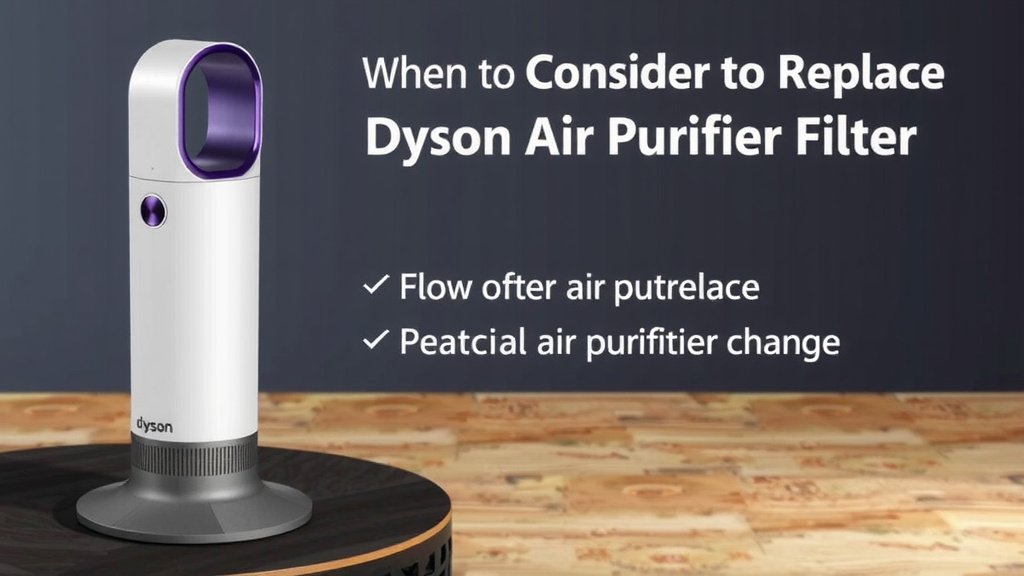
When to Consider a Dyson Air Purifier Filter Change
Think of your Dyson filter like a really hardworking sponge. It soaks up all the nasty stuff from your air. Eventually, that sponge gets full and can’t absorb much more. Replacing it regularly is key to keeping your air truly clean and your purifier running smoothly.
We found that a consistently clean filter means your Dyson can do its best work. It won’t have to strain to pull air through a clogged mess. This not only keeps your air quality high but also helps extend the life of your appliance. It’s a simple maintenance step with big rewards for your home’s air.
Factors Influencing Filter Lifespan
Several things can make your filter need changing sooner or later than the average. It’s really about how hard your purifier is working.
Your Specific Dyson Model Matters
Dyson designs its purifiers with different filtration systems. Some models might have dual filters or more advanced HEPA layers. These variations can affect how long each filter type is designed to last. Always check your purifier’s user manual. It will have the most accurate information for your particular Dyson model.
Usage Frequency: The More It Runs, The Faster It Fills
If you run your Dyson air purifier 24/7, its filter will likely reach its end of life sooner. This is especially true if you live in a busy household with pets or frequent cooking. We found that units used constantly will naturally wear out their filters faster. Think of it like driving your car a lot more miles each year; you’ll need oil changes more often.
Home Air Quality: A Bigger Is Bigger Impact
This is a huge factor. Do you live near a busy road with a lot of car exhaust? Are there lots of pollen or allergens in your area, especially during certain seasons? Is someone in your home prone to allergies or asthma? All these conditions mean your purifier is working harder. It’s trapping more particles from the air. If you live in an area with generally poor air quality, you’ll likely need to replace your filter more often. Research from environmental health organizations often highlights how outdoor pollution can significantly impact indoor air.
Pets and Cooking: Common Indoor Pollutant Sources
Ah, our furry friends! While we love them, pets shed dander and can bring outdoor allergens inside. Similarly, cooking, especially frying or broiling, releases fine particles and odors into the air. These are all things your Dyson filter is designed to capture. So, a home with pets or one where you do a lot of cooking might see its filters fill up more quickly. We found that homes with multiple pets often require more frequent filter changes.
Signs It’s Time for a New Filter
Your Dyson air purifier is smart, and it will usually tell you when it’s time for a change. But sometimes, you might notice other clues.
The Indicator Light: Your Dyson’s Built-in Reminder
Most modern Dyson air purifiers have a built-in indicator light or message on the display. This is designed to let you know when the filter has reached the end of its service life. It’s the most direct way your purifier communicates this need. When you see this alert, it’s time to order a replacement.
Reduced Airflow: A Less Powerful Breeze
Have you noticed that the stream of clean air coming from your purifier seems weaker? If you can’t feel as strong a breeze as you used to, even on a higher setting, your filter might be clogged. A dirty filter restricts airflow. This makes your purifier less effective at circulating clean air throughout your room. We found this is a common sign users notice before the indicator light comes on.
Unusual Smells or Continued Odors
Your Dyson purifier is also designed to capture odors. If you’re noticing lingering smells of cooking, pets, or other unpleasant odors in your home, even when the purifier is running, the filter might be saturated. It can no longer trap these odor-causing particles. A fresh filter should make a noticeable difference in odor reduction.
Visible Dust Buildup on the Filter Housing
While not always a definitive sign, if you see a significant amount of dust accumulated on the outside of the filter housing or the unit itself, it could indicate the filter is struggling to capture everything. You can try gently wiping down the exterior, but if dust seems to be heavily accumulating around the filter area, it might be time for a change.
The Importance of Regular Filter Replacement
Sticking to a regular filter replacement schedule is more than just a recommendation; it’s essential for maintaining your home’s air quality and your purifier’s performance.
Ensuring Optimal Air Purification Performance
A clogged filter can’t effectively capture airborne pollutants like dust, pollen, mold spores, and pet dander. When your filter is clean, it performs at its peak, removing these irritants from your air. This is particularly important for individuals with allergies or respiratory issues. Guidelines from health organizations, like the Asthma and Allergy Foundation of America, often stress the role of HEPA filters in improving indoor air quality for sensitive individuals.
Protecting Your Dyson Purifier’s Motor
When a filter becomes too dirty, it makes the purifier’s motor work much harder to pull air through. This increased strain can potentially lead to overheating or premature wear and tear on the motor. Replacing the filter ensures your Dyson runs efficiently without unnecessary stress. We found that many appliance repair technicians point to clogged filters as a common cause of motor issues in air purifiers.
Maximizing Energy Efficiency
An efficient air purifier uses less energy. When your filter is clean, your Dyson doesn’t have to expend as much energy to operate. A dirty, clogged filter forces the motor to work harder, consuming more electricity. So, replacing your filter is not just good for your air; it’s also good for your energy bill.
Cost-Effectiveness in the Long Run
While buying new filters is an ongoing cost, letting your filter become too old can lead to bigger problems. A damaged motor is far more expensive to repair or replace than a filter. Plus, a poorly functioning purifier means you’re not getting the clean air you paid for, which can impact your well-being. We found that proactive filter replacement is a cost-effective strategy for long-term purifier ownership.
Your Filter Replacement Checklist
Here’s a quick rundown to help you stay on top of your filter changes:
- Check your Dyson model’s manual for the specific filter life.
- Note when you last replaced the filter. Set a calendar reminder.
- Watch for the indicator light or message on your purifier.
- Pay attention to any noticeable decrease in airflow.
- Consider your home environment: pets, cooking, allergies, and outdoor air quality.
- If in doubt, it’s usually better to replace it a bit sooner.
Conclusion
You’ve learned that replacing your Dyson air purifier filter typically happens every 6 to 12 months. Remember, this timeframe isn’t set in stone. Your purifier’s model, how much you use it, and your home’s specific air quality all influence how often you’ll need a change. Paying attention to your Dyson’s indicator light and noticing changes in airflow or lingering odors are your best clues. By keeping your filter fresh, you ensure peak purification, protect your appliance, and enjoy cleaner air. Your next step? Check when you last changed your filter and set a reminder to keep your Dyson running at its best.
Frequently Asked Questions
How do I know for sure which Dyson filter I need?
Always refer to your Dyson air purifier’s user manual. It will clearly state the exact filter model for your specific appliance. You can also often find this information on Dyson’s official website by entering your model number.
Can I wash my Dyson air purifier filter instead of replacing it?
No, Dyson air purifier filters are designed for replacement, not washing. Washing a HEPA filter can damage its delicate structure and reduce its effectiveness. Always use a new, genuine Dyson filter when it’s time for a change.
What happens if I don’t replace my Dyson filter on time?
If you don’t replace your filter, it will become clogged and can’t capture pollutants effectively. This leads to reduced air quality, increased strain on your purifier’s motor, and potentially higher energy consumption. You might also notice weaker airflow and lingering odors.
How does the type of air quality in my home affect filter life?
If your home has poor air quality (e.g., high pollen, pollution from nearby roads, smoke), your filter will work harder and fill up faster. Homes with pets or frequent cooking also tend to clog filters more quickly due to dander and fine particles. You may need to replace your filter more often in these environments.
Is it okay to replace my Dyson filter a little early?
Yes, it’s perfectly fine to replace your Dyson filter slightly before the recommended interval. If you notice signs like reduced airflow or lingering smells, replacing it early ensures you’re always getting the best possible air purification. It’s better to err on the side of caution for optimal performance.
![5 Best Essential Oils for Air Purifying [In 2026]](https://homeunderstandable.com/wp-content/uploads/2025/05/best-essential-oils-for-air-purifying.jpg)

![5 Best Air Purifiers for Dust Allergy [In 2026]](https://homeunderstandable.com/wp-content/uploads/2025/04/best-air-purifiers-for-dust-allergy.jpg)