When to Replace HEPA Filter in Air Purifier
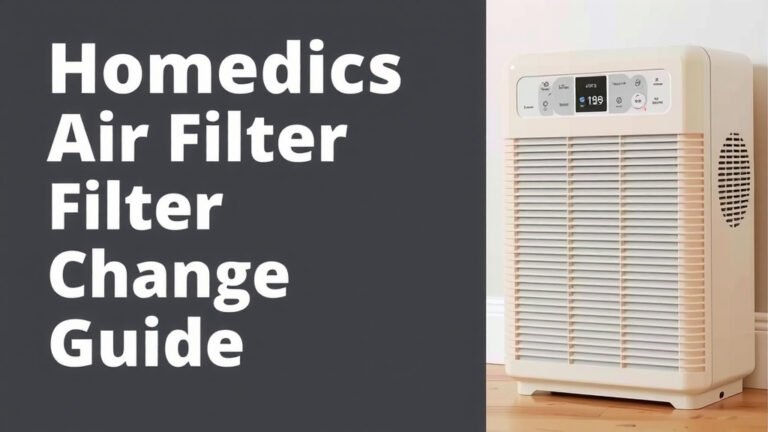
You should generally replace your HEPA filter every 6 to 12 months, depending on usage and air quality. This ensures your air purifier continues to capture allergens and pollutants effectively. A dirty filter means your purifier works harder and cleans less air.
Neglecting filter changes can lead to reduced airflow and potentially damage your air purifier’s motor. Many experts agree that consistent filter replacement is key to maintaining optimal air quality in your home. Think of it as giving your air purifier a fresh start!
- HEPA filters typically last 6-12 months.
- Usage and air quality impact filter life.
- Dirty filters reduce airflow and cleaning power.
- Regular changes protect your air purifier.
Let’s walk through exactly when and why you might need to swap out that HEPA filter.
When to Swap Out Your Air Purifier’s HEPA Filter
Knowing when to replace your air purifier’s HEPA filter is key to getting the most out of your device. You want clean air, right? Well, a clogged filter is like trying to breathe through a stuffy nose – it just doesn’t work well!
The Standard Replacement Timeline
Generally, most manufacturers recommend replacing your HEPA filter every 6 to 12 months. This is a good starting point for many homes. It’s the typical lifespan you can expect for a filter working under normal conditions.
Think of it like changing the oil in your car. You don’t wait until the engine seizes up, do you? The same idea applies to your air purifier. Consistent replacement keeps it running smoothly.
Factors That Speed Up Filter Wear
That 6-12 month window isn’t set in stone, though. Several factors can mean you’ll need to replace your filter sooner. If you live in a busy city, you might be dealing with more outdoor pollutants seeping in. This means your filter works harder and gets dirty faster.
High Allergen Environments
Do you have pets? Or maybe someone in your household suffers from severe allergies or asthma? Pets shed dander constantly, and allergens like pollen can be quite persistent. These elements put a real strain on your filter. You might find yourself needing a replacement closer to the 6-month mark.
Heavy Usage and Continuous Operation
If your air purifier runs 24/7, it’s constantly cleaning the air. This continuous operation means the filter is always working. Imagine wearing out a pair of shoes by walking miles every single day versus just a few times a week. The daily wear takes its toll much faster.
Air Quality in Your Home
What’s the air like in your home? If you live near a busy road with lots of traffic, exhaust fumes can quickly clog up your filter. Similarly, if you do a lot of cooking, especially frying, grease particles can end up in the air and stick to your filter. We found that homes with more smoke or strong odors tend to need filters replaced more often.
Signs Your HEPA Filter Needs Changing
Your air purifier might give you clues that its filter is past its prime. You don’t always have to rely on a calendar. Paying attention to your device and the air quality can tell you a lot.
Reduced Airflow
Have you noticed your air purifier doesn’t seem to be blowing out as much air as it used to? This is a classic sign of a clogged filter. The air has a harder time passing through the dense layers of trapped dust and debris. It’s like trying to suck a thick milkshake through a tiny straw!
Unpleasant Odors
Does your air purifier start to smell a bit musty or stale? When the filter is full of trapped particles, it can start to hold onto odors. Instead of cleaning the air, it might just recirculate those stale smells. Many experts say a persistent odor is a clear indicator it’s time for a new filter (Cleveland Clinic).
Increased Noise Levels
When the motor has to work harder to push air through a blocked filter, it can sometimes lead to increased noise. You might hear a louder hum or strain from the unit. This is your purifier telling you it’s struggling. We found that this often happens before other signs become obvious.
Visible Dirt and Discoloration
If you can visually inspect your filter (check your manual first!), you might see that it’s coated in a thick layer of dust. It might look grey, brown, or even black. A filter that was once white or off-white and is now heavily discolored is definitely due for a change.
| Usage Level | Typical Filter Life | When to Check/Replace |
|---|---|---|
| Light (few hours/day, good air quality) | 10-12 months | Every 6 months |
| Moderate (8+ hours/day, average air quality) | 6-9 months | Every 3-4 months |
| Heavy (24/7, pets, allergies, poor air quality) | 3-6 months | Monthly check, replace as needed |
Why Sticking to a Schedule Matters
Ignoring filter changes isn’t just about a less effective air purifier. It can have other consequences. A constantly struggling motor can eventually lead to overheating or premature failure. This means you might have to buy a whole new unit, which is much more expensive than a simple filter replacement.
Research consistently shows that clean filters are essential for optimal performance. When filters are dirty, the entire system becomes less efficient. You’re essentially paying for electricity to run a device that isn’t doing its job properly.
Your Filter Replacement Checklist
Here’s a quick way to remember when to think about replacing your filter:
- Check your air purifier’s manual for specific recommendations.
- Note the date you installed the current filter.
- Inspect the filter visually for heavy dirt or discoloration.
- Listen for changes in your air purifier’s noise level.
- Notice if airflow seems weaker or if odors persist.
- Consider your home’s unique conditions (pets, allergies, location).
Conclusion
You now know that your air purifier’s HEPA filter needs regular attention. While 6 to 12 months is a common guideline, remember that your home’s unique conditions play a big role. Pay attention to factors like pets, allergies, and local air quality. By watching for signs like reduced airflow or new odors, you can ensure your purifier always works its best. Don’t wait for problems to arise. Make a habit of checking and replacing your filter on schedule to breathe cleaner, healthier air every day.
Frequently Asked Questions
How do I know if my air purifier needs a new HEPA filter?
You’ll often notice a decrease in the airflow from your unit. Unpleasant odors lingering in your home, even after running the purifier, are another key sign. Increased noise from the motor struggling can also indicate a clogged filter.
Can I wash a HEPA filter instead of replacing it?
Generally, no. Most true HEPA filters are designed for single use and cannot be washed. Washing can damage the delicate filter media, making it less effective or even unusable. Always check your air purifier’s manual for specific instructions.
What happens if I don’t replace my HEPA filter often enough?
Not replacing your filter can significantly reduce your air purifier’s effectiveness. A clogged filter restricts airflow, making the unit work harder and consume more energy. It can also lead to the motor overheating or failing prematurely.
Are there air purifiers that tell you when to change the filter?
Yes, many modern air purifiers come with filter replacement indicator lights or smart sensors. These features monitor filter usage and air quality to alert you when a change is recommended, taking the guesswork out of maintenance.
How often should I replace my HEPA filter if I have pets?
If you have pets, especially multiple pets or long-haired breeds, you’ll likely need to replace your HEPA filter more frequently. Aim to check your filter monthly and consider replacing it every 3 to 6 months, rather than the standard 6 to 12 months.