
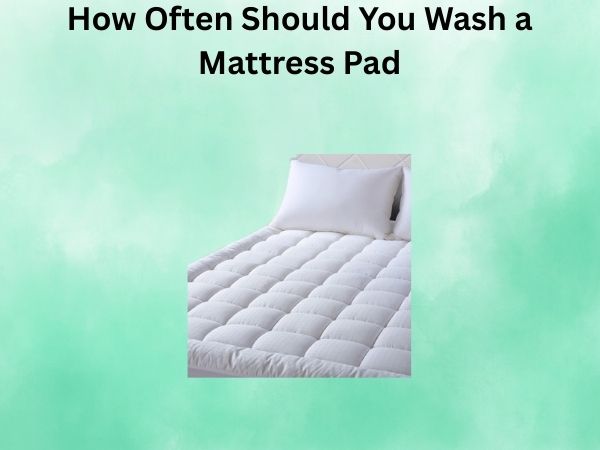
How Often Should You Wash a Mattress Pad? A Complete Guide to Keeping Your Bedding Fresh
Have you ever stopped to think about when you last washed your mattress pad? Most people don’t. We change our sheets regularly, but that protective layer between you and your mattress? It often gets forgotten in the laundry rotation. The truth is, your mattress pad deserves just as much attention as your pillowcases, and maybe even more. Let me walk you through everything you need to know about maintaining this crucial piece of bedroom hygiene.
Understanding Your Mattress Pad and Why It Matters
Think of your mattress pad as the unsung hero of your bed. It sits there quietly, absorbing sweat, dust mites, dead skin cells, and everything else your body sheds throughout the night. Without it, all of that would go straight into your mattress, creating a breeding ground for bacteria and allergens. Your mattress pad is essentially taking one for the team, protecting your investment while keeping your sleeping environment cleaner.
The question isn’t really whether you should wash your mattress pad—it’s how often you should do it to maintain optimal hygiene without wearing out the material prematurely. This is where most people get confused.
The Basic Rule: How Often You Should Wash Your Mattress Pad
The Standard Recommendation
Most sleep experts and manufacturers suggest washing your mattress pad every one to two weeks. Yes, you read that right. If you’re only washing it once a month or waiting until it “looks dirty,” you’re probably not doing it as frequently as you should. Think about it this way: you’re spending roughly one-third of your life on that mattress pad, covered in sweat and body oils every single night. That’s eight hours of continuous contact with your skin.
Weekly or biweekly washing isn’t overkill—it’s actually the sweet spot for maintaining a truly clean sleep environment while still being practical for most households.
Factors That Might Change Your Washing Schedule
However, the one to two week rule isn’t one-size-fits-all. Several factors could mean you need to wash your mattress pad more or less frequently.
- Your personal sweating levels during sleep
- Whether you have allergies or asthma
- If you eat or drink in bed
- Pet presence in the bedroom
- Your overall cleanliness habits before bed
- The climate where you live
- Your age and health status
When You Absolutely Need to Wash Your Mattress Pad More Frequently
Summer Months and Hot Climates
During summer, your body produces more sweat. If you live in a warm climate or your bedroom gets particularly hot, you might want to wash your mattress pad weekly instead of biweekly. The combination of heat and humidity creates an ideal environment for dust mites and bacteria to multiply rapidly. Weekly washing during these months isn’t excessive—it’s necessary.
If You Have Allergies or Asthma
People with allergies or asthma should treat their mattress pad like a medical necessity rather than a piece of bedding. Washing it weekly, or even twice weekly if possible, can significantly reduce nighttime symptoms. Dust mites and their droppings are a major allergen trigger, and frequent washing dramatically reduces their population on your mattress pad.
After Illness
Did you have the flu? A cold? Any contagious illness? Wash your mattress pad immediately after you recover. Viruses and bacteria can linger on bedding surfaces for extended periods. Don’t wait for your regular washing schedule—treat it as a priority wash.
Pet Owners
If your dog or cat sleeps on your bed, increase your washing frequency to weekly. Pet dander, hair, and the occasional accident mean your mattress pad needs more frequent cleaning. Your furry friend probably doesn’t spend much time getting a bath, so your mattress pad is absorbing everything they bring to bed with them.
For Parents and Young Children
Accidents happen with young children. If you have a child who still occasionally wets the bed or you’re dealing with a sick child who’s been in your bed, increase washing frequency to weekly. This protects both hygiene and your mattress underneath.
The Case for More Frequent Washing
What’s Actually Living on Your Mattress Pad
Here’s something that might make you uncomfortable: your mattress pad is currently hosting a microscopic party. Dust mites number in the hundreds of thousands on an unwashed pad. They’re not harmful themselves, but their droppings trigger allergic reactions in about 20 percent of the population. Bacteria colonies are establishing themselves, and fungi are taking root in the moisture from your nightly sweat.
When you think about it this way, washing your mattress pad every week actually seems reasonable. You’re not being neurotic—you’re being practical.
The Sleep Quality Connection
Did you know that sleeping on a cleaner mattress pad could actually improve your sleep quality? A buildup of allergens and bacteria can cause subtle inflammation and irritation that disrupts your sleep without you even realizing it. People who wash their bedding more frequently often report better sleep quality and fewer nighttime interruptions.
Signs Your Mattress Pad Needs an Extra Wash
Beyond your regular schedule, watch for these specific indicators that your mattress pad needs an immediate wash:
- Visible stains or discoloration appearing
- A noticeable musty or stale odor
- Any spillage or accident that occurs in bed
- Waking up with more allergic symptoms than usual
- Sweat stains that are particularly visible
- Any signs of dust mites or bedbugs
- A change in how the padding feels or smells
Understanding Different Types of Mattress Pads and Their Care
Standard Cotton Mattress Pads
Traditional cotton pads are the easiest to maintain. You can wash them weekly in warm water without worry. They’re durable, get cleaner with frequent washing, and actually soften up nicely over time with regular laundering. If you want the simplest care routine, go with cotton.
Memory Foam or Gel-Infused Pads
These specialized pads require a bit more caution. Always check the manufacturer’s instructions because some have sensitive components. Generally, you can still wash them every one to two weeks, but use cooler water and gentler cycles. Never dry them on high heat, as this can damage the foam or gel layer.
Waterproof or Quilted Pads
Waterproof pads, often used by parents of young children, should actually be washed more frequently—sometimes weekly or even after every accident. The waterproof layer can trap bacteria and moisture, so more frequent washing is essential for hygiene.
Bamboo or Hypoallergenic Pads
Bamboo fabric mattress pads are naturally antibacterial and hypoallergenic, but they still need regular washing. You can wash them weekly in cool to warm water. These materials tend to be delicate, so use a gentle cycle and avoid high heat drying.
The Right Way to Wash Your Mattress Pad
Temperature Matters
Hot water is more effective at killing bacteria and dust mites, but it can damage certain mattress pad materials. For most standard pads, warm water is your sweet spot. It provides adequate sanitization without risking damage to the fabric or padding. If your mattress pad is particularly soiled or you’re dealing with allergies, hot water is worth the extra wear on the material.
Detergent Selection
Use a mild, fragrance-free detergent if possible. Heavy perfumes can irritate skin and may be problematic if you have sensitive skin or allergies. Don’t overdo the detergent—extra soap doesn’t mean cleaner results. In fact, excess detergent residue can irritate your skin and reduce the absorbency of your mattress pad.
Drying Your Mattress Pad
This is crucial: never put your mattress pad in the dryer on high heat. Medium heat or air drying is best. High heat can damage foam layers, shrink the fabric, and reduce the lifespan of your pad significantly. If possible, hang dry your mattress pad or use low heat settings. Yes, it takes longer, but it preserves your investment.
Creating a Realistic Washing Schedule
Making It Manageable
If washing your mattress pad every week sounds overwhelming, here’s a practical solution: own two mattress pads. This way, you can have one washing while the other is on your bed. It’s actually more efficient than trying to rush a mattress pad through a wash and dry cycle just to put it back on damp.
Rotate them weekly—pad A is on your bed while pad B is in the wash. This simple strategy makes weekly washing feel less burdensome and ensures you always have a fresh pad ready to go.
Syncing With Your Sheet Schedule
Try washing your mattress pad on the same day as your sheets. If you wash your sheets every Sunday, also wash your mattress pad every Sunday. This creates a natural rhythm that’s easy to remember and maintains because you’re already doing laundry that day.
Special Situations and Exceptions
Travel and Temporary Beds
When using a mattress pad on a temporary bed while traveling, wash it before using it if possible. Hotel and Airbnb mattresses might not have been properly cleaned. After your stay, wash the pad again before putting it away for storage.
Extended Storage
If you’re storing your mattress pad for several months, wash it before storage. Store it in a clean, dry place in a breathable bag. When you take it out for use again, give it a wash before putting it back on your mattress, even if it’s only been a few months.
During Illness Recovery
If you’ve been sick and stayed in bed for extended periods, wash your mattress pad more frequently during recovery. Your body is still shedding viruses or bacteria, and your immune system is compromised. Washing every few days during this time is reasonable and helps prevent reinfection.
The Long-Term Benefits of Regular Washing
Extending Your Mattress Lifespan
A good mattress is expensive. Your mattress pad is essentially insurance protecting that investment. By washing it regularly, you’re preventing sweat, bacteria, and oils from penetrating your mattress. This can add years to your mattress’s useful life. Think of it as preventative maintenance that pays dividends.
Improving Overall Health
Regular washing reduces allergens, bacteria, and fungi exposure night after night. Over time, this contributes to better respiratory health, fewer skin issues, and improved overall wellness. You might not notice the improvement immediately, but after a few months of consistent weekly washing, you may find yourself sleeping better and waking with fewer aches and allergies.
Mental Health Benefits
There’s something psychologically satisfying about knowing you’re sleeping on a clean, fresh mattress pad. That peace of mind and the comfort of knowing your sleep environment is hygienic contributes to better sleep quality and overall stress reduction.
Common Mistakes People Make
Washing Too Infrequently
The biggest mistake is thinking that monthly or even every-other-month washing is sufficient. It’s not. Your mattress pad needs weekly or biweekly attention to maintain proper hygiene.
Using Wrong Water Temperature
Using water that’s too hot can damage your pad; water that’s too cold won’t effectively kill dust mites. Warm water, around 40-60 degrees Celsius or 104-140 degrees Fahrenheit, is usually ideal.
Over-Drying on High Heat
Rushing to dry your mattress pad on high heat can shorten its lifespan significantly. Patience with medium heat or air drying is worth the wait.
Not Checking Manufacturer Instructions
Your specific mattress pad might have unique care requirements. Always read the label before establishing your washing routine.
Conclusion
So, how often should you wash your mattress pad? The answer is simple: every one to two weeks for most people, with weekly washing being ideal if you have allergies, live in a hot climate, share your bed with pets, or have other risk factors. Your mattress pad is working hard every single night to protect both your health and your mattress investment. It deserves regular, consistent care.
Don’t think of washing your mattress pad as an additional chore—think of it as an investment in better sleep, improved health, and a longer-lasting mattress. By establishing a simple routine, whether that’s syncing it with your sheet washing day or rotating between two pads, you can maintain a fresh, hygienic sleep environment without added stress. Your future self will thank you for the better sleep and healthier bedding environment you’re creating today.
Frequently Asked Questions
Can you wash a mattress pad with regular bedding?
Yes, you can wash your mattress pad together with your sheets and pillowcases in most cases. However, if your mattress pad is particularly dirty or heavily soiled, washing it separately might be better to ensure thorough cleaning. If you’re washing delicate specialized pads like memory foam or bamboo, consider washing them separately to protect them from damage caused by heavier items like sheets rubbing against them in the wash cycle.
What happens if you don’t wash your mattress pad regularly?
An unwashed mattress pad becomes a haven for dust mites, bacteria, fungi, and allergens. Over time, these microorganisms create an unhygienic sleep environment that can trigger allergies, asthma symptoms, skin irritation, and even respiratory issues. Additionally, sweat and body oils accumulate, eventually penetrating through to your mattress beneath, potentially causing permanent damage, odors, and staining. Regular washing prevents all of these issues and keeps both your pad and mattress in good condition.
How do you dry a mattress pad without a dryer?
Air drying is actually the preferred method for mattress pads. Hang your mattress pad on a clothesline or drying rack in a well-ventilated area, preferably outdoors in sunlight if possible. Sunlight naturally kills bacteria and dust mites while freshening the fabric. If you must use a dryer, select a low or medium heat setting and remove the pad while slightly damp to air dry completely. Never use high heat, as this damages the padding and can shorten the pad’s lifespan significantly.
Can you use bleach on a mattress pad?
Avoid using bleach on your mattress pad unless it’s specifically made of white cotton and the manufacturer recommends it. Bleach can damage colored fabrics, weaken delicate materials like memory foam or bamboo, and leave chemical residues that may irritate your skin. For most situations, a regular detergent in warm water is sufficient for cleanliness and hygiene. If you’re concerned about
![What Is The Best Mattress For Back Sleepers With Back Pain [In 2026]](https://homeunderstandable.com/wp-content/uploads/2025/11/Best-Mattress-For-Back-Sleepers-With-Back-Pain.jpg)
![7 Best Mattress In Box For Back Pain [2026]](https://homeunderstandable.com/wp-content/uploads/2026/05/7-best-mattress-in-box-for-back-pain-2026-featured-768x432.jpg)
![7 Best Mattress For Rv Short Queen [2026]](https://homeunderstandable.com/wp-content/uploads/2026/05/7-best-mattress-for-rv-short-queen-2026-featured-768x432.jpg)
![What Is The Best Mattress for Light People [In 2026]](https://homeunderstandable.com/wp-content/uploads/2025/12/Best-Mattress-for-Light-People.jpg)