
How to Care for a Mattress to Make It Last Longer: The Complete Guide
Have you ever stopped to think about how much time you actually spend on your mattress? If you’re like most people, you’re probably spending around eight hours a night there, which adds up to nearly a third of your entire life. That’s a pretty significant investment, both financially and in terms of your overall wellbeing. Yet despite this, many of us treat our mattresses like they’re indestructible. We bounce on them, eat breakfast in bed, let our pets sprawl across them, and rarely give a second thought to their maintenance. The truth is, your mattress needs care and attention just like any other valuable possession you own. With the right approach, you can significantly extend its lifespan and keep it feeling fresh and supportive for years to come.
Understanding Your Mattress: What You’re Really Sleeping On
Before we dive into the specifics of mattress care, let’s talk about what your mattress actually is. Your mattress is far more complex than it might appear from the outside. It’s a carefully engineered piece of furniture designed to support your body while you sleep, but it’s also vulnerable to wear and tear, moisture, dust, and degradation over time. Whether you’ve got a traditional spring mattress, a memory foam model, a hybrid, or a latex construction, each type has its own specific needs and vulnerabilities. Understanding the composition of your mattress is the first step toward caring for it properly.
Why Mattress Maintenance Matters More Than You Think
Think of your mattress like your car. You wouldn’t drive a car for years without changing the oil or rotating the tires, right? Yet that’s exactly what many people do with their mattresses. A quality mattress is one of the more expensive purchases you’ll make for your home, often costing anywhere from several hundred to several thousand dollars. The average lifespan of a well-maintained mattress is seven to ten years, but without proper care, you might find yourself replacing it much sooner. Regular maintenance doesn’t just extend the life of your mattress—it also protects your health by preventing the buildup of dust mites, allergens, and mold.
The Foundation of Good Mattress Care: Choosing the Right Base
Many people overlook one of the most fundamental aspects of mattress care: what you put underneath it. Your mattress needs proper support to maintain its structural integrity. Sleeping on an old box spring, a sagging bed frame, or even directly on the floor can cause your mattress to deteriorate prematurely. Think about it this way: if the foundation is weak, the entire structure built on top of it will suffer.
Selecting an Appropriate Bed Frame and Foundation
Your mattress should rest on a sturdy bed frame or foundation that’s designed to work with your specific mattress type. Box springs were once the standard, but modern mattresses often work better with solid platform beds or specialized foundations. Make sure whatever you choose can support your mattress evenly across its entire surface. If you notice your mattress sagging in certain areas, the problem might actually be with your foundation rather than the mattress itself.
Signs Your Foundation Needs Replacement
- Visible warping or bending in the bed frame
- Squeaking sounds when you move around
- Uneven surface where the mattress sits
- Cracks or breaks in the wood or metal
- The mattress sinking more than normal
Rotation and Flipping: The Cornerstone of Mattress Longevity
One of the simplest yet most effective things you can do for your mattress is rotate it regularly. This practice is like giving your mattress a fair shake—instead of always sleeping in the same spot, you’re distributing your weight across the entire surface. Rotation prevents permanent indentations and helps your mattress wear evenly.
How Often Should You Rotate Your Mattress?
The general recommendation is to rotate your mattress every three months, or at least twice a year. Some people like to do it with the changing seasons, which is an easy way to remember. You can rotate it from head to foot, then side to side, ensuring that every part of the mattress gets equal exposure to your sleeping body.
Should You Still Flip Your Mattress?
Here’s where things get interesting, because the answer depends on what type of mattress you own. Traditional innerspring and hybrid mattresses often benefit from flipping, as it allows both sides to support weight evenly. However, many modern memory foam and latex mattresses are designed to be one-sided only. Flipping these mattresses can actually damage them, as the comfort layers are engineered for the top side only. Always check your mattress manufacturer’s guidelines before flipping. If your mattress is designed for flipping, you can combine this with rotation for maximum benefit.
Keeping Your Mattress Clean: A Practical Approach
Your mattress is a magnet for dust, dead skin cells, dust mites, and other unwanted particles. Over time, these accumulate and can trigger allergies, affect sleep quality, and contribute to the overall degradation of your mattress. The good news is that keeping your mattress clean doesn’t require complicated procedures or expensive equipment.
Regular Vacuuming: Your First Line of Defense
Start with the basics: vacuum your mattress regularly using the upholstery attachment on your vacuum cleaner. Aim for at least once a month, though more frequent vacuuming is even better if you have allergies or pets. Use slow, overlapping passes across the entire surface, paying special attention to seams and crevices where dust mites and allergens like to hide. This simple action can significantly reduce the allergen load in your mattress.
Dealing with Stains and Spills
Accidents happen. Whether it’s a spilled cup of coffee, a nighttime accident, or just general wear and tear, stains on your mattress need prompt attention to prevent permanent damage and mold growth.
Fresh Stain Treatment
- Blot immediately with a clean, dry cloth—don’t rub
- Use a mixture of cold water and mild detergent for organic stains
- For blood or other protein-based stains, use cold water (hot water sets these stains)
- Apply the solution sparingly and blot repeatedly
- Use hydrogen peroxide for stubborn stains, but test on a hidden area first
- Finish by blotting with clean water to remove soap residue
- Allow the mattress to air dry completely before putting on sheets
Tackling Stubborn Odors
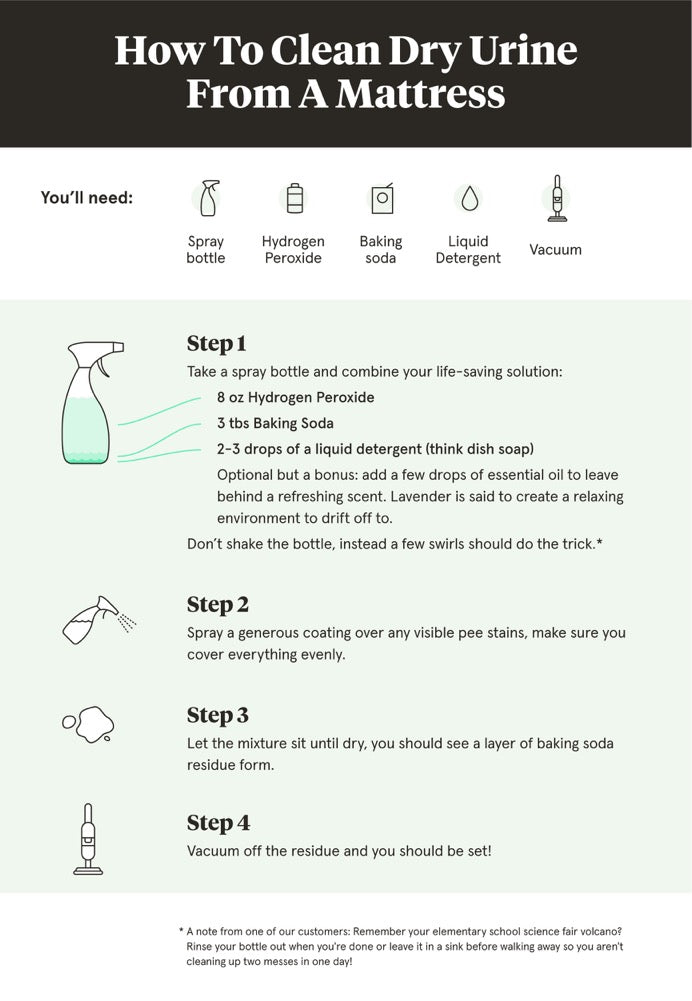
If your mattress develops odors, baking soda is your best friend. Sprinkle a generous amount of baking soda over the entire mattress surface and let it sit for at least fifteen minutes, or even overnight for stronger odors. The baking soda will absorb odors naturally. Then vacuum it up thoroughly. You can also add a few drops of essential oil to the baking soda before sprinkling for a pleasant scent, though this is entirely optional.
Protecting Your Mattress: The Importance of Proper Bedding
Think of your mattress cover and sheets as armor protecting your mattress from the outside world. The right bedding doesn’t just feel nice—it’s a crucial component of mattress care that can make the difference between a mattress lasting seven years or twelve.
Investing in a Quality Mattress Protector
A waterproof mattress protector is one of the best investments you can make. It serves as a barrier between your body (and all the liquids your body might release, whether through sweat, spills, or accidents) and your mattress. Quality protectors are breathable, so they won’t trap heat or moisture, but they’ll still prevent liquids from seeping into the mattress itself. They’re especially important if you have children or pets.
What to Look For in a Mattress Protector
- Waterproof but breathable material
- Hypoallergenic properties to reduce allergen buildup
- Deep pocket design that fits your mattress securely
- Easy to remove and machine washable
- Noiseless material that doesn’t crinkle
Choosing Quality Sheets and Bedding
Beyond the protector, your sheets and pillowcases play a role in mattress care too. High-quality, breathable sheets allow proper air circulation, reducing moisture buildup in your mattress. Cotton sheets are typically a good choice, though bamboo and other natural fibers also work well. Lower-quality sheets that don’t breathe as well can trap moisture against your mattress, creating an environment where dust mites and mold thrive.
Environmental Factors: Controlling Temperature and Humidity
Your mattress is affected by its environment. Temperature and humidity levels in your bedroom can significantly impact your mattress’s longevity and performance. This is especially true for memory foam mattresses, which are temperature-sensitive.
Maintaining Optimal Bedroom Conditions
The ideal bedroom temperature for both sleep quality and mattress preservation is between 60 and 67 degrees Fahrenheit. Humidity levels should be kept between 30 and 50 percent. When humidity climbs above 60 percent, you create an ideal environment for mold and mildew to develop inside your mattress. Conversely, extremely low humidity can cause the materials in your mattress to become brittle.
Practical Steps to Control Your Bedroom Environment
- Use a dehumidifier if you live in a humid climate
- Ensure your bedroom is well-ventilated with good air circulation
- Open windows on dry days to exchange indoor and outdoor air
- Use an air conditioner during hot, humid months
- Avoid placing your mattress directly against exterior walls where moisture accumulates
- Don’t cover your mattress with plastic, which traps moisture
Sunlight and Your Mattress
While you probably don’t spend much time thinking about sunlight hitting your mattress, it’s worth considering. Direct sunlight can fade the fabric of your mattress and potentially damage certain materials over time. However, occasional sunlight exposure is actually beneficial for killing dust mites and reducing odors. The key is moderation. Strip your bed occasionally and let your mattress air out in indirect sunlight for a few hours—this provides many of the benefits without the risks of extended UV exposure.
Handling Your Mattress During Moving and Storage
Whether you’re moving to a new house or temporarily storing your mattress, how you handle it during transport and storage can significantly impact its condition.
Protecting Your Mattress During a Move
Never drag your mattress across floors or stairs. Instead, carry it vertically when possible, and always use protective covering. A mattress bag or plastic wrap will protect it from dirt and damage during transport. If you must bend your mattress to fit through a doorway or staircase, do so gently and only when absolutely necessary. Forcing a mattress into a contorted shape can permanently damage the internal structure.
Storage Best Practices
If you need to store your mattress temporarily, choose a clean, dry location away from direct sunlight. Store it flat and on a protective surface—never store a mattress on its side or at an angle, as this can damage the internal structure. Ensure the storage area has good ventilation to prevent moisture buildup. Never store a mattress in a damp basement or attic where humidity and temperature fluctuations are extreme.
Addressing Common Mattress Problems
Even with the best care, mattresses eventually develop issues. Knowing how to address these problems can sometimes extend the life of your mattress or prevent small issues from becoming deal-breakers.
Dealing with Sagging and Indentations
Minor sagging is somewhat inevitable over time, as mattress materials compress under your weight night after night. However, excessive sagging indicates either a serious problem with the mattress itself or a problem with the foundation beneath it. Before considering replacement, check your bed frame or foundation first. If that’s solid, try rotating or flipping your mattress if the design allows. Placing a mattress topper on top can also provide additional support and comfort, though this is a temporary solution rather than a permanent fix.
Managing Dust Mites and Allergens
Dust mites are microscopic creatures that feed on dead skin cells—which unfortunately means your mattress is basically an all-you-can-eat buffet for them. Regular vacuuming helps, but there are additional steps you can take. Washing your bedding weekly in hot water kills dust mites. Using a hypoallergenic mattress protector prevents them from colonizing your mattress in the first place. Some people also benefit from using air purifiers in their bedrooms.
Eliminating Odors and Musty Smells
Beyond baking soda, you can also try white vinegar as an odor eliminator. Mix equal parts white vinegar and water in a spray bottle, lightly mist your mattress, and let it air dry. The vinegar smell will dissipate as the mattress dries, taking other odors with it. Make sure you don’t oversaturate the mattress. Alternatively, placing activated charcoal near your mattress can help absorb odors over time.
When It’s Time to Say Goodbye: Recognizing Mattress Decline
Eventually, even the best-maintained mattress reaches the end of its serviceable life. Recognizing when your mattress has had it can help you avoid sleeping on a compromised mattress that’s affecting your health and sleep quality.
Signs Your Mattress Is Beyond Repair
- Visible sagging or permanent body-shaped indentations deeper than 1.5 inches
- Broken springs or internal structure damage that you can feel
- Persistent odors that won’t go away despite cleaning
- Mold or mildew growth that’s penetrated the interior
- You’re waking up with aches and pains in areas you didn’t before
- The mattress is over 10 years old and showing significant wear
- Rips or tears in the fabric where stuffing is exposed
- The mattress is uncomfortable regardless of your sleeping position
Preparing for Your Next Mattress: Learning From Experience
When it comes time to replace your mattress, think about what worked well with your current one and what didn’t. Perhaps you’ll opt for a different mattress type, or maybe you’ll invest in a higher quality option designed to last longer. Whatever you choose, you now understand the importance of proper care and maintenance. The practices you develop with your next mattress will determine how long it lasts and how well it supports your health and sleep.
Conclusion
Caring for your mattress is an investment in your health, comfort, and financial wellbeing. It’s not complicated, but it does require consistency and attention. By rotating your mattress regularly, keeping it clean, protecting it with quality bedding, controlling your bedroom environment, and addressing problems promptly, you can significantly extend its lifespan. Your mattress supports you every night, helping you rest and recover so you can face each day with renewed energy. The least you can do is return the favor by giving it the care it deserves. Start implementing these practices today, and you’ll likely find yourself enjoying your mattress for years longer than you would have otherwise. Your sleep—and your wallet—will thank you.

![What Is The Best Mattress for IKEA Daybed [In 2026]](https://homeunderstandable.com/wp-content/uploads/2025/12/Best-Mattress-for-IKEA-Daybed.jpg)
![7 Best Mattress For Skinny Person [2026]](https://homeunderstandable.com/wp-content/uploads/2026/06/7-best-mattress-for-skinny-person-2026-featured-768x432.jpg)
