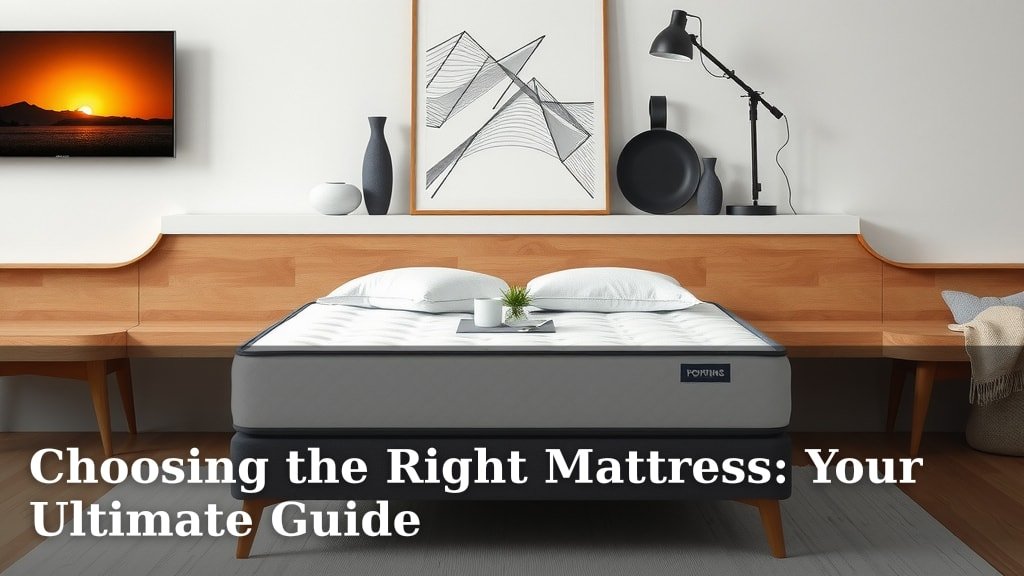
Choosing the Right Mattress: Your Ultimate Guide
Choosing the right mattress means finding one that perfectly balances comfort and support for your unique needs. The best mattress for you will depend on your preferred sleeping position, body weight, and any aches or pains you experience. We’ve researched to help you make a smart, informed decision for better sleep.
Your mattress plays a huge role in your overall well-being. A mattress that’s too soft can lead to back pain, while one that’s too firm might cause pressure points. Understanding materials like memory foam, innerspring, and hybrid designs is key. It’s about finding that sweet spot for support and achieving truly restful nights.
- Know your sleeping style.
- Consider your body weight.
- Think about material types.
- Don’t forget about motion isolation.
- Trial periods are your friend!
Let’s walk through exactly how to pick the perfect mattress for your bedroom, ensuring you get the quality sleep you deserve.
Finding Your Perfect Mattress Match
You’re here because you’re ready to upgrade your sleep. Picking the right mattress is a big decision. It directly impacts how you feel all day. We’ve researched extensively to help guide you toward a mattress that feels like it was made just for you.
Understanding Your Sleep Style
Your favorite sleeping position is a major clue. It tells us how your body needs support. Are you a side, back, or stomach sleeper? Or do you toss and turn a lot?
Side Sleepers
If you sleep on your side, you likely need a mattress that offers plenty of cushioning. This is especially true around your shoulders and hips. These areas bear the most pressure when you’re on your side. A mattress that’s too firm can cause discomfort or numbness. We found that medium-soft to medium firmness levels are often best. They allow your body to sink in just enough. This keeps your spine aligned.
Back Sleepers
For those who prefer sleeping on their back, spinal alignment is key. You need a mattress that supports the natural curve of your spine. A mattress that’s too soft won’t offer enough support. Your hips might sink too low. Conversely, a mattress that’s too firm might create pressure points. Many experts suggest a medium to medium-firm mattress. This strikes a great balance. It provides support without sacrificing comfort.
Stomach Sleepers
Sleeping on your stomach can be tough on your neck and spine. It often causes your hips to sink lower than your upper body. This can lead to back pain. We found that stomach sleepers generally need a firmer mattress. This helps keep their hips elevated. It promotes better spinal alignment. Look for medium-firm to firm options. This will help maintain that natural alignment.
Combination Sleepers
Do you switch positions throughout the night? You’re not alone! Combination sleepers need a mattress that’s responsive. It should allow you to move easily. It also needs to offer support in various positions. Medium firmness is often a great starting point. It can accommodate different sleeping styles. We found that hybrid mattresses are often a hit here. They combine coils and foam for versatility.
How Your Body Weight Matters
Your body weight plays a role in how a mattress feels. What feels firm to one person might feel soft to another. It’s about how much pressure you exert on the surface.
Lighter Individuals (Under 130 lbs)
If you weigh less, you might not sink as deeply into a mattress. A mattress that feels medium-firm to a heavier person could feel quite firm to you. You may need a softer mattress to experience contouring and pressure relief. We found that softer foams or pillow-tops can provide that much-needed comfort.
Average Individuals (130-230 lbs)
Most mattress firmness ratings are designed for this weight range. You’ll likely find a good fit with the general firmness recommendations for your sleep position. Medium to medium-firm mattresses are often the sweet spot. They provide a good mix of comfort and support.
Heavier Individuals (Over 230 lbs)
If you have a higher body weight, you’ll generally need a more supportive mattress. You might sink deeper into softer materials. This can sometimes lead to a lack of support. Look for mattresses specifically designed for durability and support. They often have reinforced coils or denser foams. Firmer options are usually recommended to prevent excessive sinking.
Exploring Different Mattress Materials
The materials used in a mattress greatly influence its feel and performance. Each type offers a unique sleeping experience. Understanding these can help you narrow down your choices.
Innerspring Mattresses
These are the traditional mattresses you might be familiar with. They use a system of steel coils for support. The coils provide a bouncy feel and good airflow. They tend to be on the firmer side. Many modern innerspring mattresses add comfort layers. These can include foam or fiber. They are often a budget-friendly option.
Memory Foam Mattresses
Memory foam is known for its body-contouring properties. It’s famous for that “hug” feeling. It conforms to your shape, relieving pressure points. However, some memory foam can trap heat. We found that newer designs often include cooling gels or open-cell structures. This helps combat overheating. They excel at motion isolation, which is great for couples.
Latex Mattresses
Latex is a durable and responsive material. It offers contouring similar to memory foam but with more bounce. It sleeps cooler than traditional memory foam. Latex mattresses can be made from natural or synthetic materials. They are often a more premium option. Many people appreciate their natural breathability and eco-friendliness.
Hybrid Mattresses
As the name suggests, hybrids combine two or more materials. They typically feature an innerspring coil support system. This is topped with layers of foam (memory foam or latex). Hybrids aim to offer the best of both worlds. You get the support and bounce of coils. You also get the comfort and pressure relief of foam. We found these to be very popular for their versatility.
Key Features to Consider
Beyond basic materials, a few other features can make a big difference in your sleep quality.
Motion Isolation
Do you share your bed? If so, motion isolation is a big deal. It means the mattress absorbs movement. Your partner tossing and turning won’t disturb you. Memory foam and latex mattresses generally excel here. Innerspring mattresses can vary. Pocketed coils offer better motion isolation than traditional ones. We found this feature is a must-have for many couples.
Edge Support
Good edge support means the perimeter of the mattress is firm. It prevents you from feeling like you’re rolling off. It also makes sitting on the edge more comfortable. Hybrid and innerspring mattresses often have better edge support. This is due to their coil systems. It can make getting in and out of bed easier.
Temperature Regulation
Do you tend to sleep hot? This is a common concern. Some mattress materials can trap heat. Look for mattresses with cooling features. These might include gel-infused foams, breathable covers, or airflow-promoting coil systems. Latex and hybrid designs often sleep cooler.
Your Mattress Checklist
Ready to shop? Keep these points in mind:
- Confirm your primary sleeping position.
- Consider your body weight for proper support.
- Think about which mattress materials appeal most.
- Prioritize motion isolation if you share a bed.
- Look for good edge support and cooling features.
- Don’t forget about trial periods and warranties!
Embrace the Trial Period
Many online mattress companies offer generous trial periods. These can range from 90 to 365 nights. This is your chance to truly test the mattress at home. Sleep experts often suggest using the full trial period. It takes time for your body to adjust. It also allows you to experience the mattress in different conditions. We found that taking advantage of these trials is smart. If it’s not the right fit, you can usually return it for a refund. Always check the specific return policy.
Conclusion
You’ve learned how to find your perfect mattress! Understanding your sleep style, body weight, and material preferences is key. Remember to consider features like motion isolation and edge support. Don’t rush the process; your ideal mattress is out there. Take your time, utilize those trial periods, and prioritize comfort and support. Your journey to better sleep starts now by making an informed choice. Your body will thank you!
Frequently Asked Questions
How long does it take to get used to a new mattress?
It typically takes your body 30 days or more to fully adjust to a new mattress. This is why most companies offer extended trial periods. Give your body ample time to experience the new feel and support.
Can a mattress really help with back pain?
Yes, the right mattress can significantly help alleviate back pain. We found that mattresses offering proper spinal alignment and support are essential. This prevents your back from sinking into unnatural positions.
What’s the difference between memory foam and latex?
Memory foam offers that classic “hug” feeling and excellent pressure relief. Latex, on the other hand, provides a more buoyant, responsive feel. Both contour to your body, but latex generally sleeps cooler and has more bounce.
Should I worry about my partner disturbing me if they move?
If you’re a light sleeper, motion isolation is a feature you’ll want. Mattresses with pocketed coils, memory foam, or latex excel at absorbing movement. This ensures one person’s tossing and turning doesn’t disrupt the other.
Is it better to buy a mattress online or in a store?
Both have pros and cons. Buying online often provides more choices and competitive pricing, plus generous trial periods. In-store lets you test the mattress firsthand. We found many people are happy with online purchases due to convenience and risk-free trials.
![5 Best Mattress Topper for RV Mattress [In 2026]](https://homeunderstandable.com/wp-content/uploads/2025/06/best-mattress-topper-for-rv-mattress-ultimate-comfort-and-cooling-solution-768x574.jpg)
![What Is The Best Mattress For Herniated Disc In Back [In 2026]](https://homeunderstandable.com/wp-content/uploads/2025/12/Best-Mattress-For-Herniated-Disc-In-Back-.jpg)
![What Is The Best Mattress For Big Hips [In 2026]](https://homeunderstandable.com/wp-content/uploads/2025/11/Best-Mattress-For-Big-Hips.jpg)