How to Clean Yellow Stains From a Mattress
The best way to clean yellow stains from your mattress involves a simple, homemade solution. You can tackle these common stains with items you likely already have at home. Gently blotting with a mixture of mild detergent and water or a baking soda paste can lift many yellow marks effectively. For tougher stains, a dilute solution of hydrogen peroxide may be necessary.
Yellow stains on mattresses are a frequent issue, often caused by sweat, body oils, or spills. Don’t worry, though! With a few careful steps, you can restore your mattress’s fresh appearance. We’ve researched effective methods to help you say goodbye to unsightly yellow marks and enjoy a cleaner sleeping surface. Understanding the cause can help prevent future stains too.
TL;DR:
- Use a mild detergent and water solution.
- Try a baking soda paste for tougher spots.
- Hydrogen peroxide can work for stubborn stains.
- Always blot, never rub, to avoid damage.
- Ensure the mattress dries completely.
Ready to refresh your mattress? Let’s walk through exactly how to tackle those yellow stains step by step.
Tackling Those Pesky Yellow Mattress Stains
Yellow stains on your mattress can be a real bummer. You might wake up and notice them, or perhaps they appear after a spill. Don’t let them get you down! We’ve researched the most effective ways to get your mattress looking fresh again. You probably have most of what you need right in your kitchen or bathroom.
These stains often come from everyday life. Sweat, body oils, and even drinks can leave their mark. The good news is that with a little effort, you can lift these yellow hues. We’ll guide you through simple methods that are surprisingly effective. Let’s get your mattress looking and feeling cleaner.
Understanding What Causes Yellow Stains
Before we dive into cleaning, it helps to know why these stains happen. This can help you prevent them in the future. Most yellow stains are organic in nature. They are usually a byproduct of normal body functions or accidents.
Sweat and Body Oils
This is the most common culprit. As we sleep, our bodies naturally sweat. We also release body oils. These substances can soak into the mattress fabric over time. They can then oxidize and turn yellow. This is especially true for lighter-colored mattresses.
Spills and Accidents
Did you enjoy a late-night snack or drink in bed? Even water can leave a mark if not dried properly. Other liquids, like juice, coffee, or tea, can also contribute. If not treated promptly, these can set and turn yellow.
Aging and Oxidation
Sometimes, mattresses just age. The materials inside can break down over time. This process can lead to discoloration, including yellowing. It’s like how an old piece of paper turns yellow in the sun. This is a natural process, but cleaning can help mitigate the visual impact.
Gathering Your Cleaning Supplies
You don’t need fancy or expensive cleaning products. Most of the best solutions are DIY. Having these on hand will make your mattress cleaning task much easier. Check your home before you head to the store.
- Mild laundry detergent or dish soap
- Baking soda
- White vinegar (optional, for some stains)
- Hydrogen peroxide (3% solution)
- Clean cloths or towels (several)
- Spray bottle
- Vacuum cleaner
- Spoon or spatula (for paste)
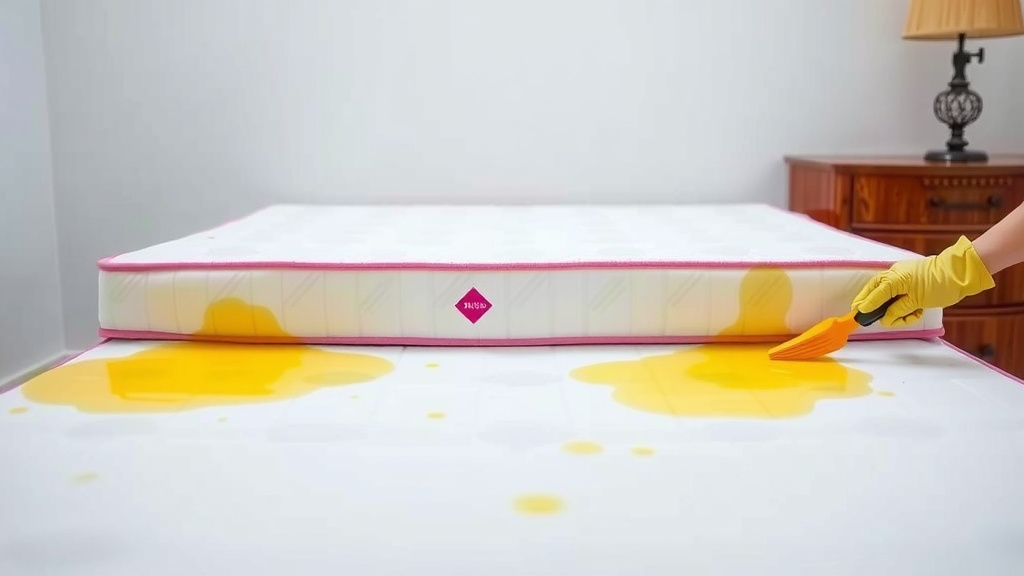
Step-by-Step Cleaning Methods
Now for the fun part – actually cleaning those stains! We recommend starting with the gentlest methods. You can always move to stronger solutions if needed. Remember, patience is key.
Method 1: Mild Detergent and Water
This is your first line of defense. It’s effective for many common stains. You’ll be surprised at how well this works.
Mixing the Solution
In your spray bottle, mix about a tablespoon of mild liquid detergent with a cup of cool water. Swish it around gently. You don’t want a lot of suds. Too much soap can be hard to rinse out.
Applying the Solution
Lightly spray the stained area. Don’t soak the mattress. You want it damp, not dripping wet. Dampness helps lift the stain without damaging the inner materials.
Blotting is Key
Take a clean cloth and gently blot the stain. Start from the outside and work your way in. This prevents the stain from spreading. Press firmly but do not rub. Rubbing can damage mattress fibers.
Rinsing and Drying
Dampen another clean cloth with plain water. Blot the area again to “rinse” away the soap. Then, use a dry towel to blot up as much moisture as possible. Allow the mattress to air dry completely. You can open windows to speed this up. A fan can also help.
Method 2: Baking Soda Paste
For tougher stains, baking soda is a fantastic natural cleaner. It absorbs odors and lifts stains effectively. Many experts agree on its cleaning power (National Center for Biotechnology Information).
Making the Paste
Mix about half a cup of baking soda with a small amount of water. You want a thick paste, like toothpaste. Stir it with a spoon until it’s well combined. Don’t make it too watery.
Applying the Paste
Gently spread the paste over the yellow stain. Use a spoon or spatula to apply it evenly. Let it sit for at least 30 minutes. For really stubborn stains, you can let it sit for a few hours.
Removing the Paste
Once the paste has dried, vacuum it up. Use your vacuum cleaner’s upholstery attachment. This should lift the dried paste and the stain with it. If any residue remains, you can gently wipe it with a slightly damp cloth, then blot dry.
Method 3: Hydrogen Peroxide (For Stubborn Stains)
Hydrogen peroxide is a mild bleaching agent. It can tackle stains that other methods don’t touch. Use this with caution and test it on an inconspicuous area first.
Diluting the Solution
Mix equal parts of 3% hydrogen peroxide and cool water in your spray bottle. So, one part peroxide to one part water. You’re creating a milder solution. This is a commonly recommended approach for stain removal (Mayo Clinic).
Application and Blotting
Lightly spray the diluted solution onto the stain. Again, avoid soaking the mattress. Let it sit for about 10-15 minutes. Then, gently blot the area with a clean, damp cloth. Follow up with a dry cloth to absorb moisture.
Why it Works
Hydrogen peroxide breaks down the stain molecules. It lifts them from the fabric. It also has mild disinfectant properties. Just be sure to rinse thoroughly and dry well.
Important Tips for Mattress Cleaning
Beyond the specific methods, a few general rules can save your mattress. These are crucial for success and for keeping your mattress in good shape for years to come.
- Always test first. Before applying any cleaner to the main stain, test it on a small, hidden spot. This ensures it won’t discolor or damage the fabric.
- Ventilate the room. Open windows and doors while you clean. This helps with drying and keeps the air fresh.
- Never use harsh chemicals. Avoid bleach or ammonia. These can damage mattress materials and their fumes can be harmful.
- Ensure complete dryness. This is non-negotiable. A damp mattress can lead to mold and mildew. This is a common concern for sleep experts (Cleveland Clinic).
- Use a mattress protector. Once clean, invest in a good mattress protector. This is the best way to prevent future stains.
A Quick Reference Guide
Here’s a quick checklist to help you remember the key steps:
- Gather your supplies (detergent, baking soda, cloths).
- Start with a mild detergent solution.
- Blot, never rub, to lift stains.
- Use baking soda paste for tougher spots.
- Test hydrogen peroxide cautiously on very stubborn stains.
- Ensure the mattress dries completely before making the bed.
Conclusion
You’ve learned that those yellow mattress stains don’t have to be permanent. By using simple household items like mild detergent, baking soda, and even carefully diluted hydrogen peroxide, you can effectively lift and remove them. Remember the golden rule: always blot, never rub, to protect your mattress fibers. Ensuring your mattress dries completely is also key to preventing future issues like mold. Take these steps today to refresh your mattress and enjoy a cleaner, more comfortable sleep environment!
Frequently Asked Questions
How often should I clean my mattress?
It’s a good idea to give your mattress a light cleaning every three to six months. This regular maintenance helps prevent stains from setting in and keeps allergens at bay. If you notice any spills or spots, clean them immediately to make removal easier.
Can I use a steam cleaner on my mattress?
While steam cleaners can sanitize, they use a lot of moisture. This can be risky for mattresses as it can lead to mold and mildew if not dried thoroughly. Stick to the blotting methods discussed to minimize moisture and protect your mattress.
What if the stain is still there after trying these methods?
If a stain persists, you might have an older, set-in stain or a different type of discoloration. You could try repeating the hydrogen peroxide method or consulting a professional mattress cleaning service. Sometimes, a good mattress protector can simply cover minor remaining marks.
Is it safe to sleep on a mattress that’s still slightly damp?
No, it’s not safe. A slightly damp mattress can become a breeding ground for mold and mildew, which can affect your health and the mattress’s integrity. Always ensure your mattress is completely dry before making the bed or sleeping on it.
Will these cleaning methods damage my mattress fabric?
When done correctly, these methods are generally safe. The key is to use mild solutions, avoid over-saturating the mattress, and always blot rather than rub. Testing any solution on an inconspicuous area first is the best way to ensure no damage occurs.
![What Is The Best Organic Mattress for Lightweight Persons [In 2026]](https://homeunderstandable.com/wp-content/uploads/2025/08/Best-Organic-Mattress-for-Lightweight-Persons.jpg)
![7 Best Mattress Pad For Latex Mattress [2026]](https://homeunderstandable.com/wp-content/uploads/2026/07/7-best-mattress-pad-for-latex-mattress-2026-featured-768x432.jpg)
![What Is The Best Mattress for Herniated Discs [In 2026]](https://homeunderstandable.com/wp-content/uploads/2025/06/best-mattress-for-herniated-discs.jpg)
![7 Best Mattress For Someone Over 200 Lbs [2026]](https://homeunderstandable.com/wp-content/uploads/2026/06/7-best-mattress-for-someone-over-200-lbs-2026-featured-768x432.jpg)