
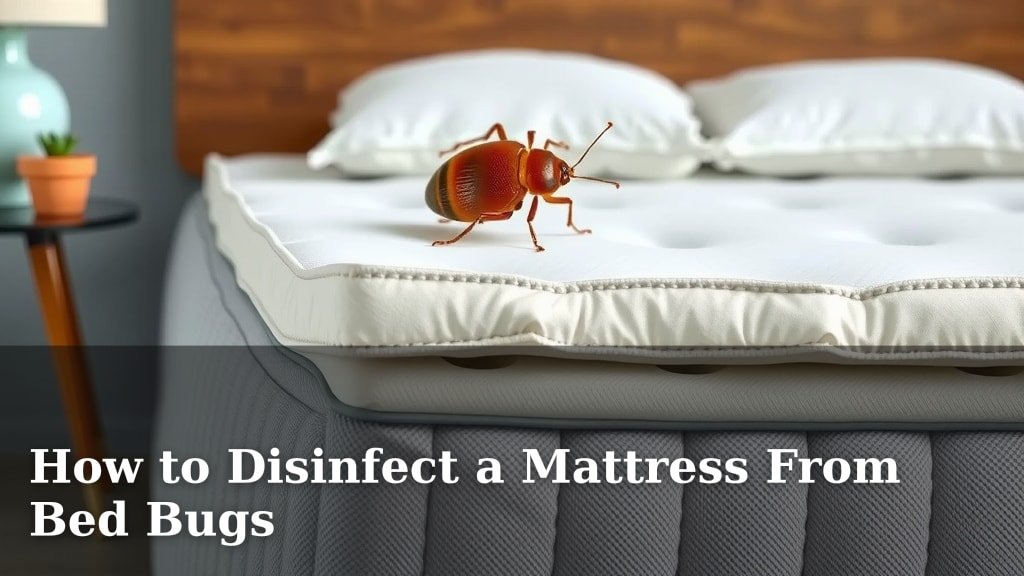
How to Disinfect a Mattress From Bed Bugs
The easiest way to disinfect a mattress from bed bugs is by vacuuming thoroughly and then using a steam cleaner. Bed bugs are tiny and hide in the mattress seams. You need to be persistent to get rid of them completely. This process requires careful attention to detail.
Dealing with bed bugs can be a frustrating experience. It’s important to understand that a multi-step approach is usually most effective. Many experts recommend combining heat treatments with careful cleaning to ensure all stages of the bed bug lifecycle are targeted. This helps prevent them from returning.
- Vacuum your mattress thoroughly, focusing on seams.
- Use a steam cleaner on a medium heat setting.
- Consider a mattress encasement to trap remaining bugs.
- Wash all bedding in hot water.
- Repeat the cleaning process regularly.
Let’s walk through exactly how to disinfect your mattress step by step to reclaim your peace of mind.
Your Guide to Defeating Bed Bugs on Your Mattress
Facing a bed bug infestation can feel overwhelming, can’t it? You want to get rid of those tiny pests and feel safe in your bed again. We’ve gathered the most effective steps to help you disinfect your mattress and reclaim your sleep. Think of this as your battle plan against these unwelcome guests.
Getting rid of bed bugs requires patience and a thorough approach. It’s not just about killing the ones you see; it’s about eliminating every single one, including any eggs or nymphs that might be hiding. Combining different methods is key to success. This ensures you’re not missing any hiding spots.
Step 1: The Mighty Vacuuming Technique
Before you do anything else, your vacuum cleaner is your first line of defense. This might sound simple, but it’s incredibly important for removing visible bed bugs, their eggs, and even their droppings. You want to be really meticulous here.
Getting into Every Nook and Cranny
Focus especially on the seams and crevices of your mattress. Bed bugs love to hide in these tight spaces. Make sure you go slowly and overlap your strokes. Think of it as a deep clean, not a quick once-over.
Don’t Forget the Box Spring and Frame
Bed bugs don’t just stick to the mattress. They can hide in your box spring, bed frame, headboard, and even nearby furniture. Vacuum these areas thoroughly too. Get into every joint and crevice where they might be lurking.
What to Do With the Vacuum Bag
Once you’re done vacuuming, you need to deal with the vacuum bag immediately. This is crucial to prevent any bugs you’ve collected from escaping back into your home. Seal the bag tightly and dispose of it outside in a garbage bin with a lid. Many experts recommend using a vacuum with a HEPA filter to trap tiny particles.
Step 2: Harnessing the Power of Steam
After vacuuming, a steam cleaner is your next best weapon. Heat is a bed bug’s worst enemy. High temperatures can kill them at all life stages, from eggs to adults. You don’t need super-high industrial equipment; a standard home steam cleaner works well.
Setting the Right Temperature and Technique
Use a medium heat setting on your steam cleaner. Hold the steam nozzle very close to the mattress surface, about an inch away. Move the nozzle slowly, allowing the steam to penetrate the fabric and seams. This slow, steady application ensures the heat reaches the bugs hiding within.
Which Types of Steamers are Best?
You can use a handheld steamer or one with a floor attachment. The key is consistent heat application. Be sure to follow the manufacturer’s instructions for your specific steam cleaner. Some models are better suited for fabric than others.
Safety Precautions for Steaming
Be careful not to over-soak the mattress. Too much moisture can lead to mold and mildew. Work in sections and allow each section to dry before moving to the next. Ensure the room is well-ventilated during and after steaming.
Step 3: The Crucial Laundry Mission
While you’re tackling the mattress itself, don’t forget your bedding. Everything your bed bug foes might have encountered needs to be cleaned thoroughly. This includes sheets, pillowcases, blankets, and even stuffed animals.
Hot Water is Your Friend
Wash all bedding and linens in the hottest water setting your washing machine allows. For most bed bugs and their eggs, this means water heated to at least 120°F (49°C). Check your fabric care labels, but prioritize getting them clean of pests.
Drying Them Out Completely
After washing, dry your bedding on a high heat setting in the dryer. The intense heat from the dryer will kill any remaining bed bugs or eggs that survived the wash. Let them dry completely before putting them back on the bed.
Storing Clean Linens
Keep your clean bedding in a sealed plastic bag or container until your mattress is completely free of bed bugs. This prevents re-infestation from bugs that might still be in your room or on the mattress.
Step 4: Consider Mattress Encasements
Once you’ve thoroughly cleaned your mattress, a mattress encasement is a smart protective measure. These are special zippered covers designed to completely enclose your mattress.
How Encasements Work
A good quality encasement traps any bed bugs that might still be inside your mattress. They won’t be able to get out to feed on you. Over time, without food, any remaining bugs will die. They also prevent new bed bugs from getting into your mattress.
Choosing the Right Encasement
Look for encasements that are specifically designed for bed bugs. They should have a zipper that locks and be made of a durable material. This is a great long-term investment for peace of mind. Many sources suggest keeping the encasement on for at least a year.
Your Bed Bug Eradication Checklist
Here’s a quick rundown to make sure you cover all your bases:
- Vacuum mattress, box spring, and bed frame thoroughly.
- Steam mattress seams and crevices on medium heat.
- Wash all bedding in hot water and dry on high heat.
- Dispose of vacuum bag outside immediately.
- Encase your mattress and box spring in a bed bug-proof cover.
- Repeat vacuuming and steaming every few days for at least two weeks.
Conclusion
You’ve got this! Disinfecting your mattress from bed bugs takes a thorough approach, but it’s entirely achievable. Remember, consistency is your greatest ally. Vacuuming every nook and cranny, applying steam carefully, and washing bedding in hot water are your core strategies. Don’t forget the protective power of mattress encasements for long-term defense. Keep at it, and you’ll soon be sleeping soundly again. Your next step is to schedule your first thorough cleaning session and start reclaiming your peace of mind.
Frequently Asked Questions
How often should I repeat the mattress cleaning process?
It’s recommended to repeat the vacuuming and steaming process every few days for at least two weeks. This ensures you catch any newly hatched bed bug nymphs or eggs that might have survived the initial treatment. Consistent follow-up is key to complete eradication.
Can I use any household cleaning products on my mattress?
Generally, it’s best to avoid harsh chemical sprays directly on your mattress unless specifically recommended by a pest control professional for bed bug treatment. Over-the-counter sprays can sometimes damage mattress materials or leave behind residues. Stick to the steam and vacuum methods we’ve outlined for safe and effective disinfection.
How long does it take for bed bugs to die inside a mattress encasement?
Once a mattress is completely encased, any bed bugs trapped inside will eventually die from starvation. This process can take anywhere from a few weeks to over a year, depending on the number of bugs and their access to food. Keeping the encasement on for at least a year is strongly advised.
What if I see more bed bugs after cleaning my mattress?
Seeing a few more bugs after your initial treatment is not uncommon and doesn’t necessarily mean the infestation is back. It could be some that survived or hatched recently. Continue with your regular vacuuming and steaming schedule. If the problem persists or worsens, it might be time to consult a professional pest control service.
Should I treat other furniture in the room besides the mattress?
Absolutely. Bed bugs don’t limit themselves to just the mattress. They love to hide in headboards, bed frames, nightstands, and even cracks in the walls or electrical outlets. You should vacuum and inspect all surrounding furniture and potential hiding spots thoroughly as part of your eradication plan.

![What Is The Best Mattress for Electric Hospital Bed [In 2026]](https://homeunderstandable.com/wp-content/uploads/2025/12/Best-Mattress-for-Electric-Hospital-Bed.jpg)
![What Is The Best Mattress for Fatties [In 2026]](https://homeunderstandable.com/wp-content/uploads/2025/12/Best-Mattress-for-Fatties.jpg)
![7 Best Mattress For Snoring Reddit [2026]](https://homeunderstandable.com/wp-content/uploads/2026/06/7-best-mattress-for-snoring-reddit-2026-featured-768x432.jpg)
![7 Best Mattress For Plus Size Sleepers [2026]](https://homeunderstandable.com/wp-content/uploads/2026/05/7-best-mattress-for-plus-size-sleepers-2026-featured-768x432.jpg)
![7 Best Mattress For Sex And Back Pain [2026]](https://homeunderstandable.com/wp-content/uploads/2026/06/7-best-mattress-for-sex-and-back-pain-2026-featured-768x432.jpg)