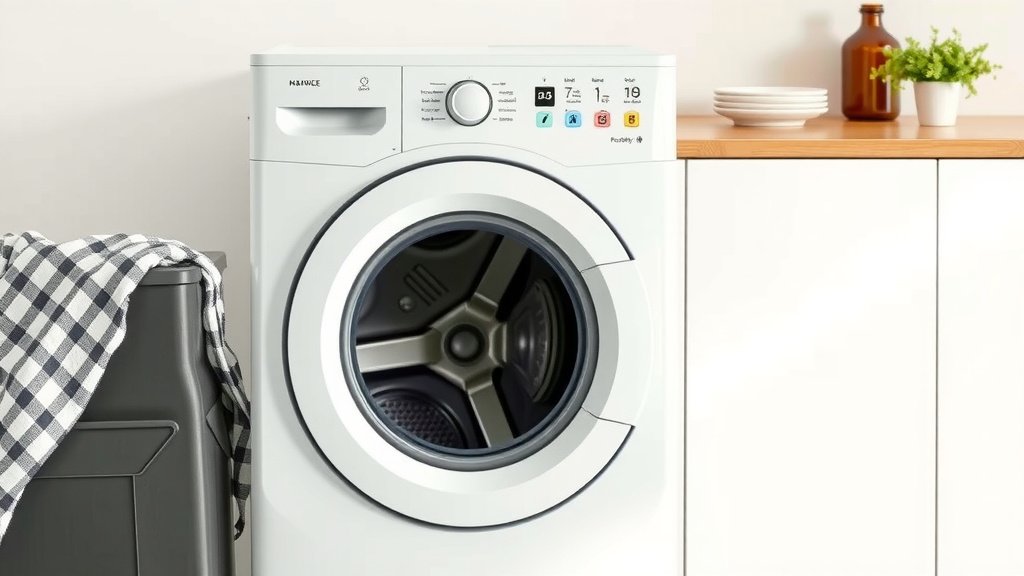
How to Fill Your Front Load Washer for Best Results
You can easily fill your front load washer by placing clothes loosely into the drum without packing them down. The key is to allow enough space for the clothes to tumble freely during the wash cycle for optimal cleaning. Avoid overloading the machine; your clothes need room to move.
Front load washers use less water, so it’s important to load them correctly to ensure clothes get clean and the machine runs efficiently. Properly loading means you’re helping your machine work its best and preventing common issues like poor rinsing or excessive wear and tear.
- Don’t pack clothes too tightly.
- Leave space at the top of the drum.
- Separate lights and darks.
- Check pockets for forgotten items.
- Use the right amount of detergent.
Ready to get your laundry done right? Let’s walk through exactly how to load your front load washer step by step.
“`htmlLoading Your Front Load Washer Correctly
You’ve got a front load washer, and it’s a great machine! Now, let’s make sure you’re filling it up the right way. It’s not as simple as just shoving clothes in. Getting this right means cleaner clothes and a happier machine. We’ll guide you through each step so your laundry day is a breeze.
The main goal is to give your clothes enough room to move and tumble freely. This allows water and detergent to reach every fiber. Overloading is the enemy of a good wash cycle. You want your clothes to get clean, not just get shaken around in a tight ball.
Understanding How Front Loaders Work
Front load washers are different from top loaders. They don’t fill up with water to the brim. Instead, they tumble clothes through a small amount of water and detergent. This makes them more water-efficient. Because they use less water, how you load them is even more important.
The Tumbling Action is Key
Imagine your clothes doing a gentle dance in the drum. That’s what happens in a front loader. The drum rotates, lifting the clothes and dropping them back into the water. This “tumbling” action is what loosens dirt and grime. If the drum is too full, this tumbling can’t happen effectively.
Why Water Efficiency Matters for Loading
Since less water is used, every drop counts. You need to ensure the water can circulate properly. If clothes are packed too tightly, they can create barriers. This prevents water from getting to all the fabrics. That leads to clothes that aren’t rinsed properly, and you might even find soap residue. We found that proper loading helps maintain the machine’s efficiency (Consumer Reports).
Preparing Your Laundry Load
Before you even think about putting clothes in the machine, a little prep work goes a long way. This makes the actual loading process smoother and ensures better results.
Sorting Your Laundry Properly
This is a foundational step for any washing. Mixing colors can lead to disasters. Whites can pick up dye from darker items. Even mixing colors that seem similar can cause a slight dinginess over time. Many experts recommend sorting into at least three categories: whites, lights, and darks (Good Housekeeping Institute).
Whites
These are your plain white items. Think t-shirts, socks, underwear, and towels that are purely white. Keeping them separate prevents them from becoming gray or dingy.
Lights and Colors
This category includes pastels, bright colors, and lighter shades. It’s wise to check the care labels on your garments. Some items with a lot of dye might need to be washed alone the first few times.
Darks
These are your blacks, navies, deep reds, and other dark hues. They have the highest risk of bleeding dye. You might even want to separate deep reds or purples into their own load.
Checking Pockets and Zippers
This is a step many people forget, but it’s vital. Loose change can get lodged in the drum or pump. Pens can leak ink all over your load. And forgotten tissues? They’ll disintegrate and coat everything in a fuzzy layer. It’s a frustrating mess to clean up later!
Also, zip up zippers and fasten hooks. These can snag on delicate fabrics in the same load. It’s a simple habit that protects your clothes.
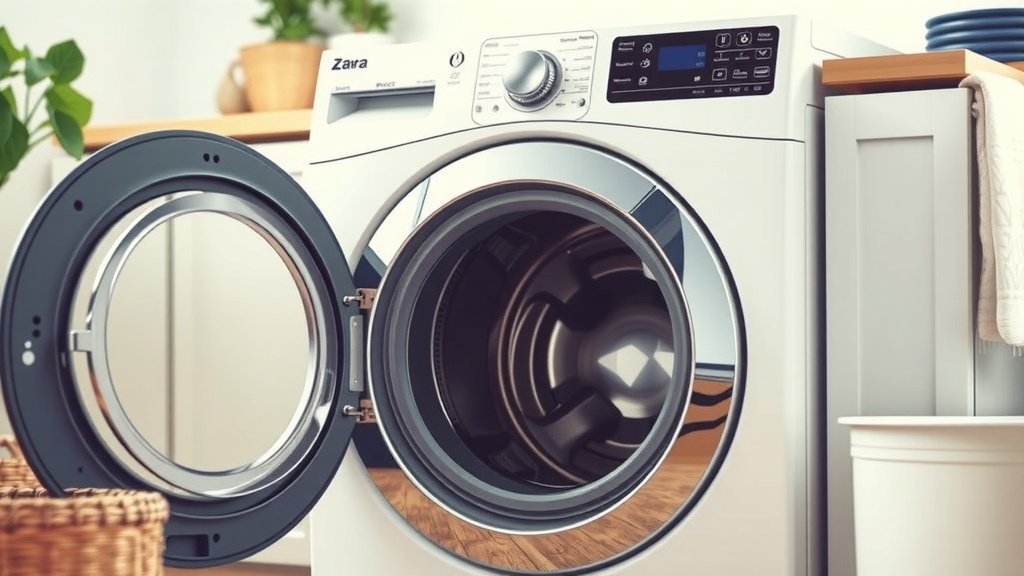
The Art of Loading the Drum
Now for the main event! Getting the clothes into the drum is where many people make mistakes. Remember, loose is the key word here.
Don’t Pack It In!
This is the cardinal rule. Imagine you’re filling a laundry basket for the last time. You might be tempted to stuff it full. Don’t do that with your washer drum. You should be able to easily fit your hand vertically between the clothes and the top of the drum.
We found that leaving about a hand’s width of space at the top ensures proper tumbling. It might feel like you’re not washing a lot, but trust us, your clothes will come out cleaner and fresher. Think of it as giving your laundry room to breathe.
Distribute Items Evenly
Once you have your loosely loaded items, try to spread them out. Don’t just dump everything in one spot. This helps maintain balance during the spin cycle. An unbalanced load can cause the machine to vibrate excessively. It can even lead to premature wear and tear on the machine’s components (Maytag).
What About Larger Items?
Things like comforters, blankets, or large towels need special attention. These items can clump together. They can unbalance the load easily. If you’re washing a large item, try to balance it with a few smaller, equally weighted items. Or, consider washing them alone if they are very bulky.
Using the Right Amount of Detergent
Loading the drum is only part of the equation. The detergent you use is just as important. Front load washers require a special type of detergent and a precise amount.
HE Detergent is a Must
You absolutely need to use High-Efficiency (HE) detergent. These detergents create fewer suds than traditional detergents. Too many suds can overwhelm a front loader. They can prevent proper rinsing and even damage the machine. You’ll see an “HE” symbol on the bottle, which is what you need to look for.
How Much Detergent is Enough?
This is where many people get it wrong. Front loaders use so little water that you need much less detergent than you might think. Check the detergent manufacturer’s instructions. Usually, for a medium load, you only need a capful or a small amount. Overdosing can lead to residue on clothes and in the machine. Many washing machine manufacturers recommend using only about 1 to 2 tablespoons of HE detergent for a standard load (LG Appliances).
Where to Add Detergent
Your washer likely has a dispenser drawer. It typically has separate compartments for detergent, fabric softener, and bleach. Always use these compartments. Pouring detergent directly onto clothes can cause uneven distribution and potential damage.
A Quick Loading Checklist
- Sort lights, darks, and whites into separate loads.
- Check all pockets for coins, tissues, or other items.
- Zip zippers and fasten hooks to protect clothes.
- Load clothes loosely, leaving space at the top.
- Distribute items evenly around the drum.
- Use the correct amount of HE detergent in the dispenser.
Conclusion
You’ve learned the essentials for perfectly filling your front load washer. Remember, the key is giving your clothes space to tumble freely. This simple step ensures they get thoroughly cleaned and rinsed. Sorting your laundry and using the right amount of HE detergent are also vital. By following these tips, you’ll get cleaner clothes and help your machine run efficiently for years to come. Go ahead and start that load with confidence!
Frequently Asked Questions
How full is too full for a front load washer?
A good rule of thumb is to leave about a hand’s width of space at the top of the drum. Your clothes should not be packed tightly. They need room to move and tumble for proper cleaning.
Can I wash a bulky item like a comforter in my front load washer?
Yes, but with caution. Bulky items can unbalance the load. Try washing them with a few smaller, equally weighted items. For very large comforters, consider a separate wash cycle.
What happens if I use too much detergent in my front load washer?
Using too much detergent creates excessive suds. This can prevent clothes from rinsing properly. It may also lead to residue build-up inside your machine over time.
Do I need to zip up all zippers before washing?
Yes, it’s a good idea. Zippers, hooks, and other hardware can snag on delicate fabrics in the same load. Fastening them protects your clothes from damage during the wash.
Can I just toss my laundry in, or does the order matter?
While you don’t need a strict order, distributing items evenly around the drum is helpful. This helps maintain balance during the spin cycle, reducing vibrations and wear on the machine.

![7 Best Top Load Washing Machine Price [In 2026]](https://homeunderstandable.com/wp-content/uploads/2026/09/7-best-top-load-washing-machine-price-in-2026-featured-768x432.jpg)
![7 What Is The Best Stackable Washer Dryer Combo [In 2026]](https://homeunderstandable.com/wp-content/uploads/2026/09/7-what-is-the-best-stackable-washer-dryer-combo-in-2026-featured-768x432.jpg)
![7 Best Low Cost Washer And Dryer [In 2026]](https://homeunderstandable.com/wp-content/uploads/2026/09/7-best-low-cost-washer-and-dryer-in-2026-featured-768x432.jpg)