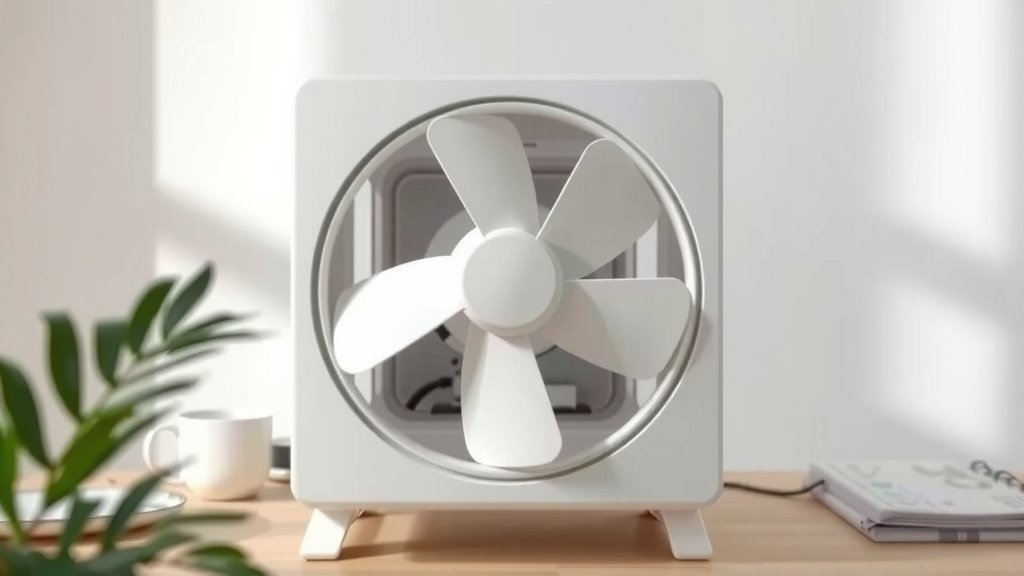
DIY Box Fan Air Purifier: Easy Guide
Yes, you can absolutely make an effective air purifier using a box fan and a furnace filter. This DIY method is a budget-friendly way to improve your indoor air quality. It’s a surprisingly simple project that can make a noticeable difference in your home.
This approach is often called a Corsi-Rosenthal box. It works by forcing air through a high-efficiency filter. Many experts have researched its effectiveness. It’s a popular choice for homes and even some classrooms to help reduce airborne particles like dust and allergens. Plus, it’s a smart hack for cleaner air without breaking the bank.
- It’s a DIY air filter.
- Uses a box fan and furnace filter.
- Cost-effective for better air.
- Helps reduce dust, allergens, and more.
Ready to learn how to build your own super-simple air purifier? Let’s walk through exactly how this works step by step.
“`htmlBuilding Your Own Box Fan Air Purifier
You’re ready to take on this simple project to clean up your indoor air. It’s easier than you might think to create a functional air purifier. We’ll guide you through the process step by step. You’ll be breathing easier in no time!
Understanding How This DIY Purifier Works
This clever contraption essentially turns your box fan into a powerful air filter. The fan pulls air through a furnace filter, trapping particles. Think of the filter as a sieve for the air in your room. It catches things you don’t want to breathe.
The Science Behind the Simplicity
The effectiveness comes down to the filter’s MERV rating. MERV stands for Minimum Efficiency Reporting Value. Higher MERV ratings mean better filtration. We’re looking for filters that can capture smaller particles.
Research has shown that these DIY units can be surprisingly effective. They can significantly reduce airborne particles. This includes dust, pollen, pet dander, and even some virus-carrying aerosols. Many experts agree this is a **smart and economical solution** for improving indoor air quality (University of Minnesota School of Public Health).
Key Components You’ll Need
Gathering your materials is the first step. You likely already have a box fan. If not, they are readily available at most hardware or home goods stores.
- Box Fan: A standard 20-inch box fan is ideal.
- Furnace Filter: A 20x20x1 inch filter is typically used.
- Duct Tape: For sealing everything up tight.
- Optional: Cardboard or other materials for fan shroud.
Choosing the Right Furnace Filter
The filter is the heart of your DIY air purifier. Selecting the right one makes a big difference. You want a balance between filtration efficiency and airflow.
MERV Rating Explained
As we mentioned, MERV is key. For this project, a MERV rating between 11 and 13 is often recommended. This range provides good filtration without overly restricting airflow.
- MERV 8-10: Captures larger particles like dust mites and pollen.
- MERV 11-13: Captures smaller particles like mold spores, pet dander, and some bacteria.
- MERV 14+: Highly efficient but may restrict airflow too much for a standard box fan.
We found that MERV 13 filters offer a **great sweet spot** for performance and fan longevity. They capture a wide range of common indoor air pollutants.
Filter Size Matters
Ensure your filter matches the dimensions of your box fan. A 20x20x1 inch filter is the most common size. It fits snugly onto the back of a standard 20-inch box fan. This ensures air is pulled through the filter material.
Step-by-Step Assembly Guide
Let’s get this air purifier built! It’s a straightforward process that takes just a few minutes.
Attaching the Filter to the Fan
The goal is to create a seal so air can’t bypass the filter. You want all the air being moved by the fan to pass through the filter material.
- Orient the Filter: Look for the arrow on the side of the furnace filter. This arrow indicates the direction of airflow. It should point *towards* the fan motor.
- Place the Filter: Position the filter against the back of the box fan. The back is where the air is drawn *in*.
- Secure with Tape: Use duct tape to firmly attach the filter to the fan housing. Go all the way around the edges. Make sure there are no gaps. You want a **tight seal**.
Creating a Fan Shroud (Optional but Recommended)
Some people create a shroud. This is typically made from cardboard. It attaches to the *front* of the fan. It helps direct the filtered air more efficiently into the room. This step isn’t strictly necessary but can improve performance.
You’d cut a piece of cardboard to fit. Then, attach it to the front grille of the fan, leaving an opening for the air to exit. Tape it securely. This helps funnel the air outward.
Setting Up Your New Air Purifier
Once it’s assembled, simply plug in your box fan and turn it on. Start with a lower speed setting. You can increase it if needed, but lower speeds are often quieter and still effective.
Tips for Optimal Use and Maintenance
You’ve built your purifier; now let’s make sure you get the most out of it. Regular care keeps it running smoothly.
Placement in Your Room
Place your DIY air purifier in a central location. It should be away from walls or furniture that could block airflow. This allows it to circulate air effectively throughout the space. Many users find a corner works well.
Filter Replacement Schedule
Furnace filters don’t last forever. They get clogged with the particles they capture. How often you need to replace it depends on your environment.
In dusty areas or if you have pets, you might need to replace the filter every 1-2 months. In cleaner environments, it could last 3-6 months. Visually inspect the filter. If it looks visibly dirty or grey, it’s time for a change. We found that replacing it regularly ensures **peak filtering performance**.
Fan Maintenance
Periodically, you might want to dust the fan blades and grille. Turn off and unplug the fan before doing this. A simple dusting will keep the fan running efficiently.
What About Noise?
Box fans can be a bit noisy, especially on higher settings. If noise is a concern, try running the fan on its lowest speed. Some people also place the fan on a rug or mat to help dampen vibrations.
Is This Box Fan Purifier Right for You?
This DIY air purifier is a fantastic option for many situations. It’s especially great for dorm rooms, offices, or smaller living spaces. It’s also a **budget-friendly choice** for anyone looking to improve their home’s air quality without a huge investment.
While it might not be as sophisticated as a high-end commercial air purifier, it offers a significant improvement. It addresses common airborne irritants effectively. For the cost and ease of assembly, it’s a **win-win solution**.
Quick Checklist for Your Build:
- Have your 20-inch box fan ready.
- Select a MERV 11-13 furnace filter (20x20x1).
- Ensure filter airflow arrow points towards the fan.
- Use duct tape to create a complete seal around the filter.
- Place the purifier in a central location.
- Remember to schedule filter replacements.
Conclusion
You’ve now learned how simple and effective it is to build your own air purifier with just a box fan and a furnace filter. This DIY solution offers a cost-effective way to significantly improve your indoor air quality. By choosing the right filter and ensuring a good seal, you’re creating a powerful tool against dust, allergens, and other airborne particles. Ready to start breathing cleaner air? Gather your materials and assemble your purifier today to experience the difference!
Frequently Asked Questions
How often should I replace the furnace filter in my DIY air purifier?
You’ll want to replace the filter every 1 to 3 months, depending on your home’s air quality. If you have pets or live in a dusty area, check it more frequently. A visibly dirty or grey filter means it’s time for a change to maintain optimal performance.
Can I use a HEPA filter with my box fan?
While HEPA filters offer excellent filtration, they can be too restrictive for a standard box fan. This can strain the motor and reduce airflow. A MERV 11-13 furnace filter generally provides a better balance of filtration and airflow for this type of DIY setup.
Will this DIY air purifier make much noise?
Box fans can produce some noise, especially on higher settings. For a quieter operation, we found running the fan on its lowest speed is often sufficient. Placing the fan on a soft surface like a rug can also help reduce vibrations and noise.
Is a fan shroud really necessary for my box fan air purifier?
A fan shroud is optional but recommended for better performance. It helps direct the airflow more efficiently out into the room. Without one, air can escape around the edges, reducing the purifier’s effectiveness slightly.
Where is the best place to position my DIY air purifier?
For the best results, place your DIY air purifier in a central location in the room. Keep it away from walls or large furniture that could obstruct airflow. This allows it to circulate air more effectively throughout your living space.
![What Is The Best Air Purifier for 600 Sq Ft [In 2026]](https://homeunderstandable.com/wp-content/uploads/2025/06/best-air-purifier-for-600-sq-ft.jpg)