How to Pick the Right Mattress: Your Complete Guide to Better Sleep
Let me be honest with you—choosing a mattress is one of those decisions that feels surprisingly overwhelming. You spend roughly a third of your life on this thing, yet most of us treat mattress shopping like we’re picking up milk at the grocery store. The truth is, finding the right mattress is deeply personal, and what works perfectly for your best friend might feel like sleeping on a cloud of regret for you.
I’ve done the research, tested the theories, and talked to sleep experts so you don’t have to navigate this confusing landscape alone. In this guide, I’m going to walk you through everything you need to know about selecting a mattress that actually suits your body, your sleep style, and your budget.
Understanding Your Sleep Style: The Foundation of Everything
Before you even think about firmness levels or memory foam versus springs, you need to understand how you actually sleep. Are you a back sleeper, a side sleeper, or do you thrash around like you’re wrestling an invisible opponent? Your sleep position isn’t just a quirky habit—it’s fundamental to mattress selection.
Are You a Back Sleeper?
Back sleepers need a mattress that maintains proper spinal alignment without letting your lower back sink too far into the surface. Think of it like a supportive hand that keeps your spine in its natural curve. A medium-firm mattress typically works best for back sleepers because it provides enough support while still offering some cushioning for pressure relief.
The Side Sleeper Situation
If you’re a side sleeper, your mattress needs to accommodate the unique pressure points at your shoulders and hips. These areas need more give than the rest of your body. A medium to slightly softer mattress generally works better here because it allows these pressure points to sink in slightly while still supporting your spine’s alignment. Without proper cushioning, side sleepers often wake up with shoulder and hip pain.
Stomach Sleepers and Their Unique Needs
Stomach sleeping is trickier than people think. You need a firmer mattress to prevent your midsection from sagging, which can strain your lower back. However, you also need enough cushioning to prevent your chest and face from feeling uncomfortable. It’s a balancing act, and honestly, many sleep experts recommend that stomach sleepers try transitioning to back or side sleeping for better overall spinal health.
Mattress Firmness Levels: Decoding the Mystery
When you shop for mattresses, you’ll hear terms like “plush,” “medium,” and “firm.” These aren’t standardized measurements—they’re more like guidelines that vary between manufacturers. Understanding what these terms really mean is crucial.
Soft and Plush Mattresses
A soft mattress feels like sinking into a cloud. It’s incredibly comfortable during the first few minutes, but it might not provide enough support for proper spinal alignment, especially if you’re heavier or have back problems. Plush mattresses are usually best for lighter individuals or side sleepers who want maximum pressure relief.
Medium Firmness: The Goldilocks Zone
Medium mattresses are called the “just right” option for a reason. They offer a balance between support and comfort, making them suitable for a wide range of sleep positions and body types. If you’re unsure about your preferences, starting with a medium firmness is a smart move.
Firm Mattresses for Support
Firm mattresses provide strong support and minimal sinking. They’re ideal for back and stomach sleepers, heavier individuals, and anyone who values support over plushness. However, a mattress that’s too firm can create pressure points and feel uncomfortable for lighter sleepers.
Mattress Materials: What’s Actually Inside?
The material composition of your mattress affects how it feels, how long it lasts, and how well it regulates temperature. Let’s break down the main options.
Memory Foam: The Popular Choice
Memory foam molds to your body shape, providing excellent pressure relief. It’s particularly good for people with joint pain or those who like that “hug” feeling. The downside? Memory foam can trap heat, making some people feel hot during the night. Newer gel-infused memory foam options help with temperature regulation.
Innerspring Mattresses: The Classic Option
These traditional mattresses use metal coils for support, topped with comfort layers. They typically offer good airflow and bounce, which some people prefer. Innerspring mattresses are often more affordable than other options, though they might not last quite as long as foam or hybrid alternatives.
Hybrid Mattresses: The Best of Both Worlds
Hybrid mattresses combine memory foam or latex with innerspring coils. They aim to provide the pressure relief of foam with the support and bounce of springs. If you can’t decide between foam and springs, a hybrid might be your answer.
Latex Mattresses: The Natural Alternative
Natural or synthetic latex offers good support, durability, and temperature regulation. Latex mattresses are bouncy and responsive, making them excellent for couples since they minimize motion transfer. They’re typically more expensive but can last longer than other types.
Your Body Type Matters More Than You Think
One-size-fits-all doesn’t really apply to mattresses. Your weight and body composition significantly influence what mattress will work best for you.
Lighter Individuals (Under 130 lbs)
If you’re on the lighter side, you don’t need an extremely firm mattress to get proper support. In fact, a mattress that’s too firm might feel uncomfortable because you won’t sink in enough to engage the support layers properly. Medium to soft firmness usually works better for lighter sleepers.
Average Weight Sleepers (130-230 lbs)
This is the middle ground where medium firmness typically shines. Most mattress manufacturers design with this weight range in mind, so you’ll have plenty of options. A good medium mattress will provide both support and comfort for average-weight sleepers.
Heavier Individuals (Over 230 lbs)
Heavier sleepers need firmer mattresses to prevent excessive sinking and maintain proper spinal alignment. Look for mattresses with thicker comfort layers and reinforced support cores. Don’t settle for a standard mattress if you’re not getting the support you need—it’ll wear out faster and won’t keep your spine properly aligned.
Temperature Regulation: Staying Cool Through the Night
There’s nothing worse than waking up drenched in sweat or shivering because your mattress doesn’t regulate temperature well. If you tend to sleep hot, certain materials and features become more important.
Hot Sleepers and Cooling Technologies
Look for mattresses with gel-infused foam, breathable covers, or innerspring construction. Latex naturally sleeps cooler than memory foam. Some premium mattresses include phase-change materials that absorb and release heat. If you’re a hot sleeper, avoid traditional memory foam without cooling technology.
Cold Sleepers and Insulation
If you’re always cold, memory foam and thicker comfort layers create insulation that traps body heat. A heavier cover material also helps maintain warmth. Don’t worry as much about cooling technology—focus on materials that retain heat.
Budget Considerations: Getting Value, Not Just Cheapness
Mattresses range from under five hundred dollars to several thousand. Your budget matters, but investing in quality pays dividends over time.
Budget-Friendly Options
You can find decent mattresses in the five-hundred to one-thousand dollar range, especially online. These often have shorter warranties and might not last as long as premium options, but they can still provide good comfort if you’re careful about what you choose.
Mid-Range Mattresses
One to two thousand dollars gets you into quality territory where you’ll find better materials, longer warranties, and mattresses that typically last seven to ten years. This range often offers the best value for most people.
Premium Mattresses
Beyond two thousand dollars, you’re usually paying for luxury materials, exceptional build quality, and extended warranties. These mattresses can last twelve years or longer, which justifies the higher upfront cost if you’re planning to keep the mattress for a decade.
The In-Store Experience: What to Actually Do When You’re There
Visiting a mattress store can be intimidating, but knowing what to do makes it much easier.
Spend Real Time Testing
Don’t just lie on a mattress for thirty seconds. Spend at least five to ten minutes in your typical sleep position. Let your body settle and adjust. Notice how your shoulders feel, how your hips align, and whether your lower back feels supported.
Test Multiple Mattresses
Always compare at least three different options at different firmness levels. This helps you understand the range and identify what actually feels better versus what you think should feel better.
Ask About Trial Periods and Warranties
Many retailers offer thirty to one-hundred-twenty-day trial periods where you can return the mattress if it’s not right. Warranties matter too—they tell you how much the manufacturer believes in their product.
Online Mattress Shopping: The Modern Alternative
Buying a mattress online used to feel risky, but companies now offer generous return policies and trial periods specifically because they understand the risk.
Advantages of Online Shopping
You get convenience, often better pricing, and the ability to research thoroughly without sales pressure. Most online mattress companies offer free shipping and easy returns if you’re not satisfied.
Risks and How to Mitigate Them
The main risk is not being able to physically test before buying. Mitigate this by reading reviews carefully, understanding the return policy thoroughly, and recognizing that the trial period is there for you to actually use it.
Mattress Durability: How Long Will Your Investment Last?
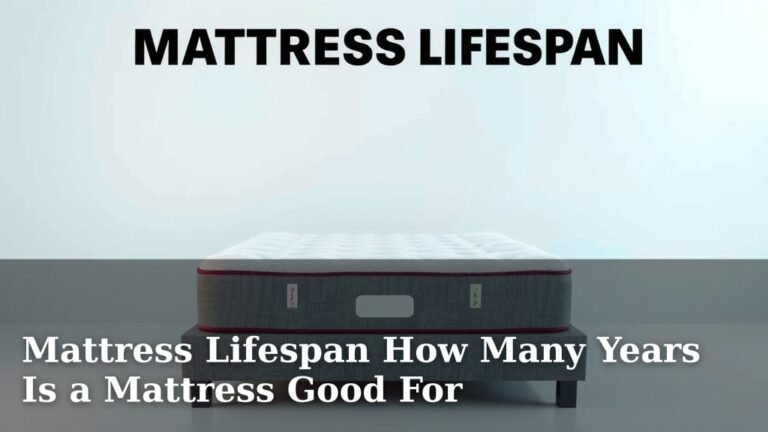
A good mattress should last seven to ten years, sometimes longer. Durability depends on materials, construction quality, and how well you maintain it.
Signs Your Mattress Is Wearing Out
- Visible sagging or indentations that don’t bounce back
- Springs poking through or making noise
- Decreased comfort despite adequate support
- Waking up with more aches and pains than usual
- Lumps, bumps, or uneven surfaces
Extending Your Mattress Life
Rotate your mattress every three to six months. Use a mattress protector to guard against spills and dust. Ensure your bed frame provides proper support. These simple steps can add years to your mattress’s lifespan.
Pillows and Mattresses Work Together
Here’s something many people overlook: your pillow and mattress need to work as a team. A supportive mattress paired with a wrong pillow still leaves you waking up uncomfortable.
Matching Pillow Support to Your Mattress
If you’re sleeping on a soft mattress, you might need a thinner or softer pillow to maintain neck alignment. A firm mattress pairs well with a slightly thicker pillow. Your pillow should keep your head, neck, and spine in neutral alignment.
Partners and Mattress Selection: Compromise Isn’t Easy
Choosing a mattress with a partner introduces complexity. You might have different firmness preferences, temperature needs, and motion sensitivity.
Hybrid Solutions for Couples
Some couples opt for mattresses with zoned support, where different areas have different firmness levels. Others choose mattresses known for motion isolation so one partner’s movement doesn’t disturb the other. Communication is essential—you both need to sleep well.
Common Mattress Shopping Mistakes to Avoid
Don’t let these common errors lead you astray:
- Choosing based solely on price without considering quality
- Buying because a friend loves their mattress, ignoring your different needs
- Testing mattresses while wearing heavy clothes that affect feel
- Ignoring firmness preferences to save money
- Not utilizing trial periods or return policies
- Overlooking mattress size relative to your room and sleep style
- Forgetting to consider temperature regulation needs
Making Your Final Decision
After considering all these factors, trust your gut. Your body knows what feels right. If a mattress feels good during testing and checks the boxes for your sleep style, body type, and budget, it’s probably the right choice for you.
Remember that some adjustment is normal. Your body might need a week or two to adapt to a new mattress. If you’re within the trial period and genuinely unhappy after giving it time, use that return option. A mattress is too important to settle for something that doesn’t feel right.
Conclusion
Picking the right mattress doesn’t have to be overwhelming. By understanding your sleep style, considering your body type, knowing what materials offer, and testing thoroughly, you can find a mattress that genuinely improves your sleep quality. Remember that the best mattress is the one that makes you wake up feeling rested, without aches or pains, and eager for the next night’s sleep. Don’t rush this decision—take the time to get it right, because those hours spent sleeping are too valuable to compromise on comfort and support. Your future self will thank you for the effort you put into choosing wisely today.
Frequently Asked Questions About Choosing the Right Mattress
How often should I replace my mattress?
Most mattresses last between seven and ten years, depending on quality and maintenance. However, if you’re waking up with aches, noticing sagging, or finding that your mattress no longer supports you properly, it might be time for a replacement sooner. Higher-quality mattresses can last twelve years or longer, while budget options might need replacing after five to seven years.
Is a more expensive mattress always better?
Not necessarily. While premium mattresses often feature better materials and construction, a mid-range mattress from a reputable manufacturer can provide excellent comfort and durability at a better value. The best mattress for you is one that meets your specific needs within your budget, not the most expensive option available.
Can I test a mattress for just a few minutes and know if it’s right?
No, testing for just a few minutes isn’t enough to understand how a mattress will feel over an entire night. Spend at least five to ten minutes lying in your typical sleep position, and ideally, use trial periods to test the mattress in your home for several weeks before making a final decision.
What’s the difference between a firm mattress and a supportive mattress?
Firmness refers to how soft or hard the mattress surface feels, while support refers to how well the mattress maintains spinal alignment. A mattress can feel soft but still be supportive, or feel firm but lack proper support. The best mattress combines both appropriate firmness for your feel preference and adequate support for spinal health.
![5 Best Affordable Mattress for Overweight [In 2026]](https://homeunderstandable.com/wp-content/uploads/2025/06/best-affordable-mattress-for-overweight.jpg)
![5 Best Foam Mattress for the Price [In 2026]](https://homeunderstandable.com/wp-content/uploads/2025/08/Best-Foam-Mattress-for-the-Price.jpg)