Plants That Purify Your Air: How They Work
Yes, plants absolutely purify the air, and it’s a pretty amazing natural process! They work by taking in harmful pollutants from your home and converting them into cleaner oxygen. This natural air-scrubbing ability makes houseplants a fantastic addition to any living space, especially if you’re concerned about indoor air quality. Think of them as your silent, green roommates diligently working to keep your air fresh.
The science behind this involves a process called phytoremediation. Plants absorb volatile organic compounds (VOCs) and other common indoor toxins through their leaves and roots. They then use these compounds in their metabolic processes. It’s not just a myth; research has shown how plants can actively clean your environment. Many experts agree that having a few houseplants can make a noticeable difference in your home’s air.
- Plants clean your indoor air naturally.
- They absorb harmful chemicals like VOCs.
- This process uses their leaves and roots.
- It’s a science-backed way to improve air quality.
- Adding plants is an easy home improvement.
Ready to discover which plants are the best air purifiers and how to care for them? Let’s dig into the details and find the perfect green companions for your home.
How Plants Naturally Freshen Your Home’s Air
You might be wondering if your leafy friends are truly working hard for you. The answer is a resounding yes! Plants act as natural air filters, a process backed by science. They actively remove common household pollutants, making your living space healthier. Many experts agree that a few well-chosen houseplants can really make a difference (NASA).
The Science: Phytoremediation in Action
Plants have an amazing ability called phytoremediation. This is how they clean the air. They absorb harmful chemicals through their leaves and roots. Then, they use these compounds for their own growth. It’s like they’re breathing in your stale air and breathing out fresh oxygen.
What Pollutants Do Plants Target?
Indoor air can contain various pollutants, often called Volatile Organic Compounds (VOCs). These come from everyday items like paint, furniture, cleaning supplies, and even air fresheners. Common VOCs include formaldehyde, benzene, and xylene. These can cause headaches, dizziness, and other health issues over time. Plants can help break these down into less harmful substances.
How Do Plants Absorb These Chemicals?
It’s a two-part process. First, plants take in gases through tiny pores on their leaves called stomata. This is similar to how we breathe. Second, microbes living in the plant’s soil also play a role. They help break down some of the toxins. So, it’s not just the plant itself, but its entire ecosystem working together.
Which Plants Are the Best Air Purifiers?
While many plants offer some air-purifying benefits, research has identified a few superstars. These plants are particularly good at filtering out common indoor toxins. Think of them as your home’s green cleaning crew.
Top Performers for a Healthier Home
When choosing plants for air purification, consider these tried-and-true varieties. They are readily available and relatively easy to care for, making them perfect for beginners.
- Spider Plant (Chlorophytum comosum): This plant is a champion at removing formaldehyde and xylene. It’s also very forgiving if you forget to water it occasionally.
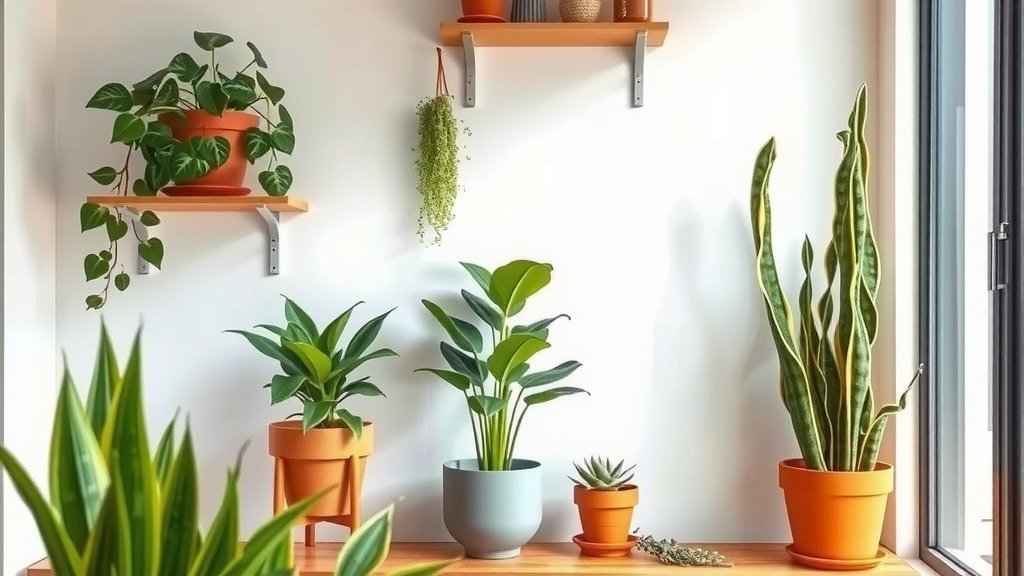
- Snake Plant (Sansevieria trifasciata): Known for its striking, upright leaves, the snake plant is excellent at filtering out formaldehyde, benzene, and trichloroethylene. Bonus: it releases oxygen at night, unlike most plants.
- Peace Lily (Spathiphyllum wallisii): With its elegant white blooms, the peace lily tackles formaldehyde, benzene, xylene, and ammonia. It also prefers shadier spots, making it ideal for rooms with less direct sunlight.
- Boston Fern (Nephrolepis exaltata): This lush fern is a natural humidifier and great at removing formaldehyde and xylene. It loves humidity and bright, indirect light.
- Chinese Evergreen (Aglaonema): This attractive plant with variegated leaves is effective against benzene and formaldehyde. It’s also quite tolerant of low light conditions.
Creating Your Indoor Oasis: Care Tips
To get the most out of your air-purifying plants, proper care is key. A happy plant is a healthy plant, and a healthy plant is a better air filter. Here’s what you need to know.
Light Requirements: Finding the Right Spot
Each plant has unique light needs. Research the specific plant you choose. Some prefer bright, indirect light, while others can thrive in lower light conditions. Placing a plant in the wrong spot can stress it, reducing its air-purifying capabilities. For instance, a snake plant can handle lower light than a Boston fern.
Watering Wisely: Not Too Much, Not Too Little
Overwatering is a common mistake. It can lead to root rot. Check the soil moisture before watering. Stick your finger about an inch into the soil. If it feels dry, it’s time to water. If it’s still moist, wait a few more days. Most plants prefer their soil to dry out slightly between waterings. Always ensure your pot has drainage holes!
Soil and Nutrients: Feeding Your Green Friends
Use a good quality potting mix. This provides essential nutrients and proper drainage. Most houseplants benefit from occasional feeding with a balanced liquid fertilizer during the growing season (spring and summer). Follow the fertilizer instructions carefully; too much can harm your plant.
Humidity Levels: Mimicking Nature
Many common houseplants originate from tropical environments. They thrive in higher humidity. If your home is dry, especially in winter, consider ways to increase humidity. Misting the leaves, placing plants on pebble trays filled with water, or grouping plants together can help. Ferns, in particular, appreciate extra humidity.
The Realistic Impact of Houseplants on Air Quality
It’s important to have realistic expectations. While plants are excellent natural air purifiers, you’ll likely need multiple plants to make a significant impact on a large space. One or two small plants in a large room might not clear the air entirely. However, they certainly contribute positively. Think of them as a fantastic, natural complement to good ventilation practices.
Many studies focus on sealed environments, like spacecraft, where plants show dramatic results. In a typical home with doors and windows opening and closing, air exchange happens naturally. This means pollutants are also coming in from outside. Nonetheless, the plants are still working to clean the air that circulates indoors. We found that combining plants with regular cleaning and ventilation offers the best approach to fresh indoor air.
A Simple Checklist for Greener Air:
- Choose plants known for air purification.
- Place plants where they get appropriate light.
- Water plants based on soil moisture, not a schedule.
- Ensure pots have drainage to prevent root rot.
- Fertilize during the growing season for plant health.
- Consider humidity needs, especially for tropical plants.
Conclusion
You’ve learned how your houseplants act as natural air filters through phytoremediation. They absorb common indoor pollutants like VOCs using their leaves and roots, working alongside soil microbes. While a single plant won’t transform your home into a sterile environment, a collection of green friends can genuinely improve your indoor air quality. This natural process is a simple, beautiful way to enhance your living space. Ready to breathe a little easier? Start by adding a few of these air-purifying plants to your home today!
Frequently Asked Questions
Do I really need a lot of plants to purify my air?
Research suggests that you’ll likely need multiple plants to see a significant impact in larger spaces. Think of them as adding to good ventilation, not replacing it entirely. Even a few plants can make a positive contribution to the air you breathe indoors.
Can plants remove odors from the air?
While plants are excellent at filtering out chemical pollutants, they are generally not as effective at removing odors. Odors are often caused by different types of compounds. For odor removal, consider ventilation and good cleaning practices in addition to your plants.
How do the microbes in the soil help purify the air?
The microbes living in the soil around your plant’s roots are vital to phytoremediation. They can break down certain toxins that the plant absorbs, making them less harmful. This creates a mini ecosystem that works together to clean the air.
Are all houseplants good air purifiers?
Not all houseplants have the same air-purifying capabilities. While most plants release oxygen, only certain species are scientifically proven to effectively absorb common indoor toxins like formaldehyde and benzene. The list of top performers in the article provides a great starting point.
Will my plants purify the air if they aren’t growing very fast?
Even plants that aren’t actively growing can still contribute to air purification. The process of absorbing and metabolizing pollutants happens as long as the plant is alive. However, a healthy, growing plant with plenty of leaves is generally more efficient at filtering air.

![5 Best Air Purifier for Allergens [In 2026]](https://homeunderstandable.com/wp-content/uploads/2025/06/best-air-purifier-for-allergens.jpg)