Car Air Purification: Simple Steps for Cleaner Air
The easiest way to purify the air in your car is by regularly cleaning your car’s interior and using a high-quality car air purifier. These steps help remove dust, allergens, and odors that can make your commute less pleasant.
Your car’s cabin can trap pollutants from outside air and even from things you bring inside. Many experts agree that improving your car’s air quality is key for a healthier driving experience, especially if you spend a lot of time on the road. We found that tackling both the source of the pollution and actively filtering the air makes a big difference.
TL;DR:
- Clean your car’s interior regularly.
- Use a quality car air purifier.
- Change your cabin air filter often.
- Consider natural deodorizers.
- Keep windows slightly cracked when parked.
Ready to breathe easier on your next drive? Let’s walk through how to make your car’s air as fresh as possible, step by step.
Breathe Easier: Your Guide to Fresher Car Air
Your car’s interior can feel like a tiny ecosystem, right? Dust, pollen, road fumes, and even that forgotten gym bag can make your daily drive less than pleasant. But you don’t have to just live with stale air. We’ve found that simple, consistent actions can make a big difference in the air you breathe every day. Let’s look at the most effective ways to tackle this.
Tackling the Source: Keeping Your Car Clean
Think of cleaning your car’s interior as the first line of defense against bad air. It’s where pollutants often start. You wouldn’t let your house get too dusty, and your car deserves the same care!
The Power of Regular Vacuuming
When was the last time you really vacuumed your car? Those crumbs, dust bunnies, and pet hairs aren’t just unsightly; they’re potential allergens. You want to remove as much particulate matter as possible before it circulates.
- Focus on floor mats and seats: These areas trap the most dirt.
- Don’t forget the trunk: It’s a collector of all sorts of things.
- Get into the nooks and crannies: Use attachments to reach tight spots.
Wipe Down Surfaces Regularly
Dashboards, door panels, and the steering wheel can accumulate dust and grime. A simple wipe-down with a damp microfiber cloth can work wonders. For tougher spots, a mild interior cleaner can help. This removes loose particles that could otherwise become airborne.
Deal with Spills and Odors Promptly
Spilled coffee or that leftover takeout can create persistent odors. Clean up spills immediately to prevent them from soaking into upholstery. If odors linger, you might need a fabric cleaner specifically designed for auto interiors. Tackling smells at the source is always best.
The Role of Your Cabin Air Filter
Your car has a hidden hero working to keep your air clean: the cabin air filter. It’s often overlooked, but its condition directly impacts your air quality. Many experts suggest this is one of the most critical components for in-car air purification.
What Does the Cabin Air Filter Do?
This filter, usually located behind the glove box, traps dust, pollen, smog, and other airborne debris before they enter your car’s ventilation system. It’s like the lungs of your car’s HVAC system, working hard so you don’t have to.
When to Replace Your Cabin Air Filter
The general recommendation is to replace it every 12,000 to 15,000 miles or at least once a year. However, if you drive in dusty conditions or areas with heavy pollution, you might need to replace it more often. A clogged filter can reduce airflow and fail to trap new contaminants effectively.
We found that noticing a decrease in airflow from your vents is a good sign it’s time for a change. It’s a relatively inexpensive part and often a simple DIY job. Check your car’s owner’s manual for specific instructions.
Active Air Purification Solutions
Beyond cleaning and filter maintenance, active purification methods can significantly improve your car’s air quality. These systems go beyond just filtering; they can neutralize pollutants.
Choosing a Quality Car Air Purifier
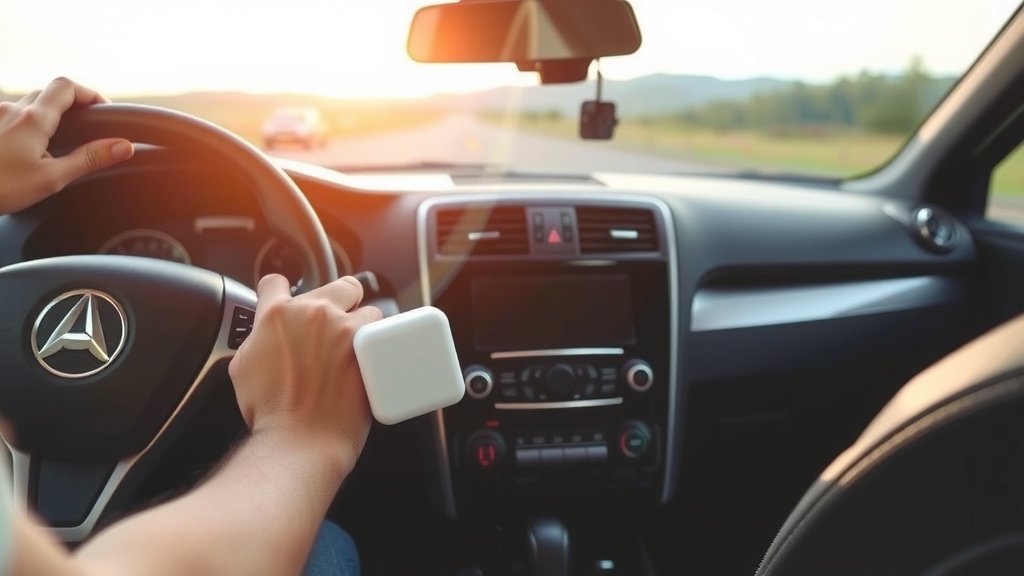
These devices are specifically designed for vehicle use and can be very effective. Look for purifiers that use multi-stage filtration, such as HEPA filters combined with activated carbon. This combination can trap fine particles and absorb odors and gases.
Many portable units plug into your car’s 12V outlet. We’ve seen research suggesting that HEPA filters are excellent at capturing tiny particles like pollen and dust mites (EPA). Activated carbon is particularly good at neutralizing odors from smoke, food, or pets.
What to Look For in a Car Air Purifier
Consider the size of your vehicle. A larger SUV might need a more powerful unit than a compact car. Check for certifications like CARB (California Air Resources Board) compliance, which indicates lower ozone emissions. Also, look at the noise level; you don’t want a noisy purifier disrupting your drive.
Exploring Natural Air Fresheners and Deodorizers
While not true purifiers, some natural options can help manage odors and create a more pleasant environment. Essential oil diffusers (used sparingly and safely) or small bowls of baking soda can help absorb smells.
However, it’s important to note that these mask odors rather than remove the source of pollution. They can be a nice addition, but they don’t replace cleaning or a good air filter.
Ventilation is Key, Even When Parked
Allowing fresh air into your car is a simple, free way to improve air quality. Leaving your windows slightly cracked when parked in a safe location can help stale air escape and prevent moisture buildup, which can lead to mold and mildew.
The Benefits of Cracking Windows
When your car sits in the sun, interior temperatures can soar, and air can become stagnant. A small crack allows for passive ventilation, letting out heat and any trapped odors. It can also help prevent that “stuffy car smell” from developing.
Of course, consider security and weather when deciding to crack your windows. A tiny gap is usually enough to allow for air exchange without compromising safety or letting in too much rain.
Your Car Air Quality Checklist
Ready to put this into action? Here’s a quick rundown of what you can do:
- Vacuum and wipe down your car’s interior weekly.
- Check your cabin air filter every 6 months and replace as needed.
- Invest in a quality portable car air purifier for daily use.
- Clean up spills and address odors immediately.
- Park in a secure area with windows slightly cracked when possible.
- Consider natural odor absorbers like baking soda.
By combining regular cleaning with effective air filtration, you can ensure your car remains a clean and comfortable space, no matter where your travels take you. It’s about making your daily commute a breath of fresh air!
Conclusion
You’ve learned that keeping your car’s air fresh is a straightforward process. It starts with simple cleaning habits to remove pollutants at their source. Your car’s cabin air filter plays a vital role, so remember to maintain it regularly. Adding a quality portable air purifier can further enhance your car’s air quality, capturing fine particles and odors.
By combining these methods, you create a healthier driving environment. Make it a habit to check your filter and clean your car interior weekly. Then, you can truly enjoy every drive with cleaner, fresher air!
Frequently Asked Questions
How often should I replace my car’s cabin air filter?
Most experts recommend changing your cabin air filter every 12,000 to 15,000 miles or at least once a year. If you drive in very dusty areas or heavy smog, you might need to replace it more frequently. A visual inspection can also tell you if it’s time for a change.
Can a portable car air purifier really make a difference?
Yes, a good car air purifier can make a noticeable difference. Units with HEPA and activated carbon filters are particularly effective at trapping fine dust, pollen, and absorbing common odors. This helps create a cleaner breathing space during your commute.
Are natural air fresheners like baking soda as good as an air purifier?
Natural options like baking soda are great for absorbing odors, but they don’t actively purify the air by removing particles. They mask or neutralize smells rather than filter out allergens or pollutants. For true air purification, a dedicated device or a clean cabin air filter is needed.
What are the signs my car needs its air purified?
You might notice a musty smell, an increase in dust on your dashboard, or that allergens like pollen seem to bother you more inside your car. A decrease in airflow from your vents can also indicate a clogged cabin air filter that needs attention.
Is it safe to leave my car windows cracked open slightly?
Yes, leaving windows slightly cracked in a secure location can help ventilate your car. It allows stale air to escape and prevents moisture buildup, which can lead to mold. Just ensure the gap is small enough for security and to keep rain out.
![What Is The Best Air Purifier for Condo [In 2026]](https://homeunderstandable.com/wp-content/uploads/2025/06/best-air-purifier-for-condo.jpg)