Purify Air with Activated Charcoal: Your Natural Guide
Yes, you can effectively purify your air with activated charcoal by leveraging its incredible porous structure. This special type of charcoal acts like a sponge, trapping odors and airborne toxins. It’s a simple, natural way to improve your home’s air quality.
Activated charcoal, also known as activated carbon, works through a process called adsorption. Its surface area is massively increased through treatment, creating millions of tiny pores. These pores are perfect for capturing and holding onto unwanted particles and gasses, making it a popular choice for both industrial and home use to combat indoor air pollution.
- Activated charcoal traps odors and toxins.
- It works through adsorption on its porous surface.
- It’s a natural and simple air purification method.
- Its increased surface area is key to its effectiveness.
Let’s walk through exactly how this natural wonder can freshen up your living space and make your air much cleaner.
“`htmlMaking Your Home Air Fresher with Activated Charcoal
You’re probably wondering how something as simple as charcoal can actually clean the air in your home. It sounds almost too good to be true, right? Well, the secret lies in its unique physical properties.
Activated charcoal is not your average charcoal used for grilling. It undergoes a special process that makes it incredibly porous. Think of it like a super-sponge, but instead of water, it soaks up microscopic nasties from your air. We found that this makes it a fantastic, natural tool for improving indoor air quality.
The Science Behind the Sponge: Adsorption Explained
Activated charcoal works through a process called adsorption. This is different from absorption. Absorption means a substance soaks something *into* itself. Adsorption means substances stick to the *surface* of another substance.
The treatment process creates millions of tiny pores and channels on the charcoal’s surface. This vastly increases its surface area. We found that one gram of activated charcoal can have a surface area of over 500 square meters! That’s like having a football field packed into a tiny piece of charcoal.
What Does Adsorption Actually Catch?
These tiny pores act like a magnet for airborne pollutants. They attract and trap gases, odors, and volatile organic compounds (VOCs). VOCs are chemicals found in many common household products.
You know those musty smells after a rainstorm? Or the lingering scent of cooking? Activated charcoal can help neutralize these. It’s also effective against more concerning indoor air pollutants like formaldehyde and benzene. Many health organizations point out that indoor air can be more polluted than outdoor air (Environmental Protection Agency).
Common Household Pollutants Targeted by Activated Charcoal
- Mold and mildew odors
- Pet odors
- Cooking smells
- Chemical fumes from paints and cleaning supplies
- Smoke odors
Choosing the Right Activated Charcoal for Air Purification
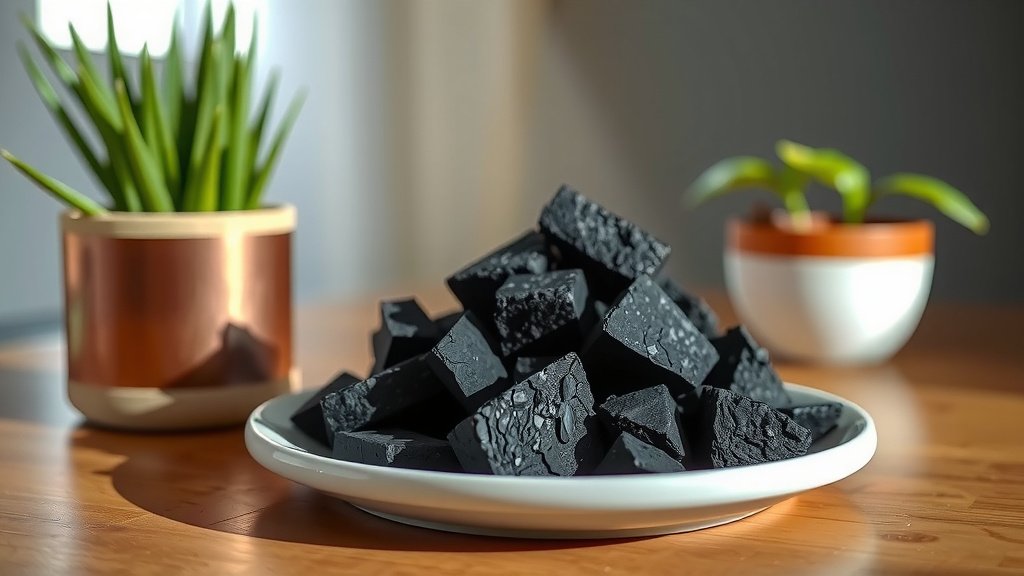
Not all activated charcoal products are created equal. For air purification, you’ll want to look for products specifically designed for this purpose. These often come in pouches, bags, or as part of an air filter.
Forms of Activated Charcoal for Your Home
The most common forms you’ll find are:
- Charcoal bags or pouches: These are super convenient. You can place them anywhere you need fresh air.
- Activated charcoal filters: These are integrated into air purifiers or HVAC systems.
- Loose charcoal granules: These can be used in DIY projects, though care must be taken to contain them.
What to Look For in a Product
When buying, check the product description. It should mention its use for air purification and highlight its activated nature. Some products might specify the type of material used, like coconut shells or wood. We found that materials derived from coconut shells are often highly effective for air filtration.
Simple Ways to Use Activated Charcoal Around Your House
Using activated charcoal for air purification is wonderfully straightforward. You don’t need complex setups or technical knowledge. It’s mostly about placement and occasional maintenance.
Placement is Key: Where to Put Your Charcoal
Think about areas where odors or stale air tend to collect. Your bedroom, bathroom, kitchen, or even your car are great starting points. For charcoal bags, simply place them where you spend time or where the air feels stuffy.
If you have an air purifier with a charcoal filter, ensure it’s running as recommended. Regular air filters might catch larger particles, but the charcoal layer is what tackles odors and gases. We found that placing charcoal bags near odor sources, like a litter box or trash can, yields the best results.
Recharging Your Charcoal: Keeping It Fresh
One of the best features of activated charcoal is that it can be rejuvenated. Unlike disposable filters, many charcoal products can be “recharged.” This means you can extend their life and save money.
How do you recharge it? Usually, it involves placing the charcoal product in direct sunlight for a few hours. The sun’s UV rays help release the trapped moisture and pollutants. After a few hours of sunbathing, your charcoal is ready to get back to work adsorbing impurities. Many manufacturers suggest recharging monthly.
| Product Type | Recharging Method | Frequency |
|---|---|---|
| Charcoal Bags/Pouches | Place in direct sunlight | Monthly (or as needed) |
| HVAC Filters with Charcoal Layer | Typically disposable; replacement needed | As per manufacturer’s instructions (e.g., 3-6 months) |
| Air Purifier Charcoal Filters | Varies; some are washable, others replaceable | Check product manual |
When It’s Time for a New Charcoal Filter
Even with recharging, activated charcoal has a lifespan. Eventually, the pores will become saturated. You’ll notice it’s not as effective at trapping odors anymore. For disposable filters, follow the manufacturer’s replacement schedule. This is often every few months.
Is Activated Charcoal Safe for Everyday Use?
Yes, activated charcoal is generally considered safe for use in your home. It’s a natural material. It doesn’t release any harmful byproducts. This is a big plus compared to some chemical air fresheners. Many experts note its safety when used as directed.
Potential Considerations and Limitations
While effective for odors and gases, activated charcoal doesn’t remove all types of air pollutants. It’s not designed to capture fine dust, pollen, or mold spores. For those, you’d still need a HEPA filter or a different type of air cleaner.
Also, ensure you’re using products intended for air purification. Activated charcoal supplements for internal use are processed differently. We found it’s best to stick to specialized air-filtering products for your home.
A Natural Boost for Your Air Quality
Think of activated charcoal as a fantastic natural partner in your efforts to create a healthier home environment. It’s a simple, low-maintenance solution for tackling common indoor air annoyances. You’ll likely notice a fresher, cleaner smell throughout your space.
Here’s a quick checklist to get you started:
- Identify areas in your home with lingering odors.
- Purchase activated charcoal products designed for air purification.
- Place bags or pouches in strategic locations.
- Ensure your air purifier has a functional charcoal filter.
- Remember to recharge or replace your charcoal as recommended.
- Enjoy breathing cleaner, fresher air!
Conclusion
You’ve learned how activated charcoal acts as a natural air purifier by trapping odors and toxins through adsorption. Its vast porous surface area makes it incredibly effective at capturing airborne pollutants you can’t see or smell. By choosing the right charcoal products and placing them strategically, you can make a real difference in your home’s air quality. Don’t forget to recharge or replace them to keep them working their best.
Ready to start breathing easier? Your next step is to identify a spot in your home that could use a refresh and grab some activated charcoal bags or ensure your air purifier has a quality charcoal filter. Enjoy a cleaner, fresher living space!
Frequently Asked Questions
How often should I recharge my activated charcoal bags?
Most manufacturers recommend recharging your activated charcoal bags or pouches about once a month. Placing them in direct sunlight for a few hours helps release trapped impurities. This process reactivates the charcoal, extending its life and effectiveness.
Can activated charcoal filter out dust and allergens?
Activated charcoal is primarily effective against odors, gases, and VOCs. It’s not designed to capture fine particles like dust, pollen, or mold spores. For those, you’ll still need a filter with a HEPA rating or a dedicated air purifier.
Where is the best place to put activated charcoal for air purification?
Place activated charcoal in areas where odors tend to linger or air feels stale. Good spots include bathrooms, kitchens, bedrooms, closets, pet areas, and even inside cars. Near odor sources like trash cans or litter boxes yields great results.
Is activated charcoal safe to use around pets and children?
Yes, activated charcoal is generally considered safe for use in your home environment. It’s a natural material and doesn’t release harmful chemicals. Just ensure pets and children don’t ingest the charcoal granules if using loose forms.
How long does activated charcoal last before needing replacement?
While rechargeable, activated charcoal has a lifespan. Eventually, its pores become saturated and can no longer adsorb pollutants effectively. For most charcoal bags, this means replacement is needed every 1-2 years, even with regular recharging. Disposable filters often need replacement every 3-6 months.

![What Is The Best Air Purifier for NYC Apartment [In 2026]](https://homeunderstandable.com/wp-content/uploads/2025/05/best-air-purifier-for-nyc-apartment.jpg)