
Natural Air Purification: Clean Air Without a Purifier
Yes, you can absolutely purify your air without an air purifier! Simple household changes can make a big difference. You can improve your indoor air quality by opening windows, using houseplants, and cleaning regularly. These methods help reduce dust, allergens, and other indoor pollutants you might not even notice.
Breathing cleaner air at home is easier than you might think. Many people worry about airborne irritants, especially during allergy season or if they have pets. Fortunately, research and expert advice point to several effective, budget-friendly ways to refresh your living space. You don’t need fancy gadgets to achieve a healthier environment for you and your family.
- Open windows daily for fresh air circulation.
- Bring in air-purifying plants like snake plants or spider plants.
- Clean regularly to remove dust and allergens.
- Use natural cleaning products to avoid chemical fumes.
- Consider a stovetop potpourri with essential oils.
Ready to take a deep breath? Let’s walk through exactly how you can create a fresher, cleaner home environment, step by step.
Breathing Easier: Natural Ways to Freshen Your Home Air
You don’t need an expensive air purifier to enjoy cleaner air. Many everyday actions can help remove pollutants. Let’s dive into simple, effective strategies you can start using today.
Harnessing the Power of Ventilation
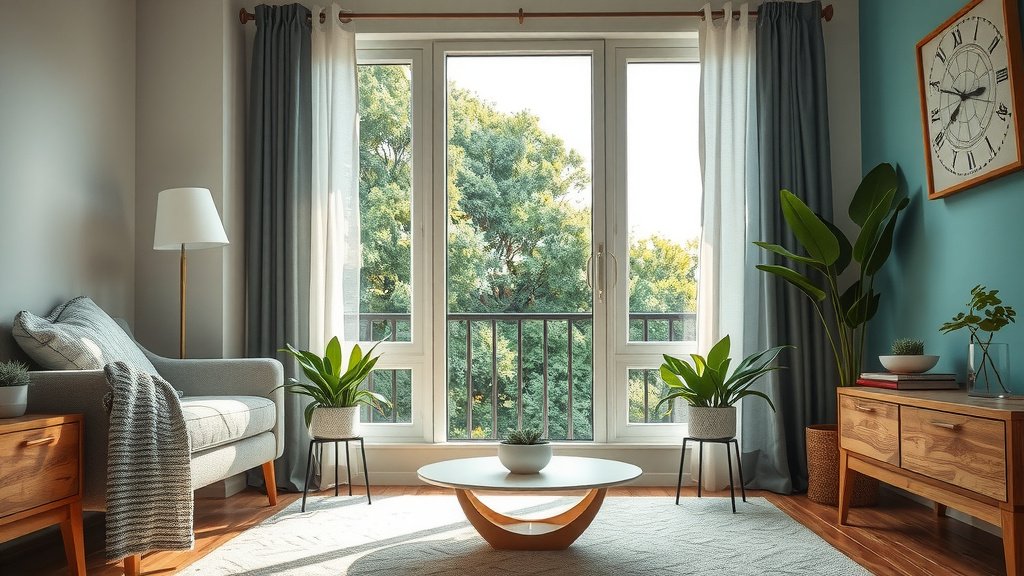
Opening your windows is one of the simplest ways to improve indoor air quality. It allows stale indoor air to escape. Fresh outdoor air can then circulate throughout your home. This helps dilute airborne contaminants.
Making Ventilation a Habit
Aim to open windows for at least 15-30 minutes each day. Even a quick exchange of air can make a difference. Consider doing this during cooler parts of the day. This is especially helpful when outdoor air quality is good.
Creating Cross-Ventilation
If possible, open windows on opposite sides of your home. This creates a gentle breeze. Cross-ventilation moves air more effectively. It pushes out stagnant air and brings in fresh air faster. You’ll notice your home feels lighter and fresher.
The Green Approach: Houseplants as Air Filters
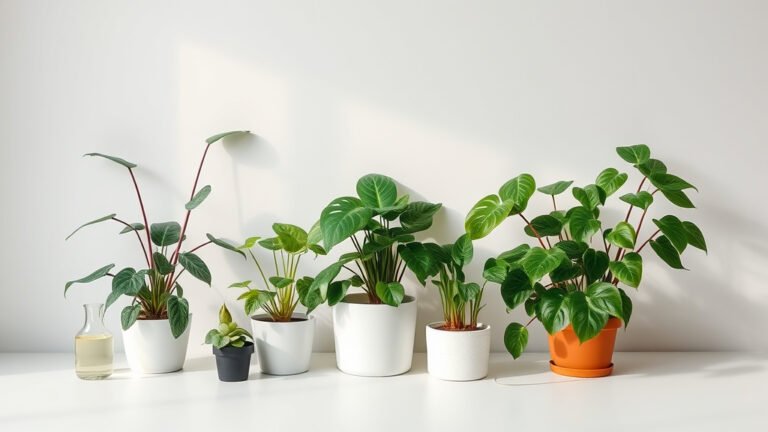
Did you know plants can actually help clean your air? Certain houseplants are known for their air-purifying qualities. They can absorb common indoor pollutants like formaldehyde and benzene. NASA even studied this extensively!
Top Air-Purifying Plant Picks
Some of the best plants for improving air quality include:
- Snake Plant: Very hardy and requires little water. It also converts CO2 into oxygen at night.
- Spider Plant: Easy to grow and produces little “spiderettes” you can replant.
- Peace Lily: Beautiful flowers and effective at removing toxins. Just keep it away from pets!
- Areca Palm: A larger plant that can release a lot of moisture. This helps humidify the air.
Caring for Your Plant Air Filters
Keep your plants healthy for maximum benefit. Make sure they get the right amount of light. Water them as needed, but avoid overwatering. Healthy plants are happy plants, and happy plants help clean your air.
Mastering the Art of Cleaning for Cleaner Air
Regular cleaning is a powerhouse for reducing indoor air pollutants. Dust, pet dander, mold spores, and other allergens settle on surfaces. Cleaning removes these particles before they become airborne again.
Dusting Smarter, Not Harder
Use a damp cloth or microfiber duster when you clean. Dry dusting can just push dust into the air. Start from the highest surfaces and work your way down. This way, dust falls onto surfaces you haven’t cleaned yet.
Vacuuming with Purpose
Vacuum carpets and rugs at least once a week. If you have pets or allergies, consider vacuuming more often. A vacuum cleaner with a HEPA filter can trap smaller particles. Make sure to empty the vacuum bag or canister regularly.
Tackling Mold and Mildew
Mold and mildew are common indoor air pollutants. They thrive in damp areas like bathrooms and kitchens. Clean up spills and leaks promptly. Use natural cleaners to prevent mold growth. Ensure good ventilation in these areas.
The Magic of Natural Cleaning Products
Many conventional cleaning products release volatile organic compounds (VOCs). These can contribute to poor indoor air quality. Opting for natural cleaning solutions is a great way to avoid these chemicals.
DIY Cleaning Solutions
You can easily make effective cleaners at home. White vinegar and baking soda are your friends! A solution of equal parts white vinegar and water works wonders on many surfaces. It’s great for cutting grease and removing odors.
When to Choose Store-Bought Natural Options
If DIY isn’t your thing, look for cleaning products labeled “natural” or “eco-friendly.” Check ingredient lists for harsh chemicals. Simple ingredients are usually best. This helps you avoid breathing in unnecessary fumes.
Aromatherapy for Fresher Air
Certain scents can make your home feel cleaner and more inviting. Using essential oils can be a pleasant way to freshen your air. A stovetop potpourri is a simple and effective method.
Creating a Stovetop Potpourri
Fill a pot with water. Add natural ingredients like citrus peels (lemon, orange), cinnamon sticks, or herbs like rosemary. You can also add a few drops of your favorite essential oil, like lavender or peppermint. Simmer on low heat. This releases a gentle, pleasant aroma throughout your home. It’s a wonderful alternative to artificial air fresheners.
Choosing Your Essential Oils Wisely
If you use essential oils, choose high-quality, pure oils. Some oils can be harmful to pets, especially cats. Do your research if you have furry friends at home. Ensure the oils you use are safe for your household members.
Checklist for a Fresher Home:
- Open windows daily for at least 15 minutes.
- Dust surfaces with a damp cloth weekly.
- Vacuum carpets and upholstery regularly.
- Keep houseplants healthy and watered.
- Use natural or DIY cleaning products.
- Simmer potpourri with essential oils or citrus peels.
Conclusion
You’ve learned that cleaner indoor air is within your reach, no air purifier needed! By incorporating simple habits like daily ventilation and regular cleaning, you actively improve your home’s air quality. Harnessing the natural power of houseplants and opting for gentle, natural cleaning products further reduces indoor pollutants. Even creating a pleasant aroma with stovetop potpourri can make a difference.
Start today by opening a window for just 15 minutes. You’ll feel the fresh air and notice the difference. Your home and your lungs will thank you for these easy, effective changes.
Frequently Asked Questions
How often should I open my windows for fresh air?
Aim to open your windows for at least 15 to 30 minutes each day. Doing this when outdoor air quality is good, perhaps in the morning or evening, is ideal. Even a short period of ventilation helps dilute indoor pollutants.
Are houseplants really effective at purifying the air?
Yes, research shows that certain houseplants can help filter out common indoor toxins. Plants like snake plants, spider plants, and peace lilies are known for their air-cleaning abilities. They absorb pollutants and release oxygen, contributing to fresher air.
What are the best natural cleaning alternatives to chemical cleaners?
Simple DIY solutions like a mixture of white vinegar and water can clean many surfaces effectively. Baking soda is also a great natural abrasive and deodorizer. For store-bought options, look for products labeled “natural” and check ingredient lists for harsh chemicals.
Can I use essential oils safely around pets?
You need to be cautious when using essential oils around pets, as some can be toxic, especially to cats. Always research specific oils for pet safety before diffusing them or using them in potpourri. Ensure good ventilation and never let pets ingest oils.
How does regular cleaning help purify the air?
Cleaning removes dust, allergens, pet dander, and other particles that settle on surfaces. When these particles become airborne, they can be inhaled. Regular dusting with a damp cloth and vacuuming with a good filter traps these pollutants, preventing them from circulating in your air.

![5 Best Levoit Air Purifier for Large Room [In 2026]](https://homeunderstandable.com/wp-content/uploads/2025/05/best-levoit-air-purifier-for-large-room-top-picks-for-fresh-air-768x432.jpg)