
How to Sew a Blind Hem on a Machine: Expert Tips
Sewing a blind hem on a machine is a useful skill. It makes clothes look neat. Blind hems are often seen in pants, skirts, and dresses. They hide the hem stitches. This creates a clean look. Don’t worry if it sounds hard. With practice, it becomes easy.
What You Need
- Sewing machine
- Blind hem foot
- Thread matching the fabric
- Scissors
- Iron
- Pins
- Measuring tape
Gather these tools before you start. This makes the process smooth. A blind hem foot is special. It helps sew a hidden hem.
Step-by-Step Guide
Follow these steps to sew a blind hem. Take your time. Each step is important.
1. Prepare The Fabric
First, measure where the hem will go. Use the measuring tape. Mark the line with pins. Make sure it is even. Iron the fabric to remove wrinkles. This helps when sewing.
2. Fold The Hem
Fold the fabric up to the marked line. Then fold it back leaving a small edge. This edge is where you will sew. The fold hides the stitches. Use pins to hold the fabric in place.
3. Set Up The Machine
Attach the blind hem foot to the sewing machine. Choose the blind hem stitch. It looks like a zigzag with straight lines. Adjust the stitch width and length. Test on scrap fabric first. Make sure the stitches are correct.
4. Start Sewing
Place the fabric under the presser foot. Align the fold with the guide on the foot. Start sewing slowly. The needle should catch only a small part of the fold. This keeps the hem invisible. Go carefully to avoid mistakes.
5. Finish The Hem
Once you reach the end, tie off the thread. Cut excess thread with scissors. Remove the pins carefully. Iron the hem to make it flat. This gives a clean finish. Look at the outside of the fabric. You should see only tiny stitches.
Tips for a Perfect Blind Hem
- Use matching thread for a neat look.
- Practice on scrap fabric first.
- Go slowly to avoid mistakes.
- Iron the fabric before and after sewing.
- Check the machine settings before starting.
These tips help create a perfect blind hem. Practice makes it easier. Each time you sew, you will get better.
Why Use a Blind Hem?
Blind hems make clothes look professional. They hide the stitches. This is good for formal wear. It also works well on curtains. Anywhere you want a clean look.
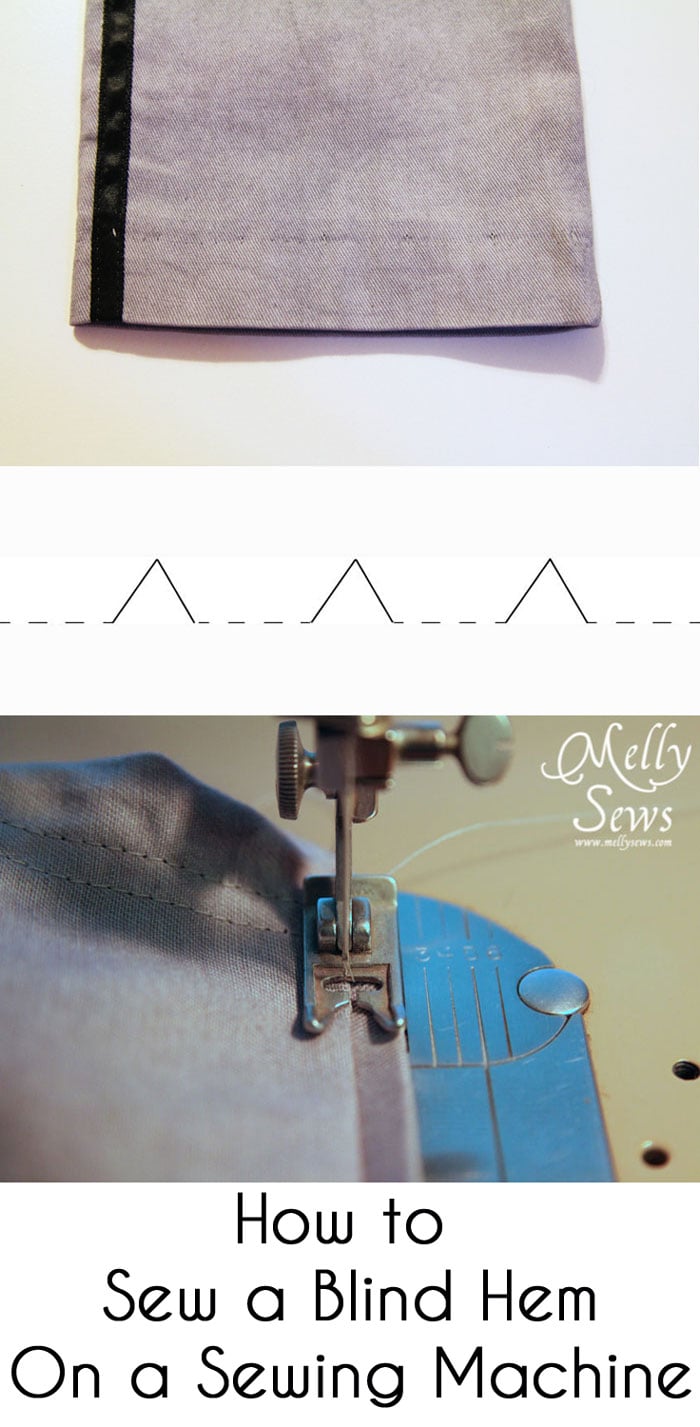
Credit: mellysews.com
Common Mistakes to Avoid
Sometimes mistakes happen. Here are common ones to watch out for.
- Not folding the fabric correctly.
- Using the wrong stitch or foot.
- Not adjusting the stitch width and length.
- Stitching too fast.
Avoid these errors for a better hem. Check your work as you go. This helps catch mistakes early.
Troubleshooting
What if things go wrong? Don’t worry. Here are some solutions.
Problem: Stitches Are Visible
Solution: Adjust the stitch width. Make sure the needle catches only a small fold.
Problem: Fabric Puckers
Solution: Check the tension settings on your machine. Make sure the fabric is flat.
Problem: Hem Is Uneven
Solution: Measure and pin the fabric carefully. Iron the fabric to remove wrinkles.

Credit: www.thelaststitch.com
Frequently Asked Questions
What Is A Blind Hem Stitch?
A blind hem stitch is nearly invisible. Perfect for hems on pants and skirts.
Can I Sew A Blind Hem On Any Fabric?
Yes, most fabrics work. But thick fabrics might need extra attention.
Why Use A Blind Hem Instead Of A Regular Hem?
It gives a clean, professional look. No visible stitches on the outside.
Do I Need A Special Foot For Blind Hemming?
Yes, a blind hem foot helps. It guides fabric for accurate stitching.
Conclusion
Sewing a blind hem on a machine is not hard. With these steps, you can do it. Remember to practice. Each time you sew, you learn something new. Soon, you will sew blind hems like a pro. Happy sewing!