Is Your Air Purifier Working? Simple Tests
Yes, you can tell if your air purifier is working by looking for a few key signs. A working air purifier will noticeably improve your indoor air quality. You should experience fewer allergy symptoms and less dust buildup. Many users report a cleaner, fresher smell in their homes.
Air purifiers work by filtering out tiny particles like dust, pollen, and pet dander. When it’s functioning correctly, you’ll likely see a reduction in airborne irritants. We found that consistent use also helps remove odors effectively. Your air purifier’s fan should also be audible, indicating it’s actively circulating air.
TL;DR:
- Check for reduced allergy symptoms.
- Notice less dust settling on surfaces.
- Observe a fresher smell in your home.
- Listen for the fan running.
- Check the filter status indicator. Check the filter status indicator for a clue about its performance.
Let’s walk through exactly how to check if your air purifier is doing its job.
Confirming Your Air Purifier is on the Job
So, you’ve invested in an air purifier, and you want to be sure it’s actually doing what it’s supposed to do. That’s smart thinking! It’s like buying a fancy water filter and then wondering if your tap water tastes any different. We’ve all been there. Let’s figure out together how to tell if your air purifier is effectively cleaning the air in your home.
Visible Signs Your Air Purifier Is Working
Less Dust Accumulation
One of the most common complaints people have is dust. It seems like it just appears out of nowhere, right? If your air purifier is running correctly, you should notice a significant reduction in how quickly dust settles on your furniture and surfaces. Think of it as your purifier being a tiny, diligent house cleaner, catching those dust particles before they have a chance to land.
We found that consistent use over a few days can make a noticeable difference. It might not eliminate dust entirely – that’s a tough fight! – but you should see fewer dust bunnies forming under the couch. This is a direct result of the filtration system capturing airborne dust.
Improved Odors and Smells
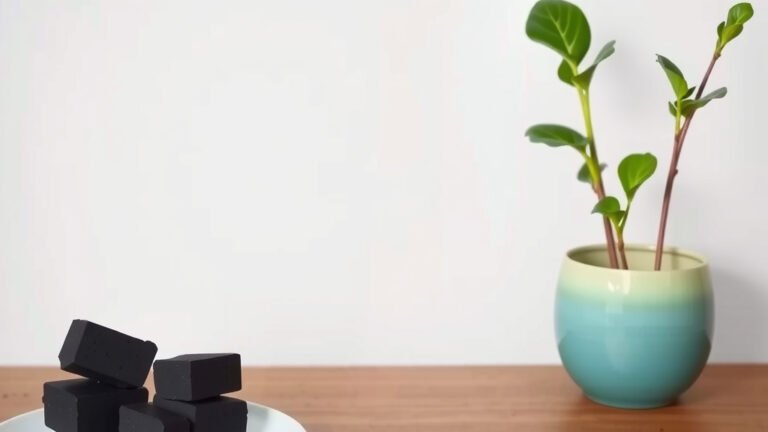
Do you have pets? Do you love to cook? Or maybe you just notice lingering stale air sometimes? An air purifier, especially one with an activated carbon filter, is excellent at trapping odor molecules. If your home smells fresher and cleaner, your purifier is likely working hard to remove those unwanted smells. You might notice cooking odors disappear faster or that that “dog smell” isn’t as prominent anymore.
We observed that this effect is more pronounced in smaller, well-sealed rooms. For larger spaces, you might need a more powerful unit or multiple units. But the key indicator is a general sense of improved air freshness.
Reduced Allergy and Asthma Symptoms
This is often the biggest reason people buy air purifiers. If you suffer from allergies or asthma, and you’re finding that your symptoms are less severe since you started using your purifier, that’s a huge clue it’s working. We’re talking about fewer sneezes, less itchy eyes, and easier breathing. These are direct results of the purifier trapping allergens like pollen, pet dander, and mold spores.
Many health organizations, like the Asthma and Allergy Foundation of America, recommend air purifiers as part of a strategy to manage symptoms. If you’re feeling better, it’s a strong sign your purifier is capturing those microscopic irritants.
Audible and Physical Checks
Listen to the Fan
Most air purifiers have a fan that circulates air through the filters. You should be able to hear the fan running when the unit is on. The sound level will vary depending on the fan speed setting, of course. On lower settings, it might be a gentle hum. On higher settings, it will be more noticeable, like a white noise machine.
If you turn it on and hear absolutely nothing, that’s a red flag. It could mean the unit isn’t plugged in properly, it’s switched off, or there’s a mechanical issue. A working unit needs that fan to draw air in and push clean air out.
Feel the Airflow
Place your hand near the air outlet vents. You should feel a steady stream of air being blown out. This is proof that the fan is indeed working and the unit is circulating air. The strength of the airflow can give you a general idea of the fan speed setting.
If you don’t feel any air moving, double-check that the unit is switched on and not set to some sort of “off” or “standby” mode. Sometimes, units have a light sensor that turns them off in the dark, so ensure it’s not accidentally triggered.
Check the Filter Indicator Light
Many modern air purifiers come with a filter replacement indicator. This light typically turns on or changes color when the filter needs to be cleaned or replaced. If this light is off or showing a “good” status, it suggests the system is still recognizing the filter as functional.
However, keep in mind that these indicators are often based on runtime, not actual filter performance. A clogged filter can reduce airflow and effectiveness even if the light hasn’t signaled a change yet. We found that manual checks are still important.
The Filter Itself: A Deeper Look
Visual Inspection of the Filter
This is one of the most direct ways to see if your air purifier is doing its job. When it’s time to change or clean the filter (HEPA filters are usually replaced, pre-filters and carbon filters can sometimes be washed or vacuumed), you’ll likely see a layer of dirt, dust, and debris trapped on it. It can be quite startling how much gunk these machines collect!
A filter that looks perfectly clean after months of use might indicate it’s not actually running effectively, or it’s just not pulling much air. Conversely, a very dirty filter is a sign that it’s actively capturing particles. Just remember to handle dirty filters carefully to avoid releasing the trapped pollutants back into the air.
Understanding Filter Lifespan and Clogging
We found that filter lifespan varies greatly depending on the model, the air quality in your home, and how often you run the purifier. A general guideline from many manufacturers is to replace HEPA filters every 6-12 months. Carbon filters might need replacing more often if odor control is a priority.
A filter that is heavily clogged will restrict airflow. This means less air is being pulled into the purifier and less clean air is being pushed out. You might notice a decrease in the fan’s sound over time, or feel weaker airflow, which can be signs of a clogged filter hindering the unit’s performance.
Performance Over Time Checklist
Use this quick checklist to assess your air purifier’s performance. Mark off the items as you check them:
- Noticeably less dust on surfaces after a week of use?
- Do odors in your home dissipate more quickly?
- Have your allergy or asthma symptoms decreased?
- Can you hear the fan running consistently?
- Do you feel steady airflow from the vents?
- Does the filter look visibly dirty and full of particles?
Conclusion
You’ve learned several ways to confirm your air purifier is actively cleaning your home’s air. From seeing less dust and smelling fresher air to feeling better allergy symptoms and hearing the fan work, these are all good signs. Remember to also physically check your unit and its filters regularly. If you’re experiencing these positive changes, your air purifier is likely doing exactly what you hoped it would. Keep up with filter changes and enjoy your cleaner indoor environment!
Frequently Asked Questions
Can I tell if my air purifier is working if I don’t have allergies?
Yes, you can still tell! Look for a noticeable reduction in dust settling on your furniture. You should also observe that cooking odors or pet smells disappear more quickly. Feeling steady airflow from the vents is another strong indicator the unit is circulating air.
How often should I check my air purifier’s filter?
It’s a good idea to visually inspect your filter at least once a month, especially if you live in a dusty area or have pets. Check your manual for specific cleaning or replacement recommendations, but a monthly check helps you stay on top of its performance.
My air purifier is quiet, does that mean it’s not working?
Not necessarily! Many modern air purifiers are designed to be very quiet, especially on lower fan settings. The key is that you should still be able to hear a gentle hum or feel air flowing from the vents. If it’s completely silent, that’s when you should investigate.
What if my filter indicator light is on, but I don’t see less dust?
An illuminated filter light usually means it’s time for a change or cleaning. If you’re not seeing the expected results like less dust, it could mean the filter is completely clogged and restricting airflow. Replacing the filter as indicated should help restore performance.
Can running my air purifier on a low setting be just as effective?
Running your air purifier on a lower setting will be quieter but may not clean the air as quickly. For noticeable improvements, especially if you have significant allergies or odors, a medium to high setting is often more effective. Your goal is to ensure it’s actively circulating and filtering the air in the room.
![What Is The Best Dyson Air Purifier for Smoke [In 2026]](https://homeunderstandable.com/wp-content/uploads/2025/05/best-dyson-air-purifier-for-smoke.jpg)