
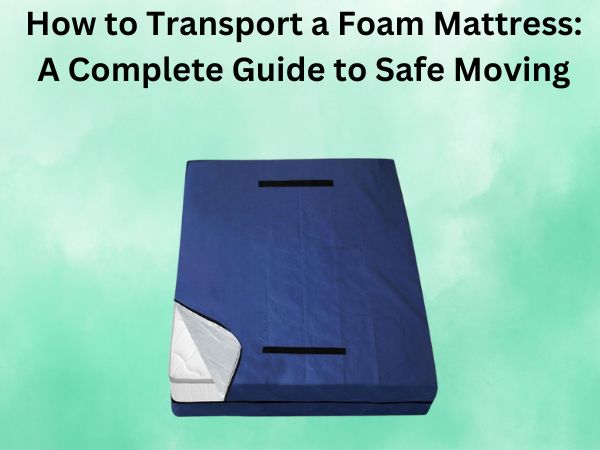
How to Transport a Foam Mattress: A Complete Guide to Safe Moving
Moving day can be stressful, especially when you’re trying to figure out how to get your beloved foam mattress from point A to point B without damaging it. I’ve been there myself, standing in my bedroom wondering if I could just roll it up like a burrito and shove it in my car. Spoiler alert: that’s not exactly the best approach. Let me walk you through everything I’ve learned about transporting foam mattresses safely and efficiently.
Understanding Your Foam Mattress Before You Move It
Before you even think about loading your mattress into a vehicle, it’s important to understand what you’re working with. A foam mattress isn’t like your grandmother’s spring mattress. It’s more delicate, more prone to compression, and requires a bit more care during transport. Think of it like carrying a soufflé—it needs respect and gentle handling.
Why Foam Mattresses Need Special Care
Foam mattresses are constructed with layers of different density foams that work together to provide support and comfort. When you throw your mattress around during transport, you risk permanently damaging these layers. Unlike traditional spring mattresses that can bounce back, foam doesn’t have that same resilience. Once you compress a foam mattress improperly, those indentations might just become permanent roommates on your bed.
The Risks of Improper Transportation
I’ll be honest with you—I once tried to cram my memory foam mattress into a sedan without proper preparation. The result? A bent corner that took weeks to expand back to normal, and I’m still not entirely sure it’s completely recovered. Here are the main risks you should avoid:
- Permanent creases and bends that won’t bounce back
- Tears in the foam layer from sharp contact with other objects
- Water damage if the mattress gets wet during transport
- Dust and dirt accumulation if left unprotected
- Compression damage from stacking heavy items on top
Preparing Your Foam Mattress for Transport
Clean Your Mattress Thoroughly
The first thing I do before any move is give my mattress a good cleaning. You don’t want to be moving dirt, dust, and who-knows-what across town. I use a vacuum with an upholstery attachment to remove surface debris. If there are any stains, I spot-clean them gently with a mild soap solution. Make sure your mattress is completely dry before wrapping it up—moisture is your foam mattress’s enemy.
Choose the Right Wrapping Materials
This is crucial. You’ll need proper protection for your mattress. Here’s what I recommend:
- Mattress bags or plastic covers designed for moving—these are your best friends
- Heavy-duty plastic wrap if you can’t find a mattress bag
- Furniture blankets for extra padding
- Packing tape that’s strong enough to hold everything securely
Avoid using regular plastic sheets or garbage bags. They tear easily and won’t provide the protection you need. A quality mattress bag typically costs between twenty and fifty dollars, which is a small price to pay for saving your mattress.
The Proper Wrapping Technique
I learned this the hard way, but there’s definitely a right and wrong way to wrap a foam mattress. Start by laying your mattress on a clean, flat surface. If you’re using a mattress bag, slide your mattress into it carefully. Make sure there’s at least two to three inches of extra material on all sides. Seal the bag with packing tape, and make sure the seal is tight and complete. If you’re using plastic wrap, overlap your layers generously—at least six inches of overlap—and tape everything securely.
Choosing Your Transportation Method
Personal Vehicle Transport
Most people move their mattresses using their own vehicles, and honestly, it’s often the most economical option. The key is understanding what you’re working with and how to prepare.
Sedan or Compact Car
If you’re driving a sedan, you’ll need to get creative. You can usually fit a twin or full-size mattress inside, though it might take up most of your back seat. For a queen or king mattress, you’ll probably need to put the front passenger seat down and position the mattress diagonally. Make sure the mattress doesn’t block your rear view, and never let it stick out of your car significantly. That’s not only unsafe—it’s often illegal.
SUV or Truck Transport
This is where you’ve got more flexibility. An SUV or truck bed is ideal for transporting foam mattresses. You can lay it flat without bending or folding it. If you’re using a truck bed, make sure you secure the mattress to prevent wind from catching it during travel. I use heavy-duty ratchet straps at the center and corners to keep everything stable.
Roof Rack Solutions
Some people try to strap their mattress to the roof of their car. I’ve seen this done, and while it can work for short distances, I’m not a huge fan of this method. The wind resistance is significant, and there’s always a risk of the mattress coming loose. If you do go this route, make absolutely sure your mattress is wrapped, secured with multiple straps, and that you’re driving carefully at moderate speeds.
Rental Trucks and Moving Vans
If you’re moving multiple items or a longer distance, renting a truck or moving van might be your best bet. These vehicles offer climate-controlled environments that protect your mattress from weather conditions. There’s plenty of space to lay the mattress flat, and you don’t have to worry about it bending. The rental cost might be higher, but you’ll have peace of mind knowing your mattress is in the safest possible environment.
Step-by-Step Loading Instructions
Preparing Your Vehicle Before Loading
Before you start moving anything, prepare your vehicle properly. Remove any items that could puncture or damage your mattress. Check for sharp edges on the interior and cover them with padding if necessary. If you’re using a truck bed, clean it thoroughly and consider laying down a protective layer like cardboard or plywood.
The Actual Loading Process
This is where patience becomes your greatest asset. Here’s how I approach it:
First, position your mattress as flat as possible. Never fold or bend it more than absolutely necessary. If you’re loading it into a car, tilt it at an angle and slide it in gently. Use slow, deliberate movements rather than quick jerks. If you have a helper—and believe me, you want one—coordinate your movements. One person should guide from the front while the other pushes from behind.
Once the mattress is in position, secure it. Use ratchet straps or heavy-duty bungee cords to keep it from shifting during transport. The mattress should be immobilized but not crushed. You want firm security, not compression.
Protecting Against Environmental Factors
Before you hit the road, consider the weather and environmental conditions. If rain is forecasted, make sure your mattress is wrapped properly and consider adding a tarp on top for extra protection. If you’re moving during hot weather, try to keep your mattress shaded during transport. Heat can affect foam materials, making them more pliable and susceptible to damage.
During Transport: What You Need to Know
Driving Safely with Your Mattress
Once your mattress is loaded and secured, adjust your driving habits accordingly. You might have a larger profile than usual, so give yourself extra stopping distance. Avoid sudden acceleration or hard braking. Take corners slowly and smoothly. Think of your car as carrying something precious—because you are.
Checking Your Load Periodically
On longer journeys, I make it a point to stop and check my mattress every hour or so. Make sure straps haven’t loosened, nothing has shifted, and the wrapping is still intact. These quick checks take five minutes but can save you major headaches later.
Unloading and Reassembly
The Careful Unloading Process
You’ve made it to your destination—now comes the unloading. This requires the same care as loading. Have your helper ready, and use the same slow, deliberate movements. Tilt the mattress at an angle as you extract it from your vehicle. Don’t drag it across surfaces, and avoid twisting it.
Allowing Your Mattress to Expand
Here’s something people often forget: after being transported and compressed, your foam mattress needs time to fully expand and return to its original shape. Unwrap it as soon as you can after arrival, and let it sit undisturbed in your new location for at least 24 to 48 hours. Some high-density foams might need up to 72 hours. During this time, avoid sleeping on it. I know this might be tempting after a long move, but your mattress will thank you with better support and comfort once it’s fully expanded.
Setting Up Your New Bed Frame
Once your mattress has had adequate time to expand, you can place it on your new bed frame. Make sure your bed frame is sturdy and level. A foundation or box spring designed for your mattress type will extend its lifespan and improve its performance.
Special Considerations for Different Foam Types
Memory Foam Mattresses
Memory foam is temperature-sensitive, which means it becomes softer in warm conditions and firmer in cold conditions. During transport, try to keep your mattress at moderate temperatures. Avoid leaving it in a hot car for extended periods, as this can cause the foam to become overly pliable.
Gel-Infused Foam Mattresses
Gel-infused foam has similar considerations to memory foam, but the gel component adds another layer to consider. Keep these mattresses protected from direct sunlight during transport, as excessive heat can affect the gel’s performance.
Latex Foam Mattresses
Natural latex is more durable than synthetic foam, but it still requires careful handling. Latex can be punctured more easily than you’d think, so be extra cautious about sharp objects during transport.
Common Mistakes to Avoid
Don’t Fold or Bend Your Mattress
I can’t stress this enough. Bending your foam mattress for extended periods can cause permanent damage. If you absolutely must bend it, keep the bend gentle and temporary. Never fold it in half.
Don’t Leave It Unprotected
Transporting an unwrapped mattress is asking for trouble. Dirt, moisture, and physical damage are all waiting to happen. Always wrap your mattress, no exceptions.
Don’t Overload Your Vehicle
Adding too much weight on top of your mattress or combining it with heavy furniture in a small space can compress it permanently. Distribute weight carefully.
Don’t Rush the Expansion Process
I see people sleeping on their mattress the night after moving, and I cringe. Patience during the expansion phase leads to better mattress performance in the long run.
Professional Moving Services: Should You Use Them?
When Professional Help Makes Sense
If you’re moving long distance, have a particularly expensive or delicate mattress, or simply don’t want the hassle, professional movers might be worth the investment. They have the equipment, experience, and insurance to handle your mattress properly. Most professional moving companies offer mattress bags and specialized transport options.
Questions to Ask Moving Companies
Before hiring professional movers, ask them specifically how they handle foam mattresses. Do they use protective coverings? Do they guarantee their work? Are they insured? A reputable company should be able to answer these questions confidently.
Budget-Friendly Transport Tips
Not everyone can afford professional movers, and that’s perfectly fine. Here are some budget-friendly approaches:
- Ask friends or family to help you move—pizza and drinks are cheaper than professional movers
- Use materials you already have at home, like old blankets and sheets, for additional padding
- Rent a truck for just a few hours if you’re moving locally—often more affordable than a full day rental
- Move during off-peak times like weekdays in the middle of the month when rental prices are lower
- Consider selling your old mattress locally if space is an issue, rather than trying to transport it
Climate Control During Transport
Hot Weather Considerations
When moving during hot months, extreme heat can temporarily soften foam materials. If possible, schedule your move for early morning or late evening when temperatures are cooler. Keep your mattress shaded and ventilated as much as possible.
Cold Weather Considerations
Cold can make foam more brittle and susceptible to cracking if it’s bent. In winter months, be extra gentle during loading and unloading. Allow your mattress to acclimate to room temperature before fully unpacking it.
Insurance and Damage Protection
Document Your Mattress Condition
Before you move, take clear photos of your mattress from multiple angles. Document any existing damage or wear. This becomes important if something happens during transport and you need to file a claim with your insurance company or moving service.
Moving Insurance Options
If you’re using a moving company, ask about their insurance coverage. Some policies automatically cover mattresses, while others require additional coverage. It’s worth understanding what’s protected and what isn’t before your move day.
Post-Move Mattress Care
Inspecting for Damage After Arrival
Once your mattress has expanded, carefully inspect it for any damage that might have occurred during transport. Look for tears, indentations, or structural issues. Address any problems immediately—some issues might require professional repair or replacement.
Airing Out Your Mattress
After being wrapped up during transport, your mattress might have picked up some odors. If weather permits, allow it to air out in a well-ventilated area before fully setting it up. This helps eliminate any mustiness from being encased.
Conclusion
Transporting a foam mattress doesn’t have to be a stressful nightmare. With proper preparation, the right materials, and careful handling, you can move your mattress safely from one location to another. Remember that your foam mattress is an investment in your comfort and sleep quality—it deserves to be treated with care. Take your time during the wrapping and loading process, secure it properly during transport, and be patient while it expands in your new home. Whether you’re moving across town or across the country, following these guidelines will help ensure your mattress arrives in perfect condition, ready to provide you with years of comfortable sleep. The effort you put in now will pay dividends in mattress longevity and performance.
Frequently Asked Questions
Can I fold my foam mattress to transport it more easily?
![What Is The best latex hybrid mattress for side sleepers [In 2026]](https://homeunderstandable.com/wp-content/uploads/2025/12/Best-latex-hybrid-mattress-for-side-sleepers.jpg)
![5 Best Mattress Topper for Bad Lower Back [In 2026]](https://homeunderstandable.com/wp-content/uploads/2025/06/best-mattress-topper-for-bad-lower-back.jpg)
![What Is The best mattress for couples with back pain [In 2026]](https://homeunderstandable.com/wp-content/uploads/2025/12/Best-mattress-for-couples-with-back-pain.jpg)
![What Is The Best Mattress for Hips [In 2026]](https://homeunderstandable.com/wp-content/uploads/2025/12/Best-Mattress-for-Hips.jpg)