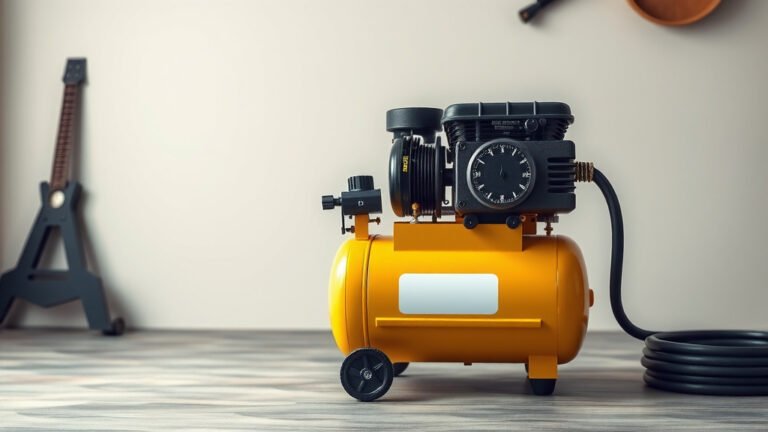
Master Your 2 Cylinder Air Compressor: A Step-by-Step Guide
Using a 2-cylinder air compressor is pretty straightforward! You’ll want to check the oil level, ensure it’s plugged in properly, and then flip the power switch. It’s designed to deliver more air power than a single-cylinder model, making it great for tougher jobs.
These workhorses are fantastic for tasks like powering impact wrenches, paint sprayers, or even inflating larger tires. We found that understanding a few key steps ensures you get the most out of its robust performance. It’s a dependable tool for many DIYers and professionals alike.
- Check oil before starting.
- Connect power securely.
- Turn on the switch.
- Understand its power benefits.
- Use for demanding air tools.
Let’s walk through exactly how to get your 2-cylinder air compressor up and running, step by step, so you can get to work!
Getting Your 2-Cylinder Air Compressor Ready to Go
You’ve got your 2-cylinder air compressor, and you’re eager to put its extra power to work. That’s fantastic! These models are built for jobs that need a steady, strong supply of air. Think of them as the capable workhorses of the air compressor world. Let’s make sure you’re set up for success before you even flip the switch.
Before You Power On: Essential Checks
Safety and proper function start before the motor even hums. Taking a few moments now will save you headaches later. We found that these simple checks are the bedrock of reliable compressor performance. It’s not complicated, but it’s definitely important.
Checking the Oil Level
This is probably the most critical step before your first start, and every start after that. Your compressor’s manual will show you the exact oil dipstick location. Pull it out, wipe it clean, reinsert it fully, and pull it out again. You want the oil level to be between the ‘Add’ and ‘Full’ marks. If it’s low, add the recommended type of oil. Too little oil can cause serious damage, while too much can cause other issues. It’s a delicate balance, but easy to get right.
Ensuring Proper Ventilation
These compressors work hard and generate heat. They need breathing room! Make sure your compressor is in a well-ventilated area. Don’t place it in a small, enclosed space like a cramped closet or against a wall where air can’t circulate freely around the motor and pump. We found that giving it at least a foot of space on all sides helps keep things cool. This prevents overheating and extends the life of your machine.
Inspecting the Power Cord and Connections
Before plugging it in, give the power cord a quick once-over. Look for any nicks, cuts, or frayed wires. If you see any damage, do not use the compressor. It’s a serious safety hazard. Also, ensure the plug and the outlet are clean and dry. Any moisture can be a problem. A damaged cord or a wet connection is a surefire way to cause trouble.
Understanding Your Compressor’s Features
Your 2-cylinder compressor isn’t just a bigger version of a single-cylinder. It’s designed for specific performance benefits. Knowing these helps you appreciate what it can do for you. Understanding your compressor’s performance benefits, like PSI, helps match it to your projects.
The Benefits of Two Cylinders
Why two cylinders? Simply put, more power and faster recovery. Two cylinders working together can compress more air more efficiently than one. This means your compressor can reach higher pressures faster and deliver a more consistent air supply. Many users report that the difference is noticeable when running air-hungry tools. It’s like having two people breathing for your tools instead of just one.
CFM and PSI: What They Mean for You
You’ll often see ratings like CFM (Cubic Feet per Minute) and PSI (Pounds per Square Inch). CFM tells you how much air the compressor can deliver. PSI tells you how much pressure that air has. For 2-cylinder models, you’ll typically see higher CFM ratings. This is crucial for tools that use a lot of air, like sanders or spray guns. You need enough CFM to keep the tool running without the compressor constantly struggling to keep up. We found that matching your tool’s CFM requirement to your compressor’s output is key to optimal performance.
Connecting and Operating Your Compressor
Now that everything is checked and understood, it’s time to get it running. Follow these steps carefully for a smooth startup.
Plugging It In
Use an extension cord that is rated for the power demands of your compressor, if needed. A cord that’s too thin can overheat and cause performance issues. Ensure the outlet you’re using is on a circuit that can handle the compressor’s electrical load. Many larger compressors need a dedicated circuit. Check your compressor’s manual for specific electrical requirements. Plugging it into an overloaded circuit is a common tripping hazard (literally!).
Turning the Compressor On
Once plugged in, locate the power switch. It’s usually a simple on/off toggle or a push-button. Flip it to the ‘On’ position. You’ll hear the motor engage, and the compressor will start pumping air. It will build pressure until it reaches its cut-off point, at which time the motor will shut off. This is normal. When the pressure drops, the motor will restart automatically to bring it back up. This cycle is the compressor’s way of managing its workload.
Setting the Air Regulator
Most compressors have a regulator. This lets you control the air pressure that comes out of the tank and goes to your tools. You’ll see a dial or knob on the compressor, often near the air outlet. Connect your air hose and tool, then slowly adjust the regulator to the pressure recommended by your tool’s manufacturer. For example, many impact wrenches need around 90 PSI. You don’t want to send too much pressure to your tool, as this can damage it. We found that using a gauge to confirm the regulator setting is a smart move.
A Quick Startup Checklist
Here’s a handy list to run through before you power up:
- Oil Level: Is it in the green zone?
- Ventilation: Is there plenty of space around the compressor?
- Power Cord: Is it free from damage?
- Connections: Are the plug and outlet dry and clean?
- Power Supply: Is the circuit adequate for the compressor?
- Pressure Regulator: Is it set correctly for your tool?
Conclusion
You’ve now got the essential steps down for using your 2-cylinder air compressor. Remember, that extra power is ready for your tougher jobs, from inflating tires to running demanding air tools. By consistently checking your oil, ensuring good ventilation, and properly setting your regulator, you’ll get the best performance and extend your compressor’s life. Now that you’re equipped with this knowledge, you’re ready to tackle projects with confidence. Go ahead and get started on your next task!
Frequently Asked Questions
How often should I check the oil in my 2-cylinder air compressor?
You should check the oil level before each use, just like you would check the oil in your car. This simple step is the most important for preventing damage. If you use your compressor frequently, consider checking it daily.
Can I use any type of extension cord with my 2-cylinder air compressor?
No, you need to use an extension cord that is rated for the compressor’s power draw. A cord that’s too thin can overheat and cause poor performance or even damage. Always check your compressor’s manual for the recommended cord gauge.
What happens if my 2-cylinder air compressor motor keeps shutting off?
It’s normal for the motor to shut off when it reaches the tank’s pressure limit. If it’s shutting off too quickly or frequently, check your ventilation to prevent overheating. Also, ensure the pressure regulator isn’t set too high.
How do I know if my 2-cylinder air compressor is powerful enough for my tool?
You need to match your tool’s CFM (Cubic Feet per Minute) requirement to your compressor’s output. Tools like impact wrenches or sanders use more air. We found that checking your tool’s manual for its CFM needs is the best way to ensure your compressor can keep up.
Is it okay to store my 2-cylinder air compressor in a garage or shed?
Yes, but make sure the area is well-ventilated. Your compressor needs airflow to stay cool, especially during operation. Avoid storing it in completely sealed or damp environments to prevent damage and ensure proper function when you need it.