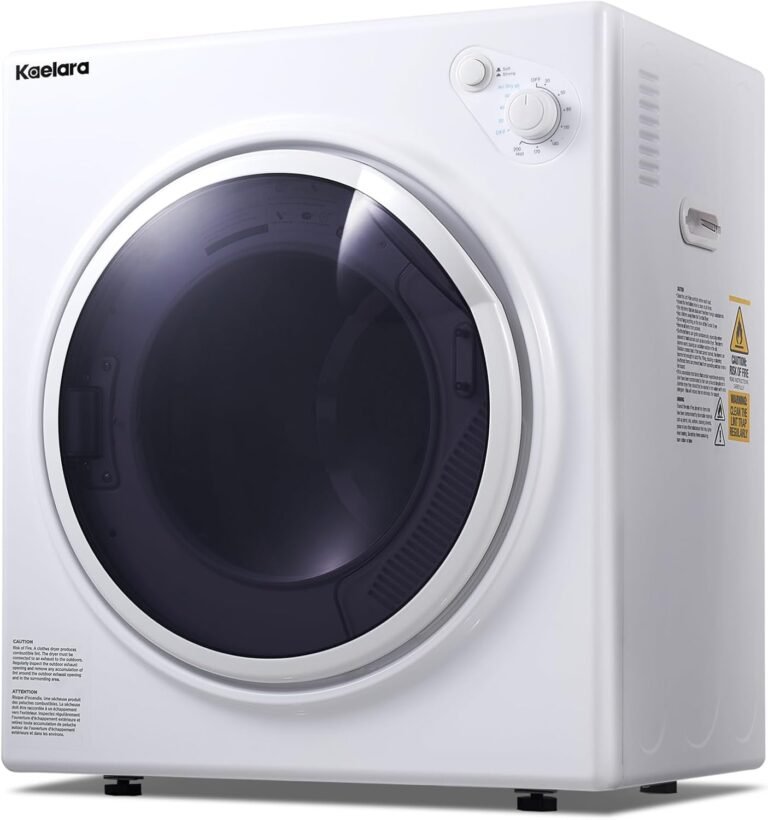
How to Use a Clothes Dryer: Easy Steps for Best Results
To use a clothes dryer machine, first sort your laundry by fabric type and weight, then load it loosely, add a dryer sheet, select the correct cycle, and press start. Sorting your clothes prevents damage and uneven drying. Choosing the right cycle saves energy and protects your fabrics. Cleaning the lint filter before every load is the single most important step for both safety and efficiency.
Using a dryer is simple, but getting great results takes a little know-how. We found that most people just toss everything in on high heat, which is tough on clothes. Things like delicates, heavy towels, and workout gear each need their own specific settings. You also need to know how to handle common dryer problems, like when clothes come out still damp or when static electricity makes everything stick together.
- Clean the lint screen: Always do this before each load to prevent fire hazards and speed up drying.
- Don’t overload the drum: Clothes need room to tumble and let hot air circulate.
- Match the cycle to the fabric: Use delicate for lingerie and high heat for towels and sheets.
- Use dryer sheets wisely: They reduce static and add softness, but skip them for towels to keep them absorbent.
- Take clothes out right away: This prevents wrinkles from setting in if they sit in the drum.
Below, we break down exactly what you need to know to master your dryer. Let’s walk through the steps and settings so you can get perfectly dried, fluffy laundry every single time.
Mastering Your Dryer: A Step-by-Step Guide
You can get perfect results every time by following a simple routine. We found that most dryer mishaps come from skipping prep work. Let’s fix that right now.
Start with the lint filter and work your way through the load. This guide walks you through the entire process from start to finish.
Prep Your Laundry Before the Drum Starts Turning
Preparation is half the battle. You wouldn’t bake a cake without measuring ingredients, right? The same logic applies to drying clothes.
Take a few minutes to prep. This saves you from ruined clothes and wasted energy later.
Check the Care Tags for the Right Dryer Settings
Every garment has a secret code. The care tag tells you exactly what it needs. We found that ignoring these tags is the #1 cause of shrinkage and fabric damage.
Look for these symbols:
- Circle inside a square: Tumble dry is allowed.
- Dots inside the circle: One dot is low heat, three dots is high heat.
- Circle with an X: Do not tumble dry. Hang it up instead.
Match the tag to your machine’s dial. This simple step protects your investment in your wardrobe.
Sort Clothes by Weight and Fabric Type
Throwing a heavy denim jacket in with sheer blouses is a recipe for disaster. The heavy items bang around and damage the delicate ones. The light items also dry much faster.
Group your laundry before loading. Separate heavy cottons and towels from synthetics and delicates. This ensures even drying and reduces wear and tear on your favorite pieces.
Loading the Dryer for Maximum Airflow
How you load the machine matters more than you think. Overloading is the most common mistake we see. Clothes need room to tumble freely.
Think of the drum like a crowded elevator. If it’s packed tight, nobody can move. Hot air needs space to circulate around each item.
How Full Should a Dryer Be?
Fill the drum about half full. This might look like less than you expect. That’s okay. You want the clothes to fall and separate as the drum turns.
We found that a half-full drum dries clothes 30% faster than a packed one. You save time and electricity. Plus, your clothes come out with fewer wrinkles.
The Right Way to Place Bulky Items
Items like comforters and sleeping bags need special attention. They have a tendency to ball up into a wet wad. This traps moisture and prevents drying.
Add a few clean tennis balls or dryer balls. Dryer balls help break up clumps and fluff the fabric. This cuts drying time significantly for bulky loads.
Choosing the Perfect Dryer Cycle
Modern dryers have many settings. It can feel like shopping for a car. That’s okay. You really only need to know a handful of them.
We found that sticking to the right preset cycle delivers the best results. Let’s break down the options in simple terms.
Understanding Heat Settings and Timed Dry
Heat settings control the temperature. “Timed Dry” runs for a set number of minutes regardless of moisture. This is best for small loads or items you want to check on manually.
Here is what we recommend for common items:
| Fabric Type | Recommended Cycle | Heat Level |
|---|---|---|
| Towels and Sheets | Heavy Duty | High |
| Everyday Cotton Clothes | Normal | Medium |
| Permanent Press | Wrinkle Control | Medium |
| Activewear and Synthetics | Delicate | Low |
| Lingerie and Bras | Air Dry or No Heat | None |
Match the cycle to the fabric. Your clothes will last much longer. The energy savings will also show up on your utility bill.
When to Use the Sensor Dry Feature
Most dryers have a “Sensor Dry” or “Auto Dry” option. This uses moisture sensors to stop the machine when clothes are dry. It prevents over-drying.
Over-drying is harsh on fabrics. It causes premature fading and weakens the fibers. We found that using sensor drying is the best way to extend the life of your clothes.
Finishing Touches for Fluffy, Static-Free Laundry
The drying cycle is done. Now what? Taking the right steps after the cycle ends is just as important as the wash cycle.
You want to remove clothes promptly to avoid wrinkles. You also want to manage static cling before it ruins your mood.
How to Stop Static Electricity in the Dryer
Static happens when fabrics rub together in a hot, dry environment. It’s annoying, but completely fixable. We recommend a few easy solutions.
Dryer sheets are the classic choice. They contain lubricants that neutralize static. You can also use wool dryer balls. Many experts say that reducing drying time itself is a great preventative measure.
Why You Should Remove Clothes Immediately
Leaving clothes in the drum leads to deep-set wrinkles. These creases are hard to remove, even with a hot iron. They also make clothes smell musty.
Set a mental timer. When the buzzer goes off, grab the clothes right away. Shake each item out as you fold it. This simple trick keeps you looking sharp.
Handling Common Dryer Problems
Sometimes things go wrong. You pull out a load and it’s still damp in the middle. Or the dryer stops halfway through. Don’t panic.
We found that most dryer issues have simple causes. Here is how to fix the most common culprits.
Why Are My Clothes Still Damp After a Full Cycle?
This usually points to a venting problem or an overloaded drum. A clogged lint filter or a crushed exhaust hose restricts airflow. Warm air can’t escape, so the clothes stay wet.
Check the lint screen first. Then, make sure the outdoor vent flap opens when the dryer runs. If everything looks clear, try splitting the load in half.
What to Do When the Dryer Won’t Start
Check the door switch first. The dryer won’t run if the door isn’t fully sealed. Make sure the settings are dialed in completely.
Modern machines have a “Start” button you need to hold for a few seconds. Press and hold it until you hear the motor hum. If nothing happens, check your home’s breaker panel for a tripped switch.
How to Clean the Lint Filter and Vent
Cleaning the lint filter is a non-negotiable safety step. Lint is highly flammable. The CDC advises that lint buildup is a leading cause of dryer fires in homes. Make a habit of removing the lint screen after every single load.
You should also deep-clean the vent duct a few times a year. This requires a vacuum hose or a special vent brush. Here is a quick safety checklist to follow monthly:
- Pull out the lint screen and wipe it down with a damp cloth.
- Vacuum the slot where the lint screen sits.
- Disconnect the exhaust hose and check for blockages.
- Inspect the outdoor flap to ensure it opens freely.
- Wipe the drum interior with a damp cloth to remove residue.
- Check the door seal for trapped debris or coins.
Quick Tips for Specific Fabric Types
Some items need a little extra love. You can’t treat a puffer jacket the same as a pair of jeans. Here is our quick guide to the tricky stuff.
Drying Towels and Bedding Correctly
Skip the dryer sheet when drying towels. The fabric softener coats the fibers and ruins absorbency. We found that towels dry best with no added products.
Give the load a good shake before you start. Fluff the sheets and blankets to remove any twists. Use high heat for towels to kill bacteria and ensure they come out soft.
The Best Way to Dry Activewear and Delicates
High heat destroys spandex and elastic. This breaks down the stretch in your leggings and sports bras. Always use the low heat or air-dry setting for these fabrics.
Place delicates in a mesh laundry bag before loading them. This protects them from snagging on zippers and hooks from other clothes. When in doubt, hang dry the items you love the most. It is the gentlest method available.
Conclusion
You don’t need a laundry science degree to dry clothes well. You just need a few simple habits: clean the lint filter, sort your loads, and pick the right cycle. That’s the whole secret.
Overloading the drum is your biggest enemy. Give your clothes room to tumble, and they will dry faster and come out softer. Use sensor drying when you can. It protects your fabrics and saves you money on your energy bill.
Your next step is simple. Go check your lint filter right now. If it looks fuzzy, clean it. Then, grab your next load and match the cycle to the fabric. You will see better results immediately. We promise your clothes will thank you.
Frequently Asked Questions
How long does it take to dry clothes in a dryer?
A typical load takes between 30 and 45 minutes on a normal cycle. Heavy items like towels or jeans can push that closer to an hour. Use the sensor dry setting to let the machine stop automatically when it detects moisture is gone. This prevents over-drying and wasted time.
Can you put wet clothes in the dryer right after washing?
Yes, you can put wet clothes straight into the dryer. We recommend giving them a quick shake first to untangle them. This helps them tumble freely and dry evenly. Just make sure the spin cycle removed most of the excess water before you transfer the load.
Why does my dryer smell bad when I use it?
A bad smell usually comes from trapped lint or lingering moisture inside the drum. Clean the lint filter and wipe down the interior with a damp cloth. You can also run an empty cycle with a cup of white vinegar to neutralize odors. Check the vent hose for blockages if the musty smell persists.
Is it better to air dry clothes or use a machine dryer?
Air drying is gentler on fabrics and uses zero energy. It is the best choice for delicates like lingerie, activewear, and wool sweaters. Machine drying is faster and gives towels that fluffy feel you love. We suggest using each method for the items that suit them best.
How do you keep clothes from shrinking in the dryer?
Heat causes shrinkage, so the fix is simple. Use the low heat or delicate setting for anything you worry about. Check the care tag first. If it says “tumble dry low,” pay attention. You can also pull clothes out slightly damp and hang them to finish drying. This stops the shrinking process completely.