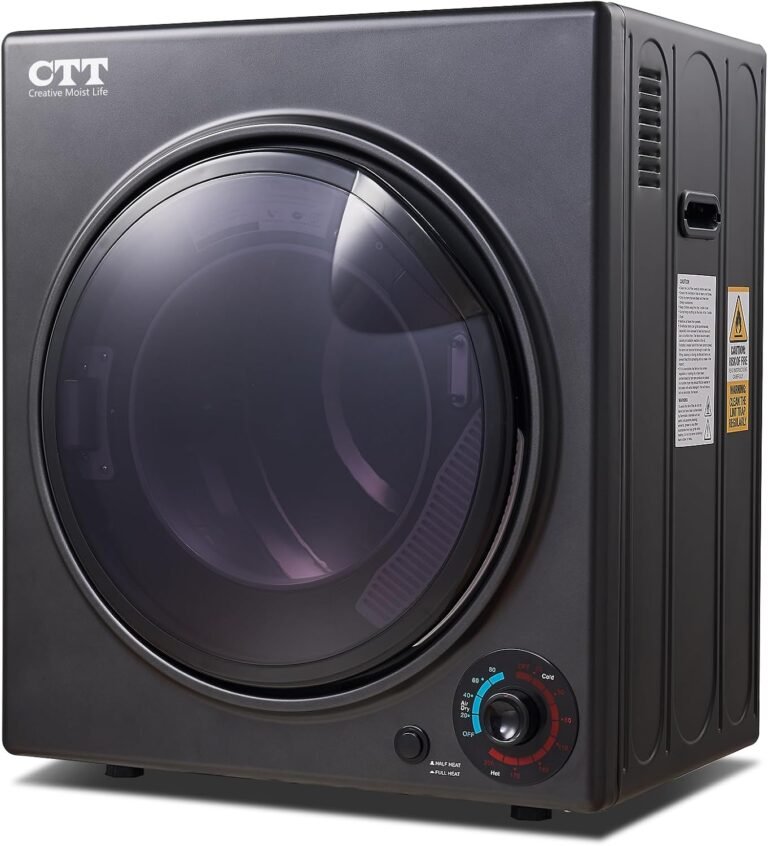
Dryer Machine Basics: How to Use One Safely
The easiest way to use a clothes dryer machine is to sort your laundry by fabric type, load it loosely, and select the correct drying cycle. Check the care tag on each item first to avoid shrinking or damaging your clothes. You should also clean the lint filter before every single load to prevent fire hazards and improve drying speed.
Clothes dryers save you hours of time compared to air drying, but they only work well when you use them the right way. We found that most people make simple mistakes like overloading the drum or using the wrong heat setting. Knowing your machine’s settings and how different fabrics behave is the secret to soft, fresh laundry every time.
- Sort clothes by weight and fabric type before drying.
- Always clean the lint trap before each load for safety.
- Use high heat for towels and heavy fabrics only.
- Use low heat or air dry for delicates and synthetics.
- Remove clothes promptly to prevent wrinkles and musty smells.
Below, we break down everything you need to know about using a dryer machine, from loading it properly to picking the right cycle. Let’s walk through it step by step so you get great results on the very first try.
Using a Clothes Dryer Machine Without the Guesswork
You load the drum, press a button, and hope for the best. Sound familiar? We found that most people treat their dryer like a magic box. But a few simple steps make a huge difference in how your clothes come out. Let’s break down the whole process so you can dry faster, protect your fabrics, and stop wasting energy.
Check the Care Tag First
That tiny label inside your shirt is your best friend. It tells you exactly what your fabric can handle. Many guidelines from the Federal Trade Commission point to these tags as the rulebook for garment care. Look for the drying symbol. A circle inside a square means tumble dry is fine. If there’s a dot in the middle, that’s your heat level. One dot means low heat. Three dots mean high heat. If the symbol has an X over it, keep that item away from the dryer completely.
We found that skipping this step causes most of the shrinkage and melting you see on expensive clothes. Take ten seconds to check. Your favorite sweater will thank you.
How to Prepare Your Laundry for the Dryer
Tossing wet clothes straight from the washer into the dryer seems easy. But a little prep work goes a long way. Think of it like packing a suitcase. If you throw everything in without thinking, you end up with a wrinkled, uneven mess.
Shake Out Each Item
Give each piece a good shake before loading. This separates tangled fabric and reduces wrinkles. It also helps the dryer sense moisture more evenly. We shake out shirts by the shoulders and pants by the waistband. It takes less than a minute and makes a visible difference in the final result.
Empty All Pockets
We know, you’re in a hurry. But pocket checks prevent real damage. Tissues turn into a snowy mess all over your clothes. Pens create ink stains that are nearly impossible to remove. Coins can damage the drum’s interior. Keys can scratch the finish. Make it a habit. Check every pocket before anything goes in.
Button Up and Zip Close
Close all zippers and buttons before drying. Open zippers have teeth that can snag delicate knits and leave pulled threads. Buttons can catch on other fabrics too. Quick rule: if it hangs, it gets closed. This tiny step protects your garments from unnecessary wear and tear.
Loading the Dryer Drum the Right Way
How you load your dryer matters more than you might think. The machine needs room to toss clothes around. Hot air has to circulate between every piece of fabric. If it can’t move, your clothes stay damp and the cycle runs longer than needed.
Don’t Overload the Machine
Here’s the golden rule we tell everyone: fill the drum no more than half to three-quarters full. You should be able to fit your open hand between the clothes and the top of the drum. If you have to push clothes down to close the door, that’s too much. Overloading leads to long drying times, deep wrinkles, and unbalanced loads that make the machine bang around your laundry room.
Small loads work too. A few towels alone will dry just fine. The machine adjusts its moisture sensors automatically. So you don’t need to wait for a perfect full load every time.
Separate Heavy Fabrics from Light Ones
Heavy items like jeans and towels take much longer to dry than t-shirts and underwear. If you mix them, the light items finish early while the heavy ones stay damp. That forces the sensor to keep running, which over-dries your delicate stuff. We found that sorting by weight gives you faster cycles and better results.
Try this simple split:
- Towels, jeans, and sweatshirts go in one load on high heat.
- Shirts, blouses, and dress pants go in another on medium heat.
- Underwear, socks, and delicates get their own low-heat cycle.
Choosing the Right Dryer Cycle
Modern dryers come with more settings than you’ll ever need. But you really only need to master a few. We found that the cycle names are pretty self-explanatory once you understand what heat and time they use. Let’s walk through the most common ones.
Normal or Cotton Cycle
The normal cycle uses high heat and is your go-to for everyday items. Use it for cotton t-shirts, socks, underwear, and sturdy fabrics. It runs on a timed cycle, usually between 40 and 60 minutes. This setting is also great for sheets and towels. The high heat helps kill bacteria and leaves everything fluffy and fresh.
Delicate or Gentle Cycle
Delicates use low heat with a slower tumble action. This setting protects fragile fabrics from excessive friction and heat damage. Use it for bras, silk blouses, lingerie, and anything with lace or thin straps. Many experts say that most delicates do better air drying. But if you need the dryer, the gentle cycle is your safest bet with low heat.
Permanent Press Cycle
Permanent press uses medium heat with a cool-down period at the end. That cooling phase relaxes the fibers and prevents wrinkles from setting in. Use this for synthetic fabrics like polyester, rayon, and acrylic. It’s also perfect for work clothes and dress shirts. You’ll notice fewer wrinkles and less ironing afterward.
Air Dry or Fluff Cycle
The air dry setting uses no heat at all. It just tumbles clothes with room-temperature air. Use it for items that can’t take any heat, like rubber-backed rugs, foam pillows, or shoes. It also helps remove dust and pet hair from bedding and drapes. We use this cycle to freshen up clothes that sat in the closet for a few weeks.
Timed Dry vs. Auto Dry
Many machines give you both options for each cycle. Timed dry runs for a set number of minutes, no matter what. Auto dry uses moisture sensors inside the drum to stop when clothes are dry. We found that auto dry is the smarter choice. It prevents over-drying, saves energy, and protects your fabrics. Timed dry is best when you want to control the heat level yourself, like when drying sneakers or bulky items that confuse sensors.
| Cycle | Heat Level | Best For | Avoid For |
|---|---|---|---|
| Normal / Cotton | High | Towels, jeans, cotton tees | Delicates, spandex |
| Delicate / Gentle | Low | Lingerie, silk, lace | Towels, heavy cottons |
| Permanent Press | Medium | Polyester, work shirts, slacks | Heavy fabrics like denim |
| Air Dry | No heat | Foam, rubber, shoes | Anything wet and heavy |
Dryer Maintenance and Safety Basics
A dryer is a workhorse. But it needs regular care to run safely and efficiently. Many house fires start from neglected dryer vents and lint buildup. The National Fire Protection Association reports that failure to clean lint traps is the leading cause of dryer-related home fires. That’s a serious reason to pay attention.
Clean the Lint Filter Every Time
We cannot say this enough: clean the lint trap before every single load. Pull out the filter, scrape off the lint with your hand, and toss it in the trash. It takes five seconds. A clean filter allows proper airflow, which dries clothes faster and prevents overheating. A clogged filter makes your dryer work harder and drives up your energy bill.
Check the Vent Hose Regularly
The vent hose that runs from the dryer to the outside wall can clog with lint over time. Many experts suggest checking it every six months. Disconnect it, vacuum out any buildup, and make sure there are no kinks or bends trapping air. A blocked vent is a fire hazard. It also makes drying take twice as long.
Empty the Water Collection Tank
If you have a condenser dryer with a water tank, empty it after every use. Stale water sitting in a warm tank grows bacteria and mold. That’s what causes that musty smell on your clothes. We found that leaving water in the tank is the main culprit behind towels that smell sour the next day.
How to Dry Clothes Faster and Save Energy
Nobody wants to run the dryer three times for one load. So let’s talk about speeding things up. Little tweaks make a big difference in drying time and energy use.
Give Clothes a Fluff and Re-Load
Halfway through the cycle, pause the dryer. Pull out the clothes, give them a good shake, flip heavier items over, and throw them back in. This repositions the fabric so air can reach every layer. We found that this simple trick cuts drying time by 10 to 15 minutes on bulky loads.
Dry Similar Fabrics Together
We touched on this with sorting. But it’s worth repeating. Mixing a denim jacket with thin cotton shirts forces the sensor to run longer until the heavy denim is dry. That extra time over-dries the shirts. Stick to one fabric type per load and you’ll get faster, more even results.
Don’t Add Wet Items Mid-Cycle
Resist the urge to toss in one damp towel while the dryer is already running. That introduces a cold, wet object that disrupts the moisture sensors. The machine takes longer to recalibrate, and everything takes more time. Wait for the next load instead.
When to Skip the Dryer Completely
Some things just don’t belong in the machine. We get it — your time is precious. But certain fabrics will warp, melt, or shrink no matter which setting you pick. Here’s what to hang dry instead.
- Wool sweaters and cashmere — they will shrink dramatically.
- Silk blouses and dresses — the heat ruins the delicate fibers.
- Anything with elastic, like swimsuits and sports bras — heat breaks down the stretch.
- Leather jackets and belts — high heat cracks and distorts them.
- Embroidered or beaded garments — the friction breaks the threads.
Air drying takes longer, but it’s the right call for these items. Lay them flat on a clean towel or hang them on a rack away from direct sunlight.
Quick Pre-Dry Checklist
You’ve got this. Before you press start, run through this quick checklist to make every load your best one.
- Check every care tag and sort by fabric weight.
- Empty all pockets and shake out each item.
- Clean the lint filter before loading.
- Fill the drum only half to three-quarters full.
- Pick the right heat and cycle for the heaviest items.
- Remove clothes the moment the cycle ends.
Stick to these steps and your dryer becomes a reliable ally instead of a guessing game. You’ll save time, protect your clothes, and cut down your energy bill. That’s a win no matter how you look at it.
Conclusion
You don’t need to be a laundry expert to get soft, fresh clothes every time. The secret is simple: check the care tag, sort by fabric weight, and don’t overload the drum. We found that these small habits save you time, energy, and money on your utility bill.
Cleaning the lint filter before every load is non-negotiable. It keeps your dryer running fast and your home safe. And remember, when in doubt, use a lower heat setting. Your clothes will last longer and look better for years.
Start with one load today. Use our quick pre-dry checklist, and you’ll notice the difference right away.
Frequently Asked Questions
Why do my clothes smell musty after drying?
A musty smell usually means clothes sat in the dryer too long after the cycle ended. Pull them out right away and give them a shake. If the smell persists, clean the lint filter and check for mold around the drum seal.
Running an empty cycle with a cup of white vinegar can also help freshen the machine. This removes buildup that traps odors in your fabrics.
Can I put wet clothes directly in the dryer?
Yes, but you should give them a quick shake first. This separates tangled items and helps the dryer sense moisture more evenly. Clothes that come out of the washer in a tight ball will dry unevenly and come out wrinkled.
Shaking each item takes less than a minute. We think it’s worth the extra step for better results.
Why is my dryer taking too long to dry clothes?
A clogged lint filter or vent hose is the most common culprit. Clean the lint trap before every load and check the vent hose every six months. Overloading the drum is another big reason — too many clothes means hot air can’t circulate properly.
You might also have the wrong cycle selected. High-heat settings dry faster but can damage delicate fabrics.
Is it safe to leave the dryer running overnight?
We don’t recommend it, even if your dryer has an auto-off feature. Dryers generate a lot of heat, and malfunctions can happen while you’re asleep. The risk of fire isn’t worth the convenience.
Set a timer on your phone instead. You can transfer clothes to a basket if the cycle finishes while you’re still awake.
Can I dry sneakers in my clothes dryer?
Yes, but only on the air dry or no-heat cycle. Heat can melt the glue that holds sneakers together. Use a mesh laundry bag to protect the drum and keep laces from tangling.
Some sneakers with plastic or rubber accents should be air-dried instead. Check the manufacturer’s website for specific guidance.