Infrared Cooker vs Air Fryer: Which Is Better for Home Use?
When you’re standing in your kitchen wondering what cooking appliance to invest in next, you’ve probably found yourself torn between an infrared cooker and an air fryer. Both of these modern kitchen gadgets promise faster cooking times and healthier meals, but they work in surprisingly different ways. So which one should actually land on your countertop? Let’s dig into this comparison and find out what makes each of these appliances tick.
Understanding the Basics: What Are We Really Comparing?
Before we jump into the nitty-gritty details, it’s important to understand what we’re actually talking about. Think of an infrared cooker and an air fryer as two different approaches to solving the same problem: how do we cook food quickly and efficiently at home?
What Exactly Is an Infrared Cooker?
An infrared cooker uses infrared radiation to heat your food directly. Instead of heating the air around your food like a traditional oven, infrared cookers emit heat waves that penetrate the surface of what you’re cooking. It’s kind of like how the sun warms your skin on a hot day—the heat travels through the air and directly energizes the molecules in your food. This method has been used in commercial kitchens for years, and now it’s becoming more accessible for home cooks.
What Is an Air Fryer, Really?
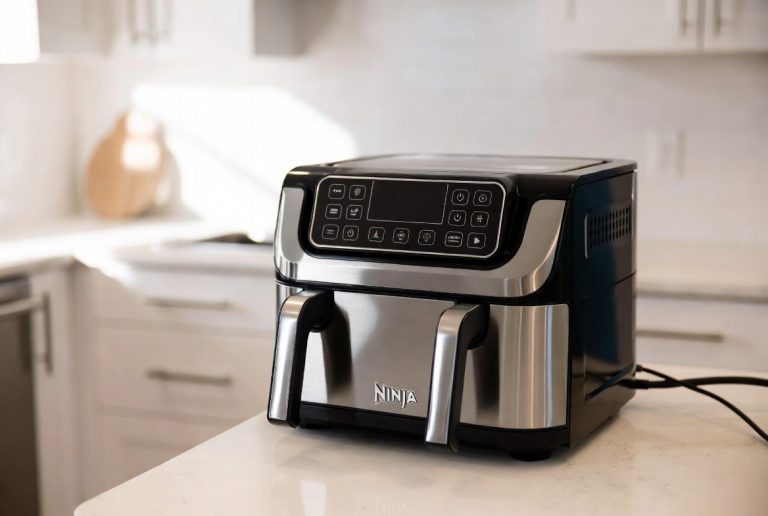
An air fryer, on the other hand, works by circulating extremely hot air around your food at high speeds. It’s essentially a compact convection oven that operates at much higher temperatures than your traditional kitchen oven. The rapid air circulation creates a crispy exterior on your food through a process called the Maillard reaction, which is the same thing that happens when you pan-fry something in oil. But here’s the catch: there’s no actual oil involved, or at least significantly less than traditional frying.
How Each Appliance Works: The Mechanics Behind the Magic
Understanding how these appliances function will help you decide which one fits your cooking style better.
The Infrared Cooker’s Heating Mechanism
Inside an infrared cooker, you’ll find heating elements that generate infrared radiation. This radiation travels outward and hits your food directly. Because the heat is being delivered straight to your ingredients rather than heating the air first, infrared cookers tend to work faster. The food itself becomes the primary target of the heat energy, which means you’re not wasting energy heating up your cooking environment.
There’s no preheating required with most infrared cookers, and they reach their optimal temperature almost instantly. This is particularly useful when you’re in a hurry or when you want to minimize energy consumption. The cooking surface is typically a ceramic or glass plate that sits between the heating element and your food.
The Air Fryer’s Convection System
Air fryers work through a different principle altogether. At the top of the unit sits a heating element that warms air to temperatures that can reach 400 degrees Fahrenheit or higher. A powerful fan then circulates this superheated air around your food at tremendous speed. This rapid air movement does two important things: it cooks your food quickly and it removes moisture from the surface, creating that desirable crispy texture.
Most air fryers do require a brief preheating period, usually just a few minutes. During this time, the heating element and fan work together to get the air temperature to the desired level before you place your food inside.
Cooking Speed: Who Wins the Race?
Let’s talk about something that matters to most of us: how fast can these appliances get dinner on the table?
Infrared Cooker Speed Advantages
Infrared cookers generally have a slight edge when it comes to speed. Because they don’t need to heat the air around your food, they can start cooking immediately. You can place your food on the cooking surface and begin the cooking process right away. For many dishes, you’ll see noticeably faster cooking times compared to traditional ovens.
A chicken breast that might take 20 minutes in a conventional oven could be done in 12-15 minutes in an infrared cooker. The direct heat penetration means your food cooks from the outside in more efficiently.
Air Fryer Speed Comparisons
Air fryers are also impressively quick, though they do require that initial preheating period. However, once they’re hot, they cook remarkably fast. The circulating hot air means your food cooks more evenly than in some other methods, and the results are typically very consistent.
Once you factor in preheating time, the difference between infrared cookers and air fryers becomes much smaller than you might think. For cooking jobs that happen back-to-back, the preheating becomes less of a factor since your air fryer is already hot from the previous cooking session.
Food Quality and Taste: What’s Actually on Your Plate?
Speed doesn’t matter if the food tastes disappointing. How do these appliances stack up when it comes to the actual results?
Texture and Crispiness from Infrared Cookers
Infrared cookers excel at creating beautifully browned, caramelized exteriors on your food. The direct heat radiation is excellent for searing meats and creating that appetizing golden color. However, some users find that infrared cookers can sometimes cook the outside of thicker foods faster than the inside, leading to potential unevenness if you’re not careful with your cooking times.
The browning that occurs in infrared cookers is typically more even across the cooking surface compared to traditional stovetop cooking, which makes sense given the uniform heat distribution.
Crispiness and Consistency in Air Fryers
Air fryers have earned their reputation for producing incredibly crispy food. The circulating hot air removes moisture effectively and promotes even browning. Many people find that air-fried foods rival or even exceed the texture of traditionally deep-fried foods, but with a fraction of the oil.
The convection system means heat reaches all sides of your food simultaneously, leading to remarkably consistent results batch after batch. You’re less likely to encounter undercooked spots or uneven browning with an air fryer than you might with some infrared cookers.
Versatility: What Can You Actually Cook?
A great kitchen appliance should be able to handle multiple types of dishes and cooking methods.
What Infrared Cookers Can Handle
Infrared cookers are particularly good at:
- Grilling and searing meats like steaks, chicken, and fish
- Cooking vegetables and causing them to caramelize beautifully
- Reheating foods without drying them out excessively
- Cooking foods that benefit from direct, intense heat
- Preparing foods that require a specific seared texture
However, infrared cookers aren’t as versatile as some might hope. They’re less ideal for baking, cooking delicate items, or preparing foods that need slower, gentler heat. You won’t be making a birthday cake in your infrared cooker anytime soon.
Air Fryer Versatility Advantages
Air fryers offer broader versatility in many ways. You can cook:
- Fried foods and snacks without excessive oil
- Roasted vegetables and potatoes
- Baked goods and desserts in smaller quantities
- Frozen foods directly without thawing
- Reheated leftovers that stay moist and tasty
- Fish, poultry, and meat in various preparations
The air fryer’s ability to handle both high-temperature cooking and more moderate heat makes it adaptable to a wider range of cooking tasks. You can adjust the temperature and time to accommodate different foods, making it a more flexible choice for varied home cooking needs.
Energy Efficiency: Which One Saves You Money?
Your electricity bill matters, and energy efficiency is a legitimate consideration when choosing between these appliances.
Infrared Cooker Efficiency
Infrared cookers are generally more energy-efficient than air fryers. Because the heat is directed straight at your food rather than heating surrounding air, less energy is wasted. There’s no preheating required, which means you save energy immediately.
If you’re cooking a single portion or small meal, an infrared cooker won’t spend energy heating a large cooking chamber. The focused heat delivery means your electricity consumption is directly proportional to your cooking needs.
Air Fryer Energy Usage
Air fryers consume more energy because they heat a contained chamber of air to very high temperatures. The preheating phase also uses energy before you’ve even started cooking. However, for cooking speed and consistency, many people find the energy trade-off acceptable.
The overall energy consumption is still typically less than a traditional full-size oven, which is why air fryers remain popular despite being less efficient than infrared cookers.
Space and Storage Considerations
Not everyone has unlimited counter space, and appliance footprint matters in real kitchens.
Infrared Cooker Dimensions
Infrared cookers tend to be relatively compact and slim. Many models are designed like a flat plate with a control unit, taking up minimal counter or storage space. If you have a small kitchen or limited storage, an infrared cooker could be the practical choice.
The compact design also means they’re easier to store away if needed, or they can fit on a shelf or under a counter more readily than bulkier appliances.
Air Fryer Space Requirements
Air fryers are typically taller and bulkier, requiring more dedicated counter space or storage room. They’re not as easy to tuck away, and their basket system needs clearance for proper air circulation. If you’re working with limited kitchen real estate, an air fryer might prove more challenging.
That said, the trade-off for many people is the ability to cook multiple items simultaneously in an air fryer, which an infrared cooker might not offer to the same degree.
Price Point: What’s Your Budget?
Financial considerations often play a deciding role in kitchen appliance purchases.
Infrared Cooker Pricing
Infrared cookers vary widely in price depending on size and features, but many quality models fall into the budget-friendly to mid-range category. You can find decent infrared cookers for anywhere from $40 to $200. Premium models with advanced features might cost more, but they’re generally less expensive than comparable air fryers.
Air Fryer Costs
Air fryers tend to be pricier, with quality models typically ranging from $80 to $300 or more. The popular brands and larger capacity models sit at the higher end of this range. You’re paying for the popularity, brand recognition, and proven track record of air fryers in home kitchens.
Safety Features and Ease of Use
A good appliance should be safe and intuitive to operate.
Using an Infrared Cooker Safely
Infrared cookers have a simple operation with minimal controls. This makes them beginner-friendly in terms of ease of use. Safety-wise, the cooking surface gets extremely hot, which is something to be aware of. Always use proper utensils and keep hands away from the heating area.
Most infrared cookers have automatic shut-off features and are designed with safety in mind, but the direct heat exposure requires respect and attention while cooking.
Air Fryer Safety and Usability
Air fryers are typically very user-friendly with straightforward controls and clear temperature and time settings. The enclosed cooking chamber means you’re less likely to accidentally touch a hot surface. Most modern air fryers have safety features like automatic shut-off and cool-touch exterior handles.
The main safety consideration is not blocking the air vents and allowing proper ventilation, but this is easy to manage with basic awareness.
Maintenance and Cleaning: The Practical Reality
How easy is it to keep these appliances clean and functioning properly?
Infrared Cooker Maintenance
Infrared cookers are straightforward to clean since most have a removable cooking plate. You simply wipe it down after it cools. There are fewer components to worry about, and regular maintenance is minimal. The simplicity of the design translates to less that can go wrong or need professional servicing.
Air Fryer Care Requirements
Air fryer baskets typically come out for washing, and most are dishwasher safe. The interior chamber can be wiped clean easily. However, there are more components involved, and some models have more intricate designs that require careful cleaning. The non-stick coating on baskets eventually wears down with repeated use and washing.
Overall, air fryers are still quite easy to maintain, but they require slightly more attention than the simpler infrared cookers.
Health Considerations: Are They Actually Healthier?
Many people choose these appliances because they believe they offer health advantages over traditional frying.
Infrared Cooker Health Benefits
Infrared cookers require minimal to no oil, making them excellent for reducing fat intake. The cooking method doesn’t produce the same byproducts as deep frying. Some people report that foods cooked in infrared cookers retain more nutrients because of the quick cooking time.
Air Fryer Health Advantages
Air fryers similarly reduce oil usage significantly compared to traditional frying. You’re eliminating excess calories and fat while still achieving that satisfying crispy texture. However, the high temperatures used in air fryers can produce compounds like acrylamide in certain foods, though the levels are generally considered safe for typical consumption.
Both appliances are considerably healthier options compared to deep frying in large quantities of oil.
Real-World Scenarios: Which Should You Choose?
Let’s look at some practical situations to help you decide.
Choose an Infrared Cooker If You:
- Have limited counter and storage space
- Cook primarily grilled or seared foods
- Want the absolute fastest cooking appliance
- Prioritize energy efficiency
- Have a tight budget
- Prefer simple, straightforward cooking without complex settings
Choose an Air Fryer If You:
- Want versatility for multiple cooking styles
- Love crispy textures and want to replicate fried foods
- Cook for a family and need larger capacity
- Want precise temperature and time controls
- Appreciate established brand options and reliability
- Enjoy cooking a variety of dishes from frozen items to baked goods
The Verdict: Making Your Final Decision
So, which appliance is actually better for home use? The honest answer is that neither is universally better—it depends entirely on your cooking habits, kitchen space, and priorities.
If you’re someone who primarily wants to sear steaks, cook chicken breasts quickly, and roast vegetables with minimal fuss and maximum efficiency, an infrared cooker makes perfect sense. You’ll enjoy
![5 Best Air Fryer for Camping [In 2026]](https://homeunderstandable.com/wp-content/uploads/2026/03/5-Best-Air-Fryer-for-Camping-768x516.jpg)
![What Is The Best Chicken Breast Marinade for Air Fryer [In 2026]](https://homeunderstandable.com/wp-content/uploads/2026/03/Best-Chicken-Breast-Marinade-for-Air-Fryer-768x516.jpg)
![5 Best Air Fryer for Diabetics [In 2026]](https://homeunderstandable.com/wp-content/uploads/2026/03/5-Best-Air-Fryer-for-Diabetics-768x516.jpg)