
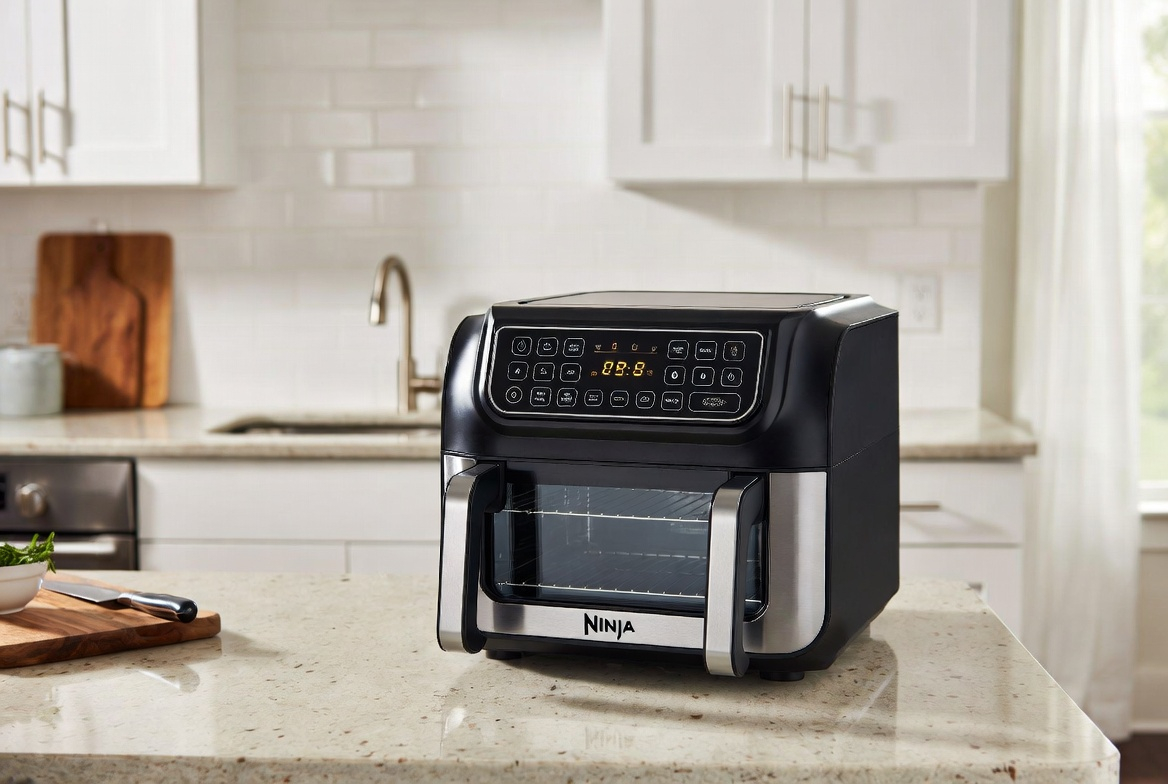
Kale Chips Dehydrator vs Air Fryer: Which Works Best for Your Kitchen?
Let me be honest with you—when I first started making kale chips at home, I was absolutely clueless about which appliance would give me the best results. Should I invest in a dedicated dehydrator? Or would my air fryer do the job just fine? These questions kept me up at night, probably longer than they should have. After months of experimenting, I’ve learned that the answer isn’t as straightforward as you might think.
The truth is, both machines can create delicious, crispy kale chips, but they achieve this goal in completely different ways. Understanding these differences will help you make the right choice for your lifestyle, kitchen space, and snacking preferences. Let’s dive deep into this comparison and settle the debate once and for all.
Understanding the Basics: How These Machines Work
Before we compare these two kitchen warriors, you need to understand what each one actually does. Think of it like comparing two different paths to the same destination—both get you there, but the journey is completely different.
How a Dehydrator Functions
A dehydrator is essentially a machine that removes moisture from food using low, consistent heat over an extended period. When you load your kale chips into a dehydrator, the machine circulates warm air throughout its multiple trays, slowly evaporating the water content from the leaves. This process typically takes several hours, sometimes up to six or eight hours depending on how thick your kale pieces are and what temperature you’re using.
The beauty of a dehydrator is its gentle approach. It’s like giving your kale a slow spa treatment rather than a quick shock. This gentleness preserves more nutrients and enzymes that might otherwise be damaged by high heat.
How an Air Fryer Operates
An air fryer works entirely differently. It uses rapid air circulation technology combined with high temperatures to cook food quickly. When you place kale chips in an air fryer, hot air moves at incredibly high speeds around the chips, creating a crispy exterior in just minutes. We’re talking about cooking times of five to fifteen minutes compared to the hours a dehydrator requires.
Air fryers essentially mimic the results of deep frying without all that oil. The intense heat and rapid air movement create the crispiness we all crave, but at much higher temperatures than a dehydrator ever reaches.
Comparing Cooking Time: Speed vs. Patience
This is probably the most obvious difference between these two appliances, but it’s also one of the most important considerations for busy people like us.
The Speed Factor of Air Fryers
If you’re in a hurry and want kale chips ready in minutes, an air fryer is your best friend. I can honestly say that I’ve made perfectly crispy kale chips in my air fryer in just eight minutes flat. That includes the preheat time. If you’re planning a last-minute snack or want something quick to munch on while watching Netflix, the air fryer wins this round without question.
The fast cooking process also means you can make multiple batches in relatively quick succession. You’re not waiting hours between snacking opportunities.
The Marathon of Dehydrators
Dehydrators require patience—real patience. You’re looking at anywhere from four to eight hours of cooking time, depending on various factors like humidity levels in your kitchen, the thickness of your kale pieces, and your dehydrator’s wattage. This means you’ll need to plan ahead if you want kale chips for a specific meal or event.
However, here’s the thing: you can fill a dehydrator with multiple trays and essentially forget about it. There’s something nice about loading it up in the morning and having snacks ready by evening. It’s set-it-and-forget-it convenience, even if it takes longer.
Texture and Crispiness: What Will Your Kale Actually Feel Like?
Now we’re getting to the real meat of the comparison—the actual eating experience. Because what good is a healthy snack if it doesn’t taste and feel right?
Air Fryer Crispiness Profile
Air fryers create an almost aggressively crispy texture. The high temperatures and rapid air movement essentially shatter the water molecules in the kale, leaving you with chips that crunch loudly when you bite into them. It’s that satisfying snap that makes your brain release those happy chemicals.
The crispiness achieved by an air fryer tends to be uniform throughout the chip. You won’t find soft spots or chewy bits if you do it right. This consistency is something many people absolutely love about the air fryer method.
Dehydrator Crispiness Profile
Dehydrators create a different kind of crispiness. It’s lighter, more delicate, and often described as having a paper-thin texture. The chips feel more fragile when you pick them up, and they dissolve almost instantly on your tongue rather than requiring vigorous chewing.
Because the heat is lower and applied more gently, the kale chips from a dehydrator often retain more of their original structure. You can actually see and taste the individual leaf texture more clearly. Some people find this more elegant; others prefer the robustness of air fryer chips.
Nutritional Value: Does Cooking Method Matter?
Here’s where things get interesting, especially if you’re making kale chips specifically for health reasons.
Nutrient Preservation in Dehydrators
Because dehydrators use lower temperatures—typically between 95 and 135 degrees Fahrenheit—more heat-sensitive nutrients survive the cooking process. Enzymes, certain vitamins, and phytonutrients are more likely to remain intact in your finished kale chips.
If you’re making these chips specifically to boost your intake of raw enzymes or preserve maximum nutritional value, a dehydrator is genuinely the better choice. The gentle heat doesn’t destroy as many beneficial compounds as the intense heat of an air fryer.
Nutrient Impact of Air Fryer Cooking
Air fryers use temperatures in the range of 350 to 400 degrees Fahrenheit, which is significantly hotter than dehydrators. This higher heat does cause some nutrient degradation, particularly with heat-sensitive vitamins. However—and this is important—kale chips are still incredibly healthy whether made in a dehydrator or air fryer.
Think of it this way: kale chips made in an air fryer lose some nutrients but retain far more than you’d get from a bag of potato chips at the grocery store. You’re still making a nutritious choice either way. The difference is more noticeable if you’re comparing optimal nutrient retention.
Cost Considerations: Your Budget Matters
Let’s talk money because it’s a real factor in your decision-making process.
Air Fryer Pricing
Air fryers have become incredibly affordable. You can find decent quality models for anywhere between $50 and $150, with some premium options reaching higher prices. Many people already own an air fryer for cooking other foods, which means the cost of using it for kale chips is essentially zero—just electricity.
If you don’t already have an air fryer but are considering buying one, remember that it’s a versatile machine. You’ll use it for much more than kale chips, making it a solid investment for your overall kitchen needs.
Dehydrator Costs
Dehydrators tend to be more specialized and therefore pricier. Basic models start around $40 to $60, but mid-range quality dehydrators can cost $100 to $300. Premium models with better temperature control and larger capacities can exceed $400.
Since dehydrators are single-purpose machines (unless you count making beef jerky as a secondary use), you’re buying them primarily for projects like kale chips. This makes the per-use cost higher if you don’t use it frequently.
Capacity and Batch Sizes: How Much Can You Make?
Air Fryer Batch Limitations
Air fryer baskets have limited space. Most models can handle roughly two to three handfuls of kale chips per batch, which sounds reasonable until you realize how much the kale shrinks as it cooks. You might need three or four batches to accumulate a decent amount of snacking material.
However, you can run multiple batches in quick succession since each one only takes about eight minutes. So while you’re limited per-batch, you’re not severely limited in total output.
Dehydrator Capacity Advantages
This is where dehydrators truly shine. Most models come with four to six trays, sometimes more. You can load all those trays with kale and create a massive batch in one go. If you like meal-prepping snacks for the whole week, a dehydrator’s capacity is genuinely impressive.
The trade-off? You’re waiting hours for all those chips. But the sheer volume you can produce makes it worthwhile if you’re a serious kale chip enthusiast or want to make snacks for your entire family.
Ease of Use: Which Is Actually Simpler?
Air Fryer Simplicity
Air fryers are wonderfully straightforward. You prep your kale, toss it in the basket, set the temperature to around 350 degrees Fahrenheit, set the timer for eight to ten minutes, and walk away. Most modern air fryers have digital controls that are intuitive and easy to understand. Even if you’ve never used one, you’ll figure it out in seconds.
The only real skill you need is learning how to pat your kale dry and season it evenly. Beyond that, it’s almost impossible to mess up.
Dehydrator Operation
Dehydrators are equally simple in terms of operation, but they require a bit more attention to detail. You need to arrange kale pieces on trays so they don’t overlap, set the temperature (often between 105 and 115 degrees for best results), and then monitor things periodically.
The trickiest part with dehydrators is knowing when your chips are done. Since you’re dealing with hours of cooking time, you need to check on them toward the end to prevent over-drying. This requires some judgment and experience.
Space Requirements in Your Kitchen
Air Fryer Footprint
Air fryers are relatively compact. Most models fit comfortably on a countertop and don’t take up excessive space. If you’re working with a small kitchen, an air fryer is a reasonable addition that won’t dominate your workspace.
Many people keep their air fryers on the counter permanently because they use them regularly for various foods. The footprint is manageable for most kitchens.
Dehydrator Space Needs
Dehydrators are taller and bulkier, especially models with multiple trays. They’re not as streamlined as air fryers and can be awkward to store if you don’t have dedicated counter space. Some people relegate their dehydrators to a pantry or closet because they’re not as aesthetically pleasing as other kitchen appliances.
If you have a small kitchen, a dehydrator might require some strategic planning about where to keep it.
Consistency and Reliability: Can You Count on Results?
Air Fryer Consistency
Air fryers are remarkably consistent machines. Because they operate at high temperatures and work quickly, results are almost always reliable if you follow the same process each time. Once you’ve made air fryer kale chips a few times, you’ll know exactly how to get perfect results every single time.
The high heat also means there’s less variability based on external factors like humidity or kitchen temperature.
Dehydrator Variables
Dehydrators can be slightly less consistent because they’re influenced by environmental factors. Your kitchen’s humidity level, whether your windows are open, and even the thickness of your individual kale pieces all affect the outcome. This means you might need to adjust cooking times between batches or seasons.
That said, once you understand your specific dehydrator and the variables in your kitchen, you can achieve excellent consistency. It just requires a bit more learning curve.
Flavor Development: Taste Matters
Air Fryer Flavor Profile
Air fryers can bring out more caramelized, toasted flavors in kale due to the higher temperatures. If you season your kale appropriately, you’ll get more browning and complex flavors. This appeals to people who like a bolder, more pronounced taste in their chips.
The rapid cooking also means seasonings are locked in quickly, creating a concentrated flavor burst.
Dehydrator Flavor Characteristics
Dehydrators preserve a fresher, more delicate taste. The kale flavor shines through more clearly because it hasn’t been subjected to intense heat. If you’re using high-quality organic kale, this gentler approach might showcase its natural flavors better.
Some people find dehydrator kale chips taste more “authentic” or true to kale’s natural flavor, while others think they taste less interesting.
Energy Consumption: Operating Costs
Air Fryer Energy Usage
Air fryers use more energy per minute of operation, but because they operate for just eight to ten minutes per batch, the total energy consumption per batch is quite low. If you’re making a few batches of kale chips, you’re using minimal electricity.
The operating cost is negligible if you’re running just a few batches per week.
Dehydrator Power Consumption
Dehydrators use less energy per minute, but they run for six to eight hours, which means total energy consumption per batch is actually higher than an air fryer. If you’re using your dehydrator frequently, you might notice a slight increase in your electricity bill.
However, if you’re making large batches that would require multiple air fryer batches, the dehydrator might actually be more efficient overall.
Cleaning and Maintenance: The Unglamorous Reality
Air Fryer Cleanup
Air fryer baskets can get a bit sticky with kale residue, but they’re generally easy to clean. You can usually just hand wash the basket with warm soapy water or pop it in the dishwasher if it’s dishwasher-safe. The interior might get some kale bits stuck in corners, but a quick wipe solves this.
Cleaning time is usually five minutes or less. It’s genuinely convenient.
Dehydrator Maintenance
Dehydrators require more thorough cleaning because kale particles can get stuck in multiple trays and crevices. You’ll need to carefully clean each tray individually, and the mesh screens can trap small particles that need patient removal.
Cleaning a dehydrator might take twenty to thirty minutes, depending on how meticulous you are. It’s doable but more time-consuming than an air fryer.
Perfect Situations for Each Appliance
When to Choose an Air Fryer
Choose an air fryer if you want quick results, have a small kitchen, already own one for other purposes, prefer bold flavors and aggressive crispiness, or want the most affordable option. Air fryers are perfect for spontaneous snacking and people with limited counter space.
When to Choose a Dehydrator
Choose a dehydrator if you want to preserve maximum nutrients


![What Is The Best Air Purifier for Heavy Smokers [In 2026]](https://homeunderstandable.com/wp-content/uploads/2025/05/best-air-purifier-for-heavy-smokers-top-picks-for-clean-air-768x512.jpg)