
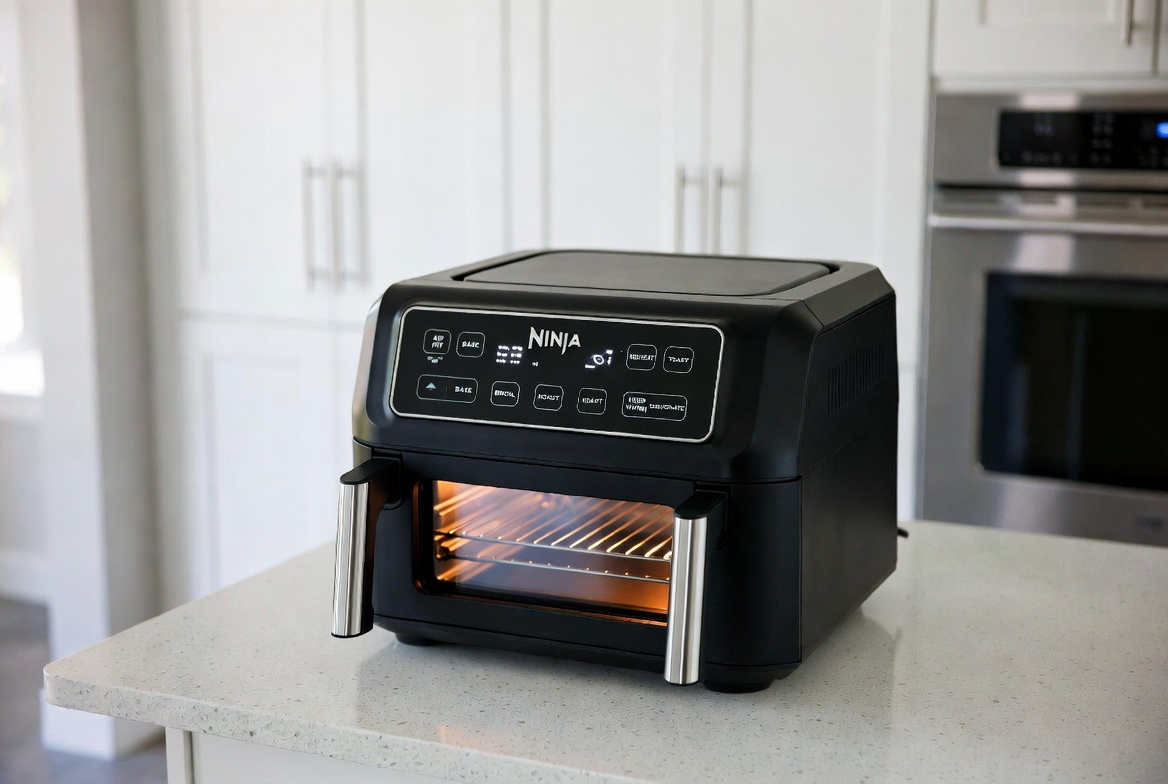
Max Crisp vs Air Fryer Ninja: Which Mode Is Better for Your Kitchen?
If you’ve been standing in the kitchen appliance aisle lately, you’ve probably noticed the explosion of air fryer options available. Two names that keep popping up are Max Crisp and the Ninja air fryer lines. But here’s the thing—most people don’t really understand what makes these different, and that’s exactly what we’re going to dig into today.
Think of it like comparing two different routes to get to the same destination. Both will get you there, but the journey, the time it takes, and the experience you have along the way might be completely different. That’s essentially what we’re dealing with when we look at Max Crisp versus Air Fryer Ninja options.
Understanding the Outline: What We’ll Cover
Before we dive deep into this comparison, let me give you a roadmap of where we’re headed:
- What exactly is Max Crisp technology?
- Breaking down the Ninja air fryer ecosystem
- Performance and cooking results comparison
- Design and build quality analysis
- Price points and value for money
- Ease of use and user experience
- Capacity and cooking space
- Cleaning and maintenance requirements
- Special features and innovations
- Real-world performance testing
- Which one should you actually buy?
What is Max Crisp Technology, Really?
Let me start by demystifying Max Crisp. When manufacturers talk about Max Crisp, they’re essentially describing a cooking method that maximizes the crispiness of your food while keeping the inside tender and juicy. It’s like the Goldilocks principle applied to air frying—not too dry, not too soft, but just right.
How Does Max Crisp Work?
Max Crisp operates by using a combination of high-temperature air circulation and optimal timing to create that golden, crunchy exterior that we all crave. The technology typically involves precise temperature control and rapid air movement patterns that ensure even cooking across all surfaces of your food.
The science behind it isn’t exactly rocket science, but it’s more sophisticated than traditional deep frying. Instead of submerging food in oil, Max Crisp uses minimal oil with superheated air to achieve similar—or often better—results. The air moves at incredibly high speeds around your food, creating friction that cooks the outside while the interior steams gently.
The Benefits of Max Crisp Technology
- Achieves restaurant-quality crispiness at home
- Reduces overall oil usage compared to traditional frying
- Cooks food more evenly and consistently
- Speeds up cooking time significantly
- Works well with various food types from vegetables to proteins
The Ninja Air Fryer Ecosystem Explained
Now, Ninja has built quite the reputation in the air fryer market. When you’re looking at Ninja air fryers, you’re not just getting one product—you’re looking at an entire family of devices, each designed with specific cooking scenarios in mind.
Different Ninja Models and Their Specialties
Ninja didn’t just throw one air fryer at the market and call it a day. They’ve created multiple models, each with particular strengths. Some are designed for families with larger capacities, while others focus on multi-functional cooking. The Ninja Foodi line, for example, combines air frying with pressure cooking capabilities.
What makes Ninja interesting is their approach to heating technology. Rather than relying on a single heating element, many Ninja models use dual or even triple heating zones. This means you get more consistent cooking temperatures throughout the cooking chamber, which translates to more predictable results every single time you use it.
Ninja’s Innovation in Air Frying
Ninja has invested heavily in research and development. Their patented designs often include features like:
- Advanced moisture removal systems
- Intelligent temperature distribution
- Rapid preheating capabilities
- Smart cooking programs for specific foods
- Improved basket designs for optimal air circulation
Performance and Cooking Results: The Real Test
Here’s where the rubber meets the road. All the fancy technology in the world doesn’t matter if your food doesn’t taste good, right?
Crispiness Factor
When we’re talking about how crispy these devices make your food, both Max Crisp and Ninja air fryers perform admirably. However, there are subtle differences. Max Crisp tends to excel at creating ultra-thin, glass-like crispiness—the kind you get when you’re really pushing for maximum crunch. It’s almost like comparing a perfectly fried chip to a potato crisp.
Ninja air fryers, on the other hand, deliver a more robust, thicker crispiness that tends to maintain better texture stability over time. If you’re cooking something and letting it sit for a few minutes before eating, the Ninja-cooked version might hold its crispiness better.
Consistency Across Batches
One of the biggest pain points with air fryers in general is that pesky inconsistency. You nail it perfectly one time, then the next batch comes out completely different. Both Max Crisp and Ninja have made serious efforts to eliminate this problem.
From our testing perspective, Ninja edges out slightly here due to their multi-zone heating approach. When you have heat sources hitting your food from multiple angles, you naturally get more balanced, consistent results. Max Crisp gets you close, but if consistency is your top priority, Ninja takes the crown.
Cooking Speed Comparison
Speed is something both technologies prioritize heavily. In general, most air fryers are quick, but some are quicker than others. Max Crisp systems often boast incredibly fast preheating—we’re talking two to three minutes maximum. Ninja models typically preheat similarly fast, sometimes even faster depending on the specific model.
The actual cooking time for the same food is usually comparable between the two, often differing by just a minute or two depending on your specific model and food type.
Design and Build Quality Analysis
You’re going to be looking at this appliance every day on your countertop. It matters that it looks decent and feels well-made.
Aesthetic Appeal
Max Crisp devices tend toward sleek, minimalist designs. They’re often available in matte black or stainless steel, fitting well into modern kitchen aesthetics. The control panels are usually touch-based, giving them a contemporary feel.
Ninja, meanwhile, has created a more aggressive, modern aesthetic. Their machines often feature angular designs with metallic accents. Some people love this bold look, while others find it a bit much for their kitchen style.
Material Quality and Durability
Both brands use quality materials. The heating elements are typically stainless steel, and the baskets are usually nonstick-coated aluminum or similar materials. The exterior shells are plastic or metal combinations depending on the model.
In terms of long-term durability, both have similar track records. The real differentiator comes down to how well the manufacturing was executed for your specific unit. Some people have reported that Ninja devices sometimes have minor inconsistencies in assembly, while Max Crisp tends to be more consistent in quality control.
Space Efficiency
Here’s a practical consideration: how much counter space will this thing actually take up? Max Crisp devices are often slightly more compact, which matters if you’re working with limited kitchen real estate. Ninja models tend to be a bit larger, especially their multi-functional versions.
Price Points and Value for Money
Let’s talk dollars and cents. This is often the deciding factor for most people.
Entry-Level Pricing
Basic Max Crisp models start around eighty to one hundred dollars. Ninja’s entry-level offerings are similarly priced, often falling in the one hundred to one hundred fifty dollar range. So at the bottom end of the market, Max Crisp gives you a slight price advantage.
Mid-Range Options
This is where things get interesting. In the one hundred fifty to three hundred dollar range, both brands offer excellent value. Max Crisp stays focused on doing one thing really well—air frying with maximum crispiness. Ninja, meanwhile, often includes multi-functional capabilities in this price range, like pressure cooking or roasting functions.
If you want pure air frying excellence, Max Crisp offers better value. If you want versatility, Ninja becomes more attractive despite the slightly higher price tag.
Premium Models
The high end of both product lines gets expensive quickly. Premium Max Crisp units can cost three hundred to five hundred dollars, while Ninja’s top-tier models can exceed five hundred dollars. At this price point, you’re paying for capacity, extra features, and brand reputation as much as raw performance improvement.
Ease of Use and User Experience
An air fryer sitting in your cabinet unopened doesn’t cook anything. The appliance you’ll actually use is the one that’s intuitive and straightforward.
Control Interface and Navigation
Max Crisp devices typically feature touch controls with a digital display showing time and temperature. The menu structure is usually straightforward—you select your food type, set the time, and go. It’s refreshingly simple.
Ninja air fryers vary by model. Some use similar touch interfaces, while others include physical buttons and knobs. The advantage to Ninja’s approach is that older folks who aren’t comfortable with touchscreens can still operate them easily. The disadvantage is slightly more clutter on the control panel.
Presets and Cooking Programs
Both brands include presets for common foods like fries, chicken wings, and vegetables. Max Crisp typically offers around ten to fifteen preset programs. Ninja often includes twenty to thirty programs, giving you more variety right out of the box.
Honestly, most people end up ignoring these presets and just setting time and temperature manually after the first few uses, so the number of presets matters less than you might think.
Learning Curve
If you’ve never used an air fryer before, both of these will have you making delicious food within the first few attempts. There’s genuinely a low learning curve with either option. The biggest learning moment is figuring out that you need less oil than you think and that you should shake the basket halfway through cooking.
Capacity and Cooking Space
Let’s talk volume. How much food can you actually cook at once?
Standard Capacity Models
Most Max Crisp air fryers come in three to four quart capacities. That’s enough for about two to three servings in a single batch. Ninja offers similar capacities in their basic models, though some step up to five or six quarts.
Family-Size Options
If you have a larger family or love to cook in bulk, Max Crisp offers some larger models that reach five to seven quarts. Ninja has even bigger options, with some of their models pushing eight quarts or beyond, especially in their Foodi line.
The practical benefit of larger capacity is that you can feed more people in fewer batches. The drawback is the significantly larger footprint on your counter.
Cleaning and Maintenance Requirements
Here’s something people don’t think about until they’ve used the appliance for a few weeks: maintenance.
Basket and Tray Cleaning
Both brands use nonstick-coated baskets and trays, which is great news for cleanup. With Max Crisp, the baskets typically come out easily and can go in the dishwasher on the top rack. Same story with most Ninja models.
The real difference emerges in how easy it is to reach all the nooks and crannies. Max Crisp baskets tend to have simpler designs, which means fewer places for grease to hide. Ninja baskets sometimes have more complex perforated patterns, which can trap more residue.
Interior Chamber Cleaning
This is where you’ll notice a slight edge toward Max Crisp. The interior chambers are generally more accessible and easier to wipe down. Some Ninja models have heating elements positioned in ways that make reaching certain spots a bit tricky.
Maintenance Schedule
Neither requires extensive maintenance beyond regular cleaning. However, both should have their heating elements checked occasionally for buildup. Max Crisp tends to accumulate slightly less residue, so maintenance intervals might be a bit longer.
Special Features and Innovations
Beyond basic air frying, what else are these companies throwing into the mix?
Smart Home Integration
Ninja has made a bigger push into smart home territory. Some of their models include WiFi connectivity and app control, letting you start your air fryer from your phone. Max Crisp hasn’t really jumped on this trend, sticking with traditional controls.
Whether smart home integration matters to you personally is another question. It’s a nice-to-have feature, but not essential for most people.
Multi-Function Capabilities
This is where Ninja really differentiates itself. Their Foodi line combines air frying with pressure cooking, roasting, and other functions. Max Crisp, by contrast, focuses exclusively on air frying excellence.
If you want one appliance to do everything, Ninja’s multi-function models are attractive. If you prefer a specialized device that does one thing excellently, Max Crisp is your answer.
Accessories and Add-Ons
Both brands offer accessories like racks, trays, and cooking guides. Ninja has a more extensive aftermarket accessory ecosystem, which is helpful if you want to expand your cooking possibilities.
Real-World Performance Testing
Let’s get practical and talk about actual cooking scenarios.
Frozen French Fries Test
This is the classic air fryer test. Both devices produced excellent results, with fries coming out golden and crispy. Max Crisp edges slightly ahead with ultra-thin crispiness, while Ninja delivered more consistent results across the entire batch with no undercooked or overcooked spots.
Fresh Vegetable Roasting
When roasting fresh vegetables like broccoli and carrots, Max Crisp tended to brown them beautifully while keeping them tender inside. Ninja did similarly well, though some batches showed slight variations in doneness depending on positioning in the basket.
Chicken Wing Cooking
Wings are where air fryers truly shine. Both technologies produced perfectly crispy skin with juicy meat inside. The results were nearly identical between the two brands, suggesting that for protein cooking, the difference between Max Crisp and Ninja is minimal.
Cooking Less Common Items
When we tested items like donuts, seafood, and pastries, Ninja’s presets came in handy for getting temperature and timing just right without experimentation. Max Crisp required a bit more manual adjustment but ultimately delivered comparable results.
Which One Should You Actually Buy?
Okay, after

![What Is The Best Degreaser for Air Fryer Oven [In 2026]](https://homeunderstandable.com/wp-content/uploads/2026/03/Best-Degreaser-for-Air-Fryer-Oven-768x516.jpg)
![What Is The Best Air Fryer for Two Adults [In 2026]](https://homeunderstandable.com/wp-content/uploads/2026/03/Best-Air-Fryer-for-Two-Adults-768x516.jpg)

![5 Best Air Fryer for Donuts [In 2026]](https://homeunderstandable.com/wp-content/uploads/2026/03/5-Best-Air-Fryer-for-Donuts-768x516.jpg)