
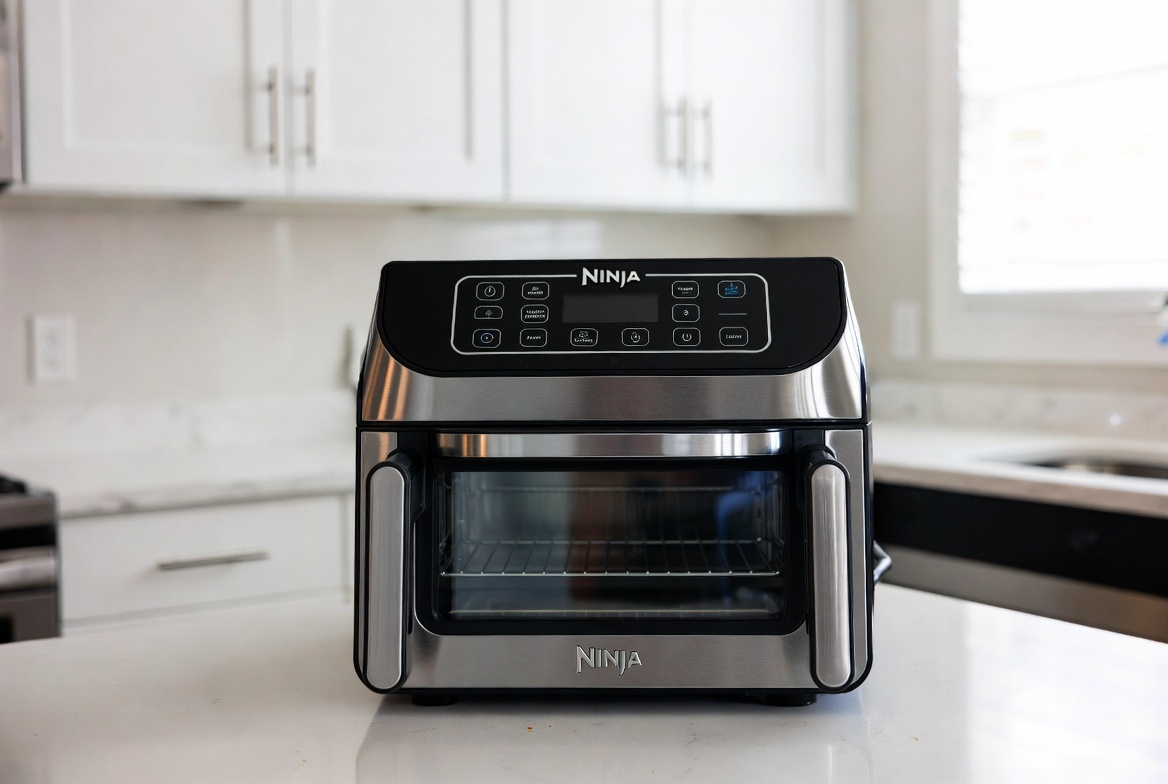
KitchenAid Air Fryer vs Cuisinart: Which One Is Better?
When you’re standing in the kitchen appliance aisle, staring at two impressive air fryers side by side, it’s tough to know which one deserves a spot on your countertop. Both KitchenAid and Cuisinart have built solid reputations in the kitchen, but are they really the same when it comes to air frying? Let me walk you through everything you need to know to make the right choice for your cooking style.
Understanding the Air Fryer Revolution
Before we dive into the nitty-gritty comparison, let’s talk about why air fryers have become such a big deal. Think of an air fryer as your shortcut to crispy, delicious food without the guilt that comes with deep frying. It uses rapid air circulation to cook your food in about a quarter of the time a traditional oven takes. If you’ve been considering adding one to your kitchen but can’t decide between these two powerhouses, you’re in the right place.
What Makes an Air Fryer Worth Your Money?
When you’re investing in an air fryer, you’re not just buying an appliance—you’re buying convenience, speed, and the promise of healthier meals. The best air fryers should deliver consistent results, heat up quickly, and make your cooking experience enjoyable rather than stressful. They should also fit your lifestyle, whether you’re cooking for two or feeding a family of six.
KitchenAid Air Fryer: The Premium Option
Design and Build Quality
KitchenAid has always positioned itself as a premium brand, and their air fryer is no exception. The moment you unbox a KitchenAid air fryer, you notice the attention to detail. The stainless steel finish feels substantial, and it’s clear that someone put thought into every curve and button. It’s not just functional—it’s beautiful enough to leave on your counter without it looking like clutter.
The construction feels solid, with a design language that matches other KitchenAid appliances if you’ve invested in their ecosystem. The touchscreen controls are intuitive, and the display is bright enough to read from across the kitchen. It’s the kind of appliance that makes you feel good about your purchase from day one.
Capacity and Cooking Space
KitchenAid air fryers typically come in several sizes, with their larger models offering up to 9.5 quarts of cooking space. This matters more than you might think. Have you ever cooked something in an air fryer only to realize you had to work in batches? That’s frustrating. KitchenAid’s generous capacity means you can cook entire meals without splitting the work.
The basket design is thoughtful too. It includes a divider accessory that lets you cook two different foods at different temperatures simultaneously. Imagine cooking salmon on one side and vegetables on the other—all at the same time, all perfectly cooked. That’s the kind of practical feature that saves you precious minutes during busy weeknights.
Performance and Cooking Results
Where KitchenAid really shines is consistency. The air circulation is excellent, creating that golden, crispy exterior you’re chasing while keeping the inside tender. Chicken thighs come out juicy, french fries reach maximum crispiness, and even delicate foods like fish cook evenly. The temperature control is precise, ranging from 80°F to 400°F, giving you flexibility for everything from dehydrating to high-heat searing.
The preheating time is impressively quick—about three minutes until it’s ready to go. That’s significantly faster than your regular oven, which can take ten minutes or more. When you’re hungry and want dinner fast, every minute counts.
Special Features That Set It Apart
- Digital touchscreen with preset cooking programs for common foods
- Shake reminder notifications so you don’t forget to flip your food
- Smart recipe integration that syncs with your smartphone
- Keep warm function that maintains food temperature without overcooking
- Removable crumb tray for easy cleanup
Cuisinart Air Fryer: The Practical Choice
Design and Build Quality
Cuisinart takes a more understated approach to air fryer design. Their models are compact and practical, built with durability in mind rather than luxury aesthetics. The plastic and metal combination feels sturdy without being flashy. If you’re someone who cares more about function than form, you’ll appreciate Cuisinart’s no-nonsense philosophy.
The controls are typically button-based rather than touchscreen, which some people actually prefer. There’s something reassuring about physical buttons—they don’t wear out as easily, and there’s no learning curve. You’ll have your Cuisinart running within seconds of unboxing.
Capacity and Cooking Space
Cuisinart’s air fryer models generally offer capacities ranging from 6.3 to 8 quarts, which is respectable but slightly smaller than KitchenAid’s premium options. For couples or families of four, this is plenty. You’ll rarely need to cook in batches unless you’re preparing food for a dinner party.
The basket design is straightforward and easy to use. There are no fancy accessories included, but honestly, most people don’t use them anyway. What you get is a simple, effective cooking surface that gets the job done.
Performance and Cooking Results
Don’t let Cuisinart’s practical aesthetic fool you—their air fryers cook exceptionally well. The heating elements are positioned to ensure even cooking across the basket, and the fan circulation is powerful enough to create that desired crispiness. Your chicken wings come out golden and delicious, and your vegetables develop a nice char that tastes like they were roasted.
The temperature range is similar to KitchenAid, going from 75°F to 400°F. Preheating typically takes about three to four minutes. The consistency is reliable, and once you dial in your favorite settings for regular foods, you’ll get repeatable results every single time.
Special Features That Stand Out
- Analog temperature dial for intuitive adjustments
- Compact footprint that fits smaller kitchens easily
- Dishwasher-safe basket and trays for hassle-free cleanup
- Multiple preset cooking modes for common foods
- Budget-friendly pricing without sacrificing quality
Head-to-Head Performance Comparison
Heating Speed and Efficiency
Both KitchenAid and Cuisinart heat up in roughly the same timeframe, around three to four minutes. They’re equally energy-efficient, using less electricity than a traditional oven because they heat a smaller cooking chamber. If you’re concerned about energy bills, both will save you money compared to conventional cooking methods.
Consistency and Temperature Control
KitchenAid edges out slightly here with its digital precision. The touchscreen allows for exact temperature settings in single-degree increments, while Cuisinart’s dial gives you good control but less precision. For most home cooks, this difference is negligible. Both will cook your food reliably, batch after batch.
Noise Levels During Operation
Here’s something people don’t always consider: how loud does your air fryer run? KitchenAid models operate at around 75 decibels—about as loud as a vacuum cleaner. Cuisinart is similar, running around 75-78 decibels. Neither will be silent, but both are acceptable for most kitchens. If you’re sensitive to noise, this might matter enough to visit a store and listen to both before deciding.
Cleaning and Maintenance
Cuisinart has a slight advantage here. Their baskets and trays are dishwasher-safe, meaning you can throw them in with your regular dishes. KitchenAid recommends hand-washing to preserve the non-stick coating, though the basket might be dishwasher-safe depending on the model. Both are still easier to clean than deep fryers, but Cuisinart is genuinely more convenient for busy people.
Price Comparison and Value for Money
Let’s talk about the elephant in the room: price. KitchenAid air fryers typically range from $200 to $400, depending on the model and capacity. Cuisinart usually comes in between $100 and $250. That’s a significant difference.
The question isn’t whether KitchenAid is better—it’s whether it’s worth the premium. If you use your air fryer multiple times per week and appreciate smart features and premium aesthetics, the extra investment makes sense. If you’re looking for a reliable workhorse that simply cooks great food, Cuisinart delivers excellent value at a lower price point.
Real-World Cooking Tests
Cooking Frozen French Fries
Both air fryers excel at this basic test. Your fries came out golden and crispy in both machines, with minimal oil added. Timing was nearly identical at around 15 minutes for frozen fries. The main difference? KitchenAid’s reminder feature nudged you halfway through, while with Cuisinart you had to remember yourself.
Roasting Chicken Thighs
This is where quality air fryers prove themselves. KitchenAid and Cuisinart both produced tender, juicy chicken with crispy skin. The cooking time was virtually identical, and the flavor was comparable. Temperature distribution was even in both machines, with no cold spots or undercooked areas.
Vegetable Crisping
When it comes to bringing out natural flavors in vegetables, both delivered. Broccoli, zucchini, and sweet potatoes all came out perfectly caramelized with a satisfying texture. Neither machine is superior for vegetable cooking—it comes down to personal preference regarding size and preset functions.
Who Should Buy KitchenAid?
Choose KitchenAid if you want the premium experience and have the budget to match. You should lean toward KitchenAid if you cook with an air fryer several times per week, you appreciate smart home integration, you value advanced features, you want the best aesthetic design, or you’re cooking for larger families and benefit from the extra capacity.
KitchenAid also makes sense if you already own other KitchenAid appliances and want matching design language in your kitchen. There’s something satisfying about a coordinated appliance collection.
Who Should Buy Cuisinart?
Choose Cuisinart if you want a dependable air fryer without the premium price tag. Cuisinart wins for you if you’re new to air frying and want to test the waters without major investment, you prefer simpler controls and fewer digital features, you have limited counter or storage space, you want easy cleanup with dishwasher-safe components, or you’re on a tighter budget.
Cuisinart is also the smarter choice if you cook with your air fryer a few times per week rather than daily. You’ll still get consistent, delicious results without paying for features you won’t use.
Important Factors to Consider Before Buying
Your Kitchen Space
Air fryers aren’t tiny—they take up real estate on your counter. Measure your available space before ordering. Cuisinart’s compact designs might be better if you’re working with limited space, while KitchenAid’s larger capacity requires more room but might be worth it for your cooking habits.
Your Cooking Frequency
How often will you actually use this? If it’s daily, investing in KitchenAid’s premium build quality makes sense because it’ll receive heavier use. If it’s occasional, Cuisinart’s more affordable option is the logical choice.
Your Household Size
Cooking for two is different from cooking for six. Larger households benefit from bigger capacity, where KitchenAid’s 9.5-quart option shines. Smaller households will find Cuisinart’s capacity perfectly adequate.
Your Tech Comfort Level
Do you love smart features and touchscreen interfaces, or do you prefer straightforward, physical controls? KitchenAid appeals to tech enthusiasts, while Cuisinart is perfect for people who just want simple, effective cooking.
Warranty and Customer Support
KitchenAid typically offers a three-year warranty, reflecting confidence in their premium product. Cuisinart generally provides a two-year warranty. Both companies offer reliable customer support, though KitchenAid’s broader dealer network might make service easier depending on where you live.
Check the warranty details on specific models before purchasing, as coverage can vary. Read customer reviews about warranty claims to see which company handles issues more smoothly.
Environmental Considerations
Both air fryers are more environmentally friendly than traditional deep fryers because they use less oil and electricity. However, KitchenAid’s stainless steel construction might be more durable long-term, meaning fewer replacements over the years. Cuisinart’s plastic components are still quality, but stainless steel generally ages better.
Consider the manufacturing footprint too. Both companies have sustainability initiatives, but researching their specific practices might align with your environmental values.
Long-Term Durability Expectations
KitchenAid’s premium materials suggest excellent longevity—most users report their units running strong after five to seven years of regular use. Cuisinart also delivers respectable durability, with users typically getting four to six years of reliable performance.
The difference isn’t dramatic, but if you’re planning on keeping your air fryer for a decade, KitchenAid’s build quality gives you better odds of success. That said, many people upgrade their kitchen appliances more frequently than they actually need to, so Cuisinart’s expected lifespan is likely plenty.
Conclusion
So, which one is better—KitchenAid or Cuisinart? The honest answer is: it depends on your priorities and budget. KitchenAid delivers a premium experience with smart features, larger capacity, beautiful design, and excellent durability. You’re paying for quality, aesthetics, and advanced functionality. If you have the budget and use your air fryer regularly, you’ll appreciate every aspect of that investment.
Cuisinart, meanwhile, offers exceptional value. You get a dependable, well-built air fryer that cooks consistently delicious food at a fraction of the price. It won’t have all the bells and whistles, but it handles the core job flawlessly. For most home cooks, this is genuinely all you need.
Think about how you’ll actually use this appliance. If it’s going to be your daily cooking partner, KitchenAid’s premium quality and features justify the investment. If it’s a useful tool you’ll turn to several times a week, Cuisinart delivers excellent results without the premium price. Either way, you’re choosing between two solid manufacturers with proven track records. You really can’t go wrong with either choice—it’s just about finding the one that fits your life best.
Frequently Asked Questions
Can I use an air fryer every single day without damaging it?
Absolutely. Both KitchenAid and Cuisinart air fryers are designed for regular use. Daily cooking won’t damage the machine—in fact, that’s exactly what they’re built for. The heating elements are rated for thousands of hours of operation. Just follow the maintenance recommendations in your manual, like period


![What Is The Best Brand of French Fries for Air Fryer [In 2026]](https://homeunderstandable.com/wp-content/uploads/2026/03/Best-Brand-of-French-Fries-for-Air-Fryer-768x516.jpg)


