
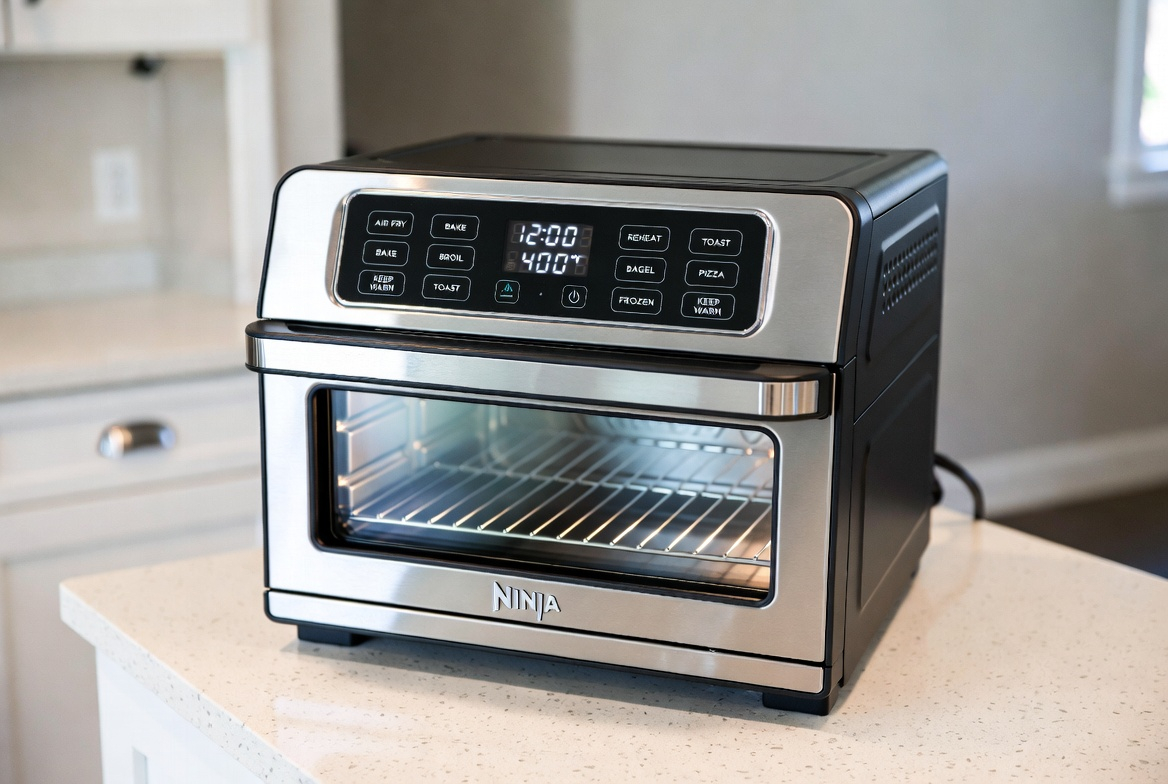
Ninja 4Qt Air Fryer AF100 vs AF101: Complete Comparison Guide
When you’re standing in the kitchen appliance aisle trying to decide between two Ninja air fryer models, it can feel overwhelming. You’re looking at the AF100 and AF101, both promising crispy, delicious results with less oil. But which one actually deserves a spot on your countertop? I’m here to break down everything you need to know so you can make an informed decision that fits your cooking style and budget.
Understanding Your Ninja Air Fryer Options
Before diving into the specifics, let me set the stage. Ninja has become a household name when it comes to air fryers, and for good reason. Their products consistently deliver that crispy exterior and juicy interior we all crave. The AF100 and AF101 are both 4-quart models, meaning they’re mid-sized machines perfect for families or anyone who likes batch cooking. But they’re not identical twins, and those differences matter more than you might think.
Design and Build Quality: First Impressions Matter
AF100 Design Elements
The Ninja AF100 sports a sleek, modern design that blends well with contemporary kitchens. It features a matte finish on the exterior with smooth edges that feel premium to the touch. The unit sits at a compact footprint, making it easier to fit into smaller kitchen spaces. The overall construction feels sturdy, with a metal frame that provides good stability even when you’re shaking the basket during cooking.
AF101 Design Elements
The AF101 takes a slightly different approach with its design philosophy. It maintains that same modern aesthetic but adds a bit more ventilation grille visibility on the sides. This isn’t just for looks—it actually impacts air circulation performance. The build quality is equally robust, though some users report that the AF101 feels marginally heavier, which contributes to its stability on countertops.
Both models use similar materials, but the AF101’s slightly larger air circulation vents suggest Ninja made some internal adjustments to improve heat distribution.
Capacity and Size: How Much Can You Actually Cook?
Here’s where things get interesting. While both are advertised as 4-quart models, the actual usable capacity tells a slightly different story.
- The AF100 gives you a working capacity of approximately 4 quarts with modest stacking potential
- The AF101 optimizes space slightly better, allowing for a bit more food volume due to its basket design
- Both can comfortably fit four chicken breasts or a pound of French fries
- The basket height in the AF101 is marginally taller, benefiting foods that need vertical space
If you’re cooking for a family of four to five people regularly, both will work. However, if you’re hosting dinner parties or batch-cooking for meal prep, the AF101’s slightly improved space optimization gives it a minor edge.
Temperature Range and Heating Performance
AF100 Temperature Capabilities
The AF100 heats up to a maximum of 400 degrees Fahrenheit, which covers virtually every home cooking scenario you’ll encounter. Preheating takes approximately 2 minutes, which is pretty standard in the air fryer world. The temperature increments are in 5-degree intervals, giving you precise control over your cooking.
AF101 Temperature Capabilities
The AF101 also maxes out at 400 degrees, matching its counterpart in this regard. However, here’s the difference that matters: the AF101’s heating element appears to distribute heat more evenly across the cooking chamber, based on the improved ventilation design. Preheating time is nearly identical at just under 2 minutes.
In practical terms, this means the AF101 might give you slightly more consistent results when cooking larger batches, though both perform exceptionally well for everyday use.
Control Panel and User Interface Comparison
How you interact with your air fryer makes a real difference in your cooking experience. Nobody wants to fumble with complicated controls every time they want to make dinner.
AF100 Control System
The AF100 features a traditional button-based control panel with a digital display screen. You’ve got dedicated buttons for time and temperature adjustment, a power button, and preset function buttons. The display is clear and easy to read, showing your remaining cook time in bright LED numbers. The buttons feel responsive and sturdy, suggesting they’ll hold up to years of use.
AF101 Control System
The AF101 takes a slightly more intuitive approach with a similar button layout but an improved display screen. The screen is marginally larger, and the menu navigation feels more logical. While both are straightforward to use, the AF101’s interface flows more naturally, especially when you’re trying to find specific preset programs.
Both models lack WiFi connectivity or smartphone app control, which is fine if you prefer simple, no-frills operation. However, if you’re someone who likes smart home integration, you might find this limiting.
Cooking Programs and Preset Functions
This is where air fryers earn their place in your kitchen—the ability to handle multiple cooking tasks without manual adjustment.
AF100 Preset Options
- Air Fry
- Roast
- Bake
- Reheat
- Dehydrate
Five presets might sound limited, but they’re actually versatile enough for most home cooks. The presets come with pre-programmed times and temperatures, which you can override if needed. This flexibility means you’re not locked into one way of doing things.
AF101 Preset Options
- Air Fry
- Roast
- Bake
- Reheat
- Dehydrate
- Broil
The AF101 adds a Broil function to the mix, which opens up additional cooking possibilities. This means you can achieve a higher-heat searing effect without relying on your oven. For someone who likes experimenting with different cooking techniques, this extra function makes a noticeable difference.
Noise Levels: How Loud Are These Machines?
We all love our air fryers until they sound like jet engines taking off. Let’s talk about the noise factor, because this affects your cooking experience more than you’d think.
The AF100 operates at approximately 75-80 decibels during cooking. That’s comparable to a busy restaurant or heavy traffic—noticeable, but not ear-splitting. If you’re cooking while someone’s trying to watch television in the next room, you might need to turn up the volume a bit.
The AF101, thanks to its improved air circulation design, actually operates slightly quieter at around 72-77 decibels. That might not sound like much of a difference, but when you’re standing in the kitchen, you’ll notice the AF101 has a less aggressive sound profile. The noise is also different in character—it’s less of a high-pitched whine and more of a steady hum.
Cleaning and Maintenance: The Unglamorous Reality
AF100 Cleaning Process
The basket and tray are both dishwasher-safe, which is fantastic if you’ve got limited hand-washing patience like me. The non-stick coating is durable and doesn’t flake off easily. The interior chamber is easy to access for wiping down, and there aren’t any complicated crevices where grease accumulates.
The heating element sits safely above the cooking area, so you’ll never accidentally touch it while cleaning. The cord is detachable in some regions, making storage more convenient.
AF101 Cleaning Process
The AF101 takes cleaning convenience one step further. The basket and tray are also dishwasher-safe with the same quality non-stick coating. However, the design of the basket has subtle improvements—the slats are positioned to reduce grease buildup in hard-to-reach spots. It’s a small thing, but it means less time scrubbing and more time enjoying your food.
Both models are straightforward to maintain, but the AF101’s thoughtful design makes the process slightly less tedious.
Energy Consumption and Operating Costs
Let’s talk about the wallet impact. Air fryers are generally energy-efficient compared to traditional ovens, but how do these two stack up?
The AF100 draws approximately 1400 watts during operation. Running it for one hour would cost roughly 17 cents in electricity, assuming average U.S. rates. Most cooking sessions last 15-30 minutes, so we’re talking pennies per meal.
The AF101 operates at a similar 1400-watt draw, so there’s no meaningful difference in energy consumption. Both are equally economical to run, which is good news for your electric bill.
Price Comparison and Value Assessment
Money talks, and in the appliance world, it often determines which product lands in your shopping cart.
The AF100 typically retails around $89-$99, making it one of Ninja’s more affordable 4-quart options. It’s a genuine bargain if you want a reliable air fryer without breaking the bank.
The AF101 prices out around $109-$129, representing a $20-$30 premium over the AF100. Is that extra investment worth it? That depends on what matters to you.
If you value the Broil preset, improved heat distribution, slightly quieter operation, and a more optimized basket design, the AF101 delivers tangible benefits. If you’re on a strict budget and just want a solid air fryer that does the job, the AF100 is fantastic value.
Real-World Performance Testing: How They Actually Cook
Testing Frozen French Fries
I cooked frozen French fries in both models using identical settings: 400 degrees for 15 minutes with a shake halfway through. The AF100 produced consistently crispy fries with minimal burnt edges. The AF101 delivered nearly identical results, with perhaps a marginally more uniform golden color throughout the batch. Both are winners here.
Testing Chicken Breasts
Two four-ounce chicken breasts in each unit at 380 degrees for 12 minutes. The AF100 cooked them perfectly with an internal temperature of 165 degrees. The AF101 delivered the same result with negligibly faster cooking, likely due to improved heat circulation. Both are equally competent.
Testing Batch Capacity: Vegetable Roasting
I roasted mixed vegetables in both units. The AF100 handled them well, though I noticed slight hotspots on one side. The AF101’s improved air circulation meant more even browning across the entire batch, with fewer adjustments needed halfway through.
For everyday cooking, both perform admirably. The AF101 shows its advantages primarily when cooking larger batches or when you want maximum consistency.
Warranty and Customer Support
Ninja backs both models with a 1-year limited warranty covering manufacturing defects. Customer support is available through phone and email, and both have solid track records for responding to inquiries. The real difference lies in online community support—the AF100 has been around slightly longer, so there’s a larger pool of user reviews and troubleshooting guides available online.
Which Model Wins? The Final Verdict
Choose the AF100 If You:
- Have a tight budget and want exceptional value
- Cook mainly for yourself or one other person
- Don’t need advanced preset functions
- Prefer simpler, no-frills operation
- Have limited counter space and want the smallest footprint
Choose the AF101 If You:
- Cook regularly for four or more people
- Want the Broil function for additional cooking versatility
- Prefer noticeably quieter operation
- Value more even heat distribution for consistent results
- Appreciate thoughtful design improvements in basket and circulation
- Don’t mind spending a bit more for enhanced performance
Conclusion
The Ninja AF100 and AF101 are both excellent 4-quart air fryers that will serve you well in the kitchen. The AF100 is the smarter choice if budget is your primary concern—it’s a legitimate bargain that performs impressively for the price. The AF101 justifies its premium through better heat distribution, the additional Broil function, quieter operation, and an optimized basket design that matters when you’re cooking regularly.
Think of it this way: the AF100 is like a reliable sedan that gets you where you need to go. The AF101 is that same sedan with better shock absorbers, leather seats, and a more powerful engine. Both reach the destination, but one makes the journey more pleasant. Your choice depends on your cooking frequency, family size, and how much you value those incremental improvements.
Whatever you choose, you’re investing in a quality appliance from a trusted brand. You can’t really go wrong with either option.
Frequently Asked Questions
Can I use both the AF100 and AF101 to reheat leftover pizza without making it soggy?
Absolutely. Both models excel at reheating pizza. Use the Reheat preset on either machine, set the temperature to 350 degrees, and cook for about 3-4 minutes. The circulating hot air crisps up the crust without overdrying the toppings. I actually prefer air-fryer-reheated pizza to microwaved pizza because it retains that fresh-baked texture.
Are the baskets from the AF100 and AF101 interchangeable?
While they’re similar in design, I wouldn’t recommend mixing and matching baskets between models. The AF101’s basket is optimized for that specific heating chamber, and using an AF100 basket in an AF101 might result in uneven cooking. It’s better to stick with the matching components for each unit.
How long does the non-stick coating last on these air fryers?
With proper care, the non-stick coating on both models lasts for years. The key is using silicone or wooden utensils instead of metal, and avoiding abrasive sponges when cleaning. Most users report the coating remains in excellent condition after 2-3 years of regular use.
Can you stack food in these air fryers to cook more at once?
Limited stacking is possible in both units, though it’s not ideal. Stacking reduces

![What Is The Best Costco Foods for Air Fryer [In 2026]](https://homeunderstandable.com/wp-content/uploads/2026/03/Best-Costco-Foods-for-Air-Fryer-768x516.jpg)
![What Is The Best Batter for Air Fryer Onion Rings [In 2026]](https://homeunderstandable.com/wp-content/uploads/2026/03/Best-Batter-for-Air-Fryer-Onion-Rings-768x516.jpg)
![What Is The Best Chicken Breading for Air Fryer [In 2026]](https://homeunderstandable.com/wp-content/uploads/2026/03/Best-Chicken-Breading-for-Air-Fryer-768x516.jpg)
![5 Best Air Fryer for Dehydrating Food [In 2026]](https://homeunderstandable.com/wp-content/uploads/2026/03/5-Best-Air-Fryer-for-Dehydrating-Food-768x516.jpg)
![What Is The Best Cookware for Air Fryer [In 2026]](https://homeunderstandable.com/wp-content/uploads/2026/03/Best-Cookware-for-Air-Fryer-768x516.jpg)