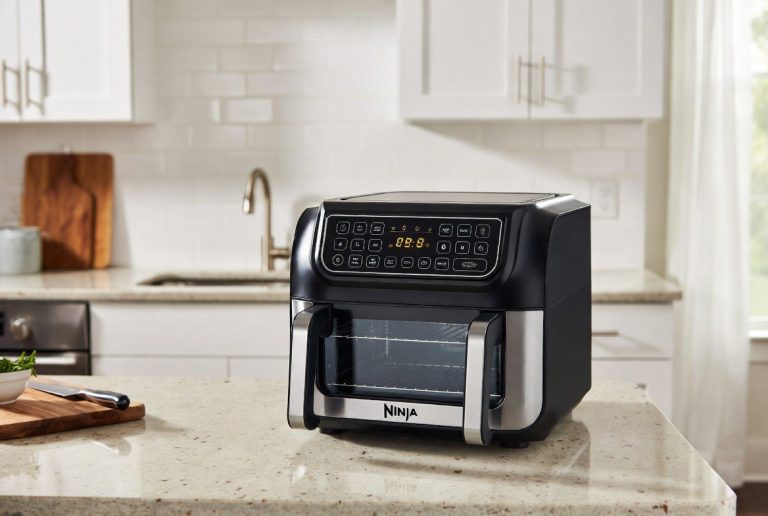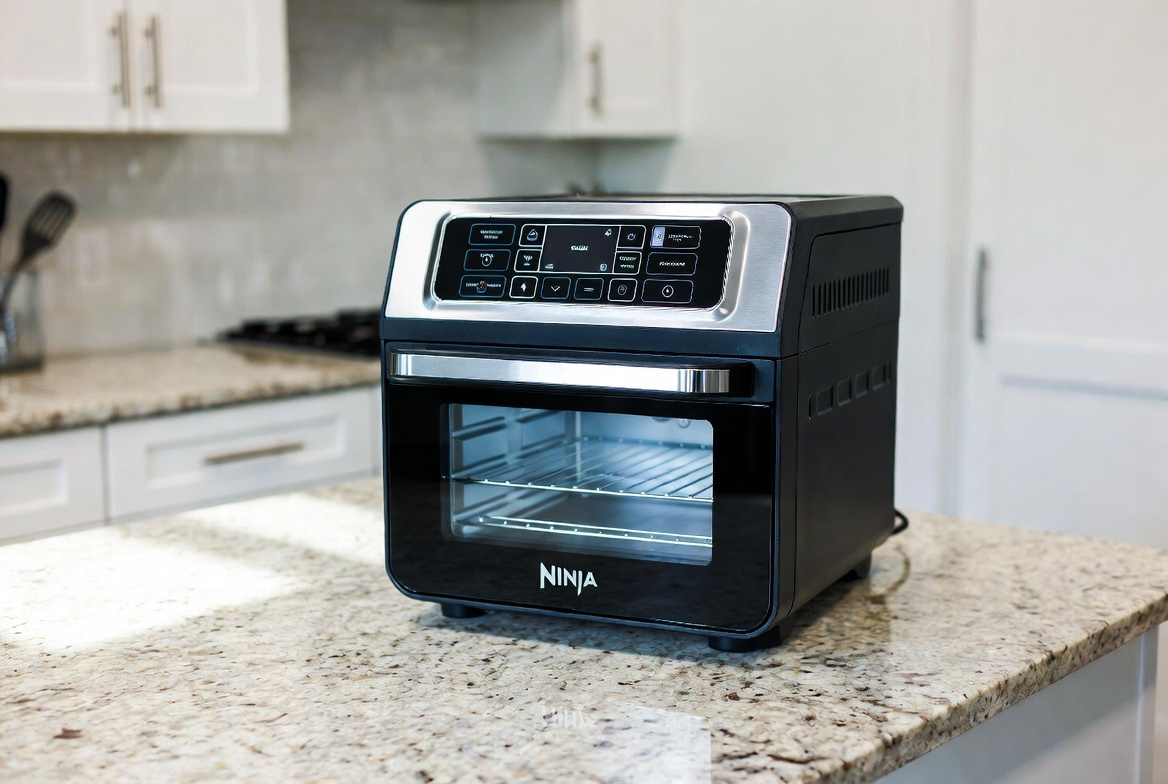
Ninja 8 Qt vs 10 Qt Air Fryer: Which Size Is Best for Your Kitchen?
So you’re standing in front of your kitchen, thinking about getting an air fryer, and now you’ve got a decision to make. The Ninja 8 qt versus the 10 qt model—sounds like a simple choice, right? Just pick the bigger one and call it a day. But here’s the thing: it’s not quite that straightforward. Both of these powerhouse appliances have their own strengths, and what works brilliantly for one family might feel like overkill for another. Let me walk you through everything you need to know to make the right choice for your specific situation.
Understanding Air Fryer Capacity and What It Really Means
Before we dive into the nitty-gritty of these two models, let’s talk about what capacity actually means in the air fryer world. When manufacturers say their device is “8 quart” or “10 quart,” they’re referring to the total volume of the cooking basket. Think of it like comparing a small sedan to a mid-size SUV—they’re both vehicles, but one holds more stuff.
The quart measurement matters more than you might think because it directly impacts how much food you can cook at once. An 8 qt basket can typically handle enough food for 4 to 6 people in a single batch, while a 10 qt model can stretch that to 6 to 8 people. If you’re cooking for a large family or frequently entertaining guests, this difference becomes pretty significant.
The Ninja 8 Qt Air Fryer: Specs and Performance
Key Features and Specifications
The Ninja 8 qt air fryer is designed for folks who want solid performance without needing a massive footprint on their countertop. This model comes equipped with powerful heating elements that reach temperatures up to 400 degrees Fahrenheit, giving you the crispiness you’re craving in your favorite foods.
One thing I really appreciate about the 8 qt Ninja is its compact design. It doesn’t take up excessive counter space, making it perfect for smaller kitchens or apartments where real estate is precious. You get plenty of cooking capacity without feeling like you’ve installed a second oven in your cooking area.
Cooking Performance
The heating distribution in the 8 qt model is excellent. Ninja has engineered these units to circulate hot air evenly throughout the basket, so you don’t end up with cold spots where food stays soggy or overcooked areas that char your meal. You’re looking at consistent, golden-brown results across the board.
Cooking times typically run between 15 to 25 minutes for most foods, though this varies based on what you’re making and how full the basket is. The advantage here is that smaller batches often cook slightly faster than in the 10 qt model, which can be helpful when you’re in a rush.
The Ninja 10 Qt Air Fryer: What You’re Getting
Specifications and Upgrades
Now let’s talk about the 10 qt beast. This model is the heavyweight champion of the Ninja air fryer lineup. It features the same maximum temperature capacity as the 8 qt, but with a substantially larger cooking area. We’re talking about a genuine upgrade in terms of sheer volume.
The 10 qt model is heavier and requires more counter space, but what you gain in exchange is the ability to prepare entire meals for larger gatherings without cooking in multiple batches. Imagine preparing enough chicken wings for a Super Bowl party, or cooking fries for the whole family without having to run several cycles.
Capacity Advantage
That extra 2 quarts might not sound like much numerically, but in practical terms, it represents roughly 25 percent more cooking space. This translates to real-world convenience. You’re not constantly thinking about batch cooking or wondering if everything will fit.
Size and Counter Space Considerations
Here’s where things get real. Both models are larger than your typical toaster oven, but the 10 qt takes up noticeably more room. The 8 qt measures approximately 16 inches in width and depth, while the 10 qt stretches to about 17 to 18 inches.
If your counter is already crowded with other appliances, the 8 qt might be your best friend. It fits more naturally into standard kitchen layouts without requiring you to relocate your coffee maker or microwave. However, if you’ve got ample counter space and can dedicate a permanent spot to your air fryer, the 10 qt’s extra room pays dividends regularly.
Storage Considerations
Don’t forget about storage when the air fryer isn’t in use. Some people put these appliances away, and if that’s your practice, the smaller 8 qt will be easier to tuck into a cabinet or closet. The 10 qt, being more substantial, requires more dedicated storage space.
Cooking Time Differences Between the Two Models
You might assume that a larger air fryer takes longer to cook food, but that’s not always the case. The 10 qt model has more heating power distributed across a larger area, so cooking times don’t differ dramatically from the 8 qt.
In most cases, you’re looking at similar cooking times for similar quantities of food. A full basket of fries takes roughly the same time in both models. However, when you load the 10 qt to capacity versus the 8 qt to capacity, you might see a slight increase in cooking time for the larger model, but we’re talking minutes, not substantially longer.
This is actually where the 10 qt shines. You’re cooking significantly more food in roughly the same amount of time. If you’re meal prepping for the week or cooking for a large gathering, this efficiency becomes a real time-saver.
Price Comparison and Value for Money
Let’s talk dollars and cents because this matters to most people’s purchasing decisions. The Ninja 8 qt typically retails for between $150 to $200, depending on sales and promotions. The 10 qt model generally falls in the $200 to $280 range.
So you’re looking at roughly a $50 to $100 premium for the 10 qt model. Is that extra investment worth it? That depends entirely on your household size and cooking habits. If you regularly cook for 6 or more people, that extra capacity justifies the cost quickly. If you’re cooking for 2 to 4 people most of the time, you might be paying for capacity you rarely use.
Long-Term Value Analysis
Consider how often you’ll actually fill either basket. If you’re constantly batch cooking in the 8 qt because you need more food than it holds, you’re spending extra time and electricity. Over a year or two, that compounds. The 10 qt might seem expensive upfront, but it could end up being more economical for larger households.
Energy Efficiency: Which One Wins?
Both Ninja models are reasonably energy-efficient compared to traditional ovens. Air fryers use less electricity than conventional cooking methods because they heat up faster and maintain target temperatures more precisely.
The 8 qt model is slightly more efficient when cooking small portions because it requires less energy to heat a smaller air space. However, the difference is marginal. When you factor in that the 10 qt allows you to cook for more people simultaneously, reducing overall cooking sessions, the energy advantage actually tips toward the 10 qt for larger households.
Think of it this way: cooking one large batch for eight people uses less total energy than cooking multiple smaller batches for the same eight people in the 8 qt model.
User Experience and Ease of Use
Controls and Interface
Both models feature intuitive digital controls with preset cooking programs for common foods like chicken, steak, vegetables, and frozen items. The buttons are responsive, and the display is easy to read. There’s really no meaningful difference in usability between the two.
Basket Handling
The 8 qt basket is lighter and easier to remove from the unit, which matters if you plan to hand-wash it frequently. The 10 qt basket is heavier, but both are still manageable for most adults. If you have mobility concerns, the 8 qt might be the more practical choice.
Both baskets slide out smoothly and have secure locking mechanisms that prevent accidents. You won’t feel like you’re wrestling with your appliance either way.
Best Use Cases for the 8 Qt Model
The 8 qt Ninja air fryer is ideal for several specific situations. First, if you’re a small household—say, one to three people—this size matches your cooking needs perfectly. You’ll rarely wish for more capacity.
Second, if your kitchen is limited on counter space, the 8 qt is your answer. It’s the sweet spot between capability and physical footprint. Third, if you’re new to air frying and want to test the waters without a massive investment, starting with the 8 qt makes sense. You can always upgrade later if you discover you need more space.
Finally, if you live in an apartment, dorm, or small home, the 8 qt is the practical choice. It’s powerful enough to handle your needs without dominating your living space.
Best Use Cases for the 10 Qt Model
The 10 qt model is perfect for large families with four or more members. If you regularly cook for six to eight people, this size pays for itself quickly through convenience alone.
If you’re serious about meal prepping, the 10 qt becomes invaluable. You can prepare enormous quantities of protein and vegetables in single batches. For folks who entertain frequently or have kids involved in sports with team dinners, this capacity is genuinely game-changing.
Additionally, if you have the counter space available and don’t mind keeping the air fryer out permanently, the 10 qt gives you that premium experience of rarely needing multiple batches.
Heating and Temperature Distribution
Both models employ Ninja’s patented heating technology that circulates air at incredibly high speeds around the basket. This creates the Maillard reaction that gives air-fried foods that crispy exterior and tender interior.
The 10 qt model has slightly more powerful heating elements to handle the larger volume, but both reach maximum temperature quickly—within about 3 minutes. Neither leaves you waiting around for your air fryer to preheat like you might with a traditional oven.
Temperature consistency is excellent in both models. You won’t experience hot spots or cold zones that affect your food quality. This is where Ninja really distinguishes itself from budget air fryer brands.
Cleaning and Maintenance Differences
Basket and Tray Cleaning
Both baskets have non-stick coatings that prevent food from sticking during cooking, making cleanup straightforward. The 8 qt basket is slightly easier to maneuver in a sink due to its smaller size, but both are dishwasher-safe, which is convenient.
The 10 qt basket might require a larger sink or bathtub if you prefer hand-washing, which could be a consideration in smaller kitchens. However, throwing either in the dishwasher eliminates this concern entirely.
General Maintenance
Maintenance is virtually identical between models. You’ll occasionally wipe down the heating element area and ensure the vents remain clear. This takes maybe five minutes monthly for either unit. No special tools or complicated procedures are required.
Warranty and Customer Support
Ninja stands behind both the 8 qt and 10 qt models with a standard one-year warranty covering defects. Both models qualify for their customer service program, which is responsive and helpful.
I’ve heard consistently positive things about Ninja’s support team from users of both sizes. If something goes wrong, you’re covered equally well regardless of which model you purchase.
Real-World Performance Verdict
In actual use, both air fryers deliver excellent results. You’re not choosing between a good option and a bad one—you’re choosing between two solid performers that differ primarily in size and capacity.
The 8 qt excels at being efficient, affordable, and sufficient for most households. It’s a no-nonsense appliance that does exactly what it promises without excess.
The 10 qt brings that same quality but supercharges it with additional capacity, making it the better choice if your cooking demands justify the extra investment.
Here’s what I’d recommend: grab a piece of paper and honestly assess your typical cooking situations over the past month. How many times did you cook for six or more people? How many times did you wish you had larger batch capacity? Let your actual usage patterns guide your decision rather than abstract specifications.
Conclusion
The choice between the Ninja 8 qt and 10 qt air fryer ultimately hinges on your household size, cooking frequency, and available kitchen space. Neither choice is wrong—they’re simply different solutions to different cooking needs.
If you’re a smaller household, budget-conscious, or short on counter space, the 8 qt is an excellent investment that will serve you reliably for years. You get exceptional cooking performance in a more compact package at a lower price point.
If you regularly cook for larger groups, take meal prep seriously, or have ample kitchen space, the 10 qt represents better long-term value. The extra capacity eliminates batch cooking frustrations and handles everything you throw at it with efficiency.
Both models represent quality engineering from Ninja. You’re getting tested technology, reliable performance, and a company that stands behind its products. The real question isn’t which one is better overall—it’s which one fits your life better. Choose based on your actual cooking needs, not marketing hype or what your neighbor has, and you’ll be thrilled with your decision.
Frequently Asked Questions
Can I cook a whole chicken in either the 8 qt or 10 qt Ninja air fryer?
Yes, you can cook a whole chicken in both models, though the 10 qt gives you more breathing room. A standard 4 to 5-pound chicken fits comfortably in the 8 qt basket with some space around it. The 10 qt allows for larger birds or multiple chickens simultaneously. Either way, you’ll get perfectly cooked, crispy-skinned results in about 30 to 35 minutes, depending on the chicken’s size.
How do the cooking times compare when both baskets are completely full?
When both baskets are loaded to capacity, cooking times are remarkably similar. The 10 qt’s additional heating power compensates for the larger volume, so you might see only a 5 to 10-minute difference, if any. This is one of the biggest advantages of the larger model—you’re not sacrificing speed for capacity.
![5 Best Air Fryer for Cooking Bacon [In 2026]](https://homeunderstandable.com/wp-content/uploads/2026/03/5-Best-Air-Fryer-for-Cooking-Bacon-768x516.jpg)
![What Is The Best Air Purifiers for Smoke [In 2026]](https://homeunderstandable.com/wp-content/uploads/2025/06/best-air-purifiers-for-smoke-top-picks-for-clean-indoor-air-768x512.jpg)
![What Is The Best Easy Recipes for Air Fryer [In 2026]](https://homeunderstandable.com/wp-content/uploads/2026/03/Best-Easy-Recipes-for-Air-Fryer-768x516.jpg)