
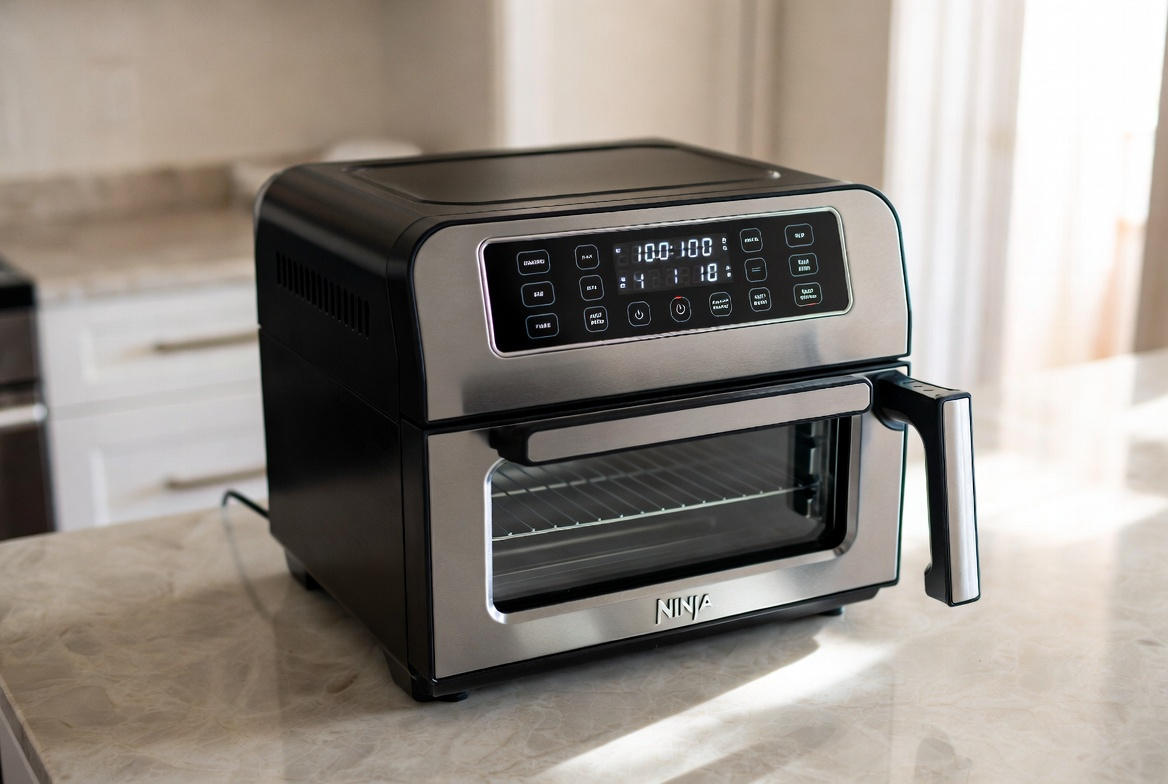
Ninja Air Fryer 10 Qt vs 8 Qt: Which Size Should You Get?
If you’re standing in the kitchen appliance aisle, staring at two Ninja air fryers and wondering which one to take home, you’re not alone. The choice between a 10-quart and an 8-quart model can feel surprisingly complicated, especially when both seem equally appealing. But here’s the thing—choosing the right size for your lifestyle can make a massive difference in how much you actually enjoy cooking with this gadget. Let me walk you through everything you need to know to make the smartest decision for your kitchen.
Understanding Air Fryer Capacity: Why Size Actually Matters
Think of your air fryer capacity like choosing a car. Sure, a sedan gets you where you need to go, but if you’re hauling around a large family every weekend, you’ll wish you had an SUV. The same logic applies to air fryers. The quart measurement refers to the cooking chamber’s volume—basically, how much food you can fit inside at one time.
The difference between 8 and 10 quarts might not sound dramatic in theory, but in practice, those two extra quarts represent meaningful extra cooking space. We’re talking about the ability to cook for more people simultaneously or prepare larger batches for meal prep. For some households, this small difference is life-changing. For others, it’s completely unnecessary.
The 8-Quart Ninja Air Fryer: Perfect for Most Households
What Makes the 8-Quart Model Popular
The 8-quart Ninja air fryer has become the sweet spot for average families. Why? Because it strikes an excellent balance between capacity and practicality. An 8-quart model typically handles cooking for four to six people comfortably, which covers most family sizes in today’s homes.
I’ve watched countless households benefit from the 8-quart size because it’s genuinely the Goldilocks option—not too big, not too small, just right. You can roast an entire chicken, cook a full batch of french fries, or prepare multiple servings of vegetables all at the same time without any overcrowding concerns.
Size and Counter Space Considerations
Let’s be honest—not everyone has a sprawling kitchen. The 8-quart model takes up approximately 15-17 inches in width and about 10-12 inches in depth. It’s substantial enough to be a real appliance, but it won’t completely monopolize your counter space. If your kitchen is on the smaller side or you prefer keeping your countertop relatively uncluttered, the 8-quart version fits much more gracefully into your setup.
Energy Efficiency and Operating Costs
Smaller appliances generally consume less electricity. The 8-quart model uses less power than its larger sibling, which means lower utility bills over time. If you’re cooking for a smaller household, you’re also not wasting energy heating up extra space you don’t need to use. This efficiency adds up, especially for people who use their air fryer several times per week.
Perfect for Cooking Scenarios
- Preparing dinner for a family of four to five people
- Creating side dishes and appetizers for dinner parties
- Quick weeknight meals with minimal cleanup
- Reheating leftovers without using the oven
- Making snacks for kids’ lunch boxes
The 10-Quart Ninja Air Fryer: Maximum Cooking Power
Who Really Needs the Extra Space
The 10-quart model is the heavy hitter. If you’ve got a large family, love entertaining guests frequently, or enjoy batch cooking for the entire week, this size delivers serious advantages. Those extra two quarts translate to approximately 25 percent more cooking capacity, which is more significant than it initially sounds.
Picture this: you’re preparing Thanksgiving dinner and need to cook multiple components simultaneously. Or you’re a parent of six kids with varying schedules and food preferences. Maybe you meal prep for the entire week and want to minimize the number of cooking batches. In these scenarios, the 10-quart version becomes your best friend.
Counter Space and Kitchen Design
The 10-quart model is genuinely larger. You’re looking at approximately 17-19 inches in width and 12-14 inches in depth. It’s a substantial piece of equipment that demands dedication on your countertop. If you have a generous kitchen with plenty of space, this isn’t a problem. But in smaller kitchens, it can feel dominating and leave you wondering if the extra capacity is worth the real estate.
Versatility for Different Cooking Needs
The larger capacity opens up more cooking possibilities. You can comfortably prepare:
- Two whole chickens at the same time
- Enormous batches of french fries for parties
- Multiple trays of vegetables and proteins simultaneously
- Large family meals in a single cooking session
- Meal prep portions for an entire week
- Restaurant-style quantities of food at home
Energy Usage and Operating Costs
Yes, the 10-quart model uses more electricity because it’s heating a larger chamber. However, here’s the interesting part—you’re not using 25 percent more energy just because you have 25 percent more capacity. The efficiency difference is smaller than you might expect. If you’re cooking larger batches that would otherwise require multiple cooking cycles, the 10-quart model might actually save energy overall by consolidating cooking time.
Direct Comparison: 8 Qt vs 10 Qt Specifications
Cooking Performance
Both models feature Ninja’s impressive air circulation technology and rapid heating capabilities. The core cooking performance is virtually identical—they both reach temperature quickly and distribute heat evenly throughout the chamber. The main difference isn’t in how well they cook, but rather how much they can cook at once.
Cooking times remain similar between both sizes for the same foods. You won’t wait significantly longer for food to cook in the 10-quart model compared to the 8-quart. The difference lies purely in volume capacity.
Noise Levels
Both air fryer sizes operate at comparable noise levels—around 65-70 decibels during operation. Neither model will disturb your family or your neighbors. The noise difference between the two is negligible.
Temperature Range and Settings
Both the 8 and 10-quart models offer the same temperature flexibility, typically ranging from 105 to 450 degrees Fahrenheit. They both include preset cooking functions for various foods like chicken, fries, fish, and vegetables. You’re getting the same technological sophistication regardless of which size you choose.
Price Comparison
The 10-quart model costs more upfront—typically $50-100 more than the 8-quart version. Over the lifetime of the appliance, this represents a small premium. The question is whether that extra cost justifies the benefit for your specific situation.
Practical Cooking Scenarios: Real-World Situations
Family Size and Frequency of Use
Your household size is the biggest consideration. An 8-quart model suits households of four to five people perfectly. You can prepare complete meals without cooking in batches. For families of six or more, or for households that regularly entertain guests, the 10-quart model prevents the frustration of multiple cooking cycles.
Think about your typical meal patterns. Do you cook once for everyone to eat together? Or does everyone eat at different times? If it’s the latter, you might handle the 8-quart size fine even with more people.
Meal Prep and Batch Cooking
Sunday meal prep is huge right now, and here’s where size genuinely matters. If you spend Sunday afternoon preparing meals for the entire week, the 10-quart model lets you complete the job faster with fewer cooking cycles. Imagine preparing chicken breasts, vegetables, and potatoes all in one session instead of running three separate batches. That’s real time savings.
Entertaining and Dinner Parties
If you frequently host dinner parties or family gatherings, the 10-quart model shines. You can prepare appetizers while simultaneously cooking main dishes without any space concerns. The 8-quart works fine for smaller gatherings, but larger parties might require cooking in stages.
Kitchen Layout and Storage
Consider your specific kitchen situation. If counter space is precious real estate and you’d need to store the air fryer in a cabinet after each use, the smaller 8-quart model makes more sense. If you have a dedicated appliance corner or large kitchen island, the 10-quart isn’t a problem.
The Decision-Making Framework
Choose the 8-Quart If…
- You have a family of four to five people
- Your kitchen has limited counter space
- You want to minimize energy consumption
- You prefer a smaller financial investment
- You live in an apartment with space constraints
- You cook only a few times per week
- You don’t frequently entertain large groups
Choose the 10-Quart If…
- You have a large family of six or more people
- You regularly host dinner parties or gatherings
- Meal prep and batch cooking are important to you
- You have generous kitchen counter space
- You want maximum versatility and options
- You use your air fryer multiple times daily
- You value convenience over counter real estate
Long-Term Durability and Warranty
Both Ninja air fryer sizes are built to last. They come with similar warranty coverage, typically one to two years depending on your location and retailer. The build quality is consistent across both models—you’re not sacrificing durability by choosing the smaller option.
The heating elements, fans, and electronic components are equally robust in both versions. If anything, the 8-quart model might age slightly better because it operates with less total stress on the mechanical components due to reduced energy consumption.
Customer Satisfaction and Real Reviews
Both sizes consistently receive positive customer feedback. The 8-quart owners appreciate the practical size and manageable footprint. The 10-quart owners rave about never needing to cook in multiple batches. Interestingly, satisfaction seems driven more by whether owners chose the right size for their situation, not which size is objectively better.
The most frustrated customers? Those who chose the wrong size. Someone with a small kitchen who bought the 10-quart tends to regret the space sacrifice. Someone with a large family who bought the 8-quart gets frustrated with batch cooking. Make the right choice for your life, and you’ll be thrilled either way.
Final Thoughts Before Making Your Purchase
Here’s my honest take: there’s no universally “better” choice between these two Ninja air fryer models. The best choice is the one that matches your actual life. Not the life you think you should have, but the kitchen you actually use, the number of people you genuinely cook for, and the counter space you can realistically dedicate to this appliance.
Visit a store if possible and see the physical size of both models. Visualize them in your kitchen. Then ask yourself: which one makes my cooking routine easier without creating storage headaches? That’s your answer.
Conclusion
The Ninja air fryer, whether in 8-quart or 10-quart form, is an excellent kitchen investment. The 8-quart model delivers everything most families need with a smaller footprint and lower cost. The 10-quart provides extra capacity for larger families and frequent entertainers who want maximum flexibility. Neither is a wrong choice—they’re just right for different situations. Consider your household size, kitchen space, cooking frequency, and realistic needs. If you typically cook for four to five people and don’t regularly host large gatherings, the 8-quart makes perfect sense. If you’re feeding a crew of six or more or love meal-prepping in bulk, the 10-quart investment pays dividends in convenience and time savings. Whatever you choose, you’re upgrading your cooking game significantly. Air fryer cooking has genuinely transformed how many people approach weeknight dinners, and either size will bring delicious results to your table.
Frequently Asked Questions
Can I cook frozen foods in both the 8-quart and 10-quart Ninja air fryers?
Absolutely. Both models handle frozen foods excellently without any modification to cooking times. The Ninja’s air circulation technology thaws and cooks simultaneously, which is one of its biggest advantages. Whether you’re cooking frozen chicken wings, french fries, or vegetable mixes, both sizes deliver crispy, evenly cooked results. The larger 10-quart simply lets you cook more frozen items at once if you’re feeding a bigger crowd.
How much electricity does each model actually consume during operation?
The 8-quart Ninja air fryer typically uses between 1400-1500 watts during operation. The 10-quart model uses approximately 1600-1700 watts. This difference translates to roughly $5-10 more per month if you use either model daily. For casual users cooking just a few times weekly, the difference becomes almost negligible on your electricity bill. The real savings come from using an air fryer instead of your conventional oven, which consumes significantly more energy.
Are there major differences in cleaning and maintenance between the two sizes?
Both models feature similar dishwasher-safe components and easy-to-clean baskets. The only difference is that the 10-quart basket is slightly larger, which might be marginally easier to clean due to increased space, but this is a minor consideration. Both units require the same maintenance routines—regular basket inspection, occasional element cleaning, and proper storage when not in use. Neither model is dramatically harder or easier to maintain than the other.
What’s the noise level difference between the 8-quart and 10-quart models?
Both air fryers operate at virtually identical noise levels around 65-70 decibels, roughly equivalent to normal conversation. The slight difference in size doesn’t translate to noticeable sound differences. If noise is a concern in your household, you can confidently choose either model knowing that neither will be disruptive during operation. Both are significantly quieter than traditional convection ovens.
Can I use the same recipes for both the 8-quart and 10-quart models?
Yes, recipes are completely interchangeable between both sizes. Temperature and timing remain identical. The only variable is quantity—you can simply double a recipe in the 10-quart model if you’re cooking for more people. This flexibility means you won’t need different cookbooks or recipe resources based on your air fryer size. Both models handle the same foods identically well, just in different quantities.
“`
![What Is The Best Cookbooks for Air Fryers [In 2026]](https://homeunderstandable.com/wp-content/uploads/2026/03/Best-Cookbooks-for-Air-Fryers-768x516.jpg)
![What Is The Best Air Purifiers for Smoke [In 2026]](https://homeunderstandable.com/wp-content/uploads/2025/06/best-air-purifiers-for-smoke-top-picks-for-clean-indoor-air-768x512.jpg)

