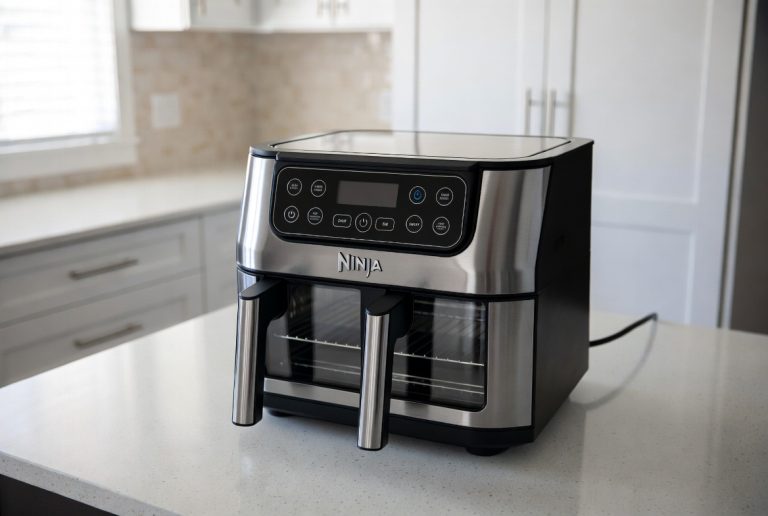
Ninja Air Fryer 100 vs 101: Which Model Is Better?
If you’re standing in the kitchen aisle or scrolling through online stores trying to decide between the Ninja Air Fryer 100 and 101, you’re not alone. These two models have created quite a buzz in the air frying community, and honestly, choosing between them can feel like picking between two really good friends. But here’s the thing—they’re not identical twins, and understanding their differences could mean the difference between a purchase you’ll love and one you’ll regret.
Let me break down everything you need to know about these two popular air fryers so you can make an informed decision that actually fits your lifestyle and cooking needs.
Understanding the Basics: What Are These Models?
Before we dive into the nitty-gritty comparisons, let’s establish what we’re actually looking at. Both the Ninja Air Fryer 100 and 101 are compact, countertop cooking appliances designed to give you crispy, delicious food with minimal oil. Think of them as the modern answer to deep frying—except they use hot air circulation instead of oil baths.
The Ninja brand has become synonymous with innovative kitchen gadgets, and these air fryer models represent their efforts to create accessible, efficient cooking solutions for everyday people. But while they share the same brand name and similar purpose, they have some notable distinctions that set them apart.
Design and Physical Differences
Size and Counter Space Requirements
Let’s talk about the elephant in the room—or rather, the appliance on your countertop. The Ninja Air Fryer 100 is slightly more compact than its 101 counterpart. If you’re living in a smaller apartment, have limited counter space, or simply prefer minimalist kitchen aesthetics, this could be a deciding factor.
The 101 model takes up a bit more real estate, but not so much that it becomes unwieldy. However, if you’re someone who likes to keep your counters relatively clear, you’ll notice the difference. It’s similar to choosing between a sedan and a slightly larger sedan—one fits easier in a compact garage, but both are still manageable.
Color and Aesthetic Appeal
While both models come in classic colors that match most kitchen décors, they may have slight variations in their finishes. The 100 typically comes in a sleek black finish, while the 101 might offer different color options depending on when you purchase and from which retailer. Neither is ugly by any means—they both have that modern, minimalist Ninja aesthetic that looks at home on any contemporary kitchen counter.
Weight and Portability
If you’re someone who likes to pack away your air fryer when not in use or move it around frequently, weight matters. The 100 is slightly lighter, making it easier to maneuver. However, we’re talking about a difference of just a pound or two—nothing that would require you to call in reinforcements to move either model.
Capacity and Cooking Performance
Basket Size and Food Volume
Here’s where things get interesting. The Ninja Air Fryer 100 and 101 have different cooking capacities, which directly impacts how much food you can prepare at once. The 100 typically offers a smaller basket, while the 101 comes with a larger capacity.
If you’re cooking for a family of four or more, or you like to batch-cook for meal prep, the 101’s larger capacity becomes increasingly valuable. You won’t need to cook in multiple batches, which saves you time and energy. Conversely, if you’re single, a couple, or someone who prefers cooking smaller portions, the 100’s basket is perfectly adequate.
Heating Power and Temperature Range
Both models use rapid air circulation technology to cook food quickly and evenly. However, the 101 tends to have slightly more powerful heating elements, which means it can reach higher temperatures and maintain consistent heat distribution across the larger cooking surface.
What does this mean for you? The 101 can handle more demanding cooking tasks and larger food items without sacrificing cooking quality. It’s like comparing a regular oven to a convection oven—both work, but one does it more efficiently with bigger loads.
Cooking Consistency and Results
Both the 100 and 101 deliver excellent results when it comes to the crispiness factor. You’ll get that satisfying golden-brown exterior on your french fries, chicken wings, and vegetable chips with either model. The real difference lies in how well they handle multiple items or larger quantities simultaneously.
The 101’s superior capacity and heating power mean less likelihood of crowding your food, which can sometimes lead to uneven cooking if you’re pushing the 100 to its limits.
Technology and Control Features
User Interface and Display
The Ninja Air Fryer 100 features a straightforward digital interface with preset cooking functions. You’ve got your basics covered—fries, chicken, fish, vegetables, and a few other common items. It’s intuitive and doesn’t require a manual to figure out.
The 101 model takes things a step further with an enhanced display and potentially more preset functions. If you’re someone who likes having more options at your fingertips, the 101 offers greater flexibility. However, if you’re the type who rarely uses preset functions and just manually adjusts time and temperature anyway, this advantage becomes less meaningful.
Preset Cooking Programs
Both models come with several preset programs that take the guesswork out of cooking times and temperatures. The 100 covers the essentials, while the 101 might include a few additional presets for more specialized cooking.
Think of it this way: the 100 is like having a recipe card for your ten favorite meals, while the 101 gives you a cookbook. If you’re adventurous in the kitchen, the 101 appeals more. If you stick to basics, the 100 does the job perfectly.
Temperature Control and Precision
Both models allow you to manually adjust temperature settings if you want to override the presets. The temperature range is typically similar between models, though the 101 may have slightly finer increments for more precise control. This is really only important if you’re doing specialized cooking that requires exact temperature management.
Cleaning and Maintenance
Basket and Tray Design
Nobody wants to spend half an hour scrubbing their air fryer basket after dinner. Fortunately, both models are relatively easy to clean. The basket and cooking tray are typically non-stick and dishwasher safe on both the 100 and 101.
The 101’s larger basket might actually be easier to clean despite its size because you have more room to maneuver your hands and sponge. Conversely, the 100’s smaller basket is quicker to clean overall.
Interior Accessibility
The 101 offers slightly better interior access due to its larger overall size, which some people find makes cleaning more convenient. The 100 requires a bit more careful maneuvering to get every corner, but it’s not a dealbreaker by any means.
Maintenance Requirements
Both models require minimal maintenance. You’ll want to wipe down the exterior occasionally and ensure the heating element stays clean, but that’s about it. Neither model requires special cleaning solutions or complicated upkeep routines.
Price and Value Proposition
Initial Investment Comparison
The Ninja Air Fryer 100 typically costs less than the 101. If budget is your primary concern, the 100 offers excellent value for money. You’re getting a quality air fryer from a trusted brand at a reasonable price point.
The 101 costs more upfront, but it’s not dramatically more expensive. We’re typically talking about a difference of fifty to one hundred dollars, depending on current sales and promotions.
Long-term Value and Durability
Both models are built to last. Ninja air fryers generally have good reputations for durability and longevity. You’re not making a sacrifice with either choice in terms of how long the appliance will serve you.
However, if you plan to use your air fryer frequently and for larger quantities, the 101 might offer better long-term value because you won’t need to replace it sooner due to overuse or capacity limitations.
Energy Efficiency and Operating Costs
Both air fryers use significantly less energy than traditional ovens, which is one of their major selling points. The difference in power consumption between the 100 and 101 is negligible—we’re talking about pennies per month in operating costs.
Neither model will cause your electric bill to spike noticeably, and both will save you money compared to using your regular oven for cooking smaller quantities of food.
Real-World Usage Scenarios
Best For: The Ninja Air Fryer 100
- Single individuals or couples
- Limited kitchen counter space
- Budget-conscious shoppers
- Apartment dwellers with restricted appliance policies
- Those who cook basic, everyday meals
- People who prefer simplicity over complexity
Best For: The Ninja Air Fryer 101
- Families of four or more people
- Meal-prep enthusiasts
- Those who enjoy experimenting with different recipes
- People with generous counter space
- Anyone who regularly entertains guests
- Users who want maximum versatility and options
Warranty and Customer Support
Both models come with manufacturer warranties, though the specific terms may vary. Ninja has a solid reputation for customer service, so you can feel confident that if something goes wrong, you’ll have adequate support.
Check the warranty details at the time of purchase, as these can change. Generally speaking, both models offer similar warranty periods and support quality.
What Customers Are Saying
Real-world user feedback tells us that both models consistently receive positive reviews. People love the speed of cooking, the crispiness of the food, and how easy cleanup is with either model.
Customers with the 100 appreciate its compact size and affordability. Those with the 101 love the larger capacity and don’t regret paying the extra money. The common thread? Both are solid investments in kitchen technology.
Making Your Final Decision
Ask Yourself These Questions
- How many people am I typically cooking for?
- How much counter space can I realistically spare?
- What’s my budget range?
- Do I enjoy cooking complex recipes or prefer basics?
- How often will I use this appliance?
- Do I plan to use this for meal prep or daily cooking?
Your answers to these questions should point you toward the right model. There’s no objectively “better” choice—only the choice that’s better for your specific situation.
Conclusion
The Ninja Air Fryer 100 and 101 are both excellent air fryers that will upgrade your cooking game in meaningful ways. The 100 is perfect if you want a reliable, compact, budget-friendly air fryer for everyday cooking for small households. It’s straightforward, effective, and won’t strain your wallet.
The 101, meanwhile, makes sense if you’re cooking for a larger family, enjoy more cooking variety, or don’t want to deal with multiple batches. The extra capacity and features justify the higher price tag for the right person.
Either way, you’re investing in a quality appliance that will deliver delicious results, save you time in the kitchen, and become one of your favorite cooking tools. The real question isn’t which one is objectively better—it’s which one fits better into your life. Once you answer that honestly, your decision becomes clear.
Frequently Asked Questions
Can I use the same recipes in both the Ninja Air Fryer 100 and 101?
Absolutely, yes. The basic cooking principles are identical, and recipes designed for one model will work on the other. The only adjustment you might need to make is cooking time if you’re cooking significantly larger quantities in the 101, since there’s more surface area to cover. Start with the recommended time and adjust based on your results.
Is the Ninja Air Fryer 101 worth the extra cost compared to the 100?
That depends entirely on your needs. If you’re cooking for more than two people regularly or enjoy meal prepping, yes, the larger capacity and additional features justify the extra cost. If you’re single or a couple who rarely cooks large quantities, the 100 offers better value for your money. Think about your actual usage patterns rather than hypothetical scenarios.
How loud are these air fryers during operation?
Both models operate at similar noise levels, which is relatively quiet compared to traditional ovens. You might notice a fan sound during operation, but nothing that would prevent you from having a conversation nearby. They’re certainly not disruptively loud.
Can I cook frozen food directly in either model without thawing?
Yes, both models handle frozen foods exceptionally well. That’s actually one of the major advantages of air fryers—you can go from freezer to table without much planning. You might need to adjust cooking times slightly compared to fresh ingredients, but the results are excellent.
Which model would be better for a small apartment kitchen?
The Ninja Air Fryer 100 is the better choice for small spaces. Its more compact footprint means it won’t dominate your limited counter real estate, and it’s easier to store in a cabinet if you want to keep it out of sight. Many apartment dwellers specifically choose this model for precisely this reason.
“`
![What Is The Best Cookbook for Air Fryer Recipes [In 2026]](https://homeunderstandable.com/wp-content/uploads/2026/03/Best-Cookbook-for-Air-Fryer-Recipes-768x516.jpg)
![What Is The Best Costco Foods for Air Fryer [In 2026]](https://homeunderstandable.com/wp-content/uploads/2026/03/Best-Costco-Foods-for-Air-Fryer-768x516.jpg)

![What Is The Best Bang for Buck Air Fryer [In 2026]](https://homeunderstandable.com/wp-content/uploads/2026/03/Best-Bang-for-Buck-Air-Fryer-768x516.jpg)