Ninja Air Fryer Bake vs Air Fryer: Which Setting Should You Use?
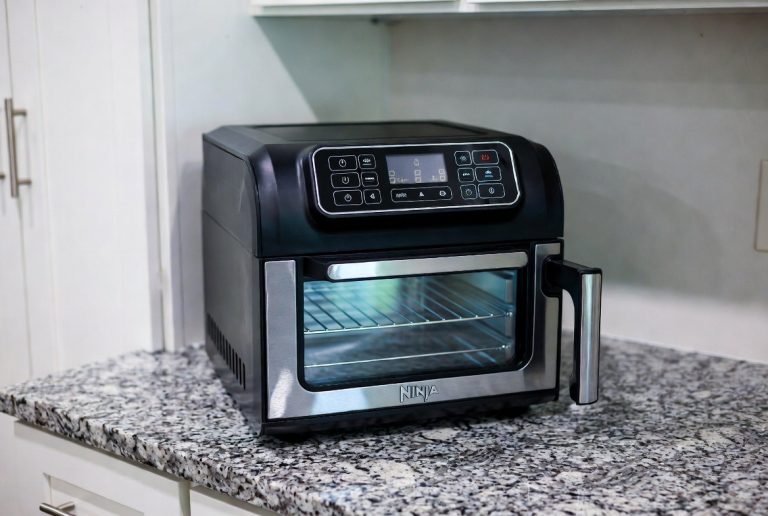
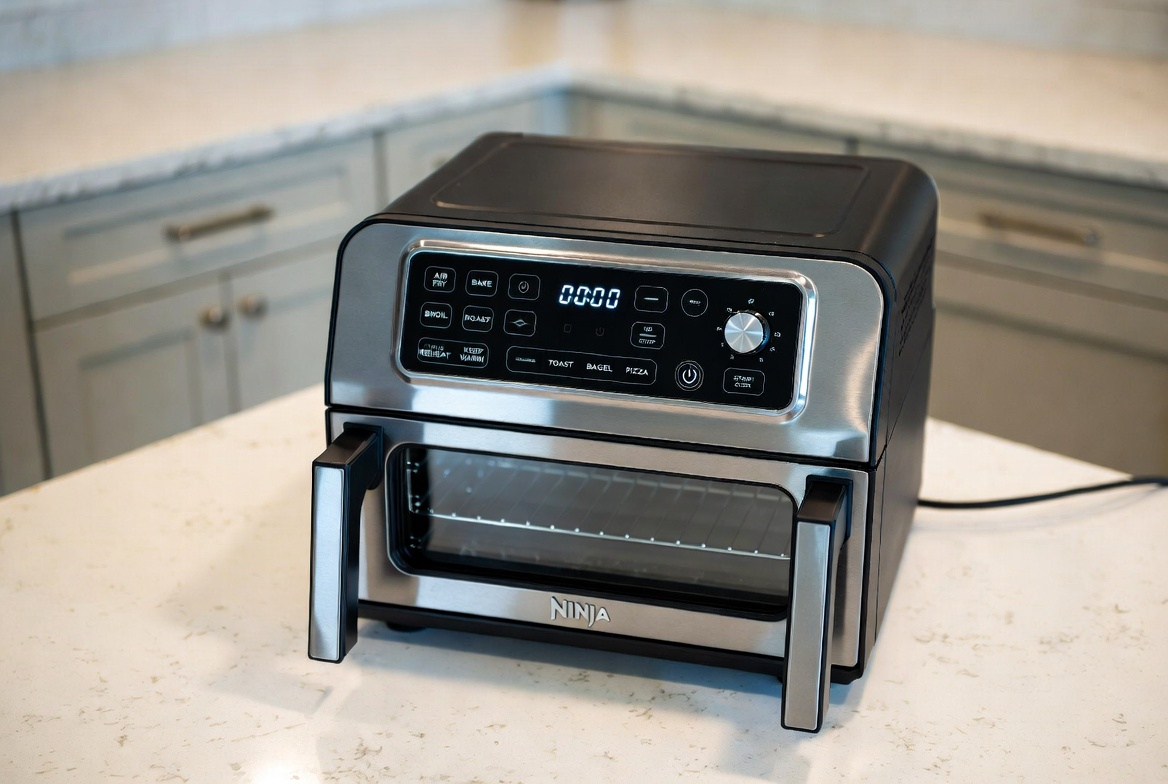
If you’ve recently invested in a Ninja air fryer, you’ve probably noticed something interesting on the control panel—there are multiple cooking modes to choose from. The two that tend to confuse most people are the Bake setting and the standard Air Fryer setting. Which one should you actually use? That’s the question I’m going to answer for you today, and trust me, understanding the difference could completely transform how you cook with this amazing kitchen appliance.
Understanding Your Ninja Air Fryer’s Dual Functions
Here’s the thing about modern kitchen gadgets—they’re designed to be multitaskers. Your Ninja air fryer isn’t just an air fryer anymore; it’s become a hybrid cooking machine that can do way more than just fry. When you first open the instruction manual, you’ll discover that your device can air fry, bake, roast, and even reheat food. But what does that actually mean for your cooking routine?
Think of your Ninja air fryer like a Swiss Army knife for your kitchen. Each setting is a different tool designed for a specific job. The challenge is knowing which tool to use when. Are you making chicken wings? Air fry them. Are you baking cookies? Well, that’s where things get a bit more nuanced, and that’s exactly what we’re diving into today.
What Is the Air Fryer Setting Really Doing?
Let me break down what happens when you select the traditional air fryer setting on your Ninja device. When you press that button, you’re activating a heating element that reaches extremely high temperatures—we’re talking 350 degrees Fahrenheit to 400 degrees Fahrenheit and sometimes even higher. Combined with a powerful fan that circulates hot air at rapid speeds around your food, this creates what we call the Maillard reaction.
The Maillard Reaction Explained
You know that beautiful golden-brown crust you get on a perfectly fried chicken wing or a steak seared in a hot pan? That’s the Maillard reaction happening right before your eyes. It’s a chemical process where proteins and sugars interact under high heat, creating hundreds of new flavor compounds and that irresistible crispy exterior everyone loves.
The air fryer setting maximizes this reaction. The intense heat and rapid air circulation mean your food gets cooked quickly from the outside in. That’s why french fries come out so crispy, why chicken gets that golden skin, and why even frozen foods can transform into something delicious in just a few minutes.
Why Temperature Control Matters
When you’re using the air fryer setting, you have significant control over the temperature. Most recipes will recommend somewhere between 350 and 400 degrees, but some even go higher. The hotter you go, the faster that outside crisping happens, but you also need to be careful not to burn the exterior while the inside remains undercooked.
What Does the Bake Setting Actually Do?
Now let’s talk about the bake setting, because this is where things get interesting. When you select bake on your Ninja air fryer, you’re activating a completely different cooking method. Instead of relying on extreme heat and rapid air circulation for rapid crisping, the bake setting uses more moderate, consistent heat to cook your food more gently and evenly.
The bake function mimics what a traditional oven does. It heats from both above and below (though with the Ninja’s innovative design, it’s more about consistent temperature maintenance throughout the cooking chamber). The air circulation is present, but it’s gentler and more about ensuring even heat distribution rather than aggressive crisping.
Consistency and Even Cooking
One of the biggest advantages of the bake setting is that it promotes more even cooking throughout your food. When you’re baking a batch of cookies, you don’t want some to be burnt while others are undercooked, right? The bake setting helps prevent that inconsistency by maintaining a steadier, lower temperature and allowing heat to penetrate more gradually.
This is especially important when you’re dealing with delicate items like pastries, cakes, or anything with a filling that needs time to cook through properly without the outside burning.
Key Differences Between the Two Settings
Temperature Range and Heat Intensity
Let me lay out the fundamental differences side by side so you can really understand what’s happening:
- Air Fryer Setting: Higher temperatures (typically 350-400°F+), intense and rapid heating
- Bake Setting: Lower to moderate temperatures (typically 325-375°F), gentler and more consistent heating
The air fryer setting is aggressive. It wants to brown things fast and create that crispy texture. The bake setting is patient. It takes its time to ensure even cooking throughout.
Air Circulation Patterns
Both settings use the Ninja’s powerful fan system, but they use it differently. With the air fryer setting, you get maximum air velocity—the fan is working overtime to blast hot air around your food continuously. This rapid circulation is what creates that fried effect without oil.
With the bake setting, the air circulation is more moderate. The fan still operates, but at a pace that ensures even heat distribution without aggressively drying out or over-browning your food.
Cooking Time Differences
Because of the temperature and intensity differences, cooking times will vary significantly. Air fryer setting? Fast. We’re talking 10 to 20 minutes for most foods. Bake setting? Slower. Often 20 to 40 minutes depending on what you’re cooking.
When Should You Use the Air Fryer Setting?
Alright, so when is the air fryer setting your best friend? Let me give you some practical examples from my own kitchen experience.
Fried Foods and Crispy Favorites
This is obvious, but it’s where the air fryer setting truly shines. If you want crispy french fries, use the air fryer setting. Chicken wings? Air fryer setting. Onion rings? Air fryer setting. Anything where you’re chasing that fried texture without the oil—this is your go-to.
I always use the air fryer setting when I’m making homemade potato chips or vegetable chips. The high heat and rapid air circulation crisp them up perfectly in about 12 minutes.
Quick Cooking and Meal Prep
Because of its speed, the air fryer setting is perfect when you’re in a hurry. Need dinner on the table in 20 minutes? The air fryer setting has got your back. Frozen chicken breasts, fish fillets, pork chops—all of these can go from freezer to table quickly with the air fryer setting.
Browning and Searing
Want to get that beautiful brown color on the outside of your food? That restaurant-quality sear? The air fryer setting is what you need. It browns vegetables, meats, and even some breaded items faster than the bake setting ever could.
Reheating Fried Items
Got leftover pizza or fried chicken? The air fryer setting will restore the crispiness that was lost in the refrigerator. The bake setting would just warm things up without restoring that texture.
When Should You Use the Bake Setting?
Now let’s flip the script and talk about when the bake setting is genuinely the better choice. This is where many people get confused, so pay attention.
Baked Goods and Pastries
Here’s where I’m going to be honest with you—if you’re baking cookies, cakes, muffins, or any traditional baked good, the bake setting is your friend. Why? Because these items need consistent, moderate heat to cook properly. If you use the air fryer setting, you risk burning the outside while the inside stays raw.
I learned this the hard way. My first batch of chocolate chip cookies in the air fryer setting turned into little hockey pucks on the outside and dough on the inside. Switch to bake? Perfect cookies every time. The gentler heat allows the structure to set properly while the insides cook through.
Delicate Items That Need Protection
Anything delicate benefits from the bake setting’s more moderate approach. Think about items like:
- Lasagna or layered pasta dishes
- Quiches or savory pies
- Egg-based dishes
- Items with cheese that might burn easily
- Anything with a sauce that could dry out or burn
Even Cooking of Thick Items
If you’re cooking something that’s quite thick—like a whole chicken breast, a thick cut of salmon, or a substantial casserole—the bake setting is often better. The more moderate heat penetrates more gradually, ensuring the inside cooks through completely while the outside doesn’t overcook or burn.
Foods That Need Slower Cooking
Some foods just need time. They need to cook slowly and develop flavors. The bake setting respects that pace. Roasted vegetables can actually taste better when they cook a bit slower on the bake setting—they caramelize more gradually and develop deeper flavors.
Temperature Guide for Each Setting
Recommended Air Fryer Setting Temperatures
When you’re using the air fryer setting, you’ll typically want to operate in these temperature ranges:
- Frozen foods: 380-400°F
- Fresh vegetables for crisping: 380-400°F
- Chicken and poultry: 360-390°F
- Fish and seafood: 350-380°F
- Breaded items: 370-390°F
Recommended Bake Setting Temperatures
When you switch to bake mode, here’s what typically works best:
- Cookies and small baked goods: 325-350°F
- Cakes and larger baked items: 325-350°F
- Casseroles and savory dishes: 350-375°F
- Vegetables for roasting: 360-380°F
- Pizzas and flatbreads: 375-400°F
Practical Cooking Scenarios
Scenario One: Making Dinner for Your Family
Let’s say you’re making chicken thighs with roasted Brussels sprouts. Here’s what I’d recommend: Use the air fryer setting for the chicken thighs at 380°F for about 18 minutes, skin-side up. This gets you that crispy skin you’re after. For the Brussels sprouts? You could use either setting, but if you’re cooking them alongside the chicken, I’d stick with the air fryer setting to keep everything at the same temperature and timing.
Scenario Two: Baking Day
You want to make a batch of brownies. Definitely use the bake setting at 325°F. The moderate heat will allow the brownies to bake evenly throughout without burning the edges while the center is still raw. This takes longer than the air fryer setting would, probably around 25-30 minutes, but the results are worth it.
Scenario Three: Leftover Transformation
You have day-old pizza sitting in your fridge, and you want it crispy again. Air fryer setting at 350°F for about 5 minutes. The air fryer setting will revive that crispy crust faster than bake ever could.
Common Mistakes People Make
Using Air Fryer Setting for Baked Goods
This is the number one mistake I see. People assume the air fryer is the faster, better option for everything, so they use it for cookies and cakes. Then they’re disappointed when the outside burns. Remember: air fryer setting is aggressive. It’s not suitable for delicate baking projects.
Using Bake Setting When You Want Crispy
The opposite mistake happens too. People use the bake setting when they really wanted crispy french fries or a golden chicken skin. The bake setting won’t give you that aggressive browning. Choose the right tool for the job.
Not Adjusting Cooking Times
Just because your regular oven recipe says 30 minutes at 350°F doesn’t mean your Ninja air fryer will need exactly 30 minutes. Air fryers cook faster because of their superior heat circulation. Always start checking earlier than the original recipe suggests and adjust as needed.
Tips for Success with Both Settings
Always Preheat Your Ninja
Whether you’re using the air fryer or bake setting, give your Ninja a couple of minutes to preheat. This ensures your cooking times are accurate and your food cooks evenly from the start.
Don’t Overcrowd the Basket
This applies to both settings. If you’re packed in too much food, the air won’t circulate properly, and you’ll get uneven cooking. Give your food some breathing room.
Shake and Rotate Strategically
For air fryer setting cooking, shaking the basket halfway through is often beneficial. For bake setting, you’re usually better off leaving things undisturbed to promote even cooking.
Use a Food Thermometer
When in doubt about whether something is cooked through, use a meat thermometer. Chicken should reach 165°F internally. This removes all guesswork and ensures food safety.
The Texture Factor: Crispiness vs. Tenderness
At its core, choosing between these two settings is often about texture. Do you want something crispy? Air fryer setting. Do you want something tender and evenly cooked? Bake setting.
The air fryer setting removes moisture rapidly and creates that characteristic crispy exterior. The bake setting cooks more gently, retaining more moisture and promoting a tender, cake-like crumb in baked goods.
Understanding this fundamental difference is the key to choosing the right setting every single time.
Energy Efficiency Comparison
Here’s something people don’t talk about much—the energy efficiency difference between the two settings. Because the air fryer setting reaches higher temperatures and cooks faster, you might think it uses more energy overall. Interestingly, the faster cooking time often means less total energy consumption despite the higher heat output.
The bake setting, because it cooks more slowly, might actually use more total energy for a single meal. However, the difference is usually minimal, so don’t let energy concerns drive your decision. Choose based on what you’re cooking.
Final Verdict: Which Setting Should You Actually Use?
Here’s my honest take after using my Ninja air fryer for quite a while: use whichever setting matches your cooking goal. Are you trying to create crispiness? Air fryer setting. Are you trying to bake or gently cook something delicate? Bake setting. It’s really that simple.
The beauty of having both options in one device is that you can handle almost any cooking scenario your kitchen throws at you. The key is understanding
![5 Best Air Fryer for Camping [In 2026]](https://homeunderstandable.com/wp-content/uploads/2026/03/5-Best-Air-Fryer-for-Camping-768x516.jpg)
![5 Best Air Fryer Dinner Recipes for Two [In 2026]](https://homeunderstandable.com/wp-content/uploads/2026/03/5-Best-Air-Fryer-Dinner-Recipes-for-Two.jpg)
![What Is The Best Air Fryer for Wings and Fries [In 2026]](https://homeunderstandable.com/wp-content/uploads/2026/03/Best-Air-Fryer-for-Wings-and-Fries-768x516.jpg)
![What Is The Best Air Fryer for Family of Four [In 2026]](https://homeunderstandable.com/wp-content/uploads/2026/03/Best-Air-Fryer-for-Family-of-Four-768x516.jpg)