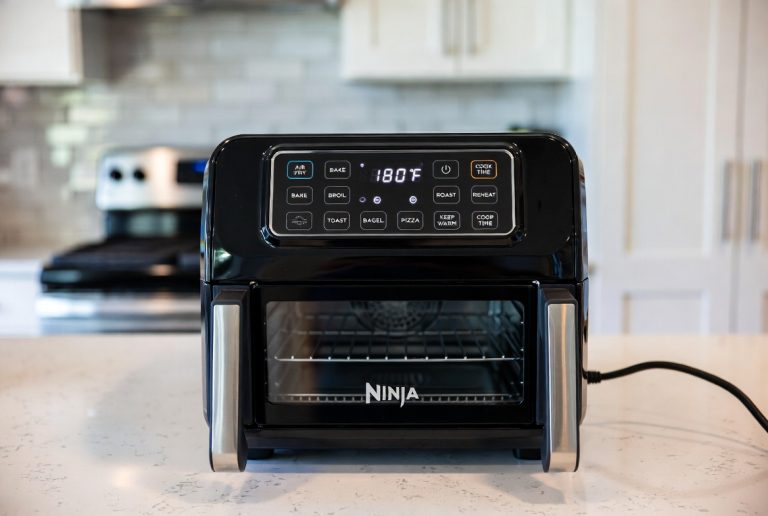
Ninja Air Fryer DZ550 vs DZ401: Which One Is Better?
When you’re standing in the kitchen appliance aisle or browsing online for a new air fryer, the choices can feel overwhelming. Two models that keep popping up in conversations are the Ninja DZ550 and the DZ401. Both have loyal fans, but which one truly deserves a spot on your countertop? I’m going to walk you through everything you need to know to make an informed decision that fits your lifestyle and cooking needs.
Getting to Know the Ninja DZ550 and DZ401
Before we dive into the nitty-gritty comparison, let’s establish what these air fryers actually are. Think of them as the modern evolution of traditional deep fryers—they circulate hot air rapidly around your food to create that crispy exterior you crave, but with significantly less oil. It’s like getting your fried favorites without the guilt or the mess.
What Makes These Models Stand Out
Both the Ninja DZ550 and DZ401 have earned their reputations in a crowded market because they’re reliable workhorses. They’re not flashy, but they’re dependable—the kind of appliance that becomes part of your daily routine without demanding constant attention. However, they each have distinct personalities that appeal to different types of home cooks.
Capacity: How Much Can You Actually Cook?
One of the first things people ask is, “How much food fits inside?” This matters more than you might think, especially if you’re cooking for a family rather than just yourself.
Ninja DZ550 Capacity Breakdown
The DZ550 comes with a generous 5.5-quart capacity. To put this in perspective, that’s enough to cook a whole chicken, two large portions of fries, and a serving of vegetables all at once—well, not simultaneously, but you get the idea. The basket design is thoughtfully created to maximize usable space, so you’re not left with awkward corners that can’t accommodate your food.
Ninja DZ401 Capacity Breakdown
The DZ401 offers a more modest 4-quart capacity. This is still respectable and handles most everyday cooking tasks with ease. If you’re cooking for two to three people regularly, this size works perfectly. It’s also more compact, which matters if your kitchen space is at a premium.
Which Size Is Right for You?
If you frequently entertain guests or have a larger family, the DZ550’s extra 1.5 quarts makes a noticeable difference. You’ll find yourself reheating less and cooking in batches less often. However, if you live alone or as a couple, the DZ401’s smaller footprint might be ideal because it heats up faster and cooks more efficiently for smaller portions.
Heating Technology and Cooking Performance
Here’s where the rubber meets the road—or rather, where your frozen French fries meet the hot air. Both models use convection heating, but let’s explore how they differ.
DZ550 Heating System
The DZ550 features Ninja’s advanced convection technology with a powerful heating element that reaches cooking temperatures exceptionally quickly. You’re looking at preheating in just a few minutes. The air circulation is engineered to be uniform, meaning you won’t get hot spots or cold zones where your food cooks unevenly. This consistency is what separates a good air fryer from a great one.
DZ401 Heating System
The DZ401 doesn’t lag far behind. It heats efficiently and distributes hot air effectively throughout the cooking chamber. While it might take slightly longer to reach optimal temperature compared to the DZ550, the difference is minimal—we’re talking seconds, not minutes. Once it’s up to speed, the cooking results are nearly indistinguishable for most applications.
Real-World Cooking Results
I want to be honest with you here: both air fryers produce crispy, delicious results. The DZ550 might have a slight edge in achieving that perfect golden-brown exterior slightly faster, but the DZ401 gets you there too. Unless you’re cooking multiple batches in succession where every second counts, you probably won’t notice a dramatic difference in your finished dishes.
Design and Physical Build Quality
When you bring an appliance into your home, aesthetics and durability matter. You want something that looks good on your counter and lasts for years without falling apart.
DZ550 Design Features
The DZ550 has a sleek, modern design that feels premium when you touch it. The exterior is predominantly stainless steel with a matte finish that resists fingerprints better than glossy alternatives. It’s noticeably larger, so it commands more counter space. The basket slides out with a satisfying click, and the overall build feels sturdy. Ninja has used quality materials throughout, and it shows in how the device feels in your hands.
DZ401 Design Features
The DZ401 also sports a stainless steel finish but with a slightly more compact profile. It’s less imposing on your countertop, which is fantastic for people with limited kitchen real estate. The build quality is solid, though some users note that certain plastic components feel slightly less robust than on the DZ550. That said, we’re not talking about cheap plastic here—it’s still quality construction.
Durability Over Time
Both models have proven themselves reliable over extended use. The DZ550, with its larger build and heavier-gauge materials, might have a slight longevity advantage. However, with proper care and regular cleaning, the DZ401 should easily last five to seven years or more, which is the typical lifespan people expect from kitchen appliances anyway.
Control Systems and User Interface
How you interact with your air fryer affects your experience every single day. Let’s compare their control approaches.
DZ550 Control Panel
The DZ550 features a digital touchscreen display with intuitive menu navigation. The screen clearly shows your temperature settings, cooking time, and which cooking function you’ve selected. It’s responsive to touch, and you can adjust settings mid-cook if you decide you want things crispier or need extra time. The display is bright and easy to read from across the kitchen.
DZ401 Control Panel
The DZ401 uses a more traditional button-based interface with an LED display. It’s simpler, which some people prefer. There’s something reassuring about physical buttons—you know you’ve pressed something. The LED screen is smaller but adequate for showing essential information. Navigation requires a bit more button-pushing compared to a touchscreen, but it’s hardly complicated.
Which Interface Is Better?
This comes down to personal preference. If you love technology and want the modern touchscreen experience, the DZ550 wins. If you prefer keeping things simple and worry less about accidental touches or screen responsiveness issues, the DZ401’s button layout is refreshingly straightforward.
Cooking Versatility and Functions
An air fryer is only as good as what it can actually cook. Let’s examine the cooking capabilities of each model.
DZ550 Cooking Programs
The DZ550 comes preloaded with numerous cooking programs. You’ve got options for air frying, roasting, reheating, dehydrating, and even baking. Each program has been calibrated to optimize cooking time and temperature for different foods. This is incredibly convenient because you’re essentially getting personalized cooking guidance built into the device. Want to reheat pizza without making it soggy? There’s a program for that. Craving homemade beef jerky? It’s equipped to handle it.
DZ401 Cooking Programs
The DZ401 offers a solid selection of cooking programs, though not quite as extensive as the DZ550. You’ll get the essentials: air frying, roasting, reheating, and a few other staples. It’s not missing important functions, but you get slightly fewer specialized programs. For basic to intermediate home cooking, the DZ401’s function library is entirely adequate.
Practical Versatility Assessment
Here’s the truth: most home cooks use their air fryers for about five to seven core functions repeatedly. The chicken wings, the frozen vegetables, the quick reheats. The DZ401 handles these beautifully. The DZ550’s extra programs are nice to have, especially if you’re adventurous in the kitchen and want to experiment with dehydrating or more creative cooking methods.
Energy Efficiency and Operating Costs
You’re going to use this appliance regularly, so energy consumption matters for your utility bills and environmental impact.
DZ550 Energy Consumption
The DZ550 uses approximately 1750 watts during operation. Because of its larger capacity and more powerful heating element, it naturally uses more energy than smaller models. However, the efficiency rating is quite good—you’re getting a lot of cooking power for the energy you’re consuming. Over the course of a year, the additional electricity cost compared to the DZ401 is genuinely minimal, probably just a few dollars.
DZ401 Energy Consumption
The DZ401 operates at around 1500 watts, making it slightly more energy-efficient on a per-use basis. For environmentally conscious cooks or those watching their electricity bills carefully, this modest difference adds up over time. It’s not dramatic, but it’s there.
Long-Term Cost Implications
The energy difference between these models is honestly negligible in the grand scheme of things. Both are far more energy-efficient than traditional ovens or deep fryers. I wouldn’t let this factor be your primary decision-maker unless you’re living on an extremely tight budget.
Noise Levels During Operation
Have you ever had an appliance that makes so much noise you can’t hear the TV? It’s annoying. Let’s see how these air fryers compare noise-wise.
DZ550 Noise Profile
The DZ550 operates at approximately 65 to 70 decibels, which is roughly equivalent to normal conversation volume. It’s noticeable when you’re standing next to it, but it’s not jarring or disruptive. The noise is mostly from the fan circulating air and the heating element doing its work. It’s a steady hum rather than intermittent beeping or loud whirring.
DZ401 Noise Profile
The DZ401 is slightly quieter, operating around 60 to 65 decibels. The difference is subtle but appreciable if you’re sensitive to kitchen noise. It’s still noticeable—this isn’t a silent appliance—but it’s less intrusive than the DZ550.
Does Noise Matter in Real Life?
Both are reasonable in terms of noise output. If you’re cooking in an open-concept kitchen while people are watching television in the next room, either one will work fine. You won’t be frustrated by excessive noise, and that’s what matters.
Cleaning and Maintenance Requirements
A fantastic air fryer is only fantastic if it’s easy to keep clean. Nobody enjoys spending thirty minutes scrubbing an appliance after dinner.
DZ550 Cleaning Process
The DZ550’s basket and tray are completely removable and dishwasher-safe, which is a game-changer. You can pop them right in the dishwasher and let the machine do the work. The main unit has a non-stick interior coating that prevents oil and food residue from sticking stubbornly. Wiping down the inside with a damp cloth after use takes just a minute or two. The exterior stays clean with the occasional wipe-down with a soft cloth.
DZ401 Cleaning Process
The DZ401 is equally user-friendly in the cleaning department. Its removable parts are also dishwasher-safe, and the non-stick coating is similarly effective. The cleaning routine is virtually identical to the DZ550. There’s no hidden complexity here—both are designed with the understanding that people don’t want to spend their evening cleaning kitchen equipment.
Maintenance Considerations
Both units are virtually maintenance-free. You won’t need to replace heating elements, belts, or other wear-prone parts during normal use. An occasional deep clean once monthly is all most people do, beyond the standard post-use rinse.
Price Point Analysis
Money is real, and price is often the deciding factor. Let’s talk about what you’re investing in each model.
DZ550 Pricing
The DZ550 typically retails for around $250 to $300, depending on sales and retailer. It’s positioned as a premium option within Ninja’s air fryer lineup. For that price, you’re getting the larger capacity, touchscreen interface, and expanded cooking programs.
DZ401 Pricing
The DZ401 usually costs between $150 to $200, making it the more budget-friendly option. This doesn’t mean it’s cheap or low-quality—it just means Ninja is passing the savings from a simpler interface and smaller size directly to you.
Value for Money Assessment
The DZ401 offers excellent value if you’re looking for a dependable air fryer without premium features. The DZ550 is worth the extra investment if you cook frequently, have a larger household, or want those advanced features. Think of it like comparing a reliable sedan to a luxury sedan—both get you where you need to go, but the luxury option has nicer perks.
Customer Satisfaction and Real Reviews
What do actual users say about these air fryers? This is where theory meets reality.
DZ550 Customer Feedback
Users consistently praise the DZ550 for its capacity and performance. People with larger families mention they no longer need to cook in batches. The touchscreen is generally loved, though a few users mentioned screen responsiveness issues after extended use. The cooking results are consistently excellent, with users reporting perfectly crispy exteriors and moist interiors across various food types. The main complaints revolve around its size—some buyers found it larger than expected for their kitchens.
DZ401 Customer Feedback
DZ401 owners express satisfaction with its reliability and ease of use. The compact size is appreciated by apartment dwellers and those with limited kitchen space. Users report solid cooking performance and durability over multiple years of regular use. Some mention wishing for more preset programs, but this is a minor complaint since manual temperature and time adjustments work perfectly fine. The lower price point means people feel they got exceptional value.
Overall Sentiment Comparison
Both models enjoy strong customer satisfaction ratings. The DZ550 appeals to people who prioritize capacity and features, while

![What Is The Best Dishes for Air Fryer [In 2026]](https://homeunderstandable.com/wp-content/uploads/2026/03/Best-Dishes-for-Air-Fryer-768x516.jpg)

![What Is The Best Beef Roast for Air Fryer [In 2026]](https://homeunderstandable.com/wp-content/uploads/2026/03/Best-Beef-Roast-for-Air-Fryer-768x516.jpg)