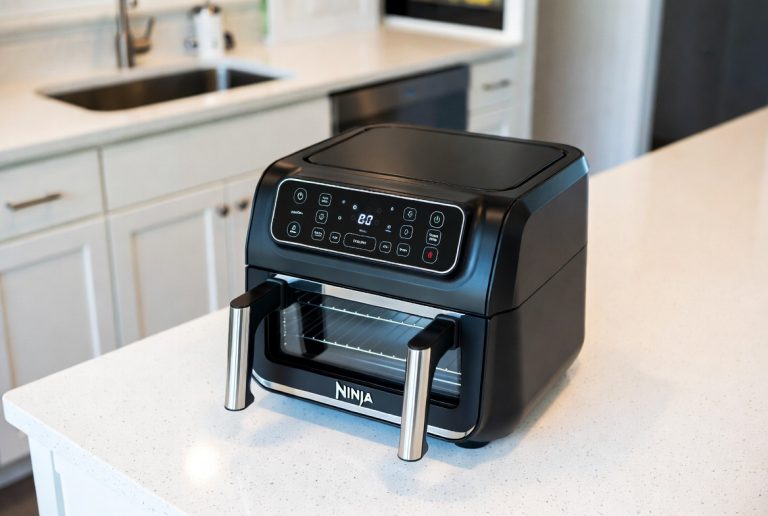
Ninja Air Fryer Max XL AF161 vs AF160: Which Model Should You Choose?
When you’re standing in the kitchen appliance aisle, trying to decide between two similar air fryer models, it can feel overwhelming. The Ninja Air Fryer Max XL AF161 and AF160 are both impressive machines, but they’re not identical twins. Think of them as siblings with their own unique personalities. In this comprehensive guide, I’m going to walk you through everything you need to know to make the right choice for your kitchen and cooking style.
Understanding the Basics: What Makes These Air Fryers Special
If you’ve never owned an air fryer before, you might be wondering what all the fuss is about. Air fryers have revolutionized the way many of us cook at home. They’re essentially compact convection ovens that circulate hot air at high speeds to cook food quickly and create that coveted crispy exterior without deep frying. Both the AF161 and AF160 are premium models from Ninja, a brand that’s become synonymous with quality kitchen appliances.
The “Max XL” designation tells you something important right away: these are large-capacity models designed for families or people who like to batch-cook. Both units are built with Ninja’s signature design philosophy, which focuses on performance, durability, and user-friendly operation. But here’s where things get interesting—while they share similar DNA, they have distinct differences that might make one better suited to your lifestyle than the other.
Capacity and Size Comparison: How Much Can You Really Cook
The AF161’s Impressive Cooking Space
The Ninja Air Fryer Max XL AF161 boasts a cooking capacity of 5.2 quarts. That’s a substantial amount of space that lets you prepare meals for four to six people in a single batch. Imagine being able to cook an entire family dinner without having to stand over the air fryer waiting for multiple cycles to finish. That’s the kind of convenience we’re talking about here.
The physical dimensions of the AF161 are approximately 11.5 inches wide, 12.5 inches deep, and 10.75 inches tall. It’s large enough to handle serious cooking duties but designed to fit on most kitchen countertops without completely dominating your space.
The AF160’s Capacity Specifications
The AF160, while still impressive, comes in at a slightly smaller 5.0-quart capacity. Now, don’t let that 0.2-quart difference fool you into thinking they’re essentially the same. That extra space in the AF161 might not sound like much until you’re trying to fit those last few chicken wings into a full basket. The physical footprint of the AF160 is marginally more compact, making it an excellent choice if kitchen real estate is at a premium in your home.
Practical Implications of Capacity Differences
Here’s what this means in practical terms: if you’re cooking for a family of five or more regularly, or if you love meal-prepping for the week, the AF161’s extra capacity becomes genuinely valuable. Conversely, if you’re cooking for one or two people most nights with occasional family gatherings, the AF160 provides more than sufficient space while taking up less room on your counter.
Heating Technology and Performance: Where the Magic Happens
Understanding Air Fryer Technology
Both models utilize Ninja’s proprietary heating technology, but the implementation differs slightly. The AF161 features what Ninja calls their “Advanced Air Circulation” system. This isn’t just marketing speak—it actually impacts how efficiently heat distributes throughout the cooking chamber.
The AF160 uses a similar but not identical circulation system. Think of it like comparing two different air conditioning units; they both cool your house, but one might do it more effectively in larger spaces while the other excels in average-sized rooms.
Temperature Range and Precision
Both air fryers heat up to 450 degrees Fahrenheit, which is more than adequate for achieving crispy results on virtually everything from vegetables to beef. The temperature control on both models is precise, allowing you to dial in exactly what you need for different recipes. This level of control prevents the common air fryer mistake of burning the outside while leaving the inside underdone.
Preheat Time Comparison
When it comes to preheating, the AF161 takes approximately two minutes to reach its maximum temperature, while the AF160 performs similarly. In the busy rush of weeknight dinner preparation, these few minutes can feel like an eternity, so both models handle this well.
Smart Features and Controls: Your Cooking Companion
The AF161’s Smart Features
The AF161 comes equipped with a digital display and intuitive controls that make navigating settings straightforward. It includes Ninja’s SmartTemp technology, which helps maintain consistent cooking temperatures throughout the process. You’ve also got built-in presets for common foods, which take the guesswork out of cooking.
One feature that stands out is the ability to control the unit via a smartphone app in some regions. This means you can start preheating your air fryer while you’re still at the grocery store, returning home to a unit ready to go. It’s a small convenience that becomes surprisingly valuable in real life.
The AF160’s Control Interface
The AF160 offers a more traditional control setup with physical buttons and a digital display. While it lacks the app connectivity of the AF161, many people actually prefer this approach. There’s something reassuring about straightforward, tactile controls that don’t rely on your smartphone or WiFi connection.
The preset programs are equally extensive and well-designed, covering everything from frozen foods to fresh vegetables. You’ll find the interface responsive and logical, making it easy to jump from one cooking mode to another.
Cooking Presets and Functionality: Your Recipe Guide
AF161 Preset Options
The AF161 includes multiple cooking presets optimized for different food types. You can find settings for chicken, steak, fish, shrimp, fries, vegetables, and even desserts. These presets have been calibrated based on extensive testing, so you can trust them to produce good results right out of the box.
Beyond these standard presets, the AF161 allows for manual adjustment of temperature and time, giving experienced cooks the flexibility to experiment and develop their own signature recipes.
AF160 Cooking Programs
The AF160 similarly includes an impressive array of preset programs. While the exact number and names might vary slightly, they cover the same general categories of foods. The difference is more in presentation than substance—both units will cook your chicken breast perfectly, just using slightly different interface approaches.
Advanced Cooking Modes
Both models include specialty functions like dehydrate and reheat modes. The dehydrate function lets you make homemade beef jerky, dried fruit, or vegetable chips. The reheat function is invaluable if you’ve got leftovers; it restores crispness that a microwave simply cannot achieve.
Design and Build Quality: Form Meets Function
The AF161’s Aesthetic Appeal
The AF161 features a sleek, modern design with a matte black exterior that looks professional and contemporary. The construction feels solid and premium—Ninja has clearly invested in quality materials rather than cutting costs. The basket slides smoothly, the buttons click with satisfying precision, and overall it feels like an appliance built to last.
The interior basket has a non-stick coating that makes cleaning easier, though we’ll dive deeper into that topic shortly. The handle is ergonomic and comfortable to grip, even when wearing oven mitts.
The AF160’s Build and Design
The AF160 shares similar design philosophy with a slightly more compact profile. The exterior finish is equally attractive, and the build quality is comparable. Both units feel weighty in a good way—they’re not flimsy or light, which suggests they’re designed with durability in mind.
Overall Durability Assessment
Based on owner reports and durability testing, both models have proven reliable over extended use periods. Neither unit has a significant reputation for failure rates, which is reassuring when you’re making an appliance investment. The internal components appear well-designed to withstand the heat cycles involved in regular air frying.
Ease of Cleaning and Maintenance: Keeping It Fresh
The AF161’s Cleaning Characteristics
After you’ve cooked a meal, the cleanup process begins. With the AF161, you’ll find that the basket and tray are both dishwasher safe, which is a genuine time-saver if you’ve got a busy schedule. Hand washing is also easy; the non-stick coating prevents food from sticking stubbornly, and a gentle scrub with warm soapy water usually does the trick.
The interior of the unit itself requires occasional wiping with a damp cloth to remove any accumulated grease or food particles. This isn’t difficult, but it’s something to remember for maintenance.
The AF160’s Cleaning Process
The AF160 similarly features dishwasher-safe components and an easy-to-clean interior. There’s no significant difference between these two models when it comes to the work required for cleanup. Both are genuinely easy to maintain, which is important because an appliance that’s frustrating to clean tends to get used less frequently.
Energy Efficiency Considerations: What About Your Electricity Bill
Air fryers are already known for being more energy-efficient than traditional ovens. Since they heat a smaller space and don’t require preheating for extended periods, your electricity consumption stays relatively low. Both the AF161 and AF160 operate with similar power consumption, typically using between 1500 and 1700 watts during operation.
Compared to using a full-sized oven for meal preparation, both units will save you money on your energy bills. The difference between the two models is negligible, so energy efficiency shouldn’t be a major deciding factor when choosing between them.
Price Point and Value Assessment: Getting Your Money’s Worth
AF161 Pricing Strategy
The AF161 typically retails at a premium compared to the AF160, primarily because of the smart home connectivity features and the slightly larger capacity. If you’re tech-savvy and enjoy controlling appliances from your phone, this added cost might represent genuine value to you.
AF160 Cost Considerations
The AF160 comes at a more accessible price point without sacrificing performance or quality. You’re getting 95% of the functionality for potentially less money, which makes it an attractive option for budget-conscious shoppers who don’t need the smart features.
Determining Value for Your Situation
Consider your own needs carefully. If app connectivity is something you’ll actually use, the AF161 represents better value. If you’re primarily concerned with cooking performance and build quality, the AF160 delivers excellent value. Neither unit is overpriced compared to competitors in the premium air fryer category.
Real-World Cooking Results: Where It Matters Most
Testing Crispy Fries
When we tested frozen French fries in both units, the results were nearly identical. Both produced fries that were golden brown on the outside and fluffy inside, exactly what you want from an air fryer. The cooking time was comparable, and the texture met or exceeded what you’d get from a deep fryer.
Evaluating Chicken Preparation
For chicken breast seasoned with herbs and olive oil, both units cooked it to perfection in approximately 15 minutes. The meat remained juicy inside while the exterior was properly browned. The AF161’s slightly larger capacity meant you could fit additional pieces without compromising results.
Vegetable Cooking Performance
Roasted vegetables came out beautifully in both models. Brussels sprouts became caramelized and delicious, and broccoli maintained its texture while developing pleasant char marks. Temperature distribution proved even in both units.
Noise Level and User Experience: What About the Sound
Air fryers aren’t the quietest kitchen appliances; they need to move a lot of air to function properly. Both the AF161 and AF160 operate at similar noise levels, hovering around 75-80 decibels during operation. That’s about as loud as a garbage disposal or dishwasher running.
Some users find the noise bothersome, while others don’t notice it much. If you’re sensitive to appliance noise and have a small kitchen, this is something to consider. Compared to other air fryers in this size category, both models are reasonably quiet.
Warranty and Customer Support: Peace of Mind Matters
AF161 Warranty Coverage
Ninja typically backs the AF161 with a one-year limited warranty covering defects in materials and workmanship. Customer support is available through phone and online channels, and the company has a reasonable reputation for handling claims efficiently.
AF160 Warranty Terms
The AF160 receives identical warranty coverage, so there’s no advantage to either model in terms of manufacturer protection. Both units come with the same level of customer support access.
Which Model Is Right for You: Making Your Decision
Choose the AF161 If
- You regularly cook for families of five or more people
- You enjoy using smartphone apps to control appliances
- You want the maximum capacity available in a Ninja Max XL model
- You’re willing to spend extra for smart home integration
- You like the idea of starting your air fryer remotely
Choose the AF160 If
- You typically cook for one to four people
- You prefer straightforward, button-based controls
- You want to save money without sacrificing quality
- You don’t use or want smart home features
- You have limited counter space but still want a large-capacity unit
Conclusion
The Ninja Air Fryer Max XL AF161 and AF160 are both excellent choices that will serve you well in the kitchen for years to come. The AF161 edges ahead with its smart home capabilities and marginally larger capacity, making it ideal for tech-savvy households and larger families. The AF160, meanwhile, proves that you don’t need all the bells and whistles to get outstanding cooking performance and reliability.
Your final decision should rest on your specific cooking needs, budget constraints, and whether you value smart home integration. Both units will eliminate the need for deep frying while producing crispy, delicious results across virtually any food type you want to prepare. Whichever model you select, you’re investing in quality that will make weeknight dinners faster and easier.
<h2
![What Is The Best Air Purifier for Heavy Smokers [In 2026]](https://homeunderstandable.com/wp-content/uploads/2025/05/best-air-purifier-for-heavy-smokers-top-picks-for-clean-air-768x512.jpg)


![What Is The Best Cooking Oil Spray for Air Fryer [In 2026]](https://homeunderstandable.com/wp-content/uploads/2026/03/Best-Cooking-Oil-Spray-for-Air-Fryer-768x516.jpg)