Manual vs Digital Air Fryer: Which One Should You Choose?
Have you ever stood in the kitchen appliance aisle, staring at two different air fryers and wondering which one would actually fit your lifestyle? You’re not alone. The air fryer revolution has taken over modern kitchens, but choosing between a manual and digital model can feel like picking between two equally appealing options when you really just want to fry some chicken wings.
The truth is, both manual and digital air fryers will cook your food to crispy perfection. But they’re fundamentally different beasts, and understanding those differences is crucial before you hand over your hard-earned money. Let me break this down for you in a way that actually makes sense.
Understanding the Basic Differences Between Manual and Digital Air Fryers
Before we dive deep into the nitty-gritty details, let’s establish what we’re actually talking about here. A manual air fryer is the simpler cousin in the air fryer family. It relies on physical dials, knobs, and mechanical switches to control temperature and time. You turn a knob to set the temperature, twist another to set the cooking time, and then you manually monitor your food.
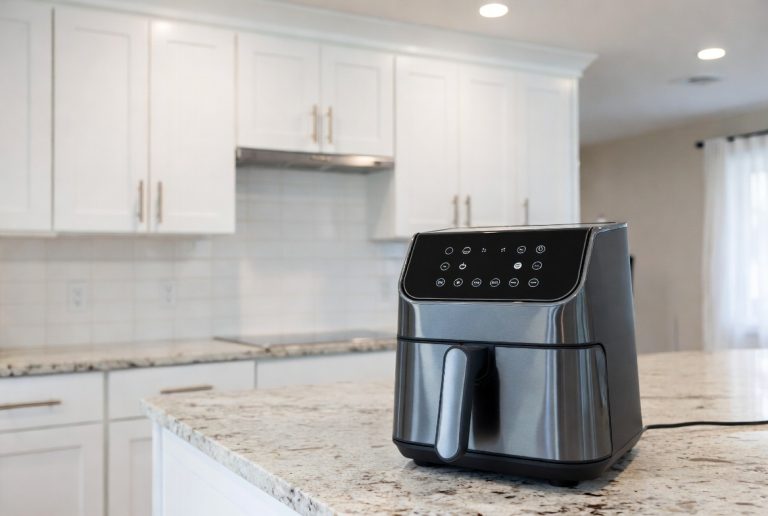
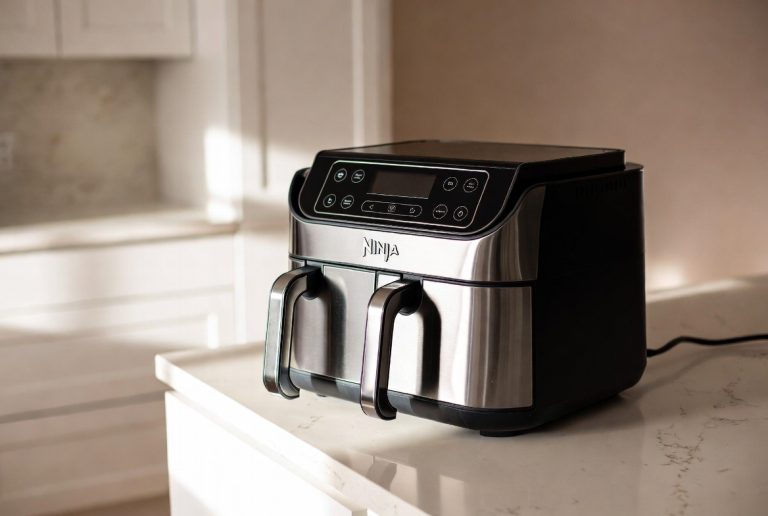
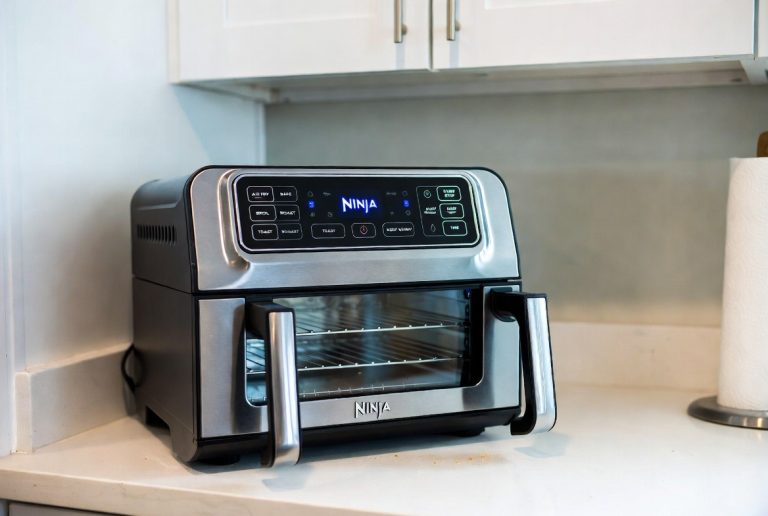
A digital air fryer, on the other hand, is like the smartphone of the cooking world. It features an LED display, preset buttons for common foods, and sometimes even smart connectivity options. You punch in your desired temperature and time using buttons or a touchscreen, and the machine does the thinking for you.
The Simplicity Factor: Less Technology, More Control
Manual air fryers embrace simplicity like an old friend. There’s something beautifully straightforward about them. You see the dials, you turn them, and boom—you know exactly what’s happening. There’s no learning curve, no instruction manual that reads like a novel, and definitely no frustration when you can’t figure out how to access the preset menu.
This straightforward approach appeals to people who view cooking tools as just that—tools. You don’t need your toaster to be smart, right? The same philosophy applies here. If you value simplicity above all else, a manual air fryer might be your best friend.
The Technology Advantage: Convenience and Precision
Digital air fryers bring convenience to the table, literally. Imagine never having to remember cooking times again because your air fryer has preset buttons for chicken, french fries, vegetables, and fish. You just tap the button, and the machine automatically sets the optimal temperature and duration.
Beyond convenience, digital models often deliver superior precision. They use advanced sensors to monitor cooking progress and adjust temperature accordingly. This means more consistent results and fewer burnt edges or undercooked centers.
Price Comparison: Understanding Your Budget Constraints
Let’s talk money, because that’s often the deciding factor in most kitchen purchases. Manual air fryers typically range from fifty to one hundred fifty dollars, depending on the brand and capacity. You’re paying for the essential cooking function, nothing more.
Digital air fryers command a premium, usually ranging from one hundred to three hundred dollars or even higher for models with fancy features. The price jump reflects the added technology, research and development, and those convenient preset buttons.
Is the Price Difference Worth It?
This question doesn’t have a universal answer. If you cook frequently and value time-saving features, the extra investment might pay dividends. But if you’re someone who occasionally uses an air fryer and doesn’t mind setting temperature and time manually, the basic model serves you perfectly well.
Think of it like buying a car. A reliable sedan gets you from point A to point B just fine, but a luxury vehicle offers comfort features you might enjoy. Neither is objectively “better”—it depends on your priorities.
Ease of Use: Which Model Fits Your Lifestyle?
Manual Air Fryers: Straightforward and Intuitive
Using a manual air fryer is genuinely intuitive. You don’t need to read fifty pages of instructions. Within five minutes of unwrapping it, you’ll understand every single function. Turn the temperature dial, turn the timer dial, press start. Done. This accessibility makes manual models perfect for households where multiple people use the appliance—nobody needs training sessions.
Another advantage? There’s virtually nothing to break. No complicated circuits, no software glitches, no firmware updates. It’s mechanical simplicity at its finest.
Digital Air Fryers: Smart Features with a Learning Curve
Digital models require a slightly steeper learning curve, though calling it steep is probably generous. Most people master them within a few uses. The real appeal lies in the preset buttons. Want perfectly cooked frozen french fries? Press the fries button. Craving crispy chicken? Hit the chicken button. It’s almost like having a cooking instructor built into your appliance.
Many digital models also include cooking guides on their displays, showing you recommended temperatures and times for different foods. Some advanced models connect to smartphone apps, allowing you to monitor your food remotely—though let’s be honest, that feature seems more impressive than practically useful for most home cooks.
Cooking Performance: Does Manual or Digital Deliver Better Results?
Temperature Consistency and Heat Distribution
Here’s where the differences become significant. Both types of air fryers circulate hot air around your food to achieve that crispy exterior and tender interior. However, digital models often feature more sophisticated temperature regulation systems.
Digital air fryers use sensors to maintain consistent temperature throughout the cooking cycle. If the temperature drops slightly, the heating element automatically adjusts. Manual models rely on consistent power output, which can fluctuate slightly based on electricity supply and ambient room temperature.
In practical terms? The difference is minimal for most home cooking scenarios. You’ll get delicious results with either model. But digital models tend to produce slightly more consistent results across multiple cooking sessions.
Cooking Time and Food Quality
Both manual and digital air fryers cook food similarly fast—usually between eight and twenty minutes depending on what you’re preparing. The actual cooking quality is comparable when both are used correctly.
The real difference emerges with operator error. With a manual model, if you forget to set the timer precisely or misjudge cooking time, you might end up with slightly overcooked food. Digital preset buttons reduce this risk because they’ve been programmed with optimal settings by the manufacturer.
Durability and Longevity: Which Lasts Longer?
Manual air fryers have fewer components to fail. The mechanical dials might wear over thousands of uses, but they’re generally very robust. The heating element and motor are identical to digital models, so longevity is similar in terms of core cooking components.
Digital models introduce electronic components, circuit boards, and LED displays. These components are generally quite reliable, but they represent potential failure points. Most manufacturers offer warranties ranging from one to three years, which suggests they’re confident in their durability.
Maintenance Requirements
Both types require similar maintenance. You’ll need to clean the basket and interior regularly, and occasionally wipe down external surfaces. Neither type demands special care beyond that. The only difference might be that you should avoid submerging digital control panels in water, whereas mechanical dials are more water-resistant.
Capacity and Size Considerations
Manual and digital air fryers come in various sizes, typically ranging from two to ten quarts. Capacity isn’t inherently tied to whether the model is manual or digital.
However, you’ll find more compact, two to four quart options among manual models since they don’t require space for digital displays. If counter space is precious in your kitchen, a manual model might accommodate your spatial constraints better. Conversely, if you cook for large families or like batch cooking, both types offer larger capacity options.
Special Features and Advanced Functionality
What Manual Models Offer
Manual air fryers keep things basic, which is their strength. Most offer a single basket, one heating element, and straightforward temperature and time controls. Some premium manual models might include:
- Adjustable temperature ranges, typically 160 to 400 degrees Fahrenheit
- Timer functions extending up to sixty minutes
- Non-stick baskets made from high-quality materials
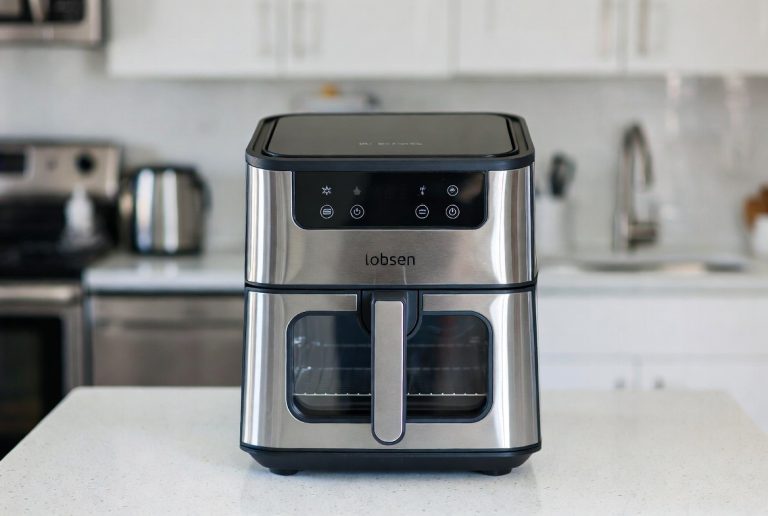
- Transparent windows for monitoring cooking progress
- Cool-touch exteriors for safety
What Digital Models Offer
Digital air fryers pack in additional features designed to enhance your cooking experience:
- Preset cooking programs for specific foods
- LED or touchscreen displays showing temperature, time, and progress
- Automatic shutoff after cooking completes
- Adjustable temperature ranges with precise degree settings
- Digital timers with precise one-minute increments
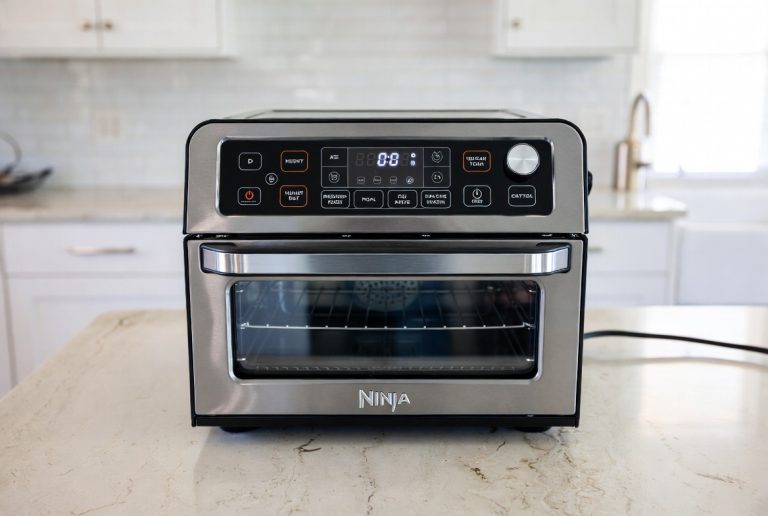
- Some models include air fry, roast, reheat, and dehydrate functions
- Wi-Fi connectivity in premium models
- Recipe guides and cooking suggestions on displays
Noise Levels: A Consideration Nobody Talks About
Here’s something most air fryer reviews overlook: noise. Both manual and digital models produce noise during operation—that’s just inherent to the technology. The loud fan circulates air at high speeds, and that creates sound.
Interestingly, noise levels are fairly comparable between manual and digital models. The noise comes primarily from the fan and heating element, not from the control mechanism. If you’re sensitive to kitchen noise, test the specific model before purchasing, regardless of whether it’s manual or digital.
Safety Features: Protecting Your Family
Standard Safety Features in Both Types
Both manual and digital air fryers include essential safety features:
- Automatic shutoff when the cooking cycle completes
- Cool-touch exteriors that don’t burn your hands
- Non-slip feet to prevent tipping during operation
- Overheat protection to prevent the motor from burning out
- Removable baskets that cool quickly after use
Enhanced Safety in Digital Models
Some digital models include additional safety features like child locks to prevent accidental adjustments during cooking, and some have sensors that prevent operation if the basket isn’t properly seated. These features are convenient, though basic safety protocols work just as well.
Environmental Impact and Energy Efficiency
Air fryers are already more energy-efficient than traditional ovens, using about twenty percent of the energy. Both manual and digital models achieve similar efficiency levels because they use the same heating elements and fan mechanisms.
However, digital models with precise temperature control might have a slight edge in efficiency. By maintaining optimal temperatures without overshooting, they avoid wasting energy on excessive heat.
Who Should Choose a Manual Air Fryer?
A manual air fryer is ideal for you if you:
- Prefer simplicity and straightforward controls
- Want to minimize cost while still getting great cooking results
- Don’t mind manually setting temperature and time each use
- Enjoy having fewer components that could potentially fail
- Have limited counter space and prefer compact appliances
- Value reliability and mechanical simplicity over fancy features
- Are cooking for just yourself or one other person
- Occasionally use an air fryer rather than making it central to your cooking routine
Who Should Choose a Digital Air Fryer?
A digital air fryer makes more sense if you:
- Appreciate convenient preset buttons and automated cooking programs
- Cook frequently and value time-saving features
- Want more precise temperature control and consistent results
- Have a larger family and cook in bigger batches
- Enjoy exploring different cooking functions beyond basic frying
- Don’t mind the additional cost for added convenience
- Like having cooking guides and suggestions displayed on your appliance
- Want the latest kitchen technology
Real-World Usage Scenarios: Making Your Decision Concrete
Scenario One: The Busy Professional
Sarah works long hours and values every minute of her free time. She wants to prepare healthy meals quickly. For her, a digital air fryer makes tremendous sense. She can press the chicken button, attend to other dinner preparations, and have perfectly cooked protein ready in minutes. The preset buttons eliminate decision fatigue after a long workday.
Scenario Two: The Budget-Conscious Student
Jake is a college student with a tight budget who eats in his dorm room. He doesn’t mind taking an extra minute to set temperature and time manually. A manual air fryer costs significantly less and still produces delicious results. He’s happy paying seventy dollars instead of two hundred for a device he uses a few times weekly.
Scenario Three: The Cooking Enthusiast
Maria loves experimenting with recipes and cooking techniques. She uses her air fryer several times daily, preparing different foods. She appreciates that her digital model offers dehydrate, roast, and reheat functions beyond basic air frying. The additional features justify the expense for her frequent, varied use.
Maintenance and Cleaning Comparison
Cleaning is refreshingly similar between manual and digital models. Both have removable baskets that you wash immediately after use to prevent food from hardening. Most baskets are dishwasher safe, making cleanup even easier.
The main difference is that you should avoid submerging the digital control panel in water, though modern digital models are well-protected against moisture. Simply wipe the digital panel with a damp cloth and you’re done.
Neither model requires special descaling, degreasing, or intensive maintenance routines. Basic cleaning after each use keeps both types in excellent working condition for years.
Making Your Final Decision
Choosing between a manual and digital air fryer ultimately comes down to three factors: budget, frequency of use, and how much you value convenience features.
If budget is your primary concern and you use the air fryer occasionally, go manual. If you cook frequently and appreciate automation, invest in digital. If you’re somewhere in between, ask yourself this: would you use those preset buttons regularly enough to justify the extra expense? If yes, digital is worth it. If no, save your money.
Conclusion
Both manual and digital air fryers will cook your food deliciously. Neither is inherently superior—they serve different needs and preferences. Manual models offer simplicity, affordability, and reliability. Digital models provide convenience, precision, and advanced features.
The best choice is the one that aligns with your lifestyle, cooking habits, and budget. Don’t let marketing hype convince you that you need the fanciest digital model with Wi-Fi connectivity if you only air fry once a week. Conversely, don’t force yourself to use a manual model if you cook constantly and would genuinely benefit from preset buttons.
Visit a store and actually look at both types if possible. Feel the dials on a manual model and the buttons on a digital one. Imagine yourself using each type regularly. Trust your gut instinct about which feels right for your kitchen and cooking style. That’s how you’ll end up with an air fryer you actually enjoy using for years to come.
Frequently Asked Questions
Can you use the same recipes in both manual and digital air fryers?
Absolutely. The cooking method is identical regardless of whether you’re using manual or digital controls. A recipe calling for three hundred seventy-five degrees for twelve minutes works perfectly in either model. The only difference is that with digital, you might use a preset button instead of manually setting the temperature and time. You’ll