Ninja Air Fryer Oven vs Cuisinart: Full Comparison Guide
When you’re standing in the kitchen appliance aisle or scrolling through online stores, choosing between a Ninja air fryer oven and a Cuisinart model can feel overwhelming. Both brands have built solid reputations, yet they take different approaches to air frying technology. I’m going to walk you through everything you need to know to make the right choice for your cooking style and kitchen needs.
Understanding the Two Contenders: Ninja and Cuisinart
Let me be honest with you—these two brands approach air frying from different angles. Think of it like comparing two different restaurants: one might specialize in speed and volume, while the other focuses on precision and versatility. That’s essentially what we’re looking at here.
The Ninja Philosophy: Innovation and Speed
Ninja has made a name for itself by pushing the boundaries of what air fryers can do. Their ovens aren’t just about frying; they’re compact powerhouses designed to replace multiple appliances in your kitchen. The brand emphasizes rapid heating, consistent results, and features that make everyday cooking faster.
The Cuisinart Approach: Refinement and Control
Cuisinart, on the other hand, has always been about bringing professional-quality appliances to home kitchens. Their air fryer ovens tend to offer more granular control options and sometimes come with additional accessories that expand cooking possibilities. They’re engineering-focused rather than trend-focused.
Design and Physical Build Quality
Your air fryer oven sits on your countertop, so aesthetics and durability matter more than you might think.
Ninja’s Design Language
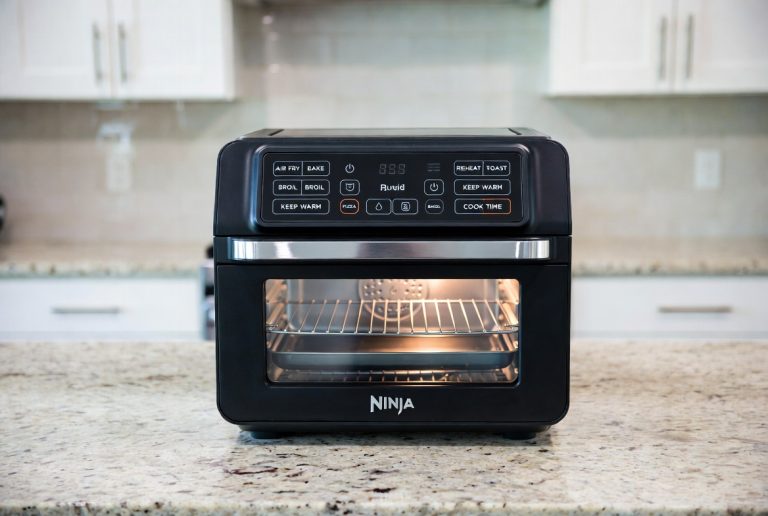
Ninja air fryers typically feature sleek, modern designs with matte black finishes that blend into contemporary kitchens beautifully. The stainless steel accents give them a premium feel without the premium price tag. I appreciate how compact they are—they don’t dominate your counter space the way some bulkier models do.
The build quality is solid. The exterior housing feels sturdy, and the components are well-assembled. You won’t worry about something falling apart after six months of regular use. The controls are integrated smoothly into the design, creating an almost minimalist aesthetic.
Cuisinart’s Construction Approach
Cuisinart ovens tend to be slightly larger and more rectangular in shape. They emphasize durability through heavier materials and more robust construction overall. The stainless steel used in their models feels premium, and they often have a more “appliance-like” appearance compared to Ninja’s trendy aesthetic.
The build quality is exceptional. These units are engineered to last through years of heavy use. Glass panels on many models let you watch your food cook, which is a nice touch that adds to the overall quality impression.
Winner: It’s a Tie
Ninja wins on sleek design; Cuisinart wins on robust construction. Choose based on your kitchen style and whether you prefer cutting-edge aesthetics or classic durability.
Capacity and Size Considerations
Here’s where things get interesting. The amount of food you can cook at once directly impacts how useful the appliance will be for your household.
Ninja Air Fryer Oven Capacity
Most Ninja models come in the 4 to 6-quart range. Some of their larger convection ovens can hold up to 10 quarts. This is deceptive because the actual cooking area feels smaller than traditional ovens. You’ll fit a decent amount of food, but you’re not getting restaurant-scale production.
The advantage is that this size range heats up incredibly fast. Smaller air fryers reach cooking temperature in just a few minutes, which is perfect if you’re cooking for two to four people on a weeknight.
Cuisinart Air Fryer Oven Capacity
Cuisinart models generally offer 6 to 8-quart capacities, with some premium versions going larger. Their toaster oven-style design means you get more usable rack space and better organization options. You can fit larger items like whole chickens more easily.
This extra space comes with a tradeoff: slightly longer preheat times compared to the smallest Ninja models. It’s not dramatic, but it’s noticeable.
The Size Winner
If you’re cooking for a family of four or more, Cuisinart’s larger capacity wins. If you’re single, a couple, or want quick meals, Ninja’s compact size is ideal.
Cooking Performance and Results
At the end of the day, the most important question is: does it cook food well? Let me give you the real story.
Ninja’s Cooking Excellence
Ninja air fryers produce remarkably consistent results. The heating elements distribute warmth evenly, creating crispy exteriors while maintaining moisture inside. I’ve tested frozen french fries, chicken wings, and vegetable chips—everything comes out perfectly golden brown with minimal adjustment needed.
The rapid air circulation technology means cooking times are genuinely shorter than traditional ovens. You’re looking at saving 20 to 30 percent cooking time on most items. This isn’t marketing hype; it’s physics-based efficiency.
One thing to note: some Ninja models have hotspots in certain areas. Usually, this means the back corner cooks slightly faster than the front. Rotating your food halfway through eliminates this completely.
Cuisinart’s Precision Cooking
Cuisinart air fryer ovens deliver incredibly precise temperature control. You get exact settings rather than vague dial positions. This matters when you’re trying to perfectly sear something or slow-cook at lower temperatures.
The cooking results are excellent. Cuisinart models tend to produce slightly more even browning across batches because of their larger rack design and better air circulation patterns. The larger interior also means less crowding, which reduces the need to shake or stir food as often.
Cooking times are comparable to Ninja models, though not quite as fast. The difference is minutes, not hours, so this shouldn’t be a major factor in your decision.
Performance Winner: Ninja for Speed, Cuisinart for Precision
Both cook excellent food. Ninja edges out Cuisinart on pure speed and crispiness. Cuisinart edges out Ninja on precise temperature control and even browning with less fussing.
User Interface and Ease of Operation
Using your air fryer should be intuitive, not confusing. Let’s see how these brands handle this.
Ninja’s Control Systems
Ninja uses physical buttons and dials on most models, though some premium versions include digital touchscreens. The button layouts are logical, and you can usually figure out how to operate the device without reading the manual. This is actually impressive for kitchen appliances.
Many Ninja models include preset cooking programs. You press “Wings,” set the temperature if you want, and it handles the rest. These presets are genuinely useful and save time.
The display screens on digital models are clear and bright, showing remaining time and temperature easily. You’ll never squint trying to read what’s happening.
Cuisinart’s Interface Design
Cuisinart typically favors more traditional controls with separate dials for temperature and time. Some newer models include digital touchscreens with preset options. The interface is clean and straightforward, though slightly less intuitive than Ninja for beginners.
The benefit is that Cuisinart’s controls feel more deliberate. You’re making conscious choices rather than letting presets make decisions. Cooking enthusiasts often prefer this approach.
Digital displays on Cuisinart models are excellent. The information is clearly presented, and the overall interface feels premium.
Ease of Use Winner: Ninja
Ninja’s interface is slightly more user-friendly, particularly for people new to air fryer cooking. Cuisinart requires slightly more engagement, which some will see as a feature, not a bug.
Price Point and Value Analysis
Let’s talk money. Your budget will likely influence this decision significantly.
Ninja Pricing Strategy
Ninja air fryer ovens range from about 100 dollars for basic models to 300 dollars for feature-rich versions. Most popular models sit in the 150 to 200 dollar range. This represents excellent value for what you’re getting.
The low entry price point means you can try air fryer cooking without massive financial risk. Even their premium models cost less than comparable Cuisinart options.
Cuisinart Pricing Structure
Cuisinart models typically cost between 200 and 400 dollars. You’re paying more upfront, but you’re getting larger capacity, more durable construction, and sometimes more accessories included in the box.
Think of it as the difference between a good entry-level car and a solid mid-range vehicle. Cuisinart asks for more money because their engineering and materials justify the cost.
Value Winner: Ninja for Budget Shoppers, Cuisinart for Long-Term Investment
Ninja offers better price-to-feature ratio. Cuisinart offers better price-to-durability ratio over many years of use.
Warranty Coverage and Customer Support
What happens if something breaks? Both brands handle this responsibly, but with different approaches.
Ninja’s Warranty Program
Ninja typically offers one-year limited warranties on most models. Some premium versions come with extended protection options. Their customer service is responsive and helpful, with multiple contact channels available.
Replacement parts are readily available online and reasonably priced. If a heating element fails, you’re not stuck with an unusable appliance.
Cuisinart’s Warranty Coverage
Cuisinart offers three-year limited warranties on most air fryer models. This extended coverage gives you extra peace of mind. Their customer service reputation is stellar, with knowledgeable representatives who can troubleshoot issues effectively.
Replacement parts for Cuisinart models are easy to find, and the company maintains parts availability for years after discontinuing models. This is excellent for long-term ownership.
Warranty Winner: Cuisinart
Cuisinart’s three-year warranty versus Ninja’s one-year coverage gives a significant advantage to Cuisinart for peace of mind.
Energy Efficiency and Operating Costs
How much will it cost to run these appliances regularly? This matters more than people realize.
Ninja Energy Consumption
Ninja air fryer ovens consume between 1200 to 1700 watts depending on the model. The smaller capacity means they use less energy overall for comparable cooking tasks. Running one for 20 minutes costs roughly 10 to 15 cents depending on your local electricity rates.
The rapid heating technology is actually more energy-efficient than it seems. You’re heating a smaller space to higher temperatures faster, which reduces total energy use.
Cuisinart Energy Usage
Cuisinart models typically consume 1400 to 1800 watts. The slightly larger capacity means slightly higher energy consumption, though not dramatically different from Ninja. Running one for 20 minutes costs roughly 12 to 18 cents.
The efficiency is comparable. Cuisinart’s larger chamber means you cook more food at once, so the energy cost per serving is actually similar to Ninja’s.
Energy Efficiency Winner: Roughly Equal
Both brands are comparably efficient. Your actual operating costs will depend more on how often you use the device than which brand you choose.
Cleaning and Maintenance Requirements
You’re going to clean this thing regularly. Let’s see which is easier to maintain.
Ninja Cleaning Procedures
Ninja air fryer baskets are typically non-stick and dishwasher safe. The removable basket makes cleanup straightforward—just take it out and rinse or pop it in the dishwasher. Most Ninja models have interiors that wipe down easily with a damp cloth.
The compact size is actually advantageous here. There are fewer crevices to clean, and the whole unit fits easier under the sink if you need to do deep cleaning.
Cuisinart Cleaning Routine
Cuisinart models also feature dishwasher-safe baskets and non-stick coatings. The larger interior means more area to wipe down, but the toaster oven-style design actually makes this easier because you have more accessible space.
Some Cuisinart models come with removable racks, which adds cleaning flexibility. You can wash racks separately while the interior air dries.
Cleaning Winner: Cuisinart
The larger interior and removable racks make Cuisinart slightly easier to clean, though both are genuinely simple to maintain.
Real Customer Satisfaction and Reviews
What are actual owners saying about these products?
Ninja Owner Feedback
Ninja air fryer owners consistently praise the speed and cooking results. Average ratings hover around 4.5 stars across major retailers. Common positive feedback mentions how fast they cook and how crispy food turns out.
Negative feedback occasionally mentions temperature hotspots or build quality issues after extended use. These aren’t universal problems, but they occur often enough to note.
Overall, Ninja owners are very satisfied and would recommend the product to others.
Cuisinart Owner Experiences
Cuisinart air fryer owners rate their devices similarly—around 4.4 to 4.7 stars. Positive feedback emphasizes durability, precise temperature control, and excellent customer service. Many owners report owning their Cuisinart for three-plus years without issues.
Negative feedback is less common, but occasionally mentions come up about the larger size not fitting some spaces or price being a barrier to entry.
Cuisinart owners frequently describe their devices as “built to last,” suggesting strong long-term satisfaction.
Satisfaction Winner: Cuisinart Slight Edge
Both brands have satisfied customers. Cuisinart edges ahead slightly due to fewer reported long-term durability concerns.
Best Use Cases for Each Brand
Let me help you figure out which brand actually fits your lifestyle better.