Front Load Washers Explained: What You Need to Know
A front load washer is a type of washing machine where you load clothes through a door on the front of the machine. Unlike older top-loading models, the drum spins horizontally. This design often leads to more efficient cleaning and uses less water. They’re a popular choice for many households today.
These washers are known for their gentle handling of fabrics and their ability to clean clothes thoroughly. Many models offer advanced features and cycles tailored to different types of laundry. They typically provide better energy efficiency than traditional machines.
- Front load washers load from the front.
- They clean clothes using a tumbling action.
- Generally, they use less water and energy.
- They are often gentler on your clothes.
- Many have advanced cleaning cycles.
Let’s walk through exactly what makes a front load washer tick and what you should consider when looking for one.
“`htmlUnderstanding Front Load Washing Machines
So, you’re curious about front load washers, huh? These machines have become incredibly popular, and for good reason! Unlike the traditional top-loaders you might remember from your childhood, front loaders tumble your clothes rather than agitate them. This means the drum spins horizontally, and you add your laundry through a door on the front of the machine. It’s a different approach to getting your clothes clean.
How Front Loaders Work: The Tumbling Action
The core of a front load washer is its horizontal drum. When you start a cycle, this drum rotates. Your clothes are lifted up by baffles (those little fins inside the drum) and then dropped back down into the water and detergent. This tumbling motion is surprisingly effective at loosening dirt and grime. Think of it like a gentle massage for your clothes. Many experts point out this method is kinder to fabrics than the more aggressive agitation of older top-loaders (Consumer Reports).
Because the drum spins horizontally, gravity plays a role in how the clothes move. This action helps to thoroughly saturate your garments with water and soap. It also means that the machine doesn’t need to be completely filled with water to get clothes clean. This is a key reason why they are so much more water-efficient than many other types of washing machines.
Key Benefits of Choosing a Front Load Washer
Superior Cleaning Performance
Research and found that the tumbling action of front loaders often results in a deeper clean. The consistent movement helps detergent penetrate fabrics more effectively. This can be a real game-changer for tough stains and heavily soiled items. You might find you need fewer pre-treatment steps for many common laundry challenges.
Gentle on Your Wardrobe
We all have favorite clothes we want to last. The tumbling action is much less abrasive on your garments. This means less stretching, snagging, and wear and tear over time. If you’re investing in quality clothing, a front loader can help preserve its life. It’s like treating your delicate sweaters with the care they deserve.
Water and Energy Efficiency
This is a big one for many households. Front load washers use significantly less water per load. Some studies indicate they can use up to 40% less water than traditional top-loaders (U.S. Department of Energy). They also tend to use less energy because they heat less water during a cycle. This can lead to noticeable savings on your utility bills over time. Who doesn’t love saving a few bucks?
Higher Spin Speeds Mean Faster Drying
Front loaders are designed to spin much faster than top-loaders. This high-speed spin extracts more water from your clothes. The result? Your laundry comes out noticeably drier. This means your dryer won’t have to work as hard, cutting down on drying time and saving even more energy. Some models can reach spin speeds of over 1,000 RPMs!
Space-Saving and Stackable Designs
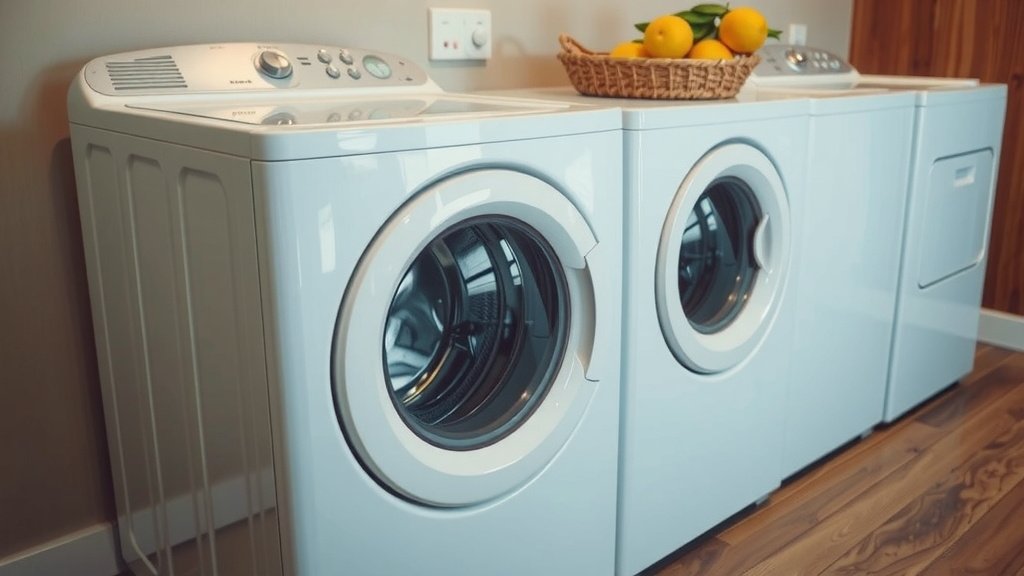
Many front load washers boast sleek, compact designs. They often fit well in smaller laundry rooms or closets. Even better, most front loaders are designed to be stackable. This means you can place a dryer directly on top of the washer, freeing up valuable floor space. This is a fantastic solution if you’re working with limited square footage.
What to Look For in a Front Load Washer
When you’re ready to buy, there are a few features that can make your laundry experience even better. Think about what’s most important for your household’s needs. Do you have a large family, or are you typically washing just a few items?
Capacity Matters
Washers come in various capacities, measured in cubic feet. A larger capacity means you can wash more clothes at once, reducing the number of loads. For a small household, a 3.5 to 4.0 cubic foot model might be perfect. Larger families may want to look at 4.5 cubic feet or more. Always check the dimensions to ensure it fits your laundry space!
Smart Features and Advanced Cycles
Modern front loaders offer a range of sophisticated features. Look for specific wash cycles tailored to different fabrics, like delicates, bedding, or athletic wear. Many models include steam cycles for sanitizing and wrinkle reduction. Some even offer smart technology, allowing you to control your washer remotely via a smartphone app. Imagine starting a load from your office!
Noise and Vibration Reduction
The high spin speeds can sometimes lead to noise and vibration. If your laundry area is close to living spaces, look for models with advanced vibration reduction systems. Manufacturers often use improved suspension and motor technologies to keep things quiet. Reading reviews can give you a good idea of how noisy a specific model tends to be.
Ease of Use and Maintenance
Consider the control panel. Is it intuitive and easy to navigate? You’ll also want to look for features that make maintenance simple. Front loaders require occasional cleaning of the door seal and detergent dispenser to prevent mold and mildew. Some models have self-cleaning cycles that can help with this.
Understanding the Control Panel and Cycles
The array of buttons and dials on a front load washer might seem a bit overwhelming at first. However, most are designed to be quite straightforward. You’ll typically find:
- A dial or buttons to select the wash cycle (e.g., Normal, Delicates, Heavy Duty).
- Temperature controls (Hot, Warm, Cold).
- Spin speed settings.
- Soil level adjustments.
- Special options like Extra Rinse, Pre-wash, or Steam.
Take a moment to familiarize yourself with the common cycles. Understanding what each one does will help you get the best results for your laundry. Don’t be afraid to experiment a little!
A Quick Checklist for Your Front Load Washer Purchase
Here’s a quick rundown to help you when you’re shopping:
- Check the capacity to match your household size.
- Look for energy efficiency ratings (like ENERGY STAR).
- Consider the spin speed for faster drying.
- Read reviews for noise and vibration levels.
- Evaluate specialized wash cycles you might need.
- Ensure it fits your available space, including height if you plan to stack.
Conclusion
You’ve learned that front load washers offer a smarter way to do laundry. Their tumbling action provides a superior clean while being remarkably gentle on your clothes. You also saw how their water and energy efficiency can save you money. Plus, their stackable design is a huge space-saver for many homes. Now that you’re armed with this knowledge, it’s time to consider what features matter most for your household. Your next step is to visit a store or browse online, comparing models based on capacity, special cycles, and noise levels to find the perfect front load washer for your needs.
Frequently Asked Questions
Do front load washers actually clean better than top loaders?
Yes, many studies and consumer reports suggest front load washers often provide a deeper clean. Their tumbling action effectively loosens dirt and allows detergent to penetrate fabrics more thoroughly compared to the agitation of many top-loaders.
Are front load washers more expensive to buy?
Typically, front load washers have a higher upfront purchase price than basic top-loading models. However, their long-term savings on water and energy can offset this initial cost over time.
How do I prevent mold or mildew in my front load washer?
Regular maintenance is key. You should wipe down the door seal and detergent dispenser after each use and leave the door ajar between washes. Many models also offer a self-cleaning cycle that helps keep things fresh.
Can I add clothes mid-cycle to a front load washer?
Most front load washers do not allow you to add clothes once the cycle has started, especially after the initial fill. This is because the door is securely locked for safety and to prevent water from escaping. Some newer models may have a small pause-and-add feature for the first few minutes of a cycle.
What is the average lifespan of a front load washer?
With proper care and maintenance, a front load washer can last between 10 to 15 years. Factors like usage frequency, load size, and adherence to manufacturer recommendations for cleaning and upkeep will influence its lifespan.

![7 Best Washer Dryers For Small Spaces [In 2026]](https://homeunderstandable.com/wp-content/uploads/2026/08/7-best-washer-dryers-for-small-spaces-in-2026-featured-768x432.jpg)
![7 Best Washer And Dryer Combinations [In 2026]](https://homeunderstandable.com/wp-content/uploads/2026/09/7-best-washer-and-dryer-combinations-in-2026-featured-768x432.jpg)