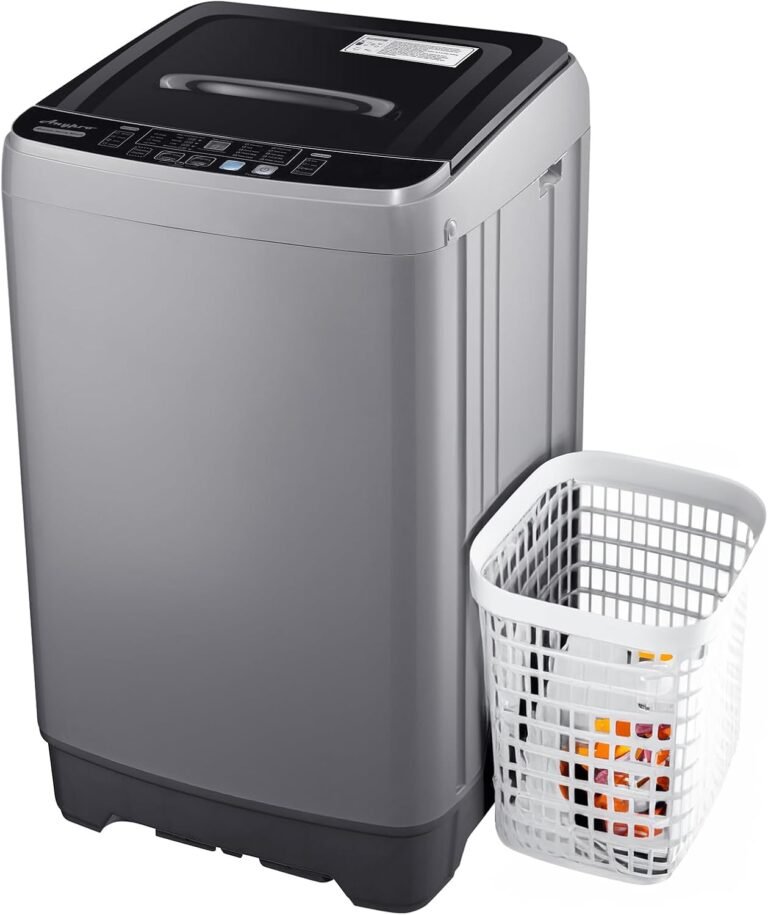
What Is a Condenser Clothes Dryer and How Does It Work?
A condenser clothes dryer is a type of tumble dryer that removes moisture from your laundry without needing an exterior vent or hose. Instead of pushing hot, damp air outside, it uses a closed-loop system that cools the air, collects the water in a built-in tank, and then reheats it to continue drying your clothes. This design makes it a highly flexible and popular choice for apartments, condos, and homes where traditional venting isn’t possible.
Unlike a standard vented dryer, a condenser model gives you the freedom to place your laundry machine almost anywhere there’s an electrical outlet. You won’t have to worry about cutting a hole in your wall or running a long duct to the outside. We found that this convenience is the main reason many people switch, but it comes with a few trade-offs like longer drying times and the need to regularly empty the water tank. We’ll walk you through how it works, its pros and cons, and the key things you should know before buying one.
- What it is: It’s a ventless dryer that collects moisture in a water tank.
- How it works: It recycles hot air, cools it to extract water, then heats it again.
- Main benefit: You can install it anywhere without needing outside vent access.
- Key difference: They typically take longer to dry clothes compared to vented dryers.
- Main maintenance: You must empty the water reservoir and clean the lint filter regularly.
Below, let’s break down exactly how a condenser dryer operates and help you decide if it’s the right fit for your laundry routine and living space.
Understanding How Condenser Dryers Work
A condenser dryer is basically a smart little rainmaker. It pulls in the air from your room, heats it up, and sends it tumbling through your wet clothes. When the air picks up all that moisture, it doesn’t blow it outside—it moves it through a cooling chamber instead.
That cooling step makes the moisture turn from vapor back into liquid water. The water collects in a tank you empty, and the now-dry air gets reheated for another pass. This loop repeats until your load is done. Many experts point to this recirculating design as a clever way to avoid exterior venting (Energy Star).
The Core Components You Should Know
Every condenser dryer packs a few main parts that do the heavy lifting. You don’t need to be a repair technician, but knowing these helps you pick a good machine and troubleshoot later.
- Heating element: Warms up the air to soak up moisture from fabrics.
- Drum: Tumbles your clothes so air reaches every fold.
- Heat exchanger or cooling fins: This is what turns hot, humid air back into water.
- Water reservoir: A removable bin that collects the extracted moisture.
- Lint filters: Traps fuzz and debris before air recirculates.
What Happens Inside During a Cycle
Let’s follow one bit of air on its journey. It starts by getting heated up quickly. Then it passes over your spinning clothes and grabs moisture like a thirsty sponge. The humid air then hits the cooling section, where the water condenses out. After that, the dry air gets reused instead of dumped outside. This is the whole trick behind a condenser system.
One thing we found that surprises people: the air doesn’t come fresh from outside. It uses the same indoor air over and over. That keeps your room warm and moisture inside, so you might notice the laundry area feels a little toastier than with a vented dryer.
Why a Condenser Dryer Makes Sense for Your Space
The biggest plus is flexibility. You read that right—no vent means you can place the dryer in a closet, a hallway, or a kitchen corner if you have the electrical setup. For people in urban apartments or older homes, this often turns a “no dryer” situation into a “yes dryer” one.
We found that renters especially love this feature. Since you don’t cut holes or install permanent ductwork, you can unplug the machine and take it with you when you move. That kind of portability rarely exists with traditional dryers.
Comparing Condenser vs. Vented Dryers
Choosing between these two really comes down to your home setup. To help you weigh your options, we put together a quick comparison below.
| Feature | Condenser Dryer | Vented Dryer |
|---|---|---|
| Installation | No outside vent needed | Requires duct to exterior |
| Placement flexibility | Anywhere with an outlet | Limited to wall access |
| Drying time | Slower, often 30-50% longer | Faster cycles |
| Energy use | Usually higher | More efficient per load |
| Maintenance | Empty water tank regularly | Clean vent ducts annually |
| Moisture in room | Stays indoors | Pushed outside |
That table isn’t the whole story, though. You also need to think about climate. If you live somewhere that already has high humidity, condenser dryers can make your space feel damp. A vented dryer solves that problem by pushing moisture out.
Condenser Dryers vs. Heat Pump Dryers
Many people get these two mixed up. Both are ventless, but they use different technologies. A standard condenser dryer uses a heating element to warm air. A heat pump dryer reuses the heat more cleverly, which cuts energy use by about half.
If your budget allows, heat pump models are often the better long-term bet. They cost more upfront but save on monthly utility bills. Some guidelines from the U.S. Department of Energy suggest heat pump dryers are the most efficient variety you can buy. However, they also run at lower temperatures, so they take even longer than regular condensers.
Real-World Pros and Cons to Consider
No appliance is perfect, and condenser dryers have some trade-offs worth knowing. Let’s break down what you gain and what you give up.
The Good Stuff: Why People Love Them
- No bulky vent hose or roof cap required.
- Safe for spaces where venting is impossible.
- Great for all-in-one washer-dryer combos.
- Gentler on clothes since they often run at lower heat.
- No risk of birds or pests nesting in your vent.
- Perfect for condos with strict HOA rules.
The Catch: What You Should Expect
First, drying takes longer. We found that a typical load can take 60 to 120 minutes, depending on fabric thickness and moisture level. That’s a real time investment if you’re used to a fast vented cycle.
Second, you must remember to empty the water tank. Forgetting means the dryer stops mid-cycle. Many newer models have an indicator light, but it’s still one more step in your routine. If you’re someone who hates extra chores, this could get old fast.
Third, there’s the energy bill. Since these dryers work harder and longer, your electricity costs will likely go up compared to a vented dryer. Not a dealbreaker for many, but definitely something to budget for.
Essential Maintenance Checklist for Your Condenser Dryer
Taking care of a condenser dryer isn’t hard, but it does require consistency. We put together a simple routine that keeps your machine running smoothly and your clothes coming out fresh.
- Empty the water tank after every single load or when the indicator lights up.
- Clean the lint filter before each use, just like you would with a regular dryer.
- Rinse the heat exchanger once a month or whenever you see a drop in drying performance.
- Wipe the drum interior occasionally to remove fabric softener residue.
- Check the door seal for lint buildup or small tears.
- Vacuum the condenser unit every few months if it’s accessible.
Sticking to this list helps prevent long dry times and funky smells. Most users research and found that a clean condenser dryer works noticeably faster and uses less energy than a neglected one.
The Best Use Cases for Condenser Dryers
These machines really shine in specific living situations. If you’re in a city apartment without exterior wall access, you basically have no other choice for a tumble dryer. Same goes for older homes where retrofitting a vent is too expensive.
We also see them as a smart pick for people who move often. Since installation is just a plug-in, you’re not leaving any trace behind. Some RVs and tiny homes also use these because of their compact design.
When You Might Want to Skip One
If you have a big family and do tons of laundry, the slower cycle times might frustrate you. Vented dryers simply finish faster. Also, if someone in your home is very sensitive to heat and humidity, the extra moisture in the air could be uncomfortable. In that case, a vented dryer or a heat pump model with better moisture management might be a better match.
Combined Washer-Dryer Units: A Quick Note
Many condenser systems come stacked inside a single all-in-one appliance. These are called washer-dryer combos, and they solve space problems beautifully. Keep in mind, though, that you can’t wash and dry at the same time. You also get smaller drying capacity than the wash side. So, you will need to take half the load out, dry it, and then dry the other half.
That trade-off works for solo dwellers or couples. But for families, we found it might slow down laundry day too much.
Energy Usage and Efficiency Facts
Let’s talk numbers without getting too deep in the weeds. A standard condenser dryer uses more energy than a vented dryer per load. Some research sources note that they can use roughly 10 to 15 percent more electricity. Heat pump models flip that, using up to 50 percent less than conventional dryers.
So, if you’re trying to go green, a heat pump condenser is the way to go. If you just want a simple way to dry clothes in a ventless space, a regular condenser still works fine.
You should also look for the Energy Star label when shopping. It doesn’t guarantee the fastest drying, but it does mean the unit meets efficiency guidelines set by the Environmental Protection Agency.
Cost Factors You Need to Know
Price tags for condenser dryers vary a lot. Budget-friendly standalone models start around $600. High-end heat pump dryers can go over $1,500. Installation costs are usually low because there’s no venting to add.
But don’t just look at the sticker price. Think about your monthly utility bill and how long you plan to keep the machine. A pricier heat pump dryer pays for itself in energy savings over several years. We recommend calculating your estimated yearly cost using the Energy Guide label before you decide.
Choosing Between a Ventless and Vented System
We hope you now see that neither type is universally better. The right answer depends on your home layout, your budget, and how much time you’re willing to spend on laundry.
Ask yourself a few simple questions. Do you own your place and can you add a vent? Then a vented dryer might save you money and time. Are you renting or lacking exterior wall options? Then a condenser dryer is your best friend.
Your lifestyle matters too. If you do laundry in small, frequent batches, slower drying isn’t a big issue. If you marathon-laundry once a week, the extended time can feel painful.
Final Thoughts Before You Hit Buy
Condenser clothes dryers solve a real problem for a lot of people. They pack all the features of a standard dryer into a package that fits anywhere. You give up some speed and efficiency, but you gain freedom in placement.
Before you make a move, check your laundry room’s power supply. These dryers typically need a 240-volt outlet in the US. If you only have a standard 120-volt plug, you’ll need an electrician or a 120-volt model that dries even slower.
Also, think about the water tank size. You’ll be emptying it often, so look for one with a larger reservoir and a clear indicator. Many experts say these small details matter more than you’d think after a few weeks of use.
If you’re still unsure, renters can test a portable condenser unit without a big commitment. Many users research and found that trying one in their actual home clears up any hesitation fast.
At the end of the day, a condenser dryer is a practical, flexible solution. If ventless drying is what your space demands, it’s the right call. Just keep your expectations realistic about timing and maintenance, and you’ll be happy with the result.
Conclusion
You now know exactly what a condenser clothes dryer is and why it might be the perfect fit for your home. It trades faster drying for total placement freedom. You get a ventless machine that works in apartments, condos, and any room with an outlet.
The key is remembering the maintenance. Empty that water tank and clean the lint filter. Skip those steps and you’ll deal with slower cycles and damp laundry.
We suggest you start by measuring your space and checking your outlet type. Then pick a model with a large water reservoir and a clear indicator light. This small step makes daily use much easier. You’ll thank yourself after the first week.
Frequently Asked Questions
Can a condenser dryer be placed in a closet?
Yes, you can put one in a closet. You just need proper airflow and an electrical outlet nearby. This ventless design doesn’t need outside wall access.
Leave a little breathing room around the machine so air can circulate. This helps with efficiency and keeps the area from getting too stuffy.
How long does a condenser dryer take to dry a full load?
Expect anywhere from 60 to 120 minutes for a typical load. Heavy items like towels and jeans take longer to shed moisture.
You can speed things up by using a higher spin speed on your washing machine. This removes more water before the dryer even starts working.
Do condenser dryers need special electrical outlets?
Most full-size condenser dryers need a 240-volt outlet in the US. This is the same heavy-duty outlet used by your electric range or a standard vented dryer.
Some compact or portable models run on a regular 120-volt plug. Keep in mind these smaller units dry much slower, especially with bigger loads.
What is the best way to clean a condenser dryer’s heat exchanger?
Most models let you access the heat exchanger from a lower front panel. You can rinse it under warm water in your sink or shower.
We suggest doing this once a month or whenever your drying times get noticeably longer. A clean heat exchanger works two to three times better at pulling moisture out of clothes.
Can you use dryer sheets with a condenser dryer?
You can, but they aren’t the best choice for this type of dryer. Fabric softener sheets can leave a waxy film on the heat exchanger over time.
That film reduces how well the machine collects water. If you use them anyway, you’ll need to clean the heat exchanger more often to keep performance steady.