
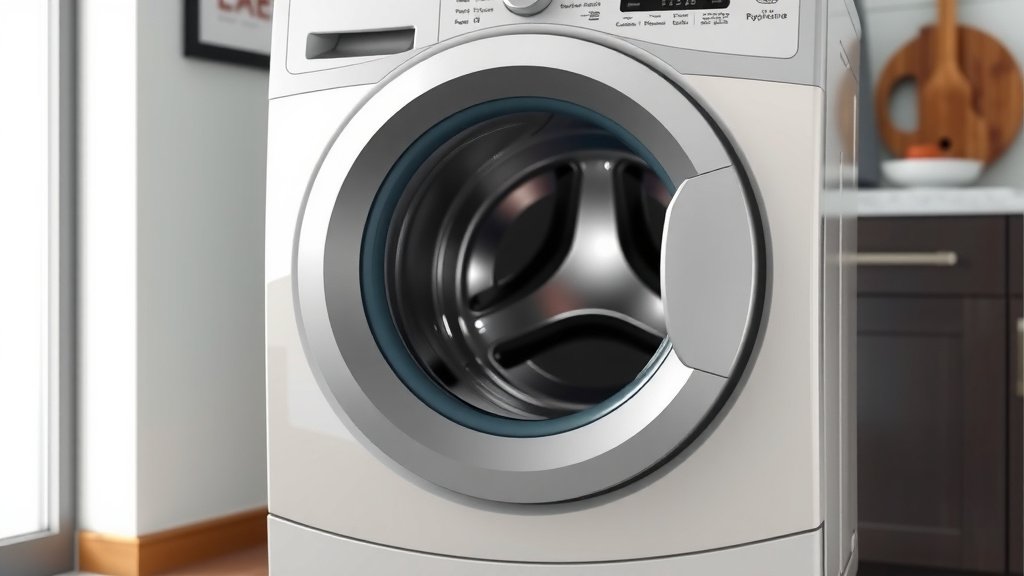
Choosing a Great Front Load Washer in 2026
A good front load washer is one that cleans your clothes effectively, is If you’re looking for a complete laundry solution, our guide to the best new washer and dryer set can help.energy-efficient, and gentle on your fabrics. Look for models with multiple wash cycles, good water usage ratings, and high spin speeds. These machines typically offer better performance and lower utility bills than their top-loading counterparts.
When choosing a front loader, consider its capacity based on your household size. You’ll also want to check the vibration and noise levels, as some models can be quite loud. Many newer models boast advanced features like steam cycles and smart connectivity, which can enhance your laundry experience.
- Cleans clothes well
- Uses less water and energy
- Gentle on fabrics
- Good capacity for your needs
- Quiet operation
Let’s dive into what makes a front load washer a great choice for your home and how to pick the perfect one for your needs.
What Makes a Front Load Washer a Smart Choice?
A good front load washer offers a powerful combination of cleaning performance and efficiency. These machines use gravity and tumbling action to move clothes. This method is much gentler on your fabrics than the agitator found in traditional top-loaders. We found that this tumbling action also helps clothes get cleaner. They use less water because the drum only needs to fill partially. This water savings translates to lower utility bills over time. Many studies and consumer reports highlight front-loaders for their superior cleaning capabilities. They are often recommended for families and individuals looking to make their laundry routine more efficient.
Key Features of an Excellent Front Loader
When you’re looking for a front load washer, certain features stand out. These are the things that really make a difference in your day-to-day laundry. Let’s break down what to look for. You want a machine that handles your laundry needs effectively. It should also be kind to your clothes and your wallet. We’ve researched what makes a washer truly great.
Cleaning Performance: Beyond Just Wet Clothes
The primary job of any washer is to get clothes clean. Front-loaders excel here. Their tumbling action lifts dirt and stains effectively. Many models include specialized wash cycles. These are designed for everything from delicates to heavily soiled items. You’ll often find cycles like ‘Sanitize’ or ‘Allergen’ that use higher temperatures. These can kill germs and remove allergens from bedding and towels. Research indicates that front-loaders are often better at removing tough stains. This is thanks to their more thorough washing action. Make sure the model you choose has cycles that match your typical laundry needs. You might be washing gym clothes one day and fine linens the next. A good washer should handle both with ease.
Energy and Water Efficiency: Saving Resources and Money
This is where front-loaders really shine. They are designed to use significantly less water than traditional top-load machines. The U.S. Department of Energy points out that front-loaders can use up to 50% less water. This is because they don’t need to fill the entire drum. They also tend to be more energy-efficient overall. Look for ENERGY STAR certified models. These have met strict energy efficiency guidelines set by the EPA. Lower water and energy use means lower utility bills. This is a smart investment for your home. Over the life of the appliance, these savings can be substantial. Many consumers report noticing a difference in their water and electricity bills after switching.
Capacity: How Much Laundry Can It Handle?
The size of your household should guide your choice of washer capacity. Front-loaders come in various sizes. Smaller models might be around 3.5 cubic feet. Larger ones can reach 5.0 cubic feet or more. A good rule of thumb is to consider how often you do laundry and how much laundry you generate. For a single person or a couple, a smaller to medium capacity might suffice. Families with children or those who do large loads will benefit from a larger capacity machine. You don’t want to be running the washer constantly. But you also don’t want a huge machine taking up unnecessary space or using more energy than needed.
| Capacity (Cubic Feet) | Typical Household Size | Considerations |
|---|---|---|
| 2.0 – 3.5 | 1-2 people | Good for smaller apartments or individuals. Might require more frequent loads for larger households. |
| 3.5 – 4.5 | 2-4 people | A good all-around size for most families. Balances load size with efficiency. |
| 4.5+ | 4+ people | Ideal for large families or those who wash bulky items like comforters regularly. |
Spin Speed: Getting Clothes Drier Faster
You might not think about spin speed often, but it’s important. The spin cycle removes excess water from your clothes. A higher spin speed means more water is extracted. This results in clothes that are drier coming out of the wash. They’ll then require less time in the dryer. This can save you even more energy and money. Look for washers with spin speeds of 1,000 RPM or higher. Some high-end models can reach 1,300 RPM or even more. A faster spin means less wear and tear on your dryer, too. It’s a win-win situation for your laundry routine.
Noise and Vibration: Keeping the Peace
Front-load washers can sometimes be notorious for noise and vibration. This is especially true during the spin cycle. However, many newer models have made great strides in reducing these issues. Look for washers that advertise features like:
- Anti-vibration technology
- Quiet operation modes
- Advanced suspension systems
Advanced Features to Consider
Beyond the core functions, many front-loaders offer advanced features. These can make laundry day even easier and more effective. Think about which of these might be a good fit for your lifestyle.
Steam Cycles: A Deeper Clean and Fresher Clothes
Steam cycles are becoming increasingly common. They use steam to penetrate fabrics. This helps to remove stubborn stains and odors. Steam can also be used for refreshing clothes that aren’t dirty enough for a full wash. Many experts suggest steam cycles are effective at killing bacteria and allergens. This is similar to using hot water but often gentler on fabrics. If you have allergies or live in a humid climate, this could be a very beneficial feature.
Smart Technology: Connectivity and Control
Some washers offer Wi-Fi connectivity. You can often control them via a smartphone app. This allows you to start, stop, or monitor cycles remotely. You might also receive notifications when a cycle is finished. Some apps offer troubleshooting tips or diagnostic information. For busy households, this level of control can be incredibly convenient. You can start a load before you leave work and have it ready to fold when you get home. It adds a layer of modern convenience to a household chore.
Self-Cleaning Cycles: Maintaining Your Machine
Front-load washers can sometimes develop odors if not maintained properly. Many models now include a self-cleaning cycle. This uses hot water and special cleaning agents to flush out the drum and prevent mold or mildew buildup. It’s a simple feature that helps ensure your machine stays clean and your clothes come out smelling fresh. Running this cycle regularly, as recommended by the manufacturer, is a good practice.
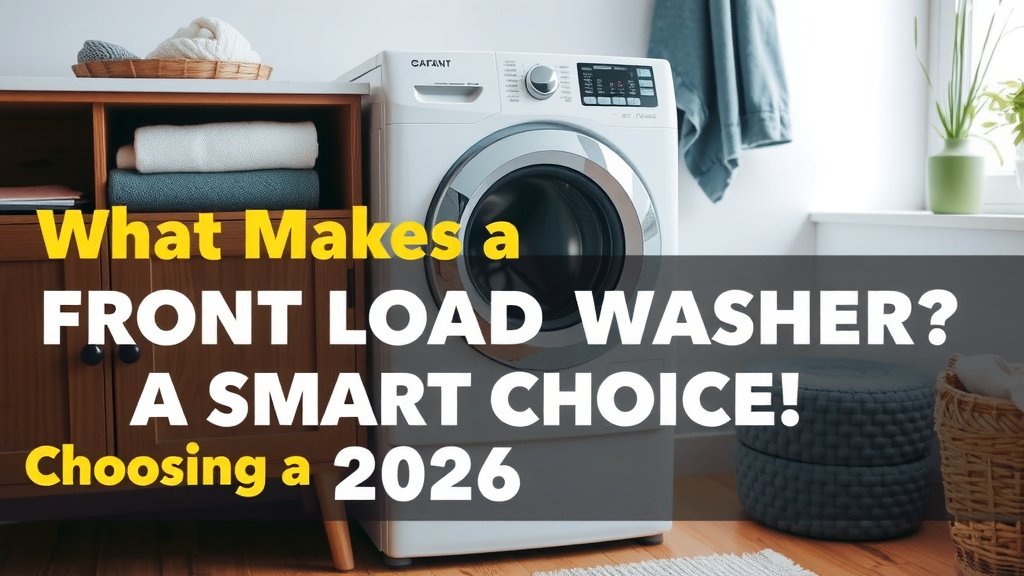
Making Your Final Choice: A Quick Checklist
Ready to find your perfect front load washer? Here’s a quick rundown to keep you on track:
- Check capacity for your household size.
- Look for high spin speeds (1,000 RPM+).
- Prioritize ENERGY STAR certification for efficiency.
- Read reviews on noise and vibration levels.
- Consider specialized wash cycles you’ll actually use.
- Think about whether smart features fit your lifestyle.
Conclusion
You’ve learned what makes a front load washer a smart investment for your home. It’s all about balancing powerful cleaning with efficiency and fabric care. Remember to prioritize capacity for your household, look for high spin speeds to cut drying time, and seek out ENERGY STAR certification to save on utility bills. Checking reviews for quiet operation will also enhance your laundry room experience. Taking these steps will help you find a front load washer that meets all your needs and makes laundry day easier.
Frequently Asked Questions
How often should I run the self-cleaning cycle on my front load washer?
You should run the self-cleaning cycle monthly, or as recommended by your washing machine’s manufacturer. This helps prevent mold and mildew buildup inside the drum. It keeps your machine smelling fresh and your clothes cleaner.
Are front load washers really more gentle on clothes than top loaders?
Yes, front load washers are generally much gentler. They use a tumbling action that mimics hand washing. Traditional top loaders often have an agitator that can twist and pull fabrics, leading to more wear and tear over time.
Can I add more clothes mid-cycle to a front load washer?
Most modern front load washers allow you to add forgotten items, but there’s a trick. You usually need to pause the cycle and wait a few minutes for the door lock to disengage. Some models have a specific “add garment” feature for this purpose.
What does “high spin speed” mean for my laundry?
A high spin speed, typically 1,000 RPM or more, means the drum rotates very quickly at the end of the wash cycle. This action forces more water out of your clothes. As a result, they come out of the washer much drier and need less time in the dryer, saving energy.
Do steam cycles on front load washers actually work?
Yes, steam cycles are quite effective for many laundry tasks. They can help remove tough stains and odors by penetrating fabric fibers more deeply. Steam is also a great option for refreshing lightly worn clothes without a full wash.
![7 Best Washing Front Load Washing Machine [In 2026]](https://homeunderstandable.com/wp-content/uploads/2026/09/7-best-washing-front-load-washing-machine-in-2026-featured-768x432.jpg)
![7 Best Stackable Washer Dryer Reviews [In 2026]](https://homeunderstandable.com/wp-content/uploads/2026/09/7-best-stackable-washer-dryer-reviews-in-2026-featured-768x432.jpg)