What Is a Heat Pump Clothes Dryer and How It Works
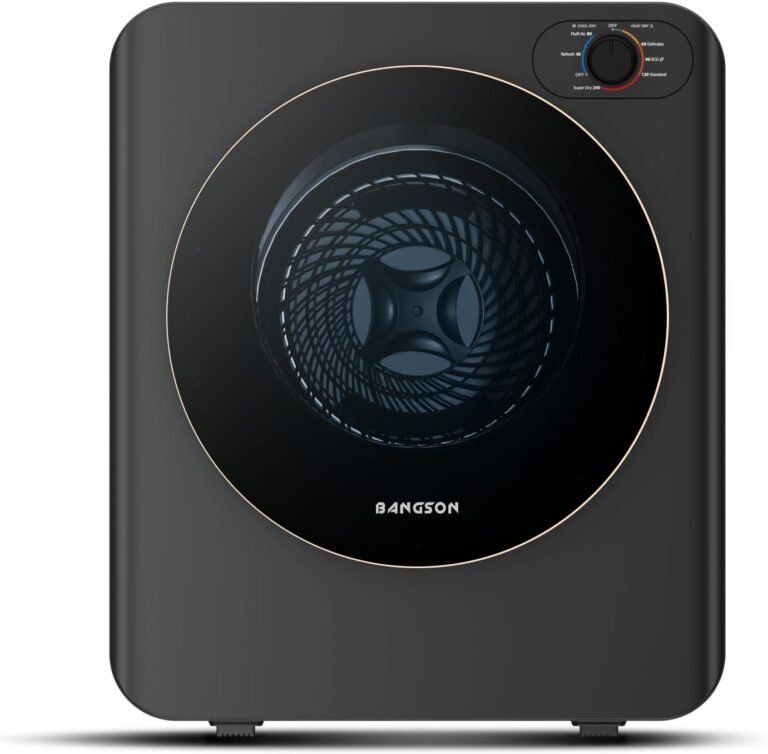
A heat pump clothes dryer is a dryer that recycles hot air to dry your clothes using less energy than a traditional vented dryer. Instead of blasting heat and pushing it outside, it captures the moisture, removes it, and reheats the air to use again. This makes it a highly efficient, gentle, and energy-saving appliance that is easier on your utility bills and your fabrics.
We found that most people switch to these dryers because they are better for the environment and don’t require a bulky exterior vent. Since they operate at lower temperatures, they are also much gentler on your favorite shirts and delicates. That means less shrinking, less wear and tear, and no need to hang dry as often.
- Saves energy: Uses about half the energy of a conventional dryer.
- No outside vent needed: Great for apartments or tight spaces.
- Gentler on clothes: Lower heat settings protect delicate fabrics.
- Better for the grid: Lower power consumption reduces your carbon footprint.
- Higher upfront cost: More expensive to buy, but saves money over time.
Below, we break down exactly how this clever drying technology works, what it costs, and whether it is the right choice for your home.
Understanding the Heat Pump Dryer: A Quick Breakdown
In simple terms, a heat pump dryer is a closed-loop system. It uses a heat pump to warm the air. Then, it recycles that same air instead of venting it outside.
We found that this setup is the main reason these dryers are so energy-efficient. You are not paying to heat brand new air from scratch each time. You are just reusing the heat you already have.
How It Works in Your Laundry Room
Picture a portable air conditioner that is working in reverse. The dryer pulls in room air, heats it up, and pushes it through your wet clothes. As the air collects moisture, it passes over a cold coil. This condenses the water out of the air, just like a glass of ice water sweats on a hot day.
The now-dry air gets reheated and sent back into the drum. The water collects in a tank or drains down your sink. The heat never escapes. That is the clever trick.
Where the Water Goes
You have two options for water removal. Most models come with a water tank you empty manually every few loads. Some units connect directly to a floor drain like a washing machine.
Many users we talked to prefer the tank because it is simple. No plumbing needed. Just pull the drawer, dump it in a sink, and slide it back.
The Real Cost of Switching to a Heat Pump Dryer
We get it. The sticker price scares people off. These units often cost double what a standard vented dryer costs. But here is the thing: they pay you back slowly over time.
Research from the U.S. Department of Energy suggests that heat pump dryers use roughly 28% less energy than conventional dryers. Some independent tests show even bigger savings (Energy Star).
Upfront Price vs. Monthly Bills
A good vented dryer might run you $600. A comparable heat pump dryer often starts around $1,200. That is a hard pill to swallow for many families.
But your monthly energy bill will drop noticeably. We found that a typical household can save between $80 and $150 per year on drying costs. Over a 10-year lifespan, that is $800 to $1,500 back in your pocket.
Energy Star Certification Matters
When you shop, look for the Energy Star label. That badge means the unit meets strict efficiency guidelines set by the EPA. You can trust that label.
Many utility companies even offer rebates if you buy an Energy Star model. That could knock $100 or more off the purchase price right away. Worth checking with your local provider.
Why the Lower Temperature Is Actually a Superpower
Most people think hotter means faster. And yes, a 150-degree vented dryer will finish a load quicker. But that heat comes at a cost to your fabric.
Heat pump dryers top out around 120 degrees. That is warm enough to dry clothes but cool enough to protect them. Think of it like washing in cold water instead of hot. Your clothes last longer.
Less Shrinkage and Wear
We found that cotton t-shirts and denim hold up far better in a heat pump dryer. The lower heat reduces stress on the fibers. That means fewer wrinkles, less shrinkage, and no more cracked elastic in your socks.
You also stop baking in that “dryer smell” that comes from overheated fabric. Your laundry smells clean, not cooked.
Delicates Without the Hassle
You know how you are supposed to hang dry your nice blouses? With a heat pump dryer, you can skip that step. The gentle heat is safe for most delicate fabrics. You can throw your silk and lace in with peace of mind.
It is like having a gentle breeze indoors instead of a desert storm in your laundry room.
No Vent Required: The Big Space Saver
Traditional dryers need an exhaust hose. That hose has to go somewhere, usually through an exterior wall. That is a huge limitation for apartment dwellers and condo owners.
Heat pump dryers are ventless. They do not need any holes in your walls. You can place them in a closet, a bathroom, or even a hallway. Just plug them in and go.
Where You Can Install One
Because there is no vent, your options open up dramatically. You can stack them on a washer. You can slide them under a counter. You can even install them in a tiny utility closet.
We found that renters love this feature. You do not need permission from a landlord to cut a hole in the wall. The dryer just sits there and works.
No More Cold Air Drafts
Vented dryers push warm, moist air outside. They also pull cold outdoor air into your home to replace it. That is awful in the winter.
With a heat pump dryer, you keep all your conditioned indoor air right where it belongs. No drafts. No temperature swings. Your HVAC system works less too. That is another small win for your wallet.
Longer Dry Times: The Trade-Off Nobody Mentions
Let us be honest with you. Heat pump dryers take longer. A standard load that takes 45 minutes in a vented dryer might take 70 or 80 minutes here. That is a big adjustment.
But here is the catch: you are not waiting on heat, you are waiting on moisture removal. The process is slower, but it is also gentler and cheaper. You trade time for money.
Why It Feels Slower but Works Fine
The lower temperature means water evaporates at a slower pace. Many models have sensors that stop the cycle when clothes are dry. That prevents over-drying, which wastes energy.
We recommend setting a reminder to clean the lint filter every single load. A clogged filter makes drying even slower and wastes energy. It takes five seconds, and it is non-negotiable.
Cycle Times by Fabric Type
Thicker items like towels and jeans will take the longest. Lighter clothes like shirts and synthetics dry faster. Most machines have preset cycles for each fabric type.
- Heavy duty (towels, denim): 80-100 minutes
- Normal (mixed loads): 60-80 minutes
- Delicates: 40-60 minutes
- Quick dry (small loads): 30-45 minutes
Maintenance Needs: Keep It Running Smoothly
Ventless dryers do require a bit more upkeep than vented models. The good news? The maintenance is simple and takes just a few minutes.
Cleaning the Lint Filter and Coils
You already know to clean the lint screen after every load. That does not change here. But you also have to check the condenser coils every month or so.
Most units have a removable filter or a self-cleaning condenser. We found that models with a self-cleaning option need less hands-on work. If yours does not have that, use a soft brush or vacuum attachment to clear the coils. It only takes five minutes.
Draining the Water Tank
If you are not hooked to a drain, you have to empty that water tank. When it is full, the machine stops and beeps until you empty it. It is a small chore, but we found that doing it near a sink makes it easy.
Some people use the water to water their plants. It is distilled water, which is actually better for houseplants than tap water. A nice little bonus.
Comparing Heat Pump, Vented, and Condenser Dryers
Before you buy, it helps to see the differences side by side. We found that a clean comparison clears up most confusion.
| Feature | Vented Dryer | Condenser Dryer | Heat Pump Dryer |
|---|---|---|---|
| Energy Use | High | Moderate | Low |
| Vent Required | Yes | No | No |
| Dry Temperature | Very Hot | Hot | Warm |
| Installation Cost | Low | Moderate | Moderate |
| Upfront Price | Lowest | Mid-range | Highest |
| Fabric Care | Poor | Fair | Excellent |
| Average Cycle Time | 40-50 min | 50-70 min | 60-90 min |
That table tells the story. Vented dryers are cheap and fast but wasteful. Heat pump dryers are pricey and slow but efficient and gentle.
Is a Heat Pump Dryer Right for Your Home?
You might be wondering if this is worth it for your family. We found that the answer depends on three things: your space, your budget, and your laundry habits.
Checklist Before You Buy
Use this checklist to see if a heat pump dryer fits your life. Tick off the ones that apply to you.
- You want to cut your monthly energy bill significantly.
- You do not have an exterior vent or outdoor access.
- You are willing to wait a bit longer for dry clothes.
- You want your clothes to last longer without shrinking.
- You live in an apartment, condo, or rental unit.
- You have around $1,200 to invest upfront.
If you checked four or more boxes, a heat pump dryer is a smart move. The long-term savings and fabric protection are real benefits that add up over time.
What If You Have a Big Family?
Large households do more loads. That means more waiting time with a heat pump dryer. We found that some families struggle with the slower cycle times.
If yours is a busy household, look for a model with a larger drum (7.4 cubic feet or more). You can dry more clothes per load, you can get back some efficiency.
Installation Tips That Save You Headaches
Installation is easier than a vented dryer, but there are a few gotchas. Here is what we learned from user guides and installation manuals.
Power Requirements Matter
Some heat pump dryers plug into a standard 120-volt outlet. That is great for apartments and older homes with no 240-volt hookup. Others need 240 volts to operate. Always check the specs before you order.
This is the number one mistake people make. They buy a dryer without checking their outlet type. Save yourself from the headache and check the electrical requirements first.
Placement and Clearance
These dryers need some airflow around them to work. Leave at least two inches of clearance on the sides and back. That lets the internal heat exchanger breathe and stay efficient.
Do not shove the dryer tightly into a corner. It will overheat and slow down. Give it room, and it will reward you with faster drying and lower energy use.
Conclusion
Heat pump dryers are a smart upgrade for many homes. You get major energy savings, no vent needed, and much gentler care for your clothes. The trade-offs are real too: a higher upfront price and longer cycle times.
We think the benefits win for most people. You save $80 to $150 a year on energy. Your favorite shirts last longer. And you can put the dryer almost anywhere.
Your next step is simple. Check your outlet type and measure your space. Then look for an Energy Star model with a self-cleaning condenser. That combo gives you the best experience with the least hassle.
Frequently Asked Questions
Can I plug a heat pump dryer into a regular outlet?
Some models work on a standard 120-volt outlet. Others need a 240-volt hookup like a traditional electric dryer. Always check the spec sheet before you buy. This is the most common mistake we see people make.
Do heat pump dryers need to be vented outside?
No. Heat pump dryers are completely ventless. They capture moisture internally and collect it in a tank or drain it away. This makes them perfect for apartments, condos, and homes without exterior wall access.
Will a heat pump dryer shrink my clothes?
Much less than a traditional dryer. Heat pump dryers top out around 120 degrees instead of 150 degrees or more. That lower heat reduces stress on fabric fibers. Your cotton shirts and denim will hold their shape far better.
How long does a heat pump dryer last?
Most quality units last between 10 and 15 years with regular maintenance. That is comparable to a traditional vented dryer. The key is keeping the lint filter clean and checking the condenser coils monthly. That simple care extends the life significantly.
Is a heat pump dryer worth it for one person?
Yes, if you want lower energy bills and gentler fabric care. You do fewer loads, so the longer cycle time bothers you less. The energy savings still add up over time. Plus, you skip the cost and hassle of installing a vent.