
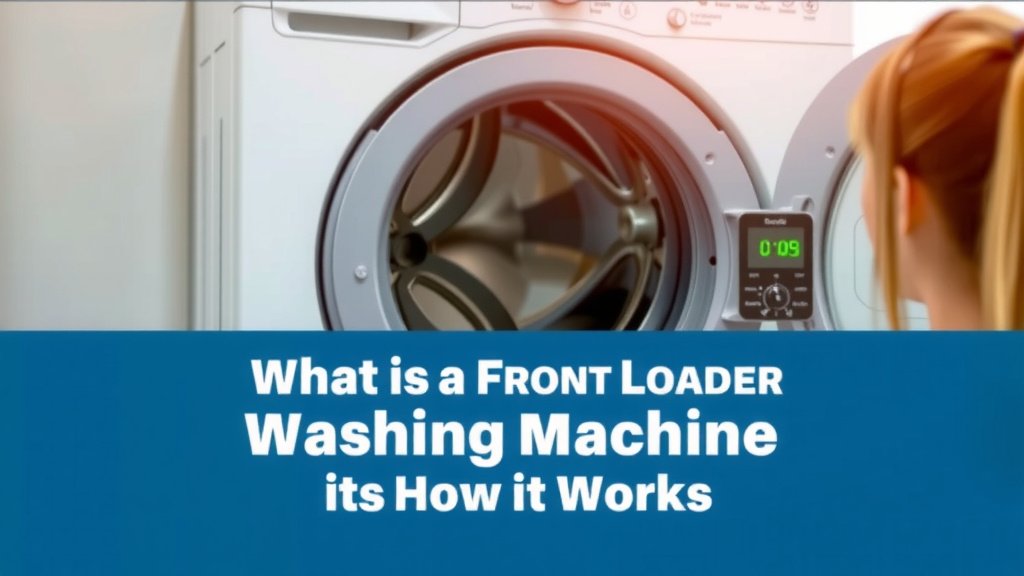
What is a Front Loader Washing Machine and How It Works
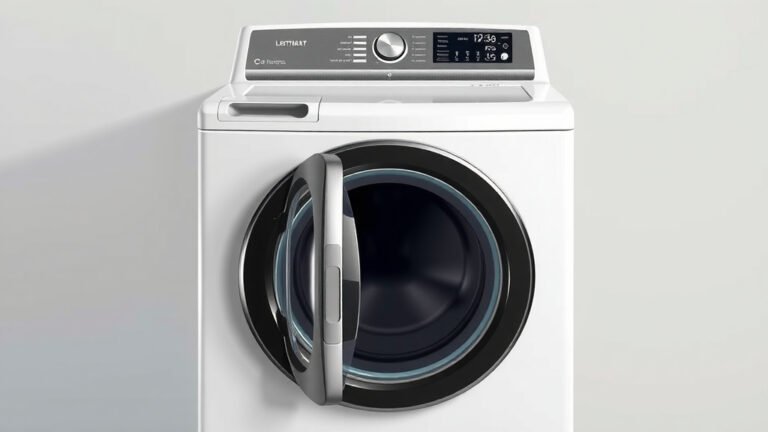
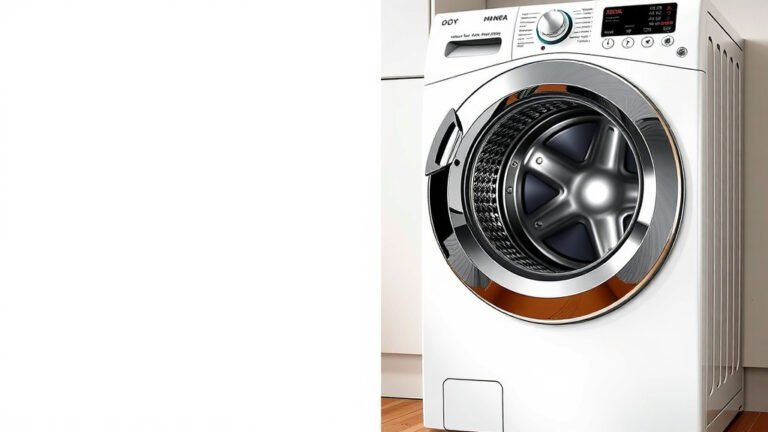
A front loader washing machine is a type of washing machine where the door is located on the front of the unit. Clothes are loaded through this door into a horizontally oriented drum. This design is known for its water and energy efficiency, and its gentleness on fabrics compared to older top-loader models.
You might be wondering how they differ from the top-loaders you grew up with. Front loaders typically use less water because the drum only needs to fill partially to tumble clothes through the water. This also means they can often achieve higher spin speeds, removing more moisture and reducing drying time. Many homeowners find them a smart choice for both environmental and cost-saving reasons.
- Front loaders have the door on the front.
- They tumble clothes horizontally in the drum.
- They use less water and energy.
- Gentle on your clothes.
- Can achieve faster spin speeds.
Ready to see if a front loader is the right fit for your laundry room? Let’s dive into the details of how these machines work and what makes them a popular choice for so many households.
So, you’re curious about front loader washing machines. It’s a great question to ask, especially when you’re thinking about upgrading your laundry setup. You’ve probably seen them around – sleek designs, a big round window on the front. But what truly makes them tick, and why are so many people making the switch?
Understanding the Mechanics of Front Load Washers
At its core, a front loader is defined by its loading door and how it washes clothes. Let’s break down the science behind this popular appliance.
The Horizontal Drum: The Heart of the Operation
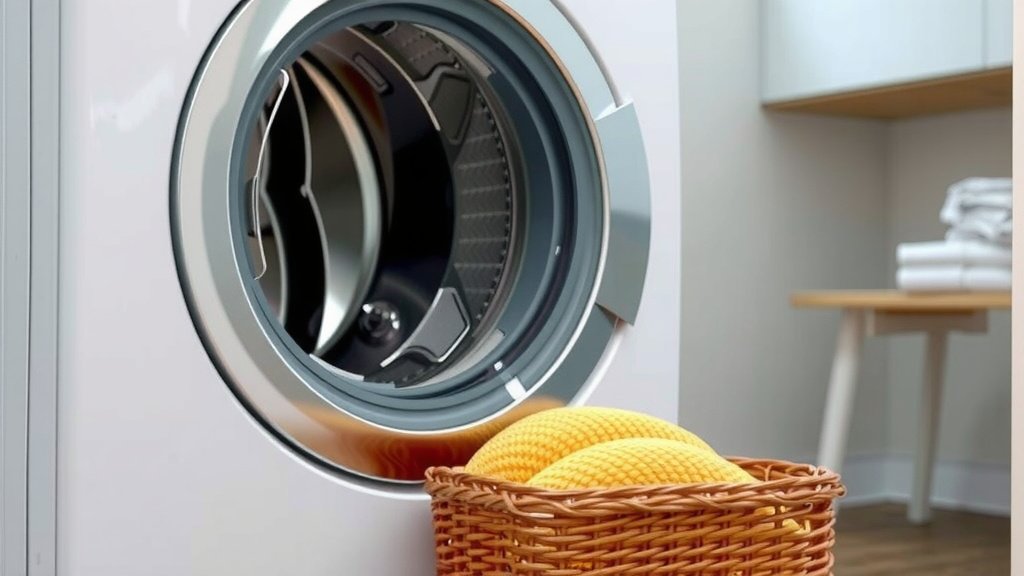
Unlike traditional top-loaders where clothes are lifted and dropped, front loaders use a horizontally mounted drum. When you start a wash cycle, this drum tumbles the clothes. Think of it like a gentle massage for your garments. The clothes are lifted by baffles inside the drum and then dropped back into the water. This tumbling action, combined with water and detergent, is what gets your clothes clean.
Water and Energy: A More Efficient Partnership
One of the biggest advantages is their efficiency. Front loaders use significantly less water than most traditional top-loaders. Why? Because the drum doesn’t need to be completely filled with water to get the job done. It only fills enough to saturate the clothes as they tumble. This is a huge win for your water bill and the environment. According to the Department of Energy, ENERGY STAR certified front-load clothes washers typically use at least 30% less water and 25% less energy.
This efficiency extends to energy use too. Less water means less water to heat, which often translates to lower electricity bills. Plus, the tumbling action can be more effective at removing dirt and stains with less agitation.
Spin Speeds: Drier Clothes, Faster Drying
Front loaders are known for their ability to spin at much higher speeds than top-loaders. We’re talking speeds that can reach up to 1,600 revolutions per minute (RPM) or even higher in some models. What does this mean for you? It means more water is extracted from your clothes during the spin cycle. Your clothes come out noticeably drier, which can significantly cut down on your drying time and the energy your dryer uses. This is a double win for saving time and money!
Key Features That Set Front Loaders Apart
Beyond the basic mechanics, there are several features that make front loaders a compelling choice for many households.
Gentle Wash Cycles: Kind to Your Wardrobe
Remember that tumbling action we talked about? It’s not just efficient; it’s also incredibly gentle on fabrics. Because the clothes aren’t being churned and beaten around as much as in some older top-load designs, they experience less wear and tear. This means your favorite sweaters, delicate blouses, and even everyday jeans are likely to last longer when washed in a front loader. Many experts agree this gentle approach helps maintain fabric integrity.
Capacity and Space Considerations
Front loaders often boast larger capacities compared to similarly sized traditional washers. The absence of an agitator (that central post in many older top-loaders) frees up a lot of space inside the drum. This means you can wash larger loads, including bulky items like comforters and sleeping bags, which is a lifesaver for busy families. This larger capacity also means fewer loads overall, saving you more time.
Stackable Design: Maximizing Laundry Room Space
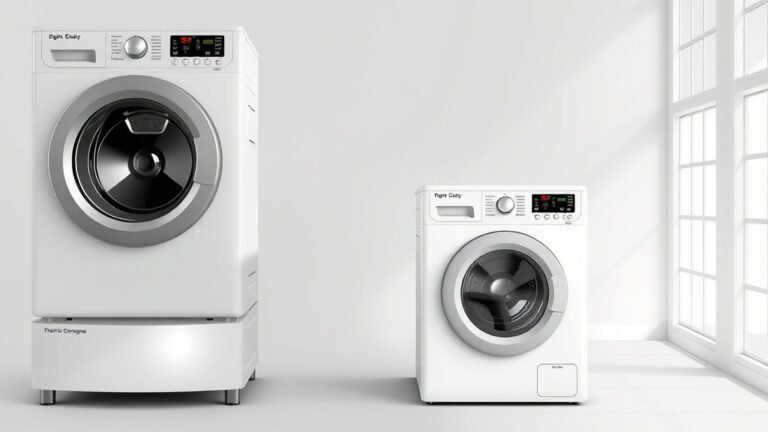
A major space-saving advantage of front loaders is their stackable design. Most front-load washers and dryers are designed so that you can place the dryer directly on top of the washer. This is a fantastic solution for smaller homes, apartments, or even just for optimizing space in a cramped laundry room. You get two appliances in the footprint of one! Just ensure you use the correct stacking kit for safety and stability.
Advanced Features and Cycles
Modern front loaders come packed with innovative features. You’ll find specialized cycles for everything from sanitizing baby clothes to refreshing gym wear. Many offer steam cycles, which can help remove allergens, reduce wrinkles, and sanitize fabrics without harsh chemicals. Smart connectivity is also becoming more common, allowing you to start, stop, and monitor cycles from your smartphone. These smart features can add a layer of convenience you didn’t know you needed.
Comparing Front Loaders to Traditional Top Loaders
To truly appreciate a front loader, it helps to see how it stacks up against its more traditional counterpart. We’ve touched on some points, but let’s get specific.
| Feature | Front Loader | Traditional Top Loader (with agitator) |
|---|---|---|
| Washing Action | Tumbling (horizontal drum) | Lifting and dropping (vertical drum) |
| Water Usage | Low | High |
| Energy Usage | Low | Moderate to High |
| Spin Speed | High (up to 1600+ RPM) | Lower (typically under 1000 RPM) |
| Fabric Care | Gentle | Can be harsher |
| Capacity | Often larger | Varies, can be limited by agitator |
| Stackability | Yes | No |
| Ergonomics | Requires bending or pedestal | No bending required |
| Cost (Initial) | Generally higher | Generally lower |
As you can see, front loaders often excel in efficiency and fabric care. The main trade-off for some is the need to bend down to load and unload, but many users find the benefits far outweigh this minor inconvenience. Pedestals are available to raise the machines, making access easier.
Making the Most of Your Front Loader: A Quick Checklist
Once you have your new front loader, here are a few tips to keep it running smoothly and effectively:
- Always use high-efficiency (HE) detergent. It’s formulated for low water usage and less sudsing.
- Wipe down the door seal after each use to prevent mold and mildew.
- Leave the door slightly ajar between washes to allow for air circulation.
- Run a cleaning cycle or a hot water wash with vinegar monthly.
- Don’t overload the machine; clothes need room to tumble.
- Check your user manual for specific cycle recommendations.
By understanding how your front loader works and following these simple maintenance tips, you can ensure it serves you well for years to come, keeping your clothes clean and your utility bills lower.
Conclusion
You’ve now learned the essentials of what makes a front loader washing machine. Its tumbling action cleans gently yet effectively. You’ve seen how its design leads to impressive water and energy savings. High spin speeds mean less time spent drying. Plus, the potential for stackable design saves valuable space. If you’re looking for efficiency, fabric care, and modern convenience, a front loader is likely your best choice. Consider your laundry needs and available space, and take the next step toward a more efficient laundry routine.
Frequently Asked Questions
Are front loaders really worth the higher initial cost?
Many research findings suggest they are. While the upfront price is often higher, the long-term savings on water and energy bills can offset this difference over time. Plus, their gentleness on clothes means you might replace garments less often, adding to the overall value.
How do I prevent mold and mildew in my front loader?
It’s a common concern, but easily managed. Always wipe down the rubber door seal after each wash. Leaving the door ajar between loads allows air to circulate. Running a monthly cleaning cycle with hot water and vinegar also helps keep things fresh.
Can I use regular detergent in a front loader?
No, you should always use high-efficiency (HE) detergent. Regular detergents produce too many suds for the low-water system of a front loader, which can lead to poor rinsing and potential machine issues.
Do front loaders take longer to wash clothes than top loaders?
Wash cycles on front loaders can sometimes be longer, but this is often due to their more advanced cleaning processes. They use less water and rely on tumbling action, which requires more time. However, their high spin speeds significantly reduce drying time, often making the overall laundry process faster.
Is it difficult to load and unload a front loader?
For some, bending down can be a challenge. However, many users find it’s a minor adjustment. You can easily overcome this by placing the washing machine on a pedestal, which raises the drum to a more comfortable height for loading and unloading.

![7 Best Small Washer And Dryer For Apartments [In 2026]](https://homeunderstandable.com/wp-content/uploads/2026/08/7-best-small-washer-and-dryer-for-apartments-in-2026-featured-768x432.jpg)