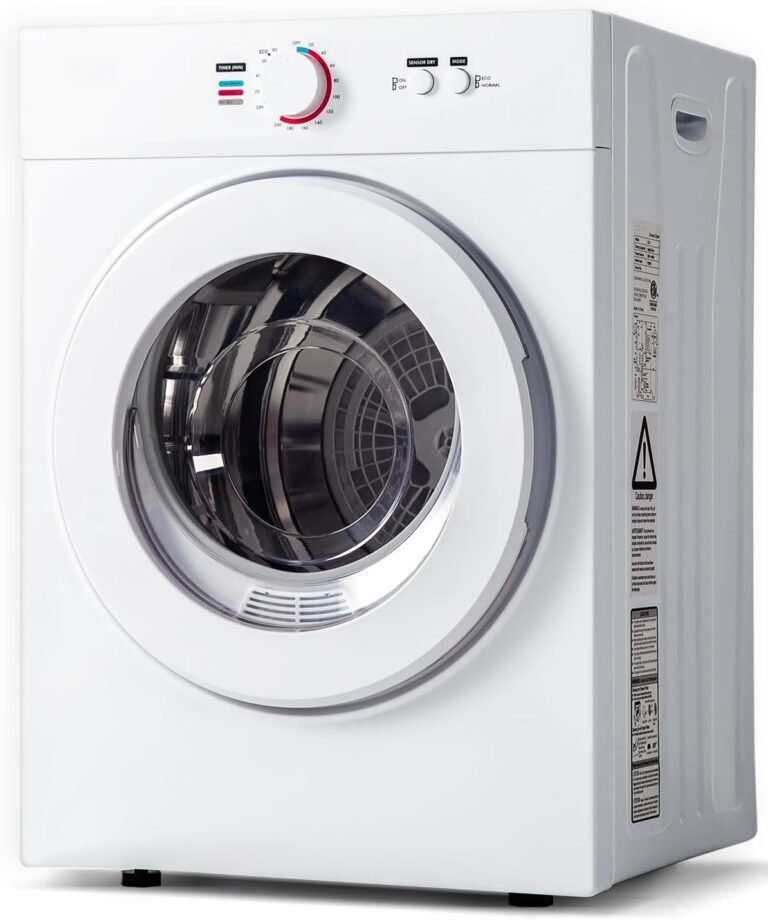
Why Did My Clothes Dryer Stop Working? Top Fixes
Your dryer stopped working because something interrupted its heat, airflow, or power—and the fix is often simpler than you think. We found that most dryer failures come from a few common culprits, like a clogged lint filter, a tripped circuit breaker, or a broken door switch. Before you panic or call for a costly repair, check these easy items first.
The good news is that you don’t need to be a handyman to get your clothes dry again. Many dryer problems have quick, do-it-yourself solutions that take just minutes. From a full drum that won’t spin to a machine that runs but produces zero heat, we’ll help you diagnose the exact issue and get back to laundry day fast.
- Check power first—a tripped breaker or loose cord causes many “dead” dryers.
- Clean the lint filter—a blocked filter restricts airflow and stops the heating cycle.
- Inspect the door switch—if the dryer won’t start, this small part is often the problem.
- Look at the thermal fuse—it blows to prevent fires and shuts down heat completely.
- Listen for odd sounds—grinding or squealing points to a worn drum belt or rollers.
Below, we break down the top reasons your dryer stopped working and walk you through simple fixes for each one. Let’s get your machine running again so you can ditch that mountain of damp clothes.
Common Reasons Your Dryer Suddenly Stopped Working
You load the machine, press start, and nothing happens. Or maybe the drum turns, but your clothes stay cold and damp. We found that pinpointing the exact cause comes down to one simple question: Is the dryer dead, or is it just refusing to heat?
That single observation splits the troubleshooting process in half. It narrows your search from a hundred possible parts down to just a handful. So, take a breath. We’ll walk through the most likely culprits for each scenario, starting with the easiest fixes first.
When the Dryer Has No Power at All
A completely unresponsive dryer is frustrating. The lights won’t turn on, and the drum won’t budge. In most cases, this points to an electrical supply problem rather than a broken motor or control board.
Start by checking if other appliances in the laundry room work. If they do, the issue is specific to your dryer’s circuit. This is often a quick reset that takes less than a minute.
- Look at your home’s electrical panel for a tripped breaker.
- Reset the breaker by flipping it fully off, then fully on.
- Inspect the outlet for burn marks or a loose fit.
- Check the dryer’s power cord where it meets the wall.
- Test the outlet with a multimeter if you have one handy.
We found that a tripped breaker is one of the most common and easy fixes. Sometimes, a nearby appliance like a space heater overloads the same circuit. If the breaker trips again immediately, you likely have a wiring issue that needs a professional eye.
Why Would the Breaker Keep Tripping?
A breaker that resets and then snaps off again signals a bigger problem. It means the dryer is pulling too many amps, or there is a short circuit inside the machine. Do not keep resetting it. That’s a fire hazard.
Common causes for this include a failing heating element that grounds out or a worn-out motor. You might also have a faulty cord. This is a job for a licensed appliance technician to diagnose safely.
The Door Switch Is Your Dryer’s Guardian
If your dryer has power but won’t start, the door switch is a prime suspect. This small button tells the machine that the door is securely shut. If it breaks, the dryer thinks the door is open. So, it refuses to spin for safety reasons.
You can test this yourself. Press the switch with your finger. You should hear a distinct click. If you hear nothing, or if the click feels mushy, the switch is likely dead. Replacing a door switch is a beginner-friendly repair that usually requires just a screwdriver.
Why Your Dryer Runs But Produces No Heat
This scenario is trickier because the machine sounds normal. The drum tumbles, the timer counts down, but your laundry comes out cold and wet. When this happens, the dryer is restricted from heating up due to safety sensors or a broken element.
The most common reason for no heat? A blocked lint screen. It sounds too simple to be true, but a screen packed with lint stops the airflow. The dryer overheats, blows a safety fuse, and kills the heat to prevent a house fire.
The Thermal Fuse: Your Home’s Silent Hero
Think of the thermal fuse as a one-time circuit breaker. It sits near the exhaust duct. When the dryer gets too hot, this fuse blows to cut power to the heating element. Once it blows, it’s done for good and must be replaced.
Many experts say that you should never just replace the fuse without finding out why it blew. Usually, a clogged vent is the root cause. If you ignore the vent, the new fuse will blow again within a week. We found that cleaning your venting is the real repair here.
- Unplug the dryer before any inspection.
- Locate the thermal fuse on the blower housing or exhaust duct.
- Test it with a multimeter for continuity.
- Replace it only if you also clean out the full vent line.
Check the Heating Element for Breaks
If the fuse is fine, the next suspect is the heating element itself. This metal coil works like the coil on an old electric stove. It glows red-hot to generate heat. Over time, the coil can break or burn through, especially if it’s covered in melted fabric softener.
To check it, you’ll need to access the back panel of the dryer. Look for the metal coil inside a metal housing. If you see a visible gap or a black spot, the element is broken. Replacing a heating element is moderately tricky. It involves removing the drum belt and housing, so it might be worth a service call if you’re unsure.
Clogged Venting and Airflow Problems
Even if your dryer heats up, poor airflow means longer drying times. If it takes two or three cycles to dry a normal load, your vent is likely restricted. This isn’t just an annoyance. A clogged vent is a leading cause of dryer fires in US homes (Consumer Product Safety Commission).
The lint trap catches a lot of debris, but smaller particles escape. They travel through the exhaust pipe and build up over time. This creates a blanket of insulation around the heating element, causing it to overheat and fail.
How to Spot a Blocked Exhaust Duct
Walk outside and check the vent flap. Does it open when the dryer runs? If it barely moves, or if you see lint collecting around the vent hood, your line is partially blocked. You might also notice a burning smell in the laundry room.
We recommend cleaning the vent at least once a year. Disconnect the duct from the back of the dryer and vacuum out both ends. A flexible brush kit works best for long runs. This simple task keeps your dryer running hot and efficient.
Strange Noises and Drum Movement Problems
Does your dryer squeal like a stuck pig? Or does it thump loudly with each rotation? These noises are your dryer’s way of crying for help. Ignoring them leads to bigger, costlier failures down the road.
The sound usually points to a worn drum support roller or a broken belt. When parts wear out, the metal drum scrapes against the housing or the motor strains to turn the load.
The Drum Belt: The Rubber Band That Holds It Together
Your dryer drum isn’t powered by magic. A long, rubber-like belt wraps around the drum and connects to the motor. When this belt snaps, the drum stops turning entirely. You might hear the motor hum, but the clothes just sit in a pile.
If the belt breaks without damaging anything else, you’ll need to replace it. This process requires removing the top panel and the front panel. It’s a bit fiddly, but many online tutorials show the rope-around-the-pulley trick that helps route the new belt. Budget about an hour of your time for this repair.
Loose or Worn Rollers and Idler Pulleys
If your dryer squeaks or rumbles, the rollers are getting dry. These small wheels support the drum’s weight as it spins. Over time, the plastic or rubber coating wears down. The metal axle inside then rubs against the drum, creating a loud squeal.
You can often fix this by lubricating the rollers with a high-heat dryer lubricant. However, experts suggest just replacing them since they are cheap parts. A full roller kit usually runs under 30 dollars and fixes the noise for years.
A Quick Diagnostic Checklist for Your Dryer
Before you call a repair company, run through this list. We found that tackling these items in order saves you time and money. Many people skip these steps and pay for a service call that ends with them simply plugging the machine back in correctly.
- Ensure the dryer is plugged into the outlet tightly.
- Press the START button firmly; some models require a strong push.
- Open and slam the door shut to reset the door switch.
- Remove the lint filter and wash it with soap and water.
- Check the exhaust vent for any kinks or clogs.
- Look at the circuit breaker and push it firmly to reset.
If you work through that list and the dryer still acts up, don’t panic. Professional repairs on dryers are relatively affordable compared to replacing the entire unit. Most technicians can fix these common issues on the first visit.
Comparing the Top Culprits: A Repair Priority Table
We know troubleshooting can feel overwhelming. So, we’ve organized the most common issues by the level of difficulty and the cost to fix. This table helps you decide whether to grab a wrench or pick up the phone.
| Symptom | Most Likely Part | Difficulty | Average Cost |
|---|---|---|---|
| No power, won’t start | Circuit breaker or door switch | Easy | $0 – $50 |
| Runs, but low heat | Clogged lint screen or vent | Easy | $0 – $20 |
| No heat at all | Thermal fuse or heating element | Moderate | $30 – $100 |
| Drum won’t spin | Drive belt | Moderate | $20 – $40 |
| Loud squealing noise | Support rollers or idler pulley | Moderate | $25 – $60 |
The best approach is to start with the cheapest fix. Don’t buy a new heating element right away. Spend ten minutes checking the simple things first. That process works for nearly every household repair and saves you the most money.
Safety Warning: Don’t Dry on Hot Without Airflow
Running a dryer with restricted airflow is dangerous. Without moving air, the heating element keeps raising the temperature. This ignites lint and plastic debris inside the machine. We cannot stress this enough: never run a dryer with a damaged vent hose.
Make it a habit to clean the lint filter before every single load. That single action removes most of the fire risk. Also, check the venting twice a year. This practice keeps your home safe and your utility bills low.
Most of these fixes are not rocket science. You just need the right guidance and a basic toolset. Now, go unplug that dryer and give it the attention it needs. Your socks will thank you.
Conclusion
Your dryer stopping mid-cycle or refusing to start is almost always traceable to one of a few simple causes. We walked you through the power checks, the lint buildup, and the safety fuses that quietly protect your home. You now have a clear game plan to diagnose the issue without guesswork.
Start with the zero-cost fixes first. Reset the breaker, clean the lint filter, and inspect the vent line. Nine times out of ten, that gets your dryer running again. If the problem is a broken belt or a dead heating element, you can decide whether to DIY it or call a pro. You’ve got this.
Frequently Asked Questions
How long does a clothes dryer typically last?
Most dryers last between 10 and 13 years with regular maintenance. If your machine is older than that and needs a major repair, you might be better off replacing it. A new dryer will be more energy-efficient and save you money on utility bills.
Is it worth repairing an old dryer?
We found that if the repair costs less than half the price of a new dryer, it’s usually worth fixing. A simple part like a door switch or thermal fuse is a cheap, smart repair. However, if the motor or control board fails on a 12-year-old unit, replacement makes more sense.
Can a clogged dryer vent cause the dryer to stop heating?
Yes, it absolutely can. A blocked vent traps hot air inside the machine. This triggers the thermal fuse to blow as a safety measure, which cuts power to the heating element. Always clean the full vent line when you replace a blown fuse.
Why does my dryer shut off after a few minutes?
This is often a sign of overheating. The machine senses the high temperature and shuts down to prevent a fire. Check the lint screen and the exhaust duct for blockages first. If those are clear, the cycling thermostat might be faulty and need replacement.
Should I unplug my dryer before attempting any repair?
Yes, always unplug the dryer first. Even with the power off, you should also discharge any stored energy in the capacitors. Wait about five minutes after unplugging before you touch any internal parts. Your safety is the most important thing here.