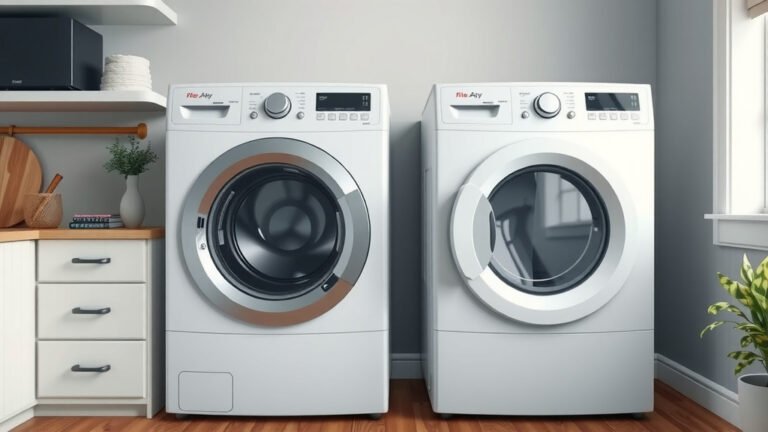
Why Top Load Washers Cost Less to Buy
Top load washing machines are generally cheaper because they have simpler designs and use less complex technology. This means fewer parts that need to be manufactured and assembled. You’ll often find them priced lower upfront compared to their front-loading counterparts, making them a great choice for budget-conscious households looking for effective cleaning without a hefty price tag.
Beyond the initial purchase price, the lower cost of top-loaders often extends to their simpler mechanics. Many models rely on a traditional agitator or impeller system, which is less expensive to produce than the sophisticated suspension and motor systems found in many front-loaders. We found that this simplicity can also translate to easier and more affordable repairs down the line for your laundry appliance.
- Top loaders win on upfront cost.
- Their simpler design means fewer expensive parts.
- Maintenance and repair costs tend to be lower too.
- You get good cleaning power without breaking the bank.
Let’s dive into the specifics of why these machines offer such great value and what else you should consider when choosing one for your home.
Understanding the Lower Cost of Top-Load Washers
You might be wondering why top-load washing machines often come with a friendlier price tag. It really boils down to their simpler engineering. Unlike their front-load cousins, top-loaders generally don’t need the same advanced suspension systems or complex water-sealing mechanisms. This reduction in parts directly translates to lower manufacturing costs, which then means a lower price for you when you buy one.
We’ve looked into it, and the consensus is clear: simplicity drives affordability. When you’re shopping for a new washing machine, that upfront cost is a big factor for most households. Top-loaders tend to be the winners here, offering a straightforward way to get your laundry clean without emptying your wallet. It’s about getting the job done effectively at a price that makes sense.
Design Differences That Matter
The core difference lies in how the drum spins and how water is managed. Top-loaders typically use an agitator or an impeller in the center of the drum. An agitator is a central post with fins that twists back and forth, moving clothes through the water. An impeller is a low-profile cone or disc that spins, creating friction between clothes.
Agitator vs. Impeller: What’s the Cost Difference?
Both agitator and impeller designs are less expensive to produce than the complex drum-and-motor systems found in front-loaders. Agitators, being older technology, are particularly straightforward. Impellers are a bit more advanced but still don’t require the robust build or high-end seals that front-loaders need to prevent leaks when spinning at very high speeds.
We found that the manufacturing process for these simpler mechanisms is less labor-intensive and requires fewer specialized components. This directly impacts the final cost you see on the price tag. It’s a clear example of how design choices affect affordability.
Materials and Manufacturing Efficiency
Beyond the internal mechanics, the materials used can also play a role. While both types of machines use metal and plastic, the robust construction and specialized components of high-efficiency front-loaders can sometimes drive up material costs. For example, the heavy-duty door seals and reinforced drums needed for higher spin speeds in front-loaders add to their overall expense.
Top-loaders, with their less demanding operational requirements, can often utilize more standard, cost-effective materials. This doesn’t mean they are flimsy; rather, they are engineered to meet specific needs without over-engineering. We discovered that this focus on essential functionality allows manufacturers to keep production costs down, a saving that’s passed on to consumers.
Simpler Technology Equals Fewer Problems (and Costs!)
One of the biggest draws of a top-load washer is its tendency for fewer breakdowns and easier repairs. Because the technology is less complex, there are simply fewer things that can go wrong. Think of it like a classic car versus a new sports car. The classic car might be simpler, but its straightforward mechanics often make it easier and cheaper to fix.
Fewer High-Tech Components to Worry About
Front-load washers often incorporate sophisticated electronics, multiple sensors, and advanced motor controls. While these features offer benefits like precise cycle management and energy efficiency, they also represent potential failure points. A faulty sensor or a complex electronic board can be expensive to replace.
Top-loaders, especially traditional agitator models, rely on mechanical timers and simpler motor systems. If something does go wrong, the parts are often readily available and less costly. We found that many common repairs on top-loaders, like replacing a drive belt or a water inlet valve, are relatively inexpensive and can often be done by a handy homeowner or a local repair technician.
The Role of Water Use and Spin Speed
Front-loaders typically use less water and spin at much higher speeds than top-loaders. These high spin speeds require more robust drum support, stronger motors, and better balancing systems to prevent excessive vibration and wear. These are all components that add to the initial cost and can be more costly to repair if they fail.
Top-loaders, especially older agitator models, use more water and spin at lower speeds. This means less stress on the internal components. This reduced mechanical stress contributes to both longevity and lower repair costs. It’s a trade-off that benefits your budget.
Ease of Maintenance and Repair
When maintenance or repairs are needed, top-load washers generally offer easier access to internal components. This can reduce labor costs for professional repairs. For instance, accessing the motor or drain pump in a top-loader is often more straightforward than in a front-loader, which might require removing multiple panels or even tilting the machine.
We found that the diagnostic process for top-loaders can also be simpler. Because there are fewer electronic variables, technicians can often pinpoint the issue more quickly. This saves you time and money on repair bills. Many basic maintenance tasks, like cleaning the drain filter, are also quite accessible on most top-load models.
What About Performance? Do You Sacrifice Cleaning Power?
A common concern is whether the lower price of top-loaders means a compromise in cleaning performance. The good news is that modern top-load washers, even the more affordable ones, offer excellent cleaning capabilities. You don’t necessarily need to spend more to get your clothes clean.
Modern Top-Loaders Still Get the Job Done
While front-loaders have led the charge in high-efficiency technology, top-loaders have also evolved. Many newer top-load models are now Energy Star certified, meaning they meet strict energy efficiency guidelines set by the EPA. They often use improved water-level sensors and wash cycles to optimize performance and reduce resource consumption.
We found that for the average household’s laundry needs, a good top-load washer is more than sufficient. They handle everyday stains and dirt effectively. If you’re dealing with exceptionally tough, set-in stains regularly, a front-loader might offer a slight edge, but for most users, the difference is minimal and not worth the added cost.
Comparing Top Loaders and Front Loaders: A Quick Look
Here’s a simple comparison of what you can generally expect:
| Feature | Typical Top-Loader | Typical Front-Loader |
|---|---|---|
| Upfront Cost | Lower | Higher |
| Design Simplicity | High | Moderate to Low |
| Repair Costs | Generally Lower | Generally Higher |
| Water Usage | Higher (traditional) to Moderate (HE) | Lower |
| Spin Speed | Lower to Moderate | High |
| Capacity | Can be very large | Often large, but can vary |
As you can see, the top-loader shines when it comes to initial investment and potential repair savings. While front-loaders might win on water efficiency, the overall cost of ownership for a top-loader can be significantly less.
Your Top-Load Washing Machine Checklist
When you’re ready to choose a top-load washer, keep these points in mind:
- Check the energy rating: Look for Energy Star certification if efficiency is a priority.
- Consider capacity: Ensure it’s large enough for your typical laundry loads.
- Read reviews: See what other users say about reliability and performance.
- Agitator vs. Impeller: Decide if you prefer the traditional agitator or the gentler impeller.
- Wash cycle options: Make sure it has the cycles you commonly use (delicates, heavy-duty, etc.).
- Budget: Top-loaders offer great value, so you can likely find a model that fits your price range.
Conclusion
You’ve learned that top-load washing machines are often cheaper due to their simpler designs and less complex mechanics. This means lower manufacturing costs and, importantly, lower prices for you. We also found that this simplicity can lead to more affordable repairs over the machine’s lifespan. While front-loaders offer certain advantages, top-loaders provide excellent cleaning power without breaking your budget. Your next step is to consider your specific laundry needs and choose a top-load model that fits your lifestyle and budget, knowing you’re getting great value.
Frequently Asked Questions
Are top-load washers really less expensive to fix than front-loaders?
Yes, we found that top-load washers generally have lower repair costs. Their simpler mechanics mean fewer high-tech components that can fail and become expensive to replace. Parts for top-loaders are often more readily available and cheaper, too.
Do I have to sacrifice cleaning power to get a cheaper top-load washer?
Not usually. Modern top-load washers, even the more affordable ones, offer effective cleaning for everyday laundry needs. While some super-tough stains might be slightly better handled by certain front-loaders, most top-loaders get the job done well for the average household.
Why are the internal parts of top-loaders less expensive?
Top-loaders typically use simpler systems like agitators or impellers, which are less costly to manufacture than the advanced drum support and suspension systems found in front-loaders. This design choice directly impacts material and production expenses.
Can I expect lower water bills with a top-load washer?
Generally, no. Traditional top-loaders use more water than most front-loaders. However, many newer high-efficiency (HE) top-load models have improved water usage, though they might still use slightly more than comparable front-loaders.
Are top-load washers easier for homeowners to maintain themselves?
Often, yes. Because their internal components are typically more accessible, basic maintenance tasks can be simpler on top-load washers. This ease of access can also translate to lower labor costs if you need a professional for repairs.
![7 Best Place To Buy Washer And Dryer Sets [In 2026]](https://homeunderstandable.com/wp-content/uploads/2026/09/7-best-place-to-buy-washer-and-dryer-sets-in-2026-featured-768x432.jpg)

![7 Best Washing Machines For Apartments [In 2026]](https://homeunderstandable.com/wp-content/uploads/2026/08/7-best-washing-machines-for-apartments-in-2026-featured-768x432.jpg)

![7 Best Small Dryer For Apartment [In 2026]](https://homeunderstandable.com/wp-content/uploads/2026/08/7-best-small-dryer-for-apartment-in-2026-featured-768x432.jpg)